ITV Faces Criticism Over “Glaring Issue” with Jeremy Clarkson’s Who Wants To Be A Millionaire?


ITV’s Who Wants To Be A Millionaire? has long been one of the most popular game shows in the UK, with viewers tuning in to see contestants take on the iconic questions for the chance to win life-changing sums of money. Hosted by Jeremy Clarkson since 2018, the show continues to captivate audiences, following in the footsteps of the beloved Chris Tarrant, who hosted the show for nearly two decades before Clarkson’s arrival.
Clarkson, who became a household name for his work alongside Richard Hammond and James May on Top Gear and The Grand Tour for Prime Video, has made a smooth transition into hosting the show, bringing his own unique style to the role. While Clarkson has proven to be a successful successor to Tarrant, recent developments on the show have drawn attention to what some are calling a “glaring issue” that ITV can no longer hide.
A Historic Win, but an Old-Fashioned Prize
The controversy comes in the wake of a recent milestone in the show’s history. Retired IT analyst Roman Dubowski made headlines as the seventh-ever contestant to win the coveted £1 million prize. His win marks a significant moment in the current series, adding to the drama and excitement that fans of Who Wants To Be A Millionaire? have come to expect. However, this monumental victory has brought with it a larger discussion about the show’s prize structure and whether it still holds the same appeal it once did.
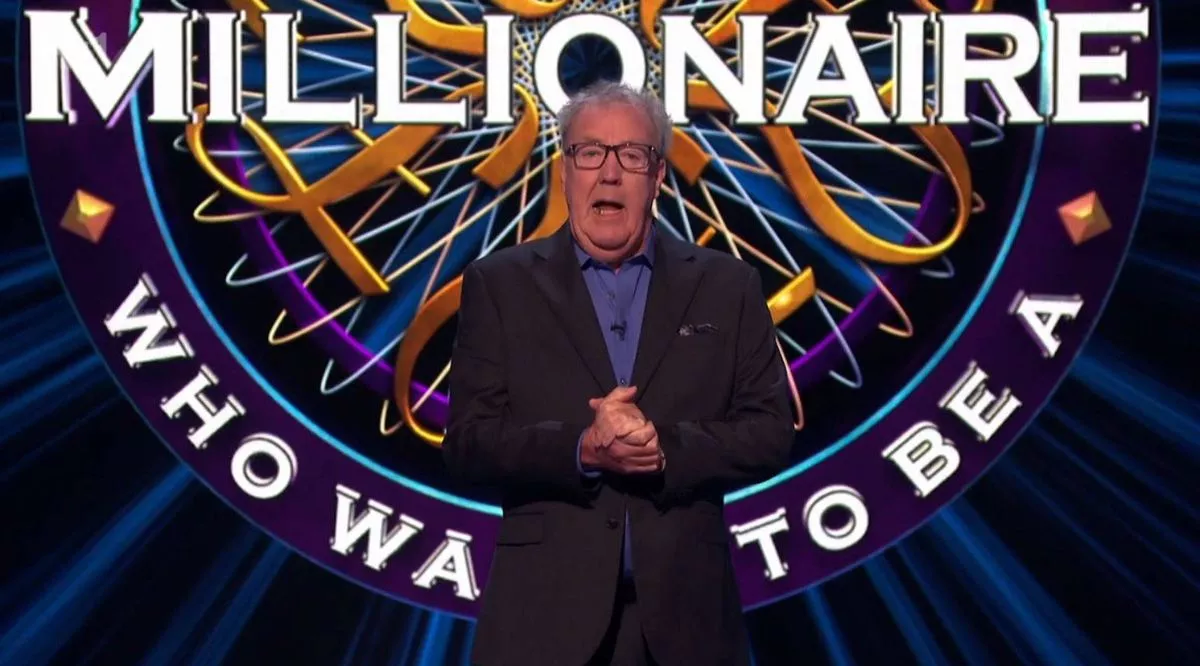
According to a report in The Express, ITV faces growing criticism over the lack of adjustment to the prize money, which, while still a life-changing amount, no longer carries the same financial weight it once did. Deputy showbiz editor Rebecca Jones claims that ITV has been unable to hide the “glaring issue” with the £1 million jackpot.
When Who Wants To Be A Millionaire? first aired in 1998, the £1 million prize was seen as an extraordinary and highly attractive sum. The idea of winning such a large amount of money sparked nationwide excitement, with viewers amazed by the incredible stakes and the pressure that came with each question. But as Jones points out, the value of money has significantly changed over the years, and what was once considered an astounding amount is now less impactful due to inflation.
The Impact of Inflation: £1 Million Then vs. Now
A closer look at inflation data reveals that £1 million in 1998 would now have the purchasing power of approximately £2.5 million. This dramatic change over the past 28 years raises the question: why hasn’t ITV adjusted the prize to reflect this shift? If the prize were increased to £2 million, the show’s title would still remain relevant, keeping the same iconic appeal but offering a prize that more accurately reflects the cost of living and inflation today.
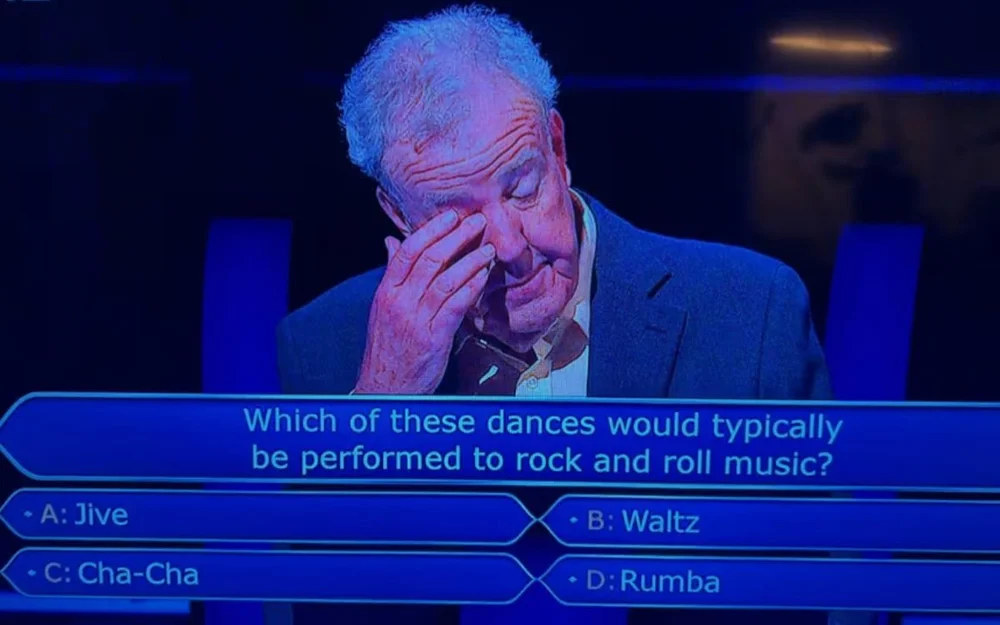
While Who Wants To Be A Millionaire? has evolved over the years, with Clarkson bringing his own brand of humor and gravitas to the role, the prize money is now being seen as an outdated relic of a time when inflation rates were far lower. Contestants today may still walk away with a life-changing amount of money, but it’s not the same as it was in 1998 when £1 million was truly exceptional.
Jones argues that this disparity between the prize money and the economic reality faced by contestants and viewers could cause the show to lose some of its excitement. If ITV wants to keep the game show relevant and engaging for today’s audience, an adjustment to the prize pool may be necessary, not just to reflect the changing value of money, but also to ensure the show maintains its place as one of the UK’s most thrilling and impactful television experiences.
Why ITV Hasn’t Adjusted the Prize
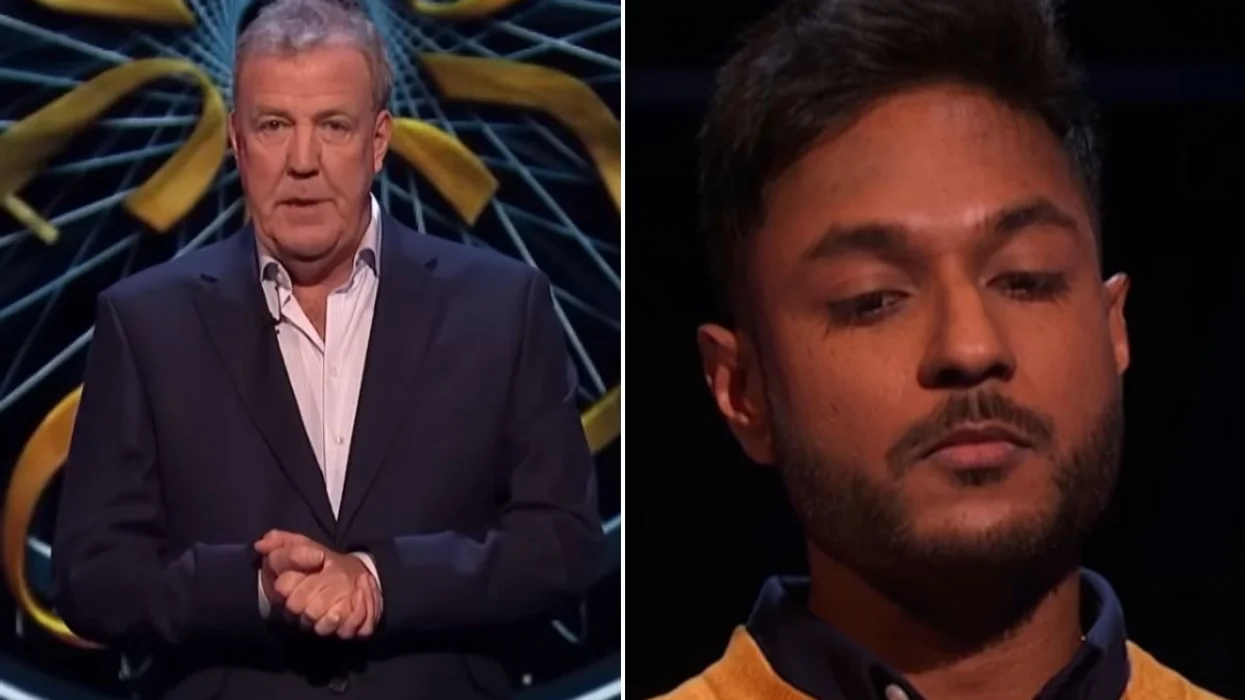
While there’s been no official comment from ITV regarding whether they’ll increase the prize money, the issue raises important questions about the future of Who Wants To Be A Millionaire?. As the show approaches its third decade on air, it’s clear that some changes may be in order to keep it fresh and competitive in an era where the value of money is constantly changing.
ITV may face pressure to address this “glaring issue” in future series of the show, especially as audiences become more aware of how inflation has eroded the value of the prize. In the end, £1 million may still change a contestant’s life, but is it enough to create the same level of excitement it did when the show first aired?
As viewers continue to tune in for high-stakes drama, it remains to be seen whether ITV will take action to modernize the prize money, or if they’ll continue with the £1 million jackpot, despite its diminished impact. One thing is for sure: the show still holds a special place in the hearts of viewers, but the question of whether it can remain as thrilling as it once was will likely continue to loom large.