Oak Island Team Eyes Chappell Vault Breakthrough After New Wood Discovery in the Money Pit

The Curse of Oak Island has returned to one of its most important questions after Rick and Marty Lagina’s team recovered solid wood deep in the Money Pit area, raising hopes that they may have reached the long-lost Chappell Vault.
The discovery came after weeks of drilling in the area most closely associated with the island’s 200-year treasure mystery. Using a split spoon coring tool, the team brought up wood, clay and a hard material that some members believed could resemble the concrete-like covering described in earlier accounts of the Chappell Vault.
For the Lagina brothers and their partners, the find was immediately significant. The Chappell Vault was first reported in 1897, when treasure hunter William Chappell’s drilling operation allegedly struck a large wooden structure at around 153 feet. Historical accounts claimed the vault had thick wooden walls, a hard outer covering and traces of gold on the drill bit.
Since then, searchers have tried and failed to relocate it. That is why the latest coring results created such intense interest inside the Oak Island team.
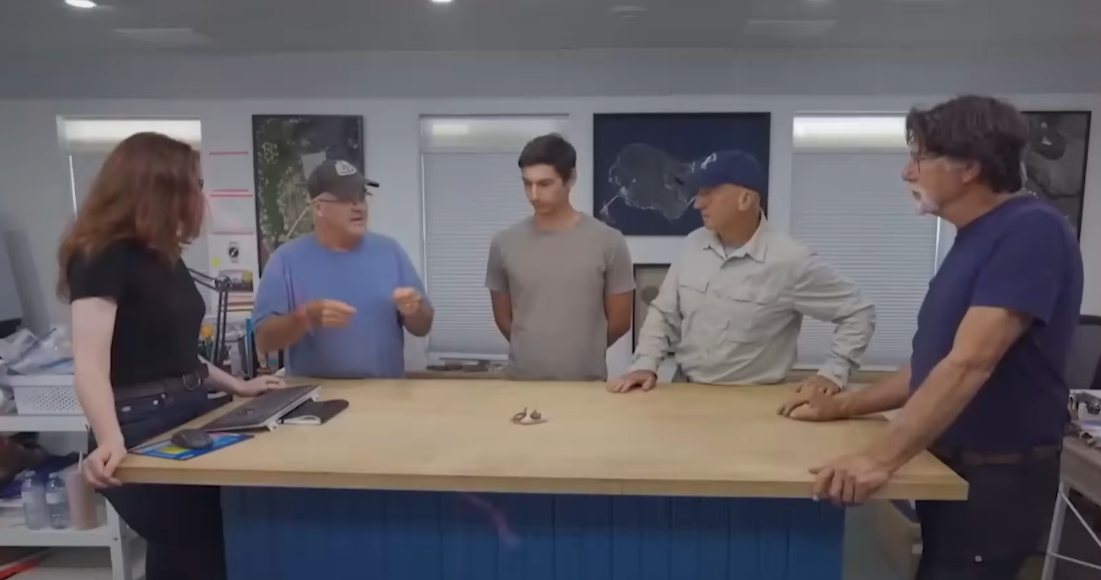
Marty Lagina suggested the drill may have cut into the side or edge of a structure, rather than simply passing through loose debris left by earlier excavations. The team noted that some of the wood appeared vertical and had a machined edge, making it harder to dismiss as random backfill from past searches.
However, the team also faced a difficult decision. Continuing to drill could provide more answers, but it could also damage or collapse whatever structure they may have reached. Dan Blankenship, who spent decades pursuing the island’s secrets, warned that drilling in unstable ground always carried risk.
In the end, the team chose caution. Rather than continue coring directly into the target, they agreed that the next challenge would be to determine how best to investigate the area without losing the evidence they had already found.
The discovery also renewed concerns about the island’s famous flood system. For more than a century, treasure hunters have believed that seawater enters the Money Pit through hidden flood tunnels, making deep excavation extremely difficult. If the team has indeed reached the Chappell Vault, any attempt to access it may require a way to control the water first.
That problem led the team back to one of Oak Island’s oldest investigative tools: the dye test. The plan involves pouring harmless coloured dye into a deep borehole and watching the shoreline to see where the water emerges. If dye appears at specific coastal points, it may help identify the source of the flood tunnels.
The team considered using the newly drilled Money Pit hole for the test, but rejected the idea because of the risk to the suspected vault. Instead, they selected borehole 10X, located around 180 feet from the Money Pit, as the safer option.
While the Money Pit remained the main focus, the episode also expanded the investigation into the island’s symbolic and historical theories.
Swedish researcher Daniel Ronnstam presented the team with his interpretation of the lost 90-foot stone, the mysterious inscribed slab reportedly found in the Money Pit in 1804. Ronnstam argued that the stone may have contained a double cipher and that its message could explain how to stop the flood tunnels, possibly by using corn to block water channels.
The idea drew interest, but also caution. Alex Lagina pointed out that the original 90-foot stone has been missing for around a century, and there are no confirmed photographs or rubbings of its symbols. That means all modern translations depend on copies and historical descriptions rather than direct examination.
To investigate further, Alex Lagina, Charles Barkhouse and Ronnstam visited the Grand Masonic Lodge in Halifax, hoping to find records connected to Jotham McCully, who is believed to have removed the stone from Oak Island in the 19th century. Although they did not locate the stone, they uncovered references to James Pitblado, another figure tied to early Money Pit drilling.
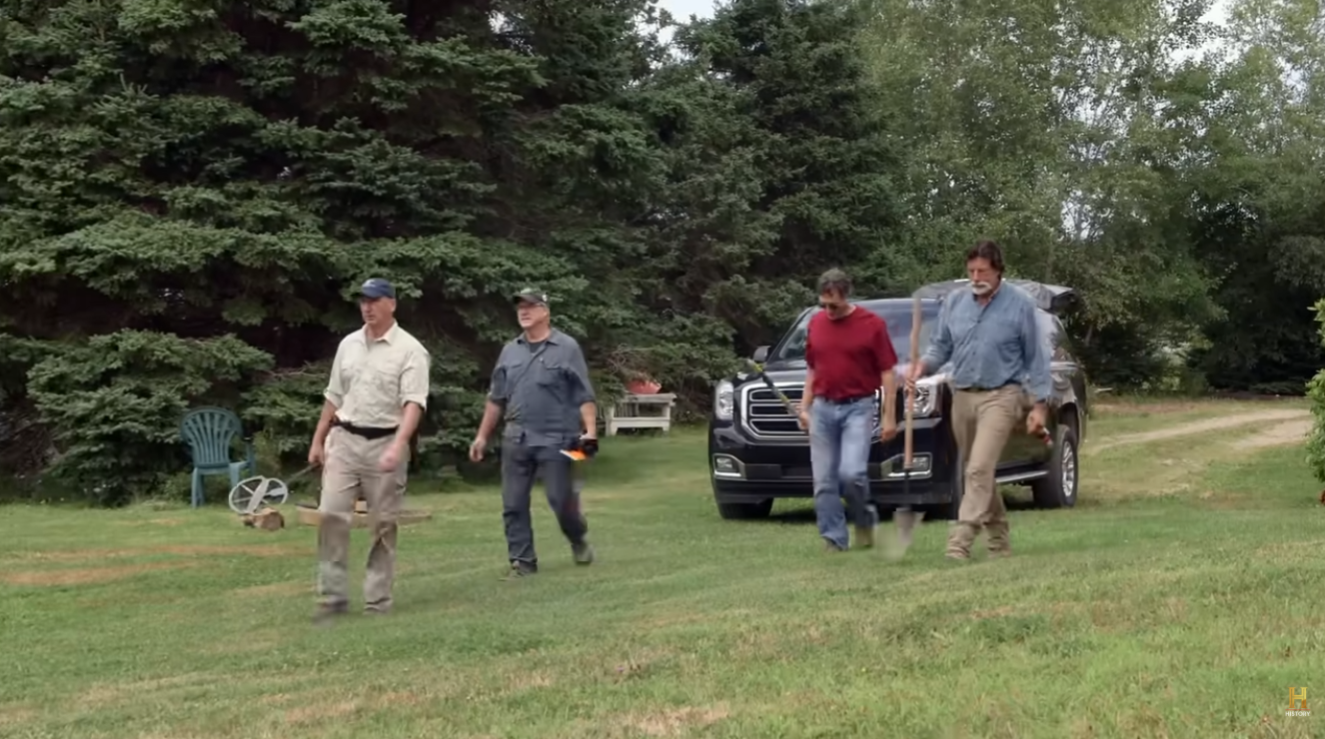
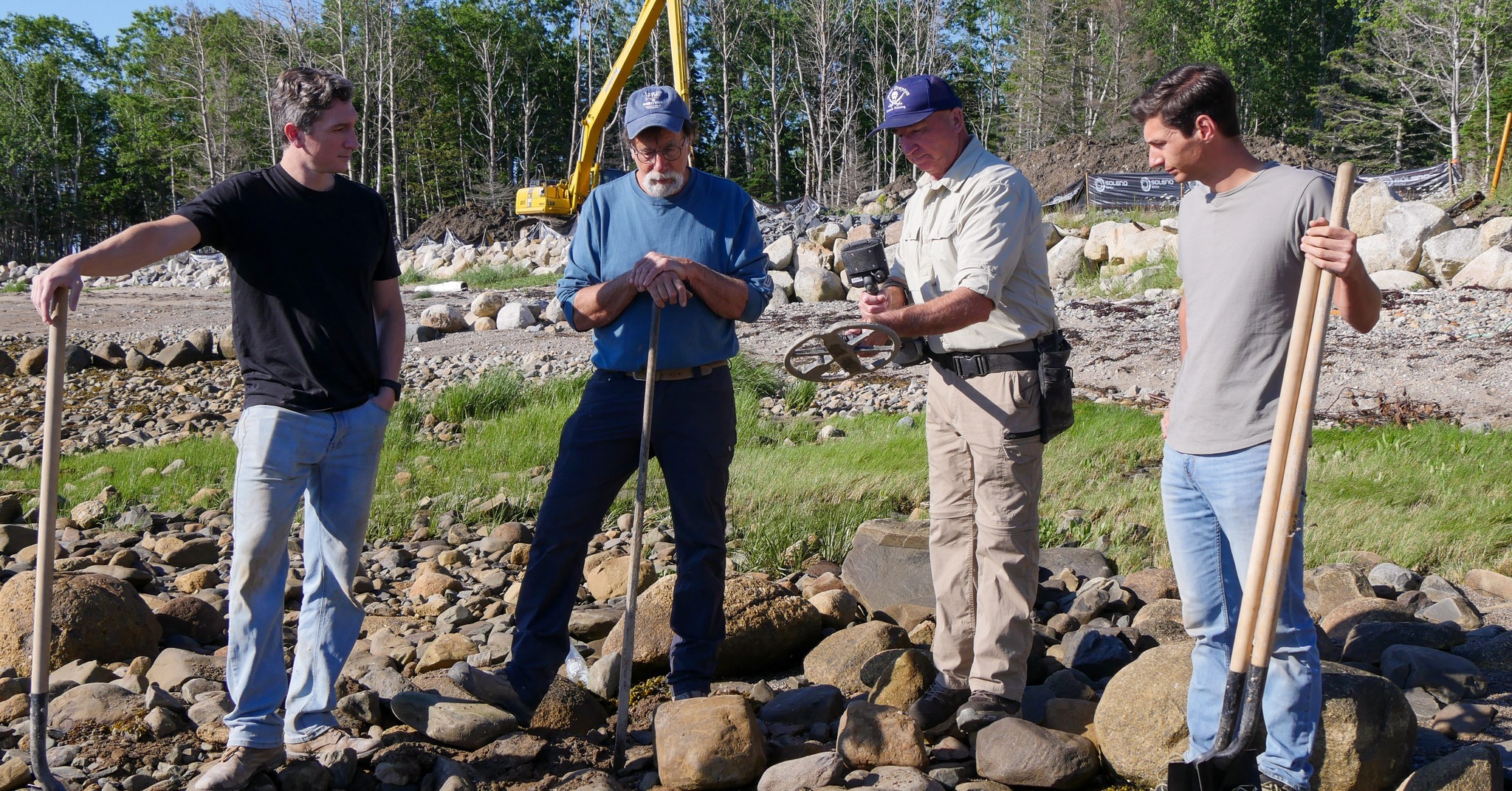
The episode also returned to the island’s triangle-shaped swamp. Ronnstam believes the swamp could contain a hidden vault linked to Rosicrucian or Knights Templar traditions. Rick Lagina and metal detector expert David Spencer examined GPS measurements around the so-called Mercy Point, a location some theorists believe may mark an important underground target.
Dive master Tony Sampson also reported standing on a flat underwater stone-like surface in the swamp, adding to the team’s belief that the area deserves further investigation. Rick argued that the swamp would likely need to be drained again before the team could properly understand what lies beneath the water.
By the end of the episode, the Lagina team had three major paths forward: protect and investigate the possible Chappell Vault, test the flood tunnel system through borehole 10X, and return to the swamp to examine its anomalies more closely.
As often happens on Oak Island, the latest findings did not provide a final answer. But they did strengthen the team’s belief that the Money Pit and swamp may still hold evidence capable of changing the direction of the search.
For Rick and Marty Lagina, the discovery of solid wood deep underground is not the end of the mystery. It is another reason to keep digging, testing and following the clues that have pulled searchers back to Oak Island for more than two centuries.