Traders Leave Clarkson’s Farm-Fest Early as Poor Sales and Stall Complaints Raise Questions Over Event’s Future

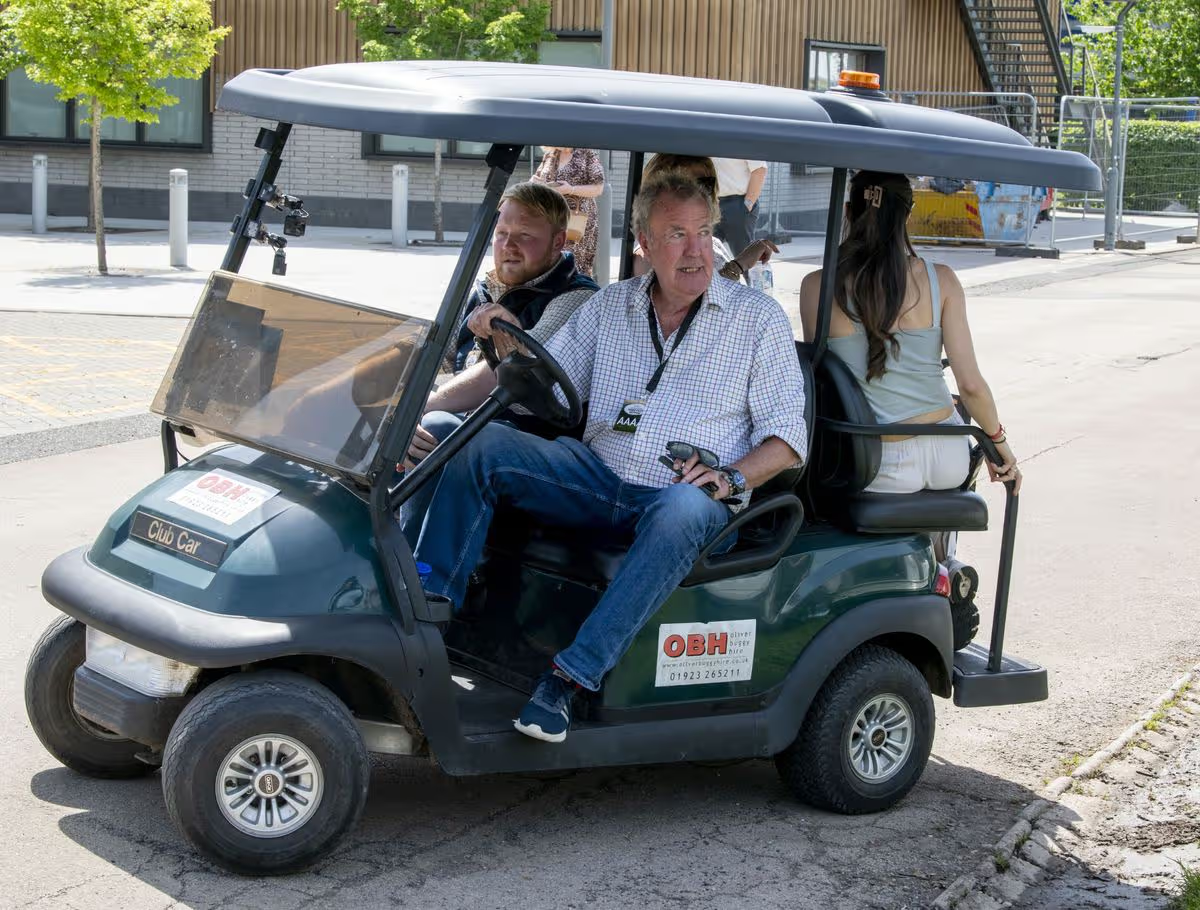
Jeremy Clarkson’s debut Farm-Fest was designed to be a major celebration of British farming, countryside culture and mainstream entertainment. With a high-profile line-up, celebrity appearances and thousands of visitors expected across the weekend, the event was positioned as one of the most ambitious new rural festivals in the UK. But behind the music, crowds and television star power, a number of traders have described a very different experience.
Several stallholders who paid to attend The Great British Farm-Fest said they were left deeply disappointed after poor sales, limited customer interest and logistical problems affected their businesses. Some traders reportedly packed up and left early, claiming the event failed to deliver the commercial opportunity they had expected.
Among the most widely shared accounts was that of pet product seller Korrine Pallas, who said the event had been extremely difficult for her small business. She claimed takings were so low that the trip was not financially worthwhile, with Friday described by some traders as one of the worst trading days they had ever experienced.
Other vendors also raised concerns. Emma, co-founder of Pops and Coco, estimated that many traders either made a loss or barely covered their costs. Saddle fitter Julie Masters claimed her stall had been blocked by a lorry, leaving her unable to trade properly and facing thousands of pounds in losses without receiving a refund.
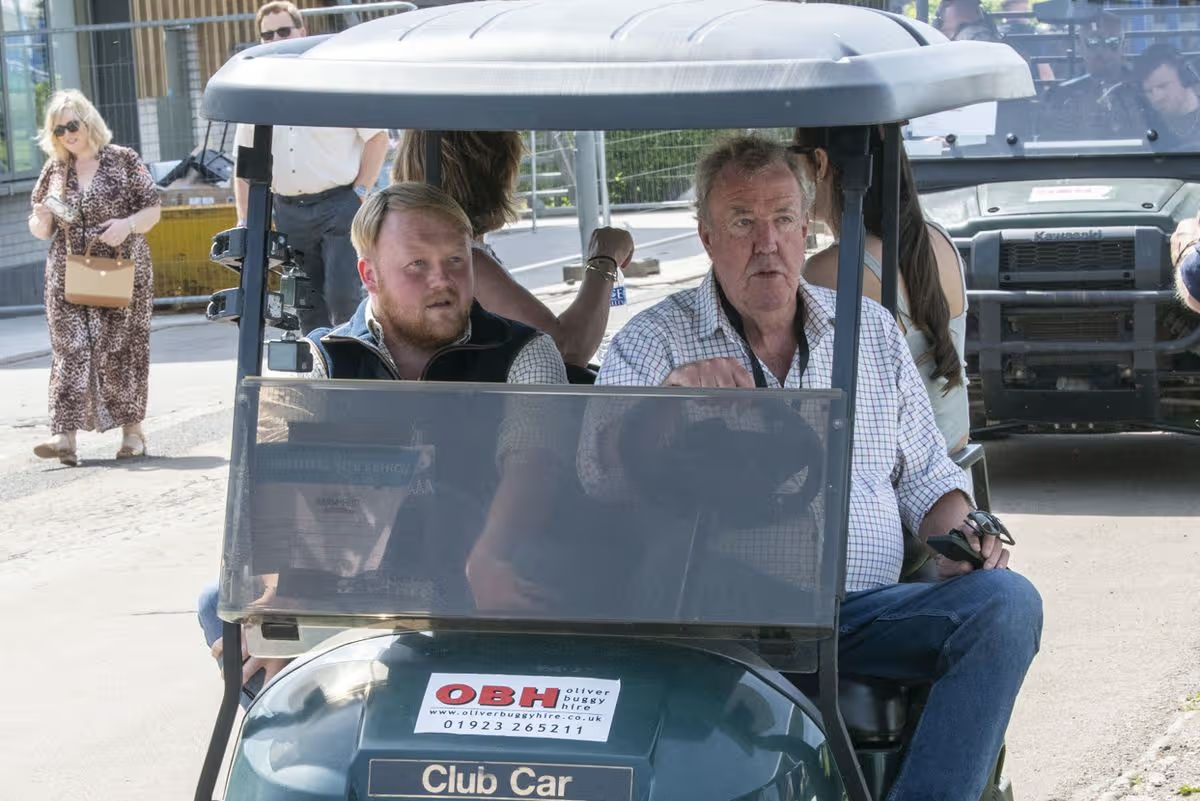
The criticism has created a difficult first-year test for Farm-Fest, which had been promoted as a bold mix of a traditional country fair and a modern music festival. Show director Chris Hughes had suggested the event could become one of Britain’s biggest new festivals, with farming at its heart and entertainment used to draw a wider audience.
However, the gap between the event’s reported visitor numbers and the sales experience described by some traders has now become a central issue. Organisers said more than 50,000 people attended, with around 400 exhibitors taking part. But for small businesses, footfall only matters if visitors are spending money at the stalls. Several traders argued that many attendees seemed more interested in seeing Jeremy Clarkson, Kaleb Cooper and the entertainment line-up than shopping from independent vendors.
That tension may be the biggest challenge facing Farm-Fest going forward. The event’s star appeal clearly helped attract attention, but it may also have changed the kind of crowd that turned up. Instead of a mainly agricultural audience looking to buy farming equipment, rural products or specialist goods, some stallholders felt the festival attracted general Clarkson’s Farm fans who came for the atmosphere, music and celebrity appearances.
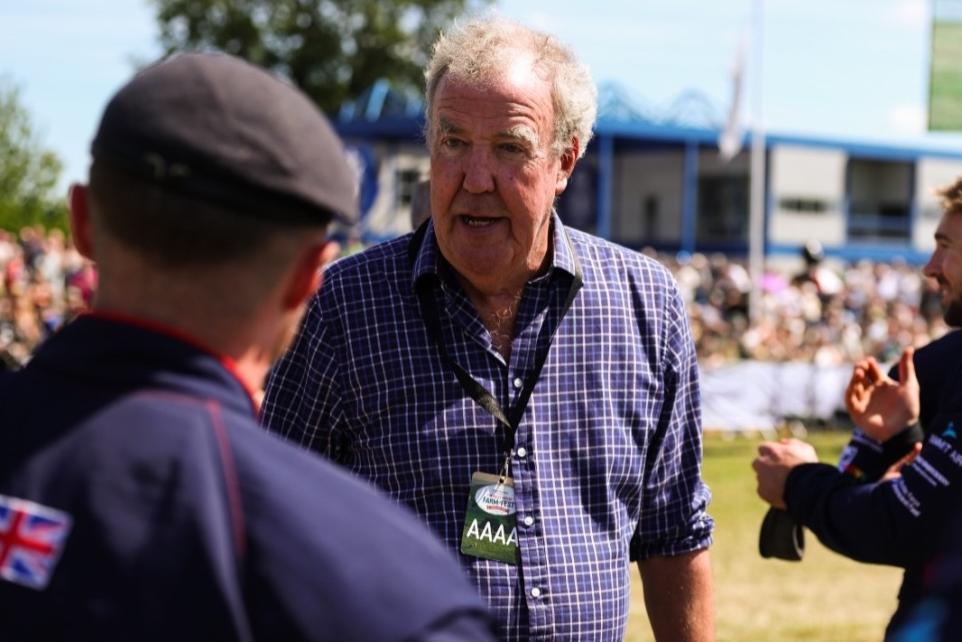
Organisers have defended the event, saying they worked closely with traders during the weekend and were surprised that a small number of exhibitors left within hours of the opening day. They also pointed to the scale of the festival, which included 12 arenas, major music acts, food stalls, farming displays and appearances from well-known figures connected to Clarkson’s Farm and the wider countryside world.
The line-up included Jeremy Clarkson, Kaleb Cooper, Blur bassist Alex James, Sophie Ellis-Bextor, Groove Armada and Chris Moyles. Ticket prices ranged from £35 for half-day entry to £60 for a full-day ticket, placing the event closer to a mainstream festival than a small local agricultural show.
That may explain why reactions have been so divided. For many visitors, Farm-Fest appeared to offer a lively weekend of entertainment, food, live music and familiar faces from television. For some traders, however, the costs of attending, combined with weak sales and alleged organisational issues, turned the weekend into a costly disappointment.
The public criticism now places pressure on Farm-Fest’s future. A first-year event can often face problems, especially one attempting to combine farming, celebrity culture, food, retail and live entertainment on such a large scale. But trader confidence will be crucial if organisers want the festival to return stronger.
If small businesses feel the audience is not right, or that the trading conditions are too uncertain, some may be reluctant to come back. That could weaken the country fair side of the event and leave Farm-Fest leaning more heavily toward celebrity and music.
For Clarkson, whose name and farming brand helped drive much of the attention, the challenge is clear. Farm-Fest may have succeeded in attracting a crowd, but its long-term credibility will depend on whether it can also serve the rural businesses it claims to support.