Clarkson’s Farm Season 5 Reveals the Brutal Truth Behind Jeremy Clarkson’s Farming Empire

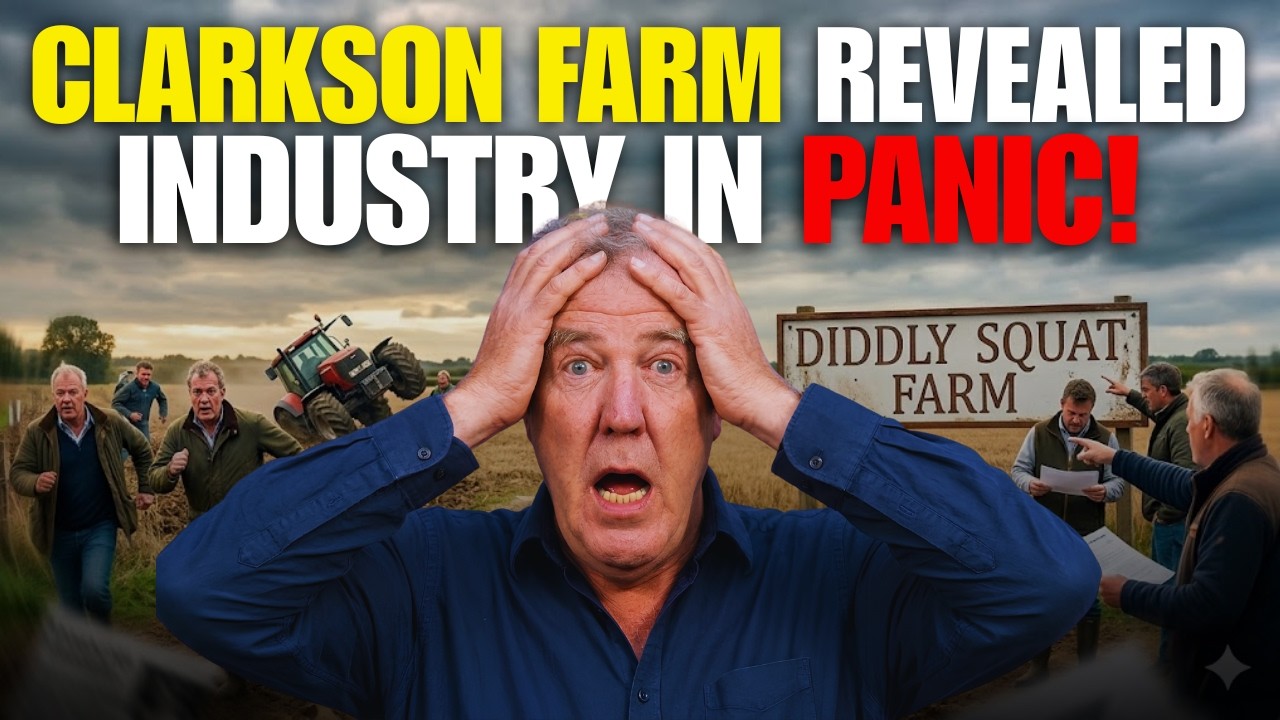
Clarkson’s Farm has returned for its fifth season on Prime Video, but this time the story feels heavier than usual. Beneath the humour, the mud and the familiar arguments between Jeremy Clarkson and Kaleb Cooper, the new series exposes something far more serious: even the most famous farm in Britain is struggling with the same pressures threatening farmers across the country.
The season opens with a major personal shock. Clarkson reveals that his heart had been in serious trouble, with one artery completely blocked and another so badly restricted that his body had begun trying to find another route for blood flow. When he asked how close he had been to a heart attack, the answer was chilling: days, not weeks.
For viewers used to seeing Clarkson shouting at machinery or joking through farm disasters, the moment changes the tone immediately. This is no longer just a celebrity farmer battling bad weather and council rules. It is a man facing his own physical limits while trying to keep a complicated rural empire moving.
The health scare also raises a bigger business question: what happens to Diddly Squat if Clarkson can no longer continue at the same pace?
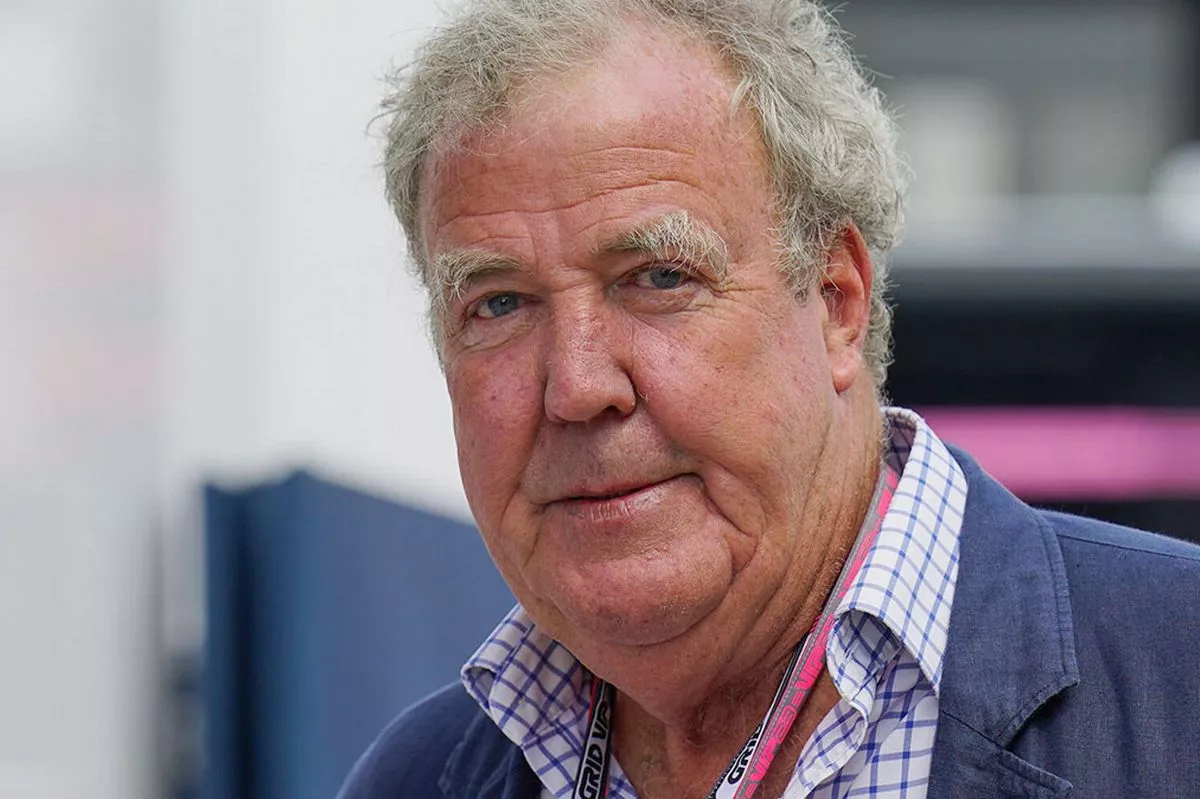
That question matters because season five makes clear that Clarkson’s farming operation is not surviving on farming alone. Clarkson himself has acknowledged that most farms do not have television shows to keep them going. That statement cuts to the heart of the issue. Diddly Squat has advantages almost no other farm can dream of: global fame, an Amazon series, a huge audience, a farm shop, a pub, merchandise and the Hawkstone brand. Yet even with all that, the agricultural side still faces brutal economics.
For ordinary farmers, the implication is obvious. If Clarkson’s farm needs entertainment money to absorb agricultural losses, what chance does a small family farm have without that cushion?
Season five frames this problem against a difficult farming year. Drought, heat and disappointing harvests have placed pressure on arable farms across Britain. Input costs remain high, from fuel and fertiliser to labour and machinery. Meanwhile, the price farmers receive for crops often fails to reflect the true cost of production.
Clarkson’s situation may be unusual because of his fame, but the pressures shown on screen are not unusual at all. Weather windows are narrow. Costs are rising. Margins are thin. One bad harvest can push a farm into real danger.
The series also highlights the vulnerability of livestock farming. Diddly Squat faced a bovine tuberculosis lockdown, a devastating situation familiar to many cattle farmers. When bovine TB is confirmed, movement restrictions can freeze a farm’s entire livestock operation. Animals cannot be moved freely, sales are disrupted and infected cattle face culling.
For Clarkson, the blow was serious. For many smaller farms, the same disease can be financially ruinous. The fact that bovine TB reached Diddly Squat proves that no farm, however famous, is protected from the harsh realities of agriculture.
Another major theme in season five is technology. Clarkson becomes interested in driverless tractors and precision farming, while Kaleb Cooper is sent to the Netherlands to see advanced agricultural systems in action. What he finds is a glimpse of farming’s future: robot tractors, laser scanning, soil data and automated decision-making.
The technology is impressive, but it also raises difficult questions. A robot tractor can cost hundreds of thousands of pounds. The software, scanning equipment and expertise needed to operate such systems add even more expense. Large farms may be able to invest, but many smaller family farms cannot.
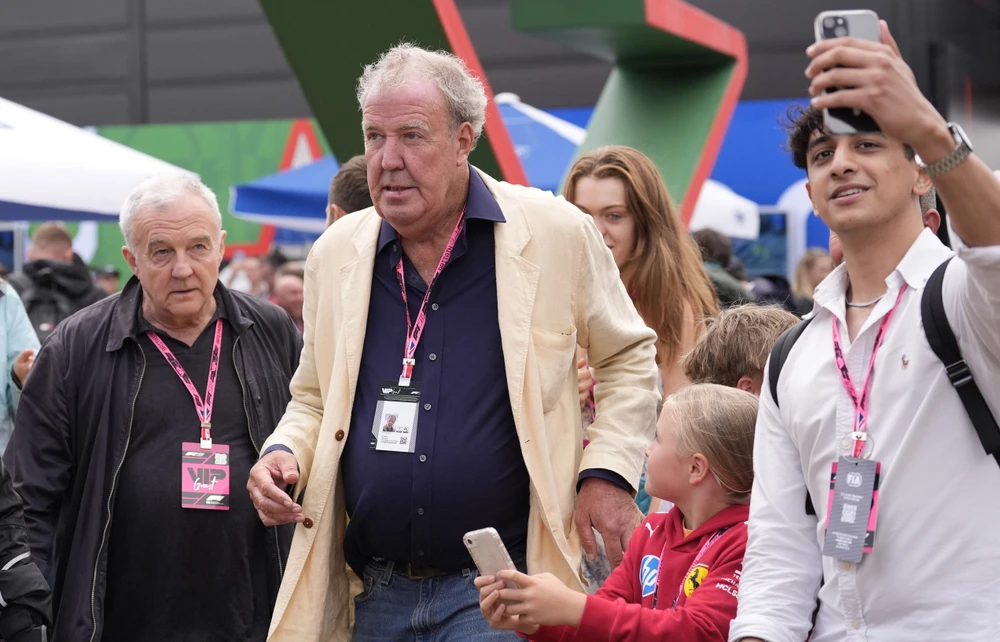
That creates a new divide in British farming. The future may belong to high-tech operations with enough capital to modernise, while traditional farms risk falling further behind. The same technology that promises efficiency could also reduce the need for skilled farm labour.
That is why Kaleb’s role remains so important. He represents the working knowledge of the land — the practical skills learned through years of experience, not through software. Season five shows the tension between that human expertise and a future increasingly shaped by machines.
One of the most striking moments comes when Kaleb’s partner goes into labour while he is still working in the field. Rather than leaving immediately, he finishes the task before heading to the hospital. It is a small moment, but it says a great deal about farming culture. The weather does not wait. Crops do not wait. The job often comes before everything else.
For many farmers, that scene will feel painfully familiar.
The Farmer’s Dog pub also becomes a key part of the new season. Opened as another way to support the wider Clarkson empire, the pub brings its own problems: staff, supply chains, winter trading, licensing, festive demand and customer pressure. It may generate major attention and strong sales, especially through Hawkstone beer, but it is far from simple.
This is one of the clearest lessons of Clarkson’s Farm. Diversification can help farms survive, but it does not remove pressure. A pub, shop, event venue or merchandise business can create new income, but each one also creates new costs, risks and responsibilities.
Diddly Squat is now more than a farm. It is a media brand, a retail operation, a hospitality business and a symbol of rural Britain. Yet season five shows that even this empire is not immune to the basic problems of farming: disease, weather, labour, health, regulation and money.
That is what makes the new season so powerful. It is not just showing Clarkson struggling. It is showing that the system itself is under strain.
The most famous farm in Britain has cameras, customers and commercial deals. Most farms do not. They face the same weather, the same costs and the same disease risks, but without the television income or global audience to soften the blow.
Clarkson’s Farm season five may be entertaining, but its message is serious. British farming is not simply a picturesque way of life. It is a difficult business where survival often depends on factors far beyond a farmer’s control.
Jeremy Clarkson may still be the loudest voice in the field, but this season suggests he is also saying something many farmers have known for years: farming alone is becoming harder and harder to make pay.