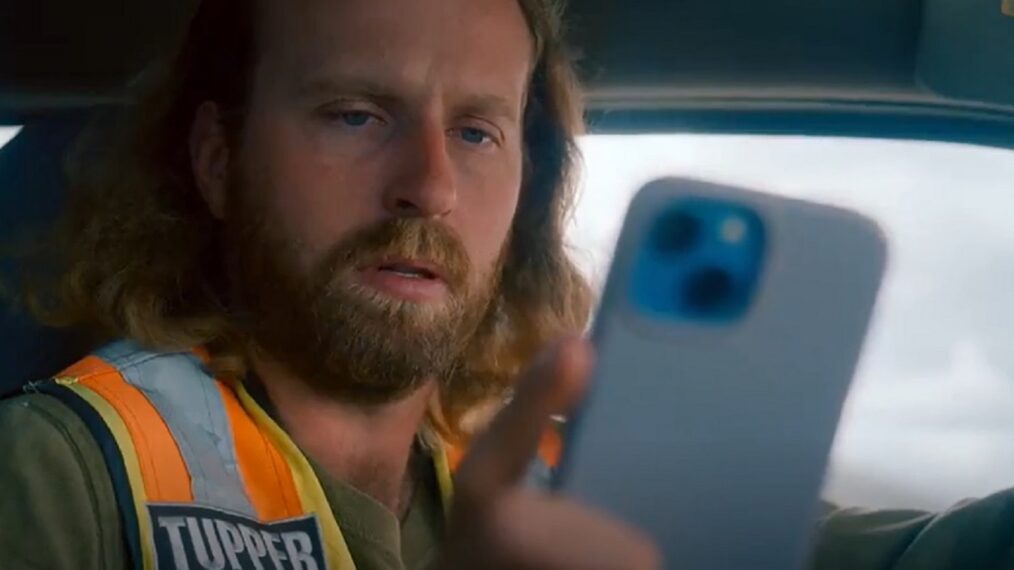
In 16 seasons of Gold Rush, viewers have grown accustomed to the show’s signature brand of tension — burst pipes, collapsing cut walls, and bosses screaming over missed gold targets. But in Season 16, the series delivered something rarer and harder to watch: a foreman standing in the middle of a chaotic work week, fighting back tears over a phone call from a man he has known since he was a teenager. It was not a fight about money, or gold, or job security. It was a moment of grief breaking through the mud and machinery — and it became one of the most quietly powerful storylines of the entire season.
The Man Behind the Foreman
To appreciate what Tyson Lee went through in Episode 20, you first need to understand who he is and how far he has come. Tyson Lee joined Parker Schnabel’s crew back in Season 6 (2015) as a rock truck driver — an entry-level position on a gold mine that carries roughly the same prestige as being the last person picked for a team. He was a young man from West Vancouver, British Columbia, who ended up in the Yukon through an unlikely connection: a high school custodian who knew someone with a gold mine. A decade later, Tyson has risen to become one of Parker’s most trusted foremen, overseeing multiple wash plants at the Golden Mile and the Bridge Cut, and managing a crew that Parker holds to an unforgiving 10,000-ounce standard.
In Season 16, Parker gave Tyson even more authority — and more pressure. Early in the season, Parker instructed him directly: “Don’t be afraid to tell people to take a walk,” tasking Tyson with identifying and firing the weakest operator on the crew. That kind of order sits heavily on a man who came up through the ranks himself. Tyson knows what it feels like to be new, unsure, and desperate to prove yourself. Being the one to end someone else’s season is a different burden altogether.
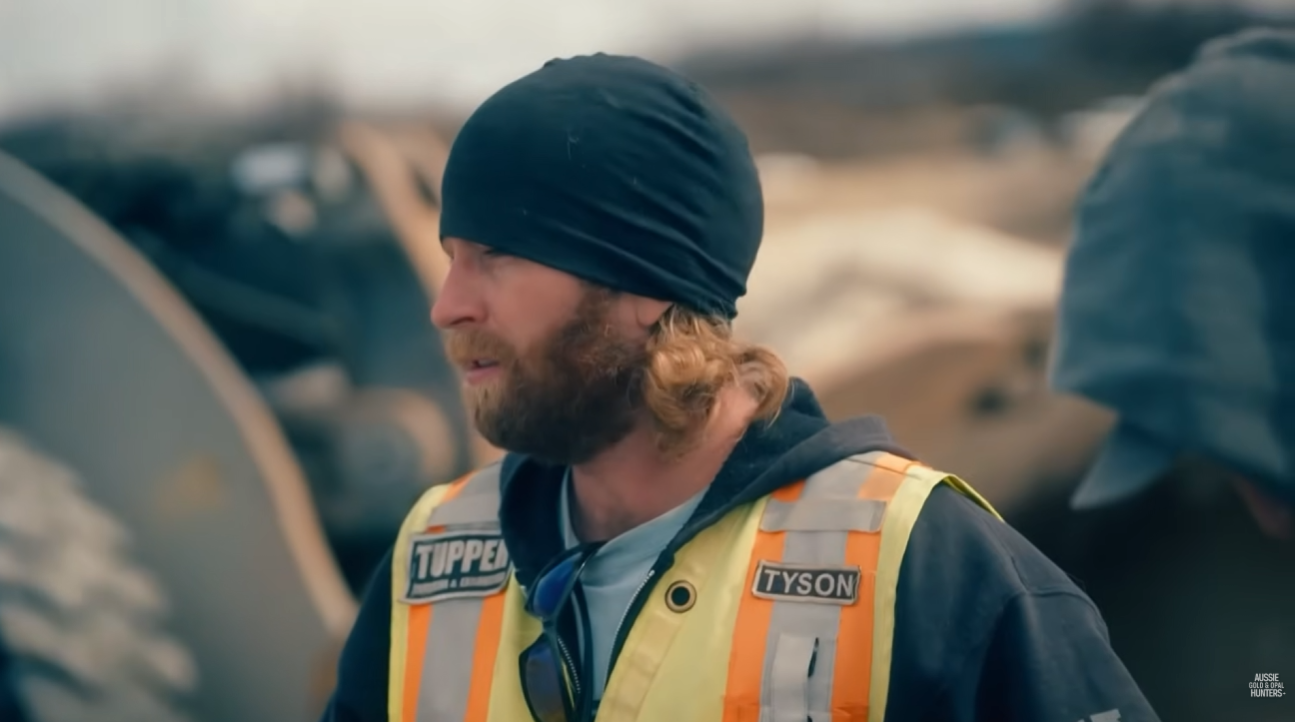
By mid-season, Tyson was managing four wash plants simultaneously — GG, Big Red, Sluicifer, and Bob — across two active sites, coordinating diggers, loaders, and truck drivers in conditions that were growing colder by the week. The pressure was relentless. And then, on top of all of it, came the news about Mike Tupper.
The Mentor Who Shaped Him
Mike Tupper is not a name that appears in Gold Rush headlines very often. He is a former crew member, a man who worked alongside Tyson during earlier seasons and quietly became one of the most important people in the younger man’s professional life. Tyson has described Mike as his “secret weapon” — the person he would call when things went sideways on the mine, when equipment failed at the worst possible moment, or when the pressure from Parker felt like too much to carry alone.
That kind of relationship — a mentor who is always at the end of the phone, steady and experienced and willing to talk you through the hard parts — is something every person in a demanding job relies on, whether they say so out loud or not. For Tyson, Mike Tupper was that anchor. And in Season 16, that anchor was suddenly in danger of breaking loose.
Mike had been diagnosed with leukemia. He was undergoing chemotherapy. The man Tyson had known since he was thirteen years old — the man he turned to in his hardest professional moments — was now fighting a battle that had nothing to do with gold.
The Week Everything Collided
The timing, as it so often is with real life, could not have been worse. Episode 20, titled “Musical Wash Plants,” aired on April 10, 2026, and placed Tyson at the center of one of the most logistically demanding weeks of the entire season. The wash plant known as Bob had developed structural cracks in its screen deck — a serious mechanical failure that threatened to take one of Parker’s key production units offline during the final, critical push toward 10,000 ounces.
Parker’s response was immediate and unambiguous: “I want Bob back in the pit by the end of the week.” That single demand triggered a cascade of complexity. With the replacement screen deck located 1,800 miles away on Vancouver Island, Tyson was suddenly responsible for coordinating four separate equipment moves in a single week — all in deteriorating weather, with production targets hanging over every decision. He called it a “dangerous game,” and he was not wrong.
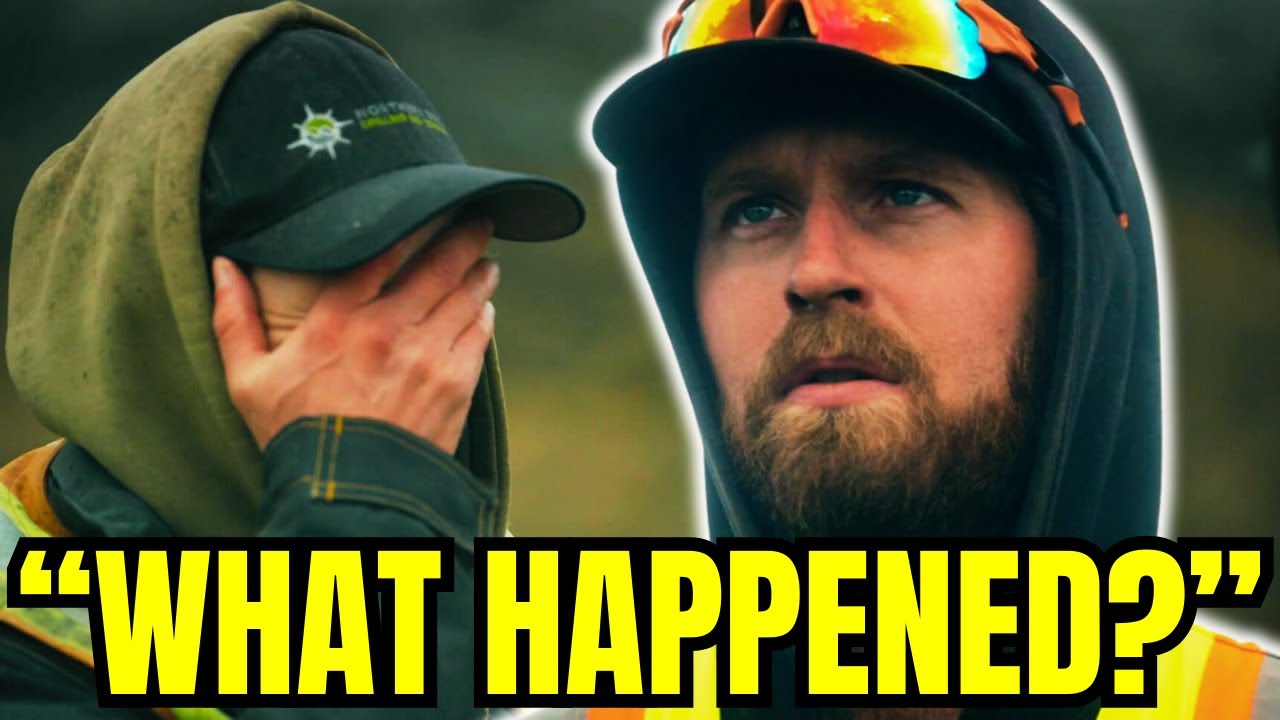
In the middle of all of this, Tyson broke. Not loudly — not in the way Gold Rush usually stages its dramatic moments. He simply opened up, on camera, about Mike. About what the leukemia diagnosis meant. About how he would normally reach for the phone in a week like this and call the one man who always knew what to say. The emotion was visible and unguarded. Tyson has known Mike Tupper since he was thirteen years old. That is not a professional relationship. That is closer to family.
Conflict Without a Villain
What makes this storyline so resonant — and what sets it apart from the more straightforward crew dramas of Season 16 — is the particular nature of its conflict. There is no villain here. Parker is not being unreasonable by demanding the wash plant be fixed quickly; the season’s final weeks are genuinely critical, and any lost production day costs tens of thousands of dollars. Tyson is not being unprofessional by feeling the weight of his mentor’s illness; he is being human.
The conflict is internal, and that makes it harder to resolve than any argument between two men on a mining claim. Tyson was caught between the demands of a high-pressure job and the emotional reality of watching someone he loves face a serious illness — while being thousands of miles away in the Yukon, unable to do anything about it. That is a tension that does not get fixed with a weigh-in result or a management decision.
Strength in Return
What happened next said something important about both men. Tyson picked up the phone and called Mike anyway — not to lean on him as a mentor this time, but simply to check in on a friend. And Mike Tupper, sick and in the middle of chemotherapy, responded with exactly the kind of steadiness that had made him Tyson’s anchor in the first place. He motivated Tyson to push forward. He also used his own contacts and resources to help expedite the screen deck shipment from Vancouver Island, getting the critical part moving faster than it otherwise would have.
The wash plant was repaired. Bob went back into the pit. The week’s production numbers came in. The crisis, at least the logistical one, was resolved.
But what lingered — for viewers and presumably for Tyson himself — was the more complicated truth underneath. Gold Rush is a show about men and machines tearing gold from frozen ground. What Season 16 kept finding, in story after story, was the human cost running just beneath the surface of all of it. In Tyson Lee’s case, that cost had a name: Mike Tupper. And the week those two things — the demands of the mine and the fragility of the people who matter most — collided at the same time was one of the most honest moments the show has produced in years.