Oak Island Discovery: Gary Drayton Unearths 16th-Century Scissors After Centuries Underground

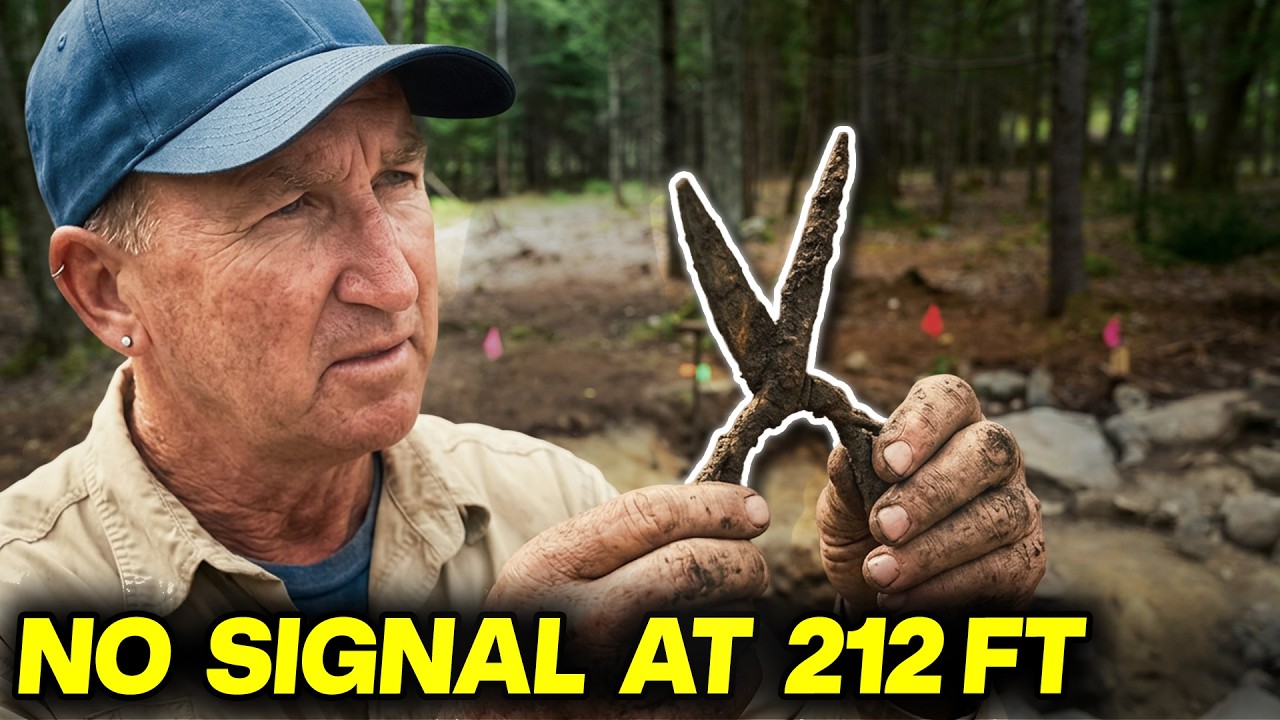
Season 13 of The Curse of Oak Island has revealed a remarkable window into the island’s past, with veteran metal detectorist Gary Drayton uncovering a trail of colonial-era artifacts while simultaneously highlighting the deep mysteries that continue to elude even the most experienced treasure hunters. While no traditional treasure surfaced, the discoveries offer unprecedented insight into the island as a working site rather than a simple legend.
Drayton’s work this season focused on carefully surveying both surface and subsurface layers across historically significant zones. Among his finds were 16th- and 17th-century tools, cribbing spikes used for underground construction, chisels, British scissors heavily saturated with saltwater, pineal hinges for gates, and ox shoes—evidence of draft animals employed for heavy labor. Perhaps most telling was a folded copper coin, likely a talisman carried to ward against misfortune, which gives a human dimension to the hazardous work carried out centuries ago. Together, these artifacts point to organized underground activity, revealing that Oak Island was not simply a settlement, but an industrial site with serious engineering undertakings.
The story of Drayton himself is inseparable from the season’s discoveries. Born in Grimby, Lincolnshire, in 1961, Drayton began his career hunting bottles and coins in riverbanks and Victorian trash pits. Over decades, he refined an exceptional ability to read soil, distinguish metal signals, and separate true finds from false positives. On Oak Island, this meticulous methodology has produced some of the most important surface finds in the show’s history, earning him the team’s unwavering trust. His daughter Katya joins him this season, adding a generational layer to the ongoing exploration and signaling the continuity of expertise in one of television’s most enduring treasure hunts.
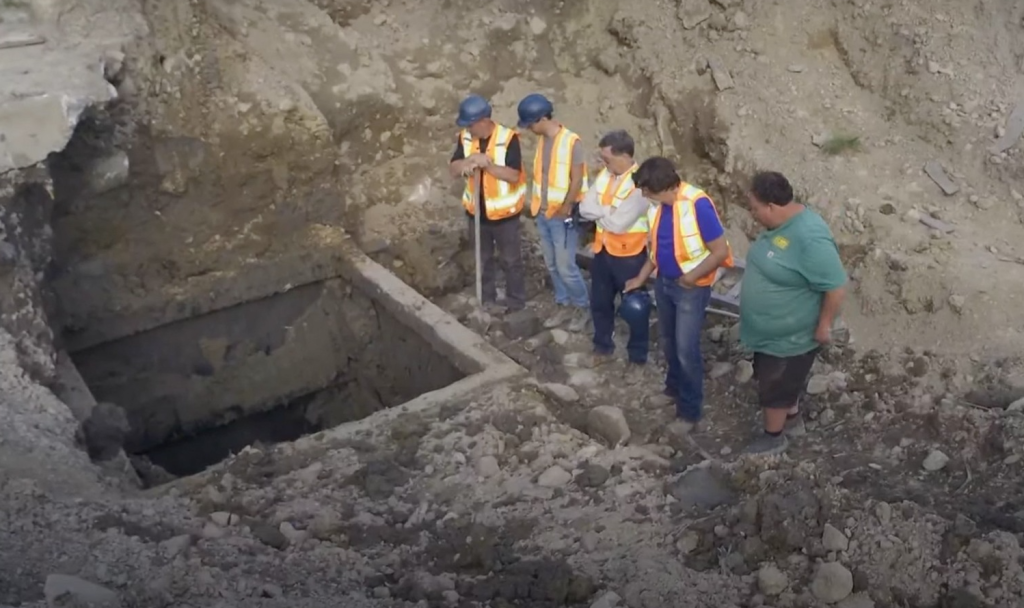
Yet perhaps the most striking revelation of season 13 is what Drayton did not find. At depths approaching 200 feet, where machinery had excavated layers long undisturbed since colonial times, the detector returned nothing. This profound silence suggests that whatever lies beneath, if anything, may not be metallic, or it may exist beyond the coordinates reached so far. It underscores both the limitations of even advanced detection technology and the enduring challenge of Oak Island: a puzzle where absence of evidence is as informative as discovery.
Collectively, the season paints a portrait of Oak Island as a site of sophisticated labor, maritime influence, and human caution. Tools exposed to saltwater indicate interaction with tidal or underground water systems. Draft animal shoes reflect heavy industrial activity, and personal charms hint at the perceived dangers of working underground. While treasure remains elusive, the artifacts illustrate a consistent timeline of activity, roughly spanning the 1600s to the 1700s, that frames the island as a hub of organized construction rather than casual settlement.

As the show continues, the combination of surface recoveries and deep silence will inform future strategies. Marty Lagina and the team are making the largest investments in the island’s history, relying on both historical evidence and the physical record Drayton has mapped to guide expensive drilling and excavation. Season 13 thus offers viewers not only a chronicle of discovery but also a rare glimpse into the analytical rigor that sustains a two-century-long search.
Oak Island remains a site of fascination precisely because its story resists closure. This season reminds audiences that the legend endures not in the objects found, but in the meticulous human effort that uncovers the island’s operational past, layer by layer, mystery by mystery.