From Petrolhead to Pig Farmer: Jeremy Clarkson’s Chaotic Crusade to Save British Farming

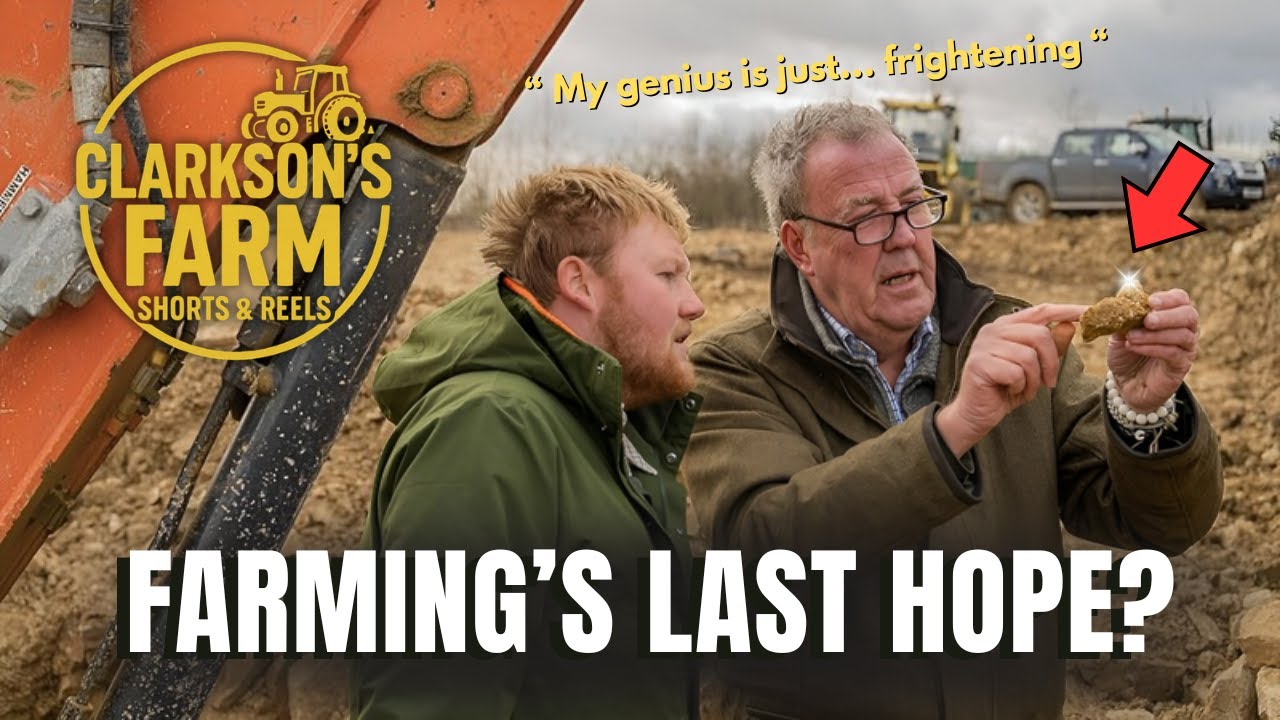
Once famous for roaring engines and environmental jabs, Jeremy Clarkson has taken a very unexpected detour — straight into the muddy, bureaucratic trenches of British agriculture. And four seasons into Clarkson’s Farm, it’s become increasingly difficult to call it a joke.
Back in 2008, during the financial crash, Clarkson bought 1,000 acres of picturesque Cotswolds countryside — Curdle Hill Farm — for £4.25 million. At first, it was nothing more than an asset; land is, after all, “the only thing they’re not making more of,” as Clarkson puts it. But in 2019, with his longtime tenant farmer retiring and a global pandemic rolling in, the Grand Tour host made a decision few saw coming: he would farm the land himself.
And so, Diddly Squat Farm was born — a name that perfectly summed up its initial productivity.
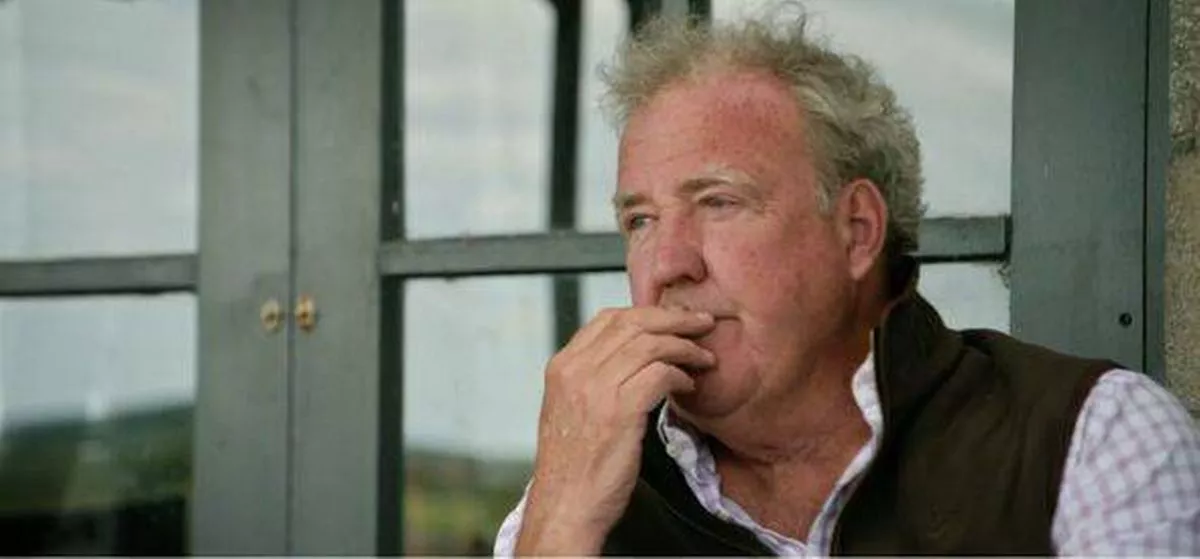
From Sheep to Mushrooms: A Comedy of Errors and Occasional Wins
Season 1 introduced viewers to the chaos of Clarkson’s crash course in farming: sheep that escaped, a Lamborghini tractor that didn’t fit in the barn, and plenty of eye-rolls from sidekick Caleb Cooper. But by Season 4, the stakes — and the absurdity — had multiplied.
Clarkson dove headfirst into pig farming, an effort initially marked by hope and optimism. But tragedy struck fast: sows, in their restlessness, began accidentally crushing their own piglets during the night. “It was devastating,” Clarkson admitted. His solution? A homemade contraption dubbed the pig ring, designed to keep the young safe. Crude, improvised — but surprisingly effective.
Next came mushrooms. In a rare moment of agricultural triumph, Clarkson transformed a dark basement into a productive mushroom farm, growing oyster and lion’s mane varieties. With help from expert Harry, the mushrooms became a consistent seller — fresh to restaurants and powdered for the farm shop.
But success remains elusive. Feed prices are soaring, crop failures are common, and bureaucracy is strangling innovation at every turn.
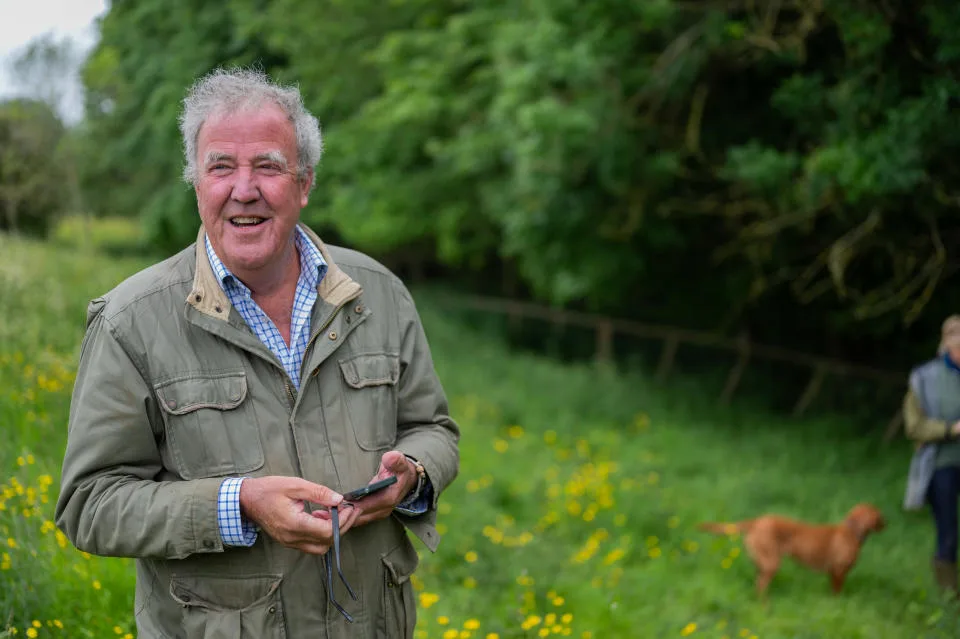
Council Wars and Exploding Cider Bottles
Perhaps the most gripping drama of Season 4 wasn’t in the fields — but in the halls of local government. Clarkson’s clashes with the West Oxfordshire District Council have become a central theme, as the farm battles endless red tape.
Despite earlier wins, such as getting approval for a café and car park, Clarkson’s farm shop is now labeled an “entertainment venue” — triggering a whole new storm of regulatory hoops. From signage restrictions to grain storage blockades, the Council’s opposition has been relentless.
Then came Hawkstone Cider. Launched to capitalize on the booming craft drink market, the cider business took off — before quite literally blowing up. Fermentation continued inside the bottles, turning them into pressurized grenades. A public warning followed: open your cider under water.
A Tax Dodge, or Something Deeper?
Skeptics claim Clarkson’s Farm is little more than a vanity project — a flashy inheritance tax shield parading as entertainment. But those who’ve followed the show closely see something more sincere.
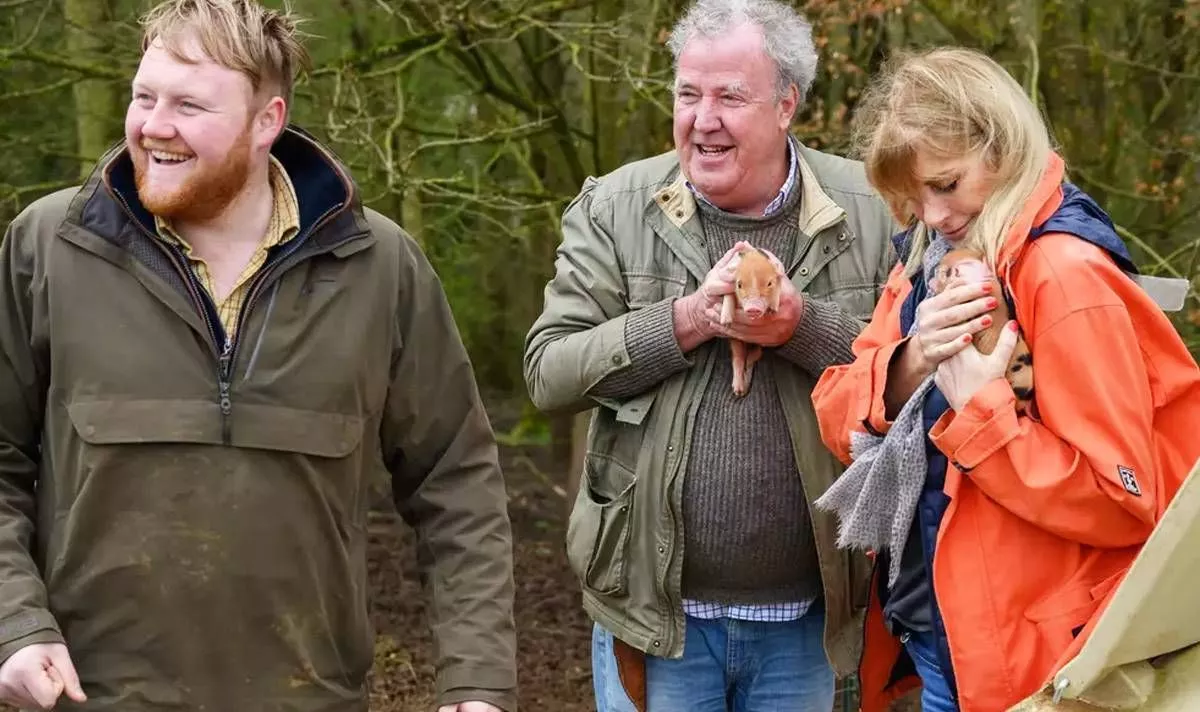
Financial advisor Charlie Ireland serves as Clarkson’s no-nonsense reality check. Caleb, the young tractor driver with unfiltered opinions and a heart rooted in the land, provides the emotional backbone. And then there’s Gerald — whose words are hard to catch, but whose passion for farming is unmistakable.
Together, they’ve created something authentic. Clarkson may be the face, but the farming is real — and so are the challenges.
The Bottom Line: Farming Is Broken
Despite recording a technical profit of £725,000, Clarkson reveals that every penny goes right back into the land: seed, fertilizer, machinery, and repairs. Rising costs — driven by the war in Ukraine, inflation, and supply chain issues — mean that even success can feel like failure.
At one point, Clarkson even contemplates selling the farm.
“I have none of the things you need to be a farmer. But I want to do it,” he confesses.
Looking Ahead: More Chaos, More Truth
What’s next for Diddly Squat? Likely more confusion, more pushback from the council, and more absurd ventures into new crops or creatures. But also, more honest portrayals of an industry under siege.
Clarkson’s Farm has grown into something bigger than its famous host. It’s a window into British farming — flawed, funny, frustrating, but full of heart.
And in a world where so many don’t know where their food comes from, that’s no small thing.