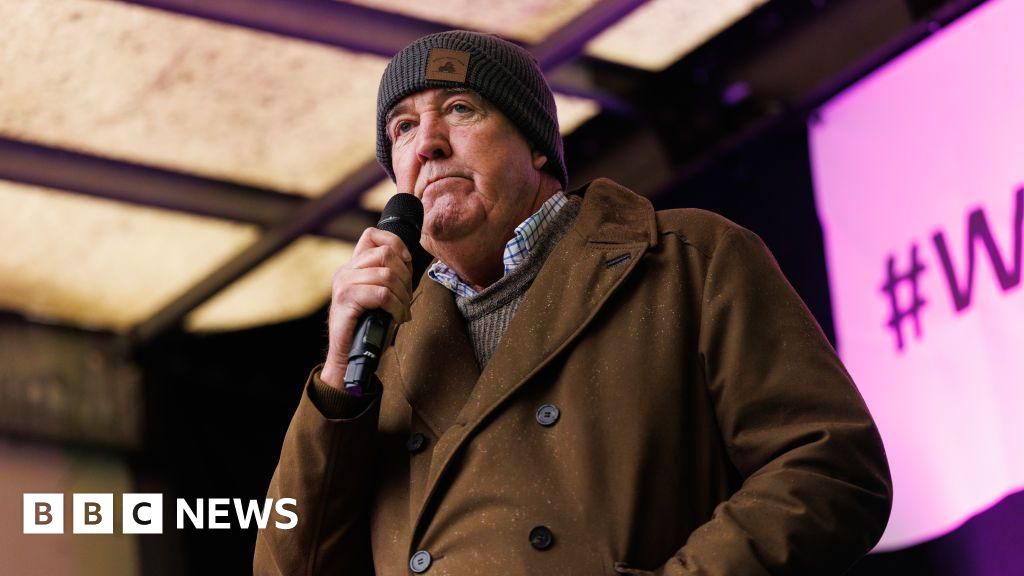
Clarkson’s Farm may remain one of Amazon Prime Video’s most warmly received series, but one of the people behind the programme has made clear that its future will depend on knowing when to stop.
Producer Andy Wilman, Jeremy Clarkson’s long-time collaborator, has suggested the hit farming documentary should not be allowed to continue beyond its natural lifespan, warning that any show can lose its appeal if it stays on screen for too long. His comments come as anticipation builds for the fifth series of Clarkson’s Farm, which is expected to arrive next month, with viewers still strongly invested in life at Diddly Squat.
The series first launched in 2021 and quickly became far more than just a television project about farming. Set at Clarkson’s Diddly Squat Farm in Chadlington, on the Oxfordshire border, the show followed the former Top Gear and The Grand Tour presenter as he attempted to navigate the often unforgiving realities of British agriculture. What began as a fish-out-of-water story soon developed into one of the most successful and talked-about factual entertainment formats on television.
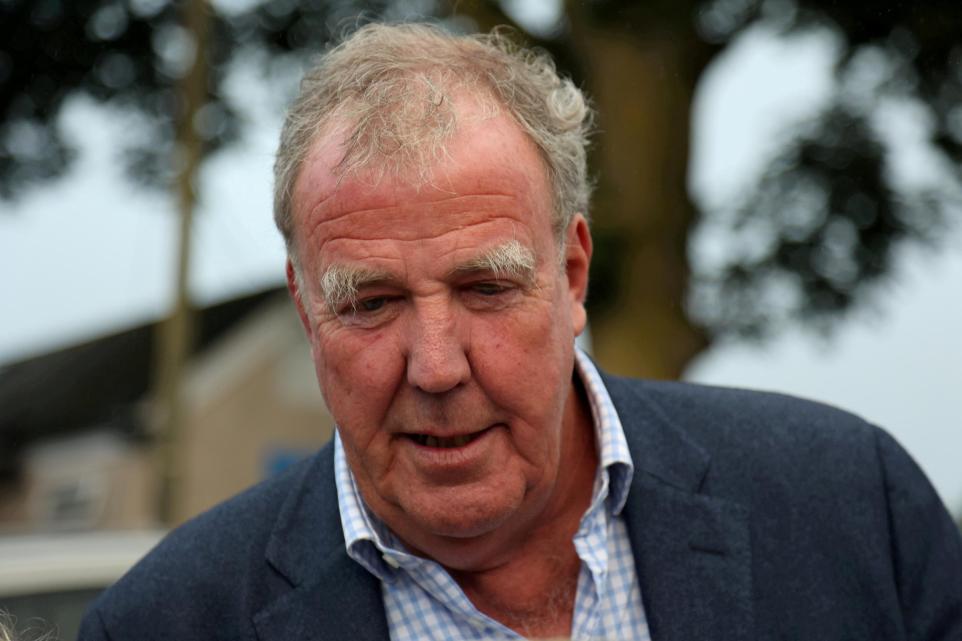
Across its first four series, Clarkson’s Farm has built a loyal following by mixing humour, frustration and genuine insight into rural life. Viewers have watched Jeremy Clarkson confront everything from crop failures and planning disputes to livestock problems, weather setbacks and business headaches. Alongside him, familiar figures including farm manager Kaleb Cooper and Clarkson’s partner Lisa Hogan have become central to the show’s appeal, helping turn Diddly Squat into a television setting recognised far beyond farming circles.
The most recent series also widened the story further by bringing Clarkson’s pub venture into focus. His purchase of The Windmill in Asthall, later reopened as The Farmer’s Dog in 2024, became another major part of the narrative, adding a fresh chapter to the wider Diddly Squat story. That expansion helped demonstrate why the programme has remained popular: it is not just about one farm, but about Clarkson’s increasingly ambitious attempts to build a business empire around rural life.
Yet despite that success, Wilman has indicated that the team is wary of allowing the programme to overstay its welcome. Speaking about the future of the series, he stressed that Clarkson’s Farm ultimately belongs to Jeremy Clarkson himself, and that any decision to continue would depend on whether Clarkson still feels there is a worthwhile story left to tell.
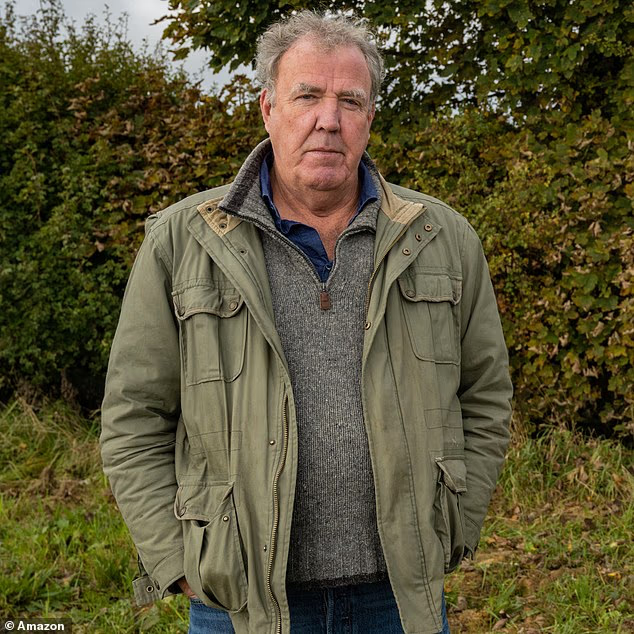
Wilman said the show must avoid the trap of producing one series too many, reaching the point where audiences start to feel it has lost its spark. In his view, discipline matters just as much as popularity. Rather than stretching the format simply because demand remains high, he suggested the smarter move would be to end the programme while viewers are still engaged, rather than waiting until enthusiasm begins to fade.
That approach appears to reflect the same thinking that shaped the latter years of The Grand Tour. Wilman suggested that every new series of Clarkson’s Farm should be treated as an added bonus rather than a guarantee, particularly because the team still sees the farming programme as something of an unpredictable success story. Each new chapter, he implied, feels as though it is entering new territory.
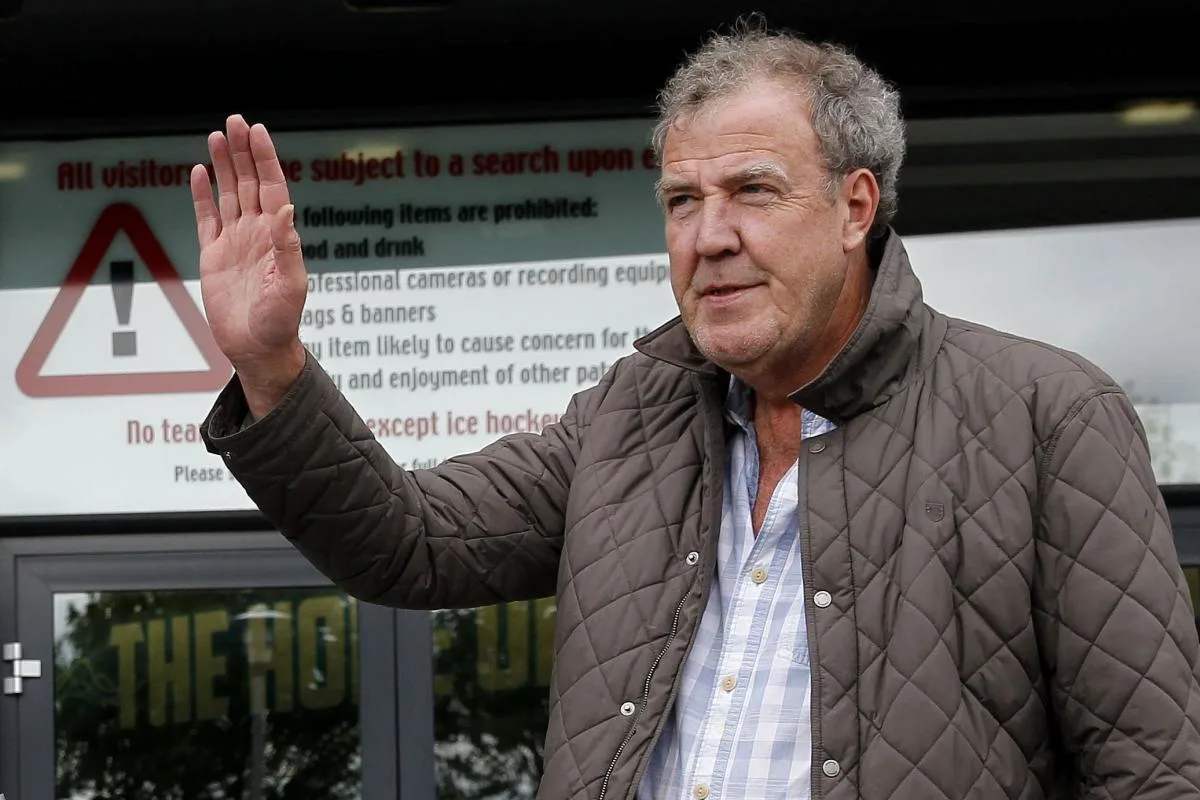
At the same time, Wilman’s remarks are unlikely to reassure fans who want the series to continue for many years. With the fifth series on the way and interest still running high, many viewers had hoped Clarkson’s Farm would remain a fixture for the foreseeable future. Instead, the producer’s comments suggest there is already an awareness behind the scenes that popularity alone is not enough reason to keep going indefinitely.
Even so, Wilman also spoke positively about the experience of making the show, calling it the most joyous thing to edit. That line may offer some comfort to fans, because it suggests the production team still feels a strong connection to the material and has not lost enthusiasm for the project. For now, Clarkson’s Farm remains very much alive, with a new series still to come and audience demand showing little sign of slowing.
But Wilman’s message is clear. The future of Clarkson’s Farm will not be decided only by ratings or popularity. It will depend on whether Jeremy Clarkson still has a story worth telling, and whether the people behind the show feel they can preserve the quality that made it such a success in the first place.
In other words, Clarkson’s Farm may continue for now, but only on the condition that it never becomes the kind of show people feel has gone on too long.
