
Crab fishing on the Bering Sea remains one of the most dangerous and unpredictable professions in the world, but for the crews featured on Deadliest Catch, the risks are often balanced by the possibility of significant financial reward. Over the years, several captains and deckhands have spoken publicly about how much they can earn during a successful season, revealing an income structure that is highly variable, performance-based, and directly tied to the size and timing of the catch.
Unlike traditional employment, fishermen on these vessels are not paid a fixed wage or annual salary. Instead, their earnings depend entirely on the value of the crab they haul and the profits generated once the catch is delivered to processors. As Kenny Ripka explained in a past interview, “We don’t get paid a wage or a salary. We get paid on what we catch and what we deliver,” highlighting the high-risk, high-reward nature of the industry.
Earnings That Swing Dramatically by Season
Because of this system, income can fluctuate dramatically from year to year. According to Ripka, captains in particularly strong seasons may earn “upwards of $150,000 to $170,000 a year,” though this figure can vary significantly depending on quotas, weather conditions, fuel costs, and market prices for crab.
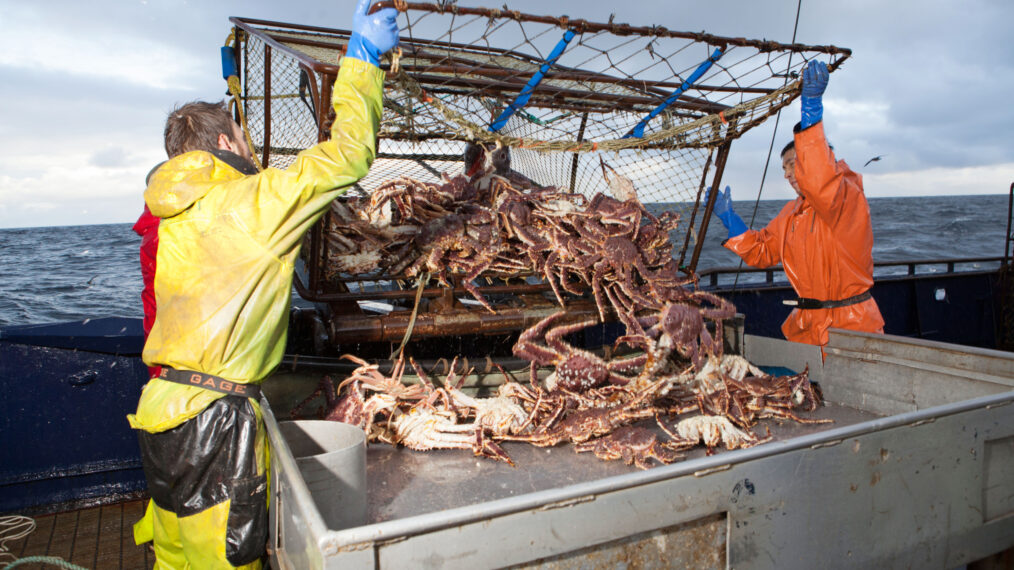
For deckhands, who perform some of the most physically demanding work on board, earnings are typically much lower but still substantial for short-term employment. Reports from crew members suggest that deckhands can earn anywhere between $15,000 and $50,000 for just a few weeks of intense fishing work. In some cases, highly productive short seasons have generated around $30,000 in just five to six weeks, depending on the vessel and fishing conditions.
These figures reflect a unique working model in which a single productive trip can represent a significant portion of an annual income. However, the same structure also means that bad weather, equipment failure, or poor crab migration patterns can drastically reduce earnings or eliminate them entirely.
Extreme Highs in Exceptional Seasons
While most fishermen experience moderate seasonal earnings, some have reported extraordinary outliers during exceptionally productive runs. Jake Anderson once stated that during one strong season he “grossed $2.5 million in 11 days,” illustrating just how extreme earnings can become under the right conditions and quota timing.
Similarly, Josh Harris has suggested that captains can potentially earn millions in extremely successful fishing windows, with figures reaching as high as $2 million in just a couple of days during peak conditions. While such outcomes are rare, they underscore the volatility and intensity of the crab fishing economy, where timing and luck can be just as important as experience and skill.

In addition to catch-based income, cast members of Deadliest Catch also receive compensation for their participation in the television production itself. Industry reports and entertainment sources have indicated that captains featured on the show may earn between $25,000 and $50,000 per episode, depending on their prominence and screen time. This additional revenue stream provides a degree of financial stability that traditional fishermen outside the show do not typically receive.
A Dangerous Industry With No Safety Net
Despite the potential for high earnings, crab fishing remains one of the most hazardous occupations in commercial fishing. Crews regularly face freezing temperatures, towering waves, heavy machinery, and long working hours with minimal rest. The physical and mental toll is significant, and accidents are not uncommon.
Several crew members from Deadliest Catch have spoken over the years about injuries, medical emergencies, and long-term health consequences resulting from life at sea. The unpredictability of the ocean, combined with the intensity of the fishing season, creates a working environment where even experienced captains are constantly exposed to risk.
Industry Instability and Seasonal Uncertainty
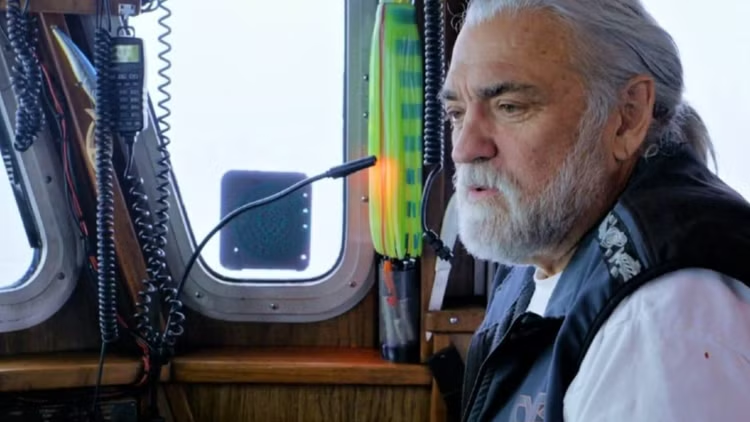
Beyond the immediate dangers on deck, the industry itself is highly unstable. Regulatory changes, shifting crab populations, and environmental conditions can shut down entire seasons with little warning. As veteran captain Sig Hansen has explained in previous interviews, there have been years where king crab fishing seasons were closed for three or even four consecutive years.
This lack of consistency creates significant financial uncertainty for crews who rely entirely on fishing income. Without a traditional retirement system or guaranteed annual earnings, many fishermen face long-term financial unpredictability, even after decades in the industry. As Hansen noted, “There is no retirement plan, so to speak. You don’t know from one year to the next if you’re even going to go fishing to make a living.”
A High-Risk, High-Reward Reality
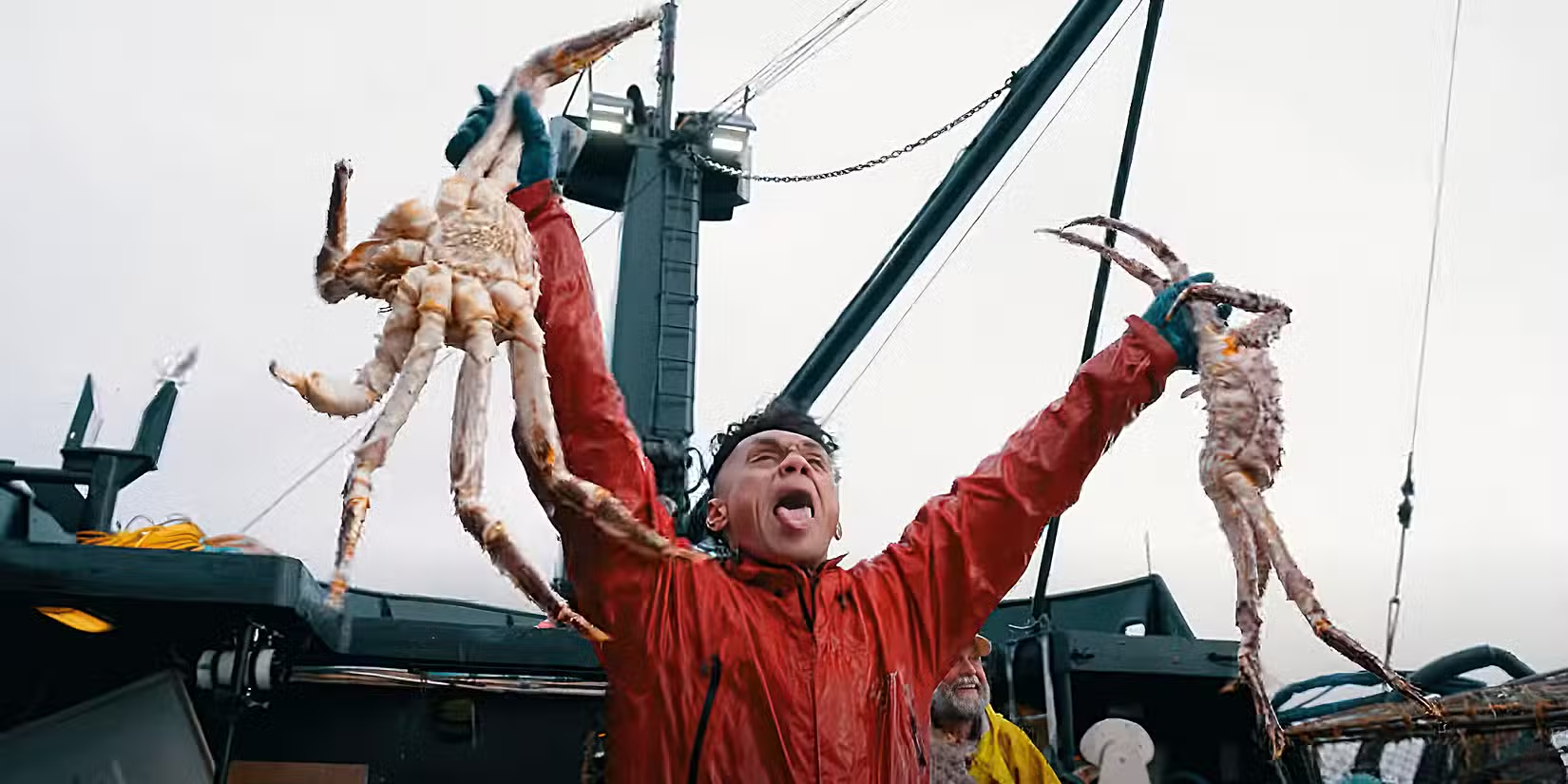
The financial reality of crab fishing is therefore defined by extremes. On one hand, a successful season can generate life-changing income in a matter of days or weeks. On the other, failed seasons, bad weather, or regulatory closures can leave crews with little to no income after months of preparation and dangerous work.
For the crews of Deadliest Catch, this duality is part of everyday life. The combination of risk, reward, and uncertainty continues to define the industry, making it one of the most dramatic and closely watched professions in modern reality television.
Even as the show enters new seasons, the underlying reality remains unchanged: crab fishing is not just a job, but a gamble against the sea itself, where fortunes can be made quickly—but never guaranteed.
