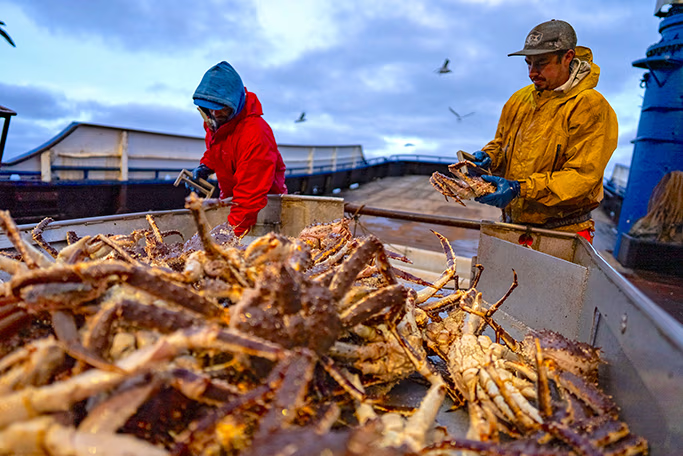
There is a particular kind of viewer who, given the choice between a sun-drenched beach and a heaving deck in the middle of the Bering Sea, will choose the deck every time. For 22 seasons now, Deadliest Catch has served that viewer faithfully — and by the numbers, there are a great many of them. The 63-time Emmy-nominated show has been a staple of the Discovery Channel since its 2005 premiere, airing one season a year without interruption. That kind of longevity, in the fickle terrain of reality television, is nothing short of extraordinary.
Created by Thom Beers, the series documents — in raw, vérité style — the crab-fishing fleet based out of Dutch Harbor, Alaska. The formula is deceptively simple: cameras follow crews aboard their vessels as they haul pots through freezing, unpredictable seas in pursuit of Alaskan king crab and snow crab. What keeps viewers hooked is harder to define. It is part soap opera, part survival epic, and part meditation on labor and mortality. The suffering, as any devoted fan will confirm, is a feature rather than a bug.
Season 22 premiered on Friday, May 8, at 8 p.m. ET/PT on Discovery Channel, and it arrives with a premise more dramatic than any the show’s producers could have invented. With a new king crab population appearing far north, the entire fleet has relocated 225 miles to St. George Island — farther, colder, and more remote than anything the captains have attempted in recent memory. For the first time in decades, they have abandoned their familiar fishing grounds to chase a rare breed of red king crab lurking in the frozen waters of the far North, facing more extreme seas than in any previous season.
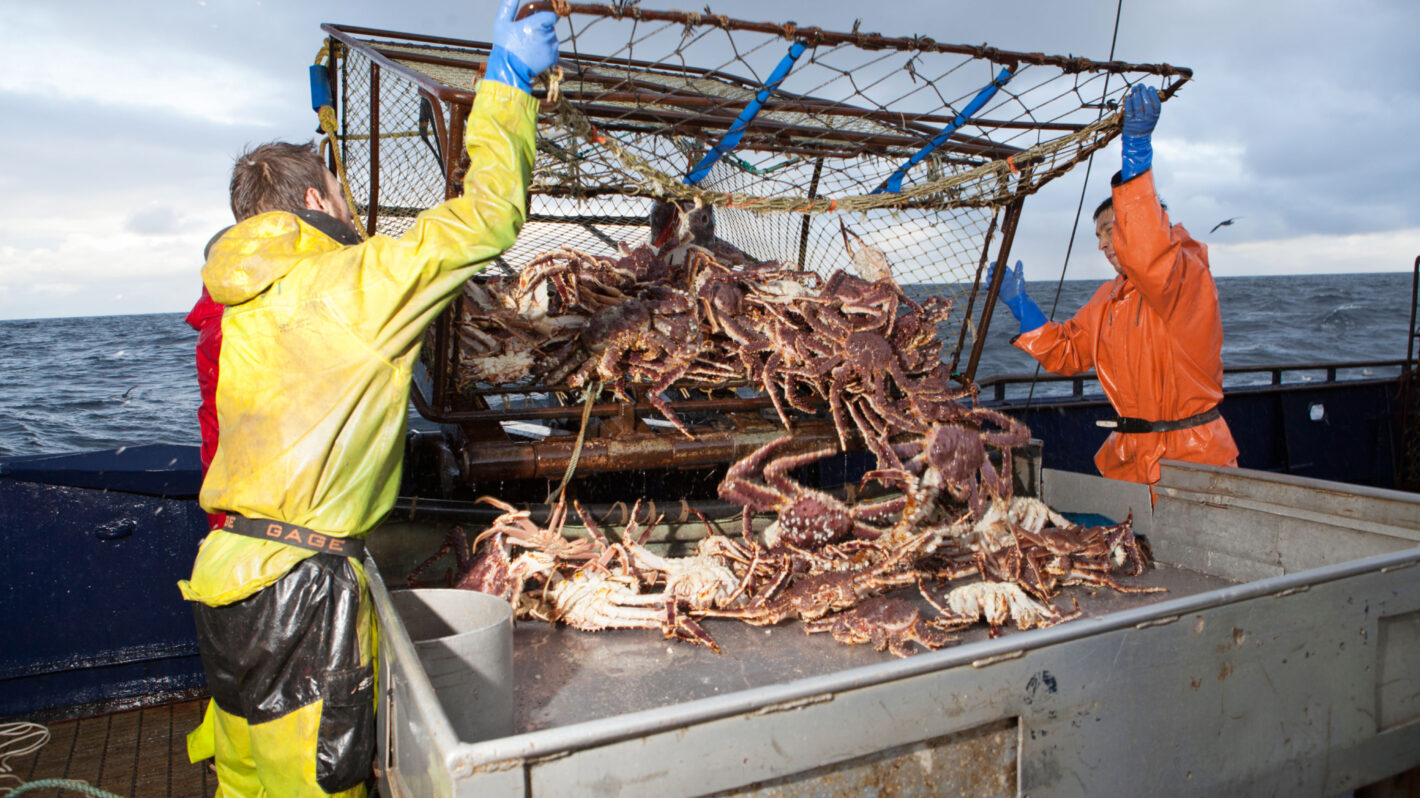
The individual storylines are as gripping as ever. Captain Sig Hansen, the show’s most recognizable face, launches what is described as an unprecedented covert scouting mission, deploying an underwater drone into unknown waters in a bold attempt to locate the rare strain of king crab before the rest of the fleet arrives. It is classic Sig: methodical, competitive, unwilling to leave anything to chance. Meanwhile, veteran Captain “Wild Bill” Wichrowski makes the journey to St. George Island to share his decades of hard-earned knowledge with a fleet navigating completely unfamiliar territory.

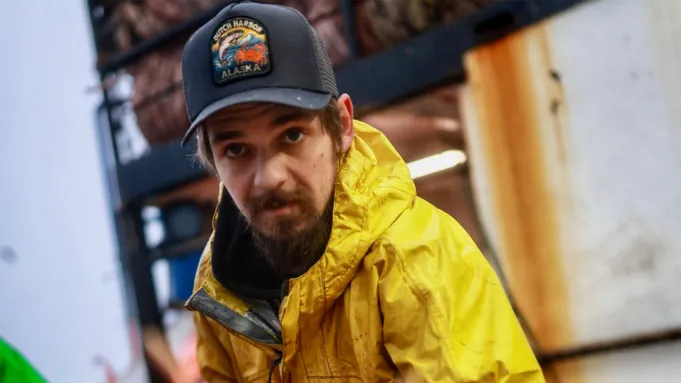
Perhaps the most emotionally resonant arc of the season belongs to Captain Jake Anderson. Having lost both his boat and his marriage, Anderson returns to the fleet as a deckhand — his first time in that role in 11 years. When an unexpected opportunity emerges to restore the legendary Cornelia Marie, he steps back into the captain’s chair, putting his reputation and his family’s future on the line for one final shot at redemption. The Cornelia Marie carries deep significance for longtime fans; it was the vessel of the late Phil Harris, one of the show’s most beloved figures.
But the season will be remembered first and foremost for a real tragedy that unfolded during production. Todd Meadows, a 25-year-old deckhand aboard the Aleutian Lady, died on February 25 after falling overboard in a fatal accident at sea. Meadows had joined the crew in May 2025, and scenes featuring him were filmed in the weeks before the incident. Out of respect for his family and loved ones, Discovery Channel confirmed it will not air footage of his death, though the premiere episode includes a tribute to Meadows, and subsequent episodes will feature his contributions to the crew and explore how his loss has affected the Aleutian Lady and the wider fishing community.
It is a sobering reminder of what distinguishes Deadliest Catch from almost every other reality show on television: the danger is entirely real. No elimination ceremony, no manufactured drama — just open water, brutal cold, and the ever-present possibility that someone does not come home. Twenty-two seasons in, that remains the show’s most honest and haunting quality. And somehow, improbably, it also remains its greatest draw.
