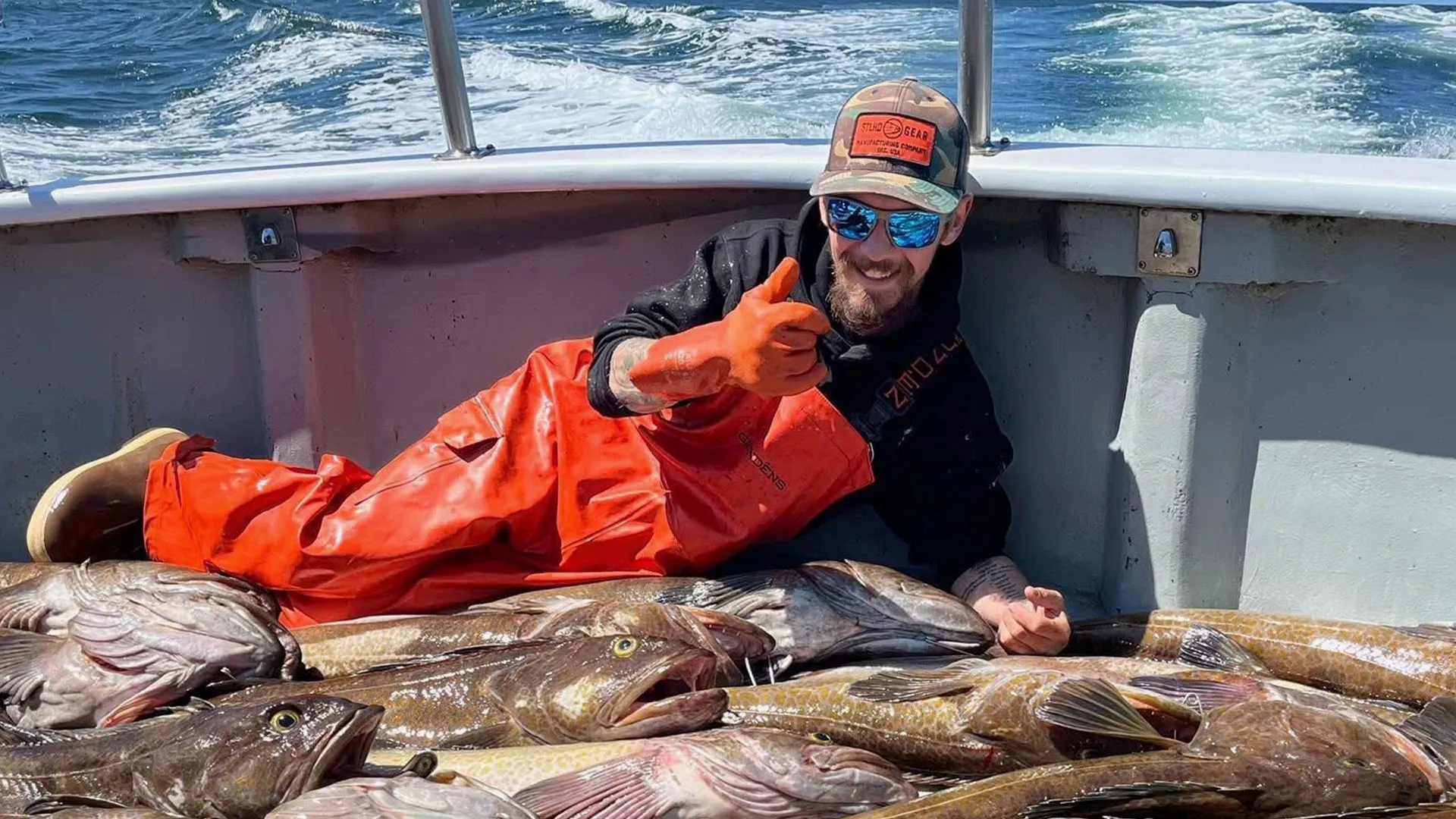
A tragic incident in the icy waters of the Bering Sea has cast a renewed spotlight on safety practices within the high-risk world of commercial crab fishing, following the death of a young crew member during filming of Deadliest Catch.
Todd Meadows, 25, lost his life after falling overboard from the Aleutian Lady on February 25. Despite a rapid response from fellow crew members, efforts to save him ultimately proved unsuccessful, highlighting how quickly conditions at sea can turn fatal—even under seemingly stable circumstances.
According to accounts from deckhand Trey John Green III, the situation unfolded without warning. Meadows reportedly entered the water during routine operations involving crab pots, a standard but physically demanding part of the job. Within moments, the crew shifted into emergency mode.
Green recalled spotting Meadows still conscious and attempting to stay afloat. Visibility was clear, and the sea—unusually calm by Bering Sea standards—offered no immediate environmental obstacle. Yet the temperature of the water, just above freezing, posed a far greater threat than the surface conditions suggested.
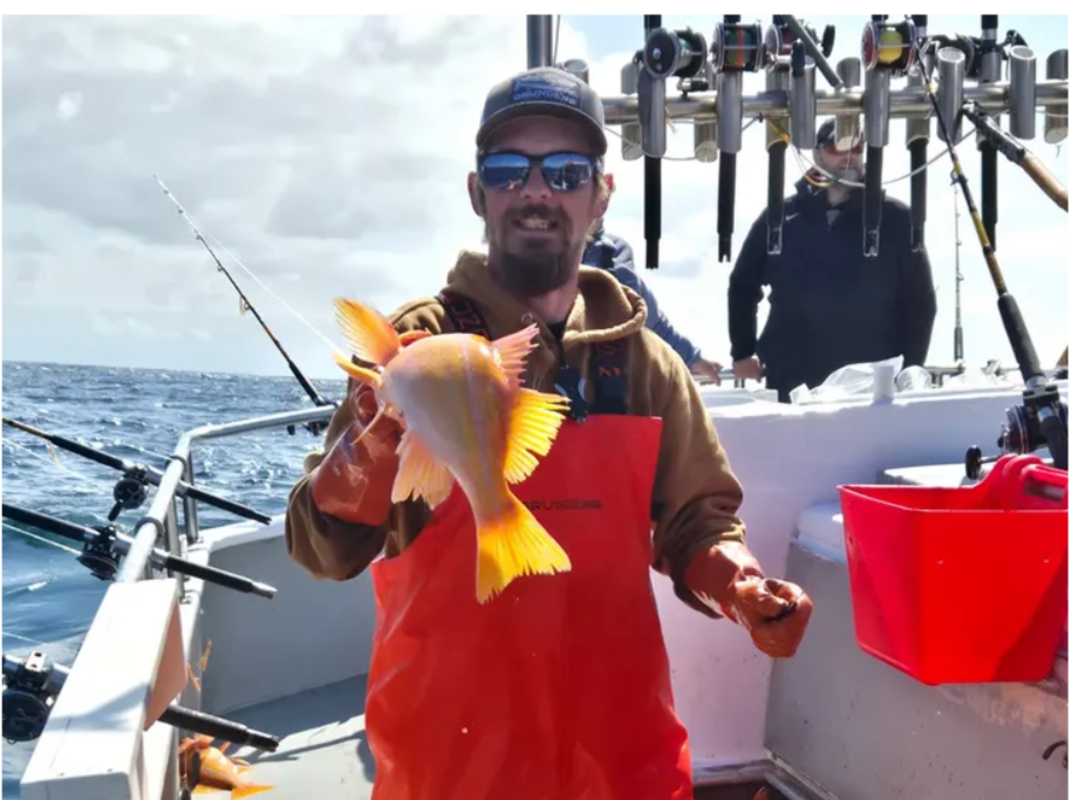
A trained rescue swimmer quickly entered the water, while the crew prepared a recovery system using a harness and crane. However, a critical failure occurred when the harness reportedly snapped during the rescue attempt, forcing the team to improvise under extreme pressure.
In a second attempt, the crew deployed a life sling, managing to lift Meadows partially out of the water. But the effort fell short. He slipped back into the sea, and by the time he was brought aboard again, he was no longer responsive.
Crew members immediately began CPR and used an automated defibrillator in a prolonged effort to revive him. The attempt continued for approximately 45 minutes before the captain made the difficult decision to call off the rescue.
The aftermath of the incident has raised further concerns. Meadows was not wearing a life jacket at the time, a detail that reflects a broader industry culture where such equipment is sometimes viewed as impractical during long, physically demanding shifts.
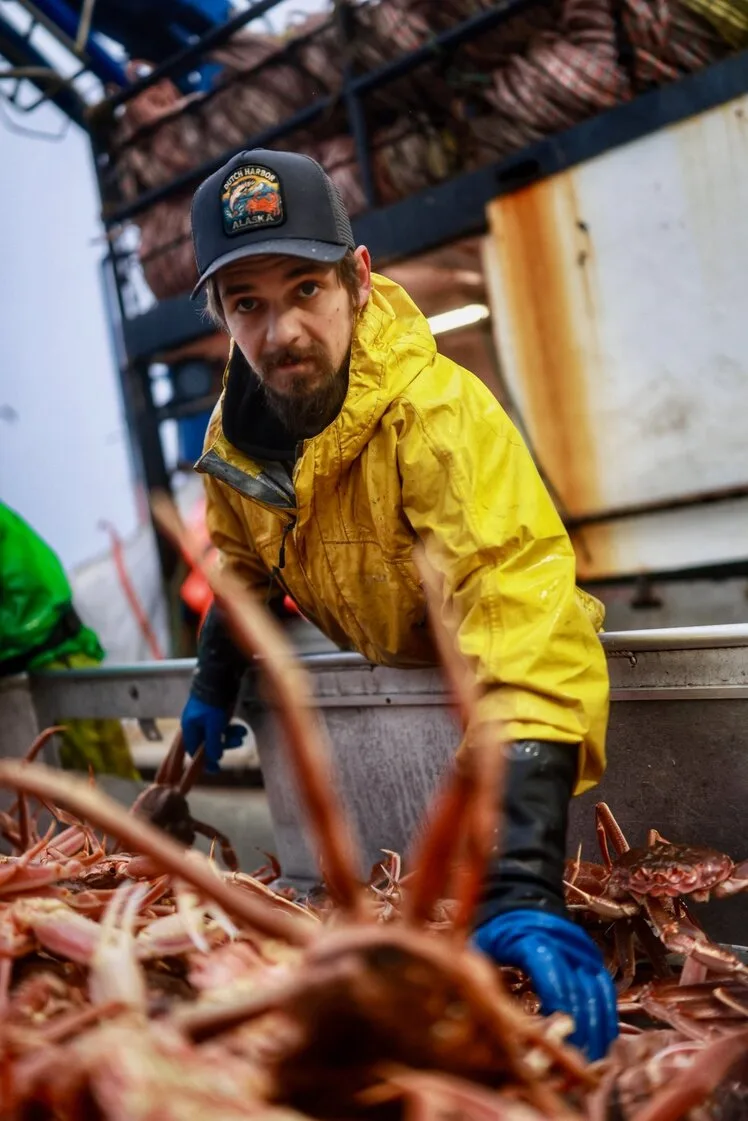
Green acknowledged that the absence of life jackets may seem difficult to understand from outside the profession, but described it as a common reality among crews working extended hours in harsh conditions.
Adding another layer of complexity, reports indicate that Meadows had recently suffered a head injury while working on the same vessel. Although he had been cleared to return to duty, the timeline has prompted questions about whether underlying health factors may have played a role.
The entire incident was reportedly captured by production cameras, as Deadliest Catch continues to document the realities of life at sea. However, Meadows’ family has publicly requested that no footage of the accident be broadcast, expressing a desire to remember him through positive moments rather than his final hours.
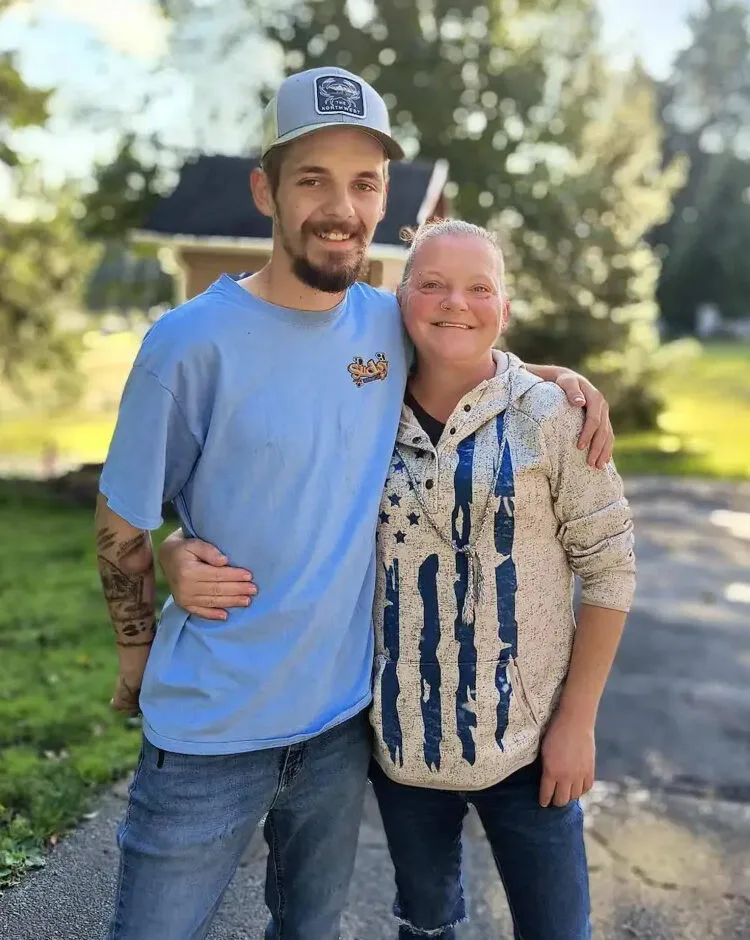
They described him as a dedicated fisherman and a father of three young children, leaving behind a family now grappling with both emotional and financial loss. A fundraising effort launched in support of his children has already drawn significant public response.
The US Coast Guard has opened an investigation into the circumstances surrounding the incident, including equipment failure and safety procedures on board. Findings from the inquiry may have broader implications for industry standards, particularly regarding emergency preparedness and protective gear.
For viewers, Deadliest Catch has long offered a window into one of the most dangerous professions in the world. But for those who live it, the risks are not part of a storyline—they are an ever-present reality.
As the investigation continues, the tragedy serves as a stark reminder that even in calm seas and clear daylight, the margin for error remains dangerously small.
