The war between the Northwestern and the Cornelia Marie reaches a point of no return

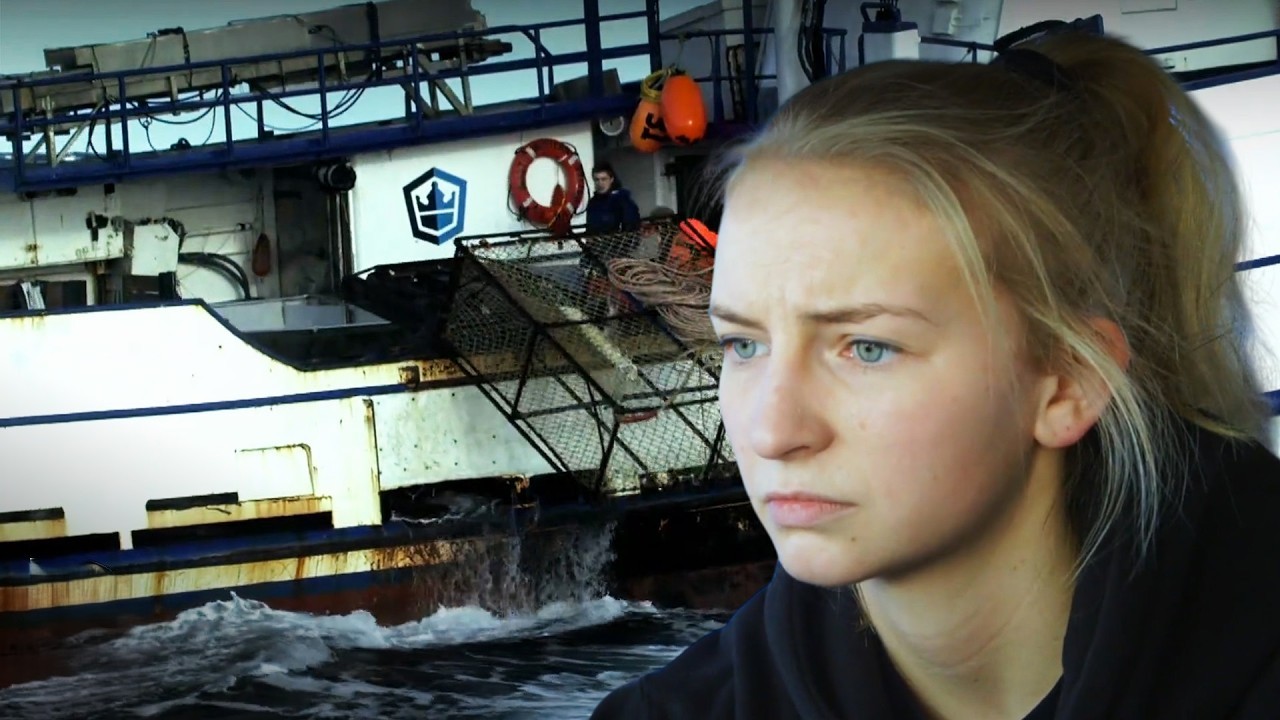
A fierce confrontation on the Bering Sea turned into one of the most heated moments of the season as a dispute between the Cornelia Marie and the Northwestern spiralled from tangled crab pots into a bitter radio exchange — before a separate and far more serious concern emerged over the whereabouts of Jake Anderson and the Saga.
The conflict began when the Cornelia Marie crew accused the Northwestern of setting pots directly on top of their gear, creating a dangerous entanglement in already difficult conditions. With lines snarled and tensions rising, Captain Casey McManus decided to act. Arguing that the situation posed a risk to his crew, he ordered the line cut, sending one of the Northwestern’s pots to the bottom of the sea.
For McManus, the move was not about making a statement for the cameras. It was about protecting his deckhands in an environment where a single mistake can quickly turn serious. He made clear that he was no longer willing to tolerate what he saw as reckless encroachment on his fishing ground, saying the situation had gone too far after repeated pressure around the Cornelia Marie’s string of pots.
The decision only deepened the hostility between the two boats.
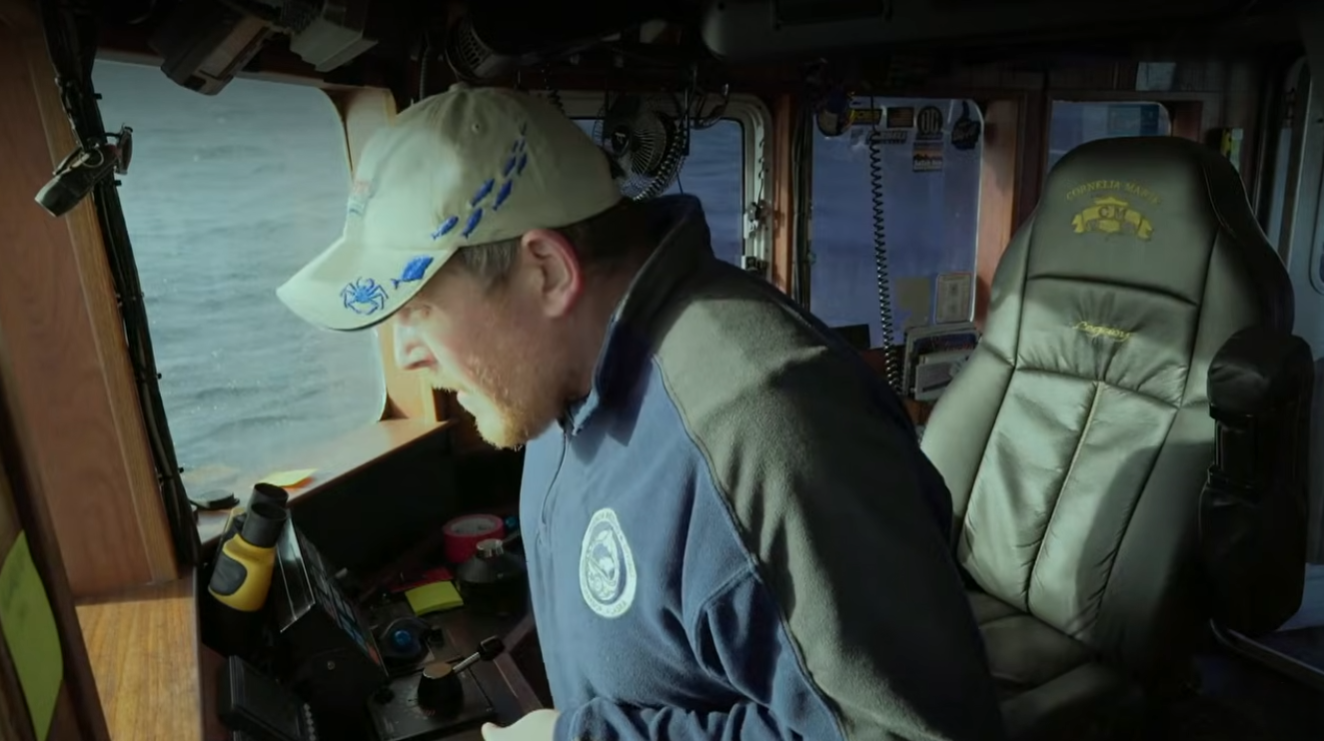
As the Northwestern continued setting the last of its 150 pots, the dispute spilled onto the radio. In a sharply sarcastic exchange, the Cornelia Marie crew mocked the rival vessel’s handling of the situation, while comments from the Northwestern side suggested they saw the complaint as overblown and part of a younger generation’s inability to handle the realities of crab fishing. The clash quickly became personal, with both sides accusing the other of poor judgment and disrespect on the grounds.
At the centre of the exchange was a familiar issue in Bering Sea crab fishing: territory. While the grounds are not owned in a formal sense, captains fiercely defend their working areas, especially when pots are laid close together in harsh weather and limited visibility. Any suggestion that one vessel has set gear too close to another can trigger immediate anger, particularly when tangled lines threaten safety, cost time and disrupt an already narrow fishing window.
From the Cornelia Marie’s perspective, the line had been crossed. McManus insisted that dropping pots on top of another boat’s gear is simply not acceptable in crab fishing, and he stood by his decision to cut the line rather than expose his less experienced crew to a risky recovery. On the Northwestern, the response was more dismissive, with the incident framed as an exaggerated complaint rather than a serious violation.
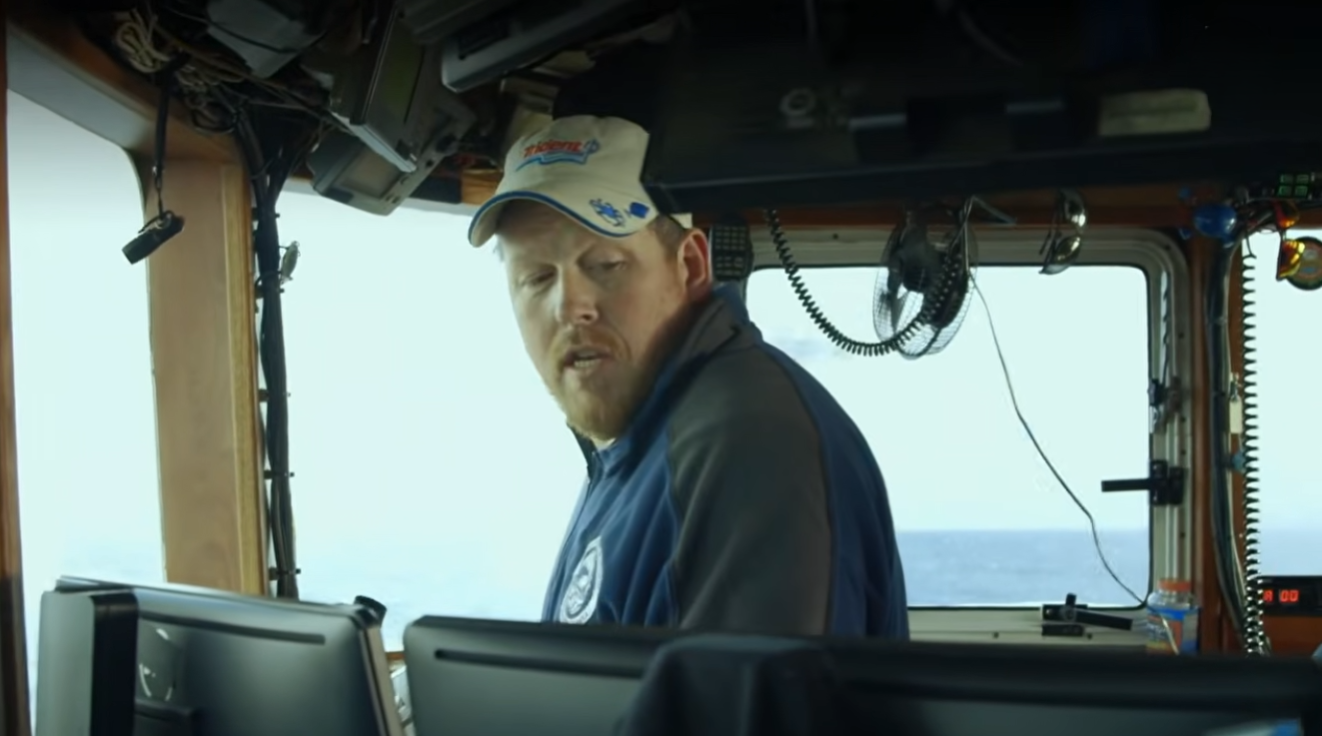
The standoff highlighted not only the rivalry between two major boats in the fleet, but also a wider difference in attitude. Older hands suggested that younger captains can be too territorial, while those on the receiving end argued that protecting your working zone is part of the job. In the Bering Sea, where competition is constant and margins are tight, those disagreements rarely stay calm for long.
Yet just as the argument appeared to be the main story, attention shifted to something far more troubling.
Amid the brewing feud, word spread through the fleet that the radio beacon connected to Captain Jake Anderson of the Saga was no longer transmitting. Attempts to reach him reportedly went unanswered, and concern began to build quickly. With rough weather already battering the grounds, the lack of response immediately raised fears that the vessel could be in trouble.
Other captains began asking whether anyone had heard from Anderson, but the answers offered little reassurance. One said he had tried to call Jake without success. Another repeated the rumour that the emergency positioning signal had gone silent. In a fleet that understands better than most how quickly conditions can deteriorate, even a few missing check-ins can be enough to change the entire mood on the water.
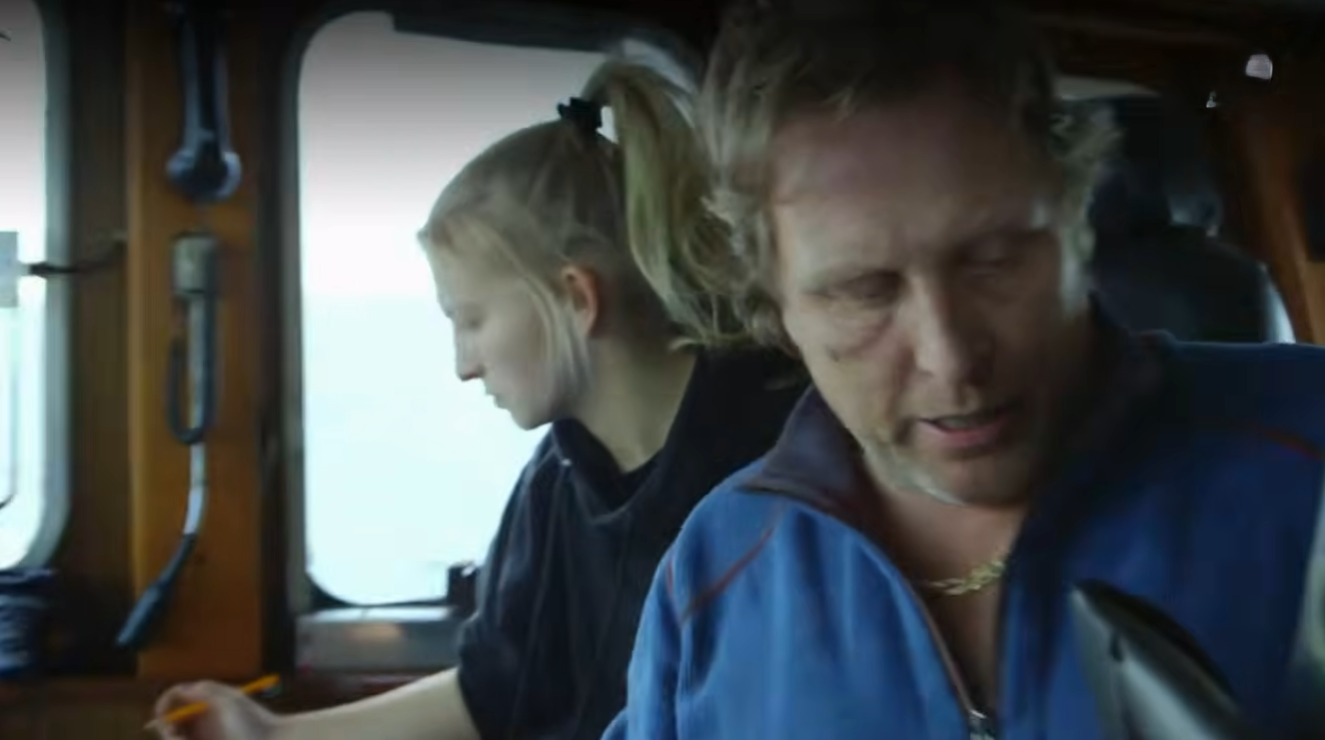
The timing only added to the tension. What had begun as a territorial dispute over pots and pride was suddenly overshadowed by the possibility of a genuine emergency elsewhere in the fleet. In the Bering Sea, rivalries can burn hot, but concern for another captain in dangerous weather cuts through all of it.
That contrast gave the sequence its real force. One moment, captains were trading insults over the radio and accusing each other of reckless fishing. The next, the conversation turned to whether a fellow fisherman might be in distress.
It was a reminder of the brutal reality behind every argument on Deadliest Catch. Beneath the insults, the bravado and the long-running rivalries is an industry where danger is never far away. Pots can be replaced. Pride can recover. But when a beacon goes silent in bad weather, everything else suddenly feels less important.
For the Cornelia Marie and the Northwestern, the dispute over tangled gear may not be over. Hard feelings on the grounds rarely disappear overnight, especially after a public exchange. But with anxiety now circling around Jake Anderson and the Saga, the fleet has been reminded that in the Bering Sea, the biggest threat is not always the boat beside you — it is the sea itself.