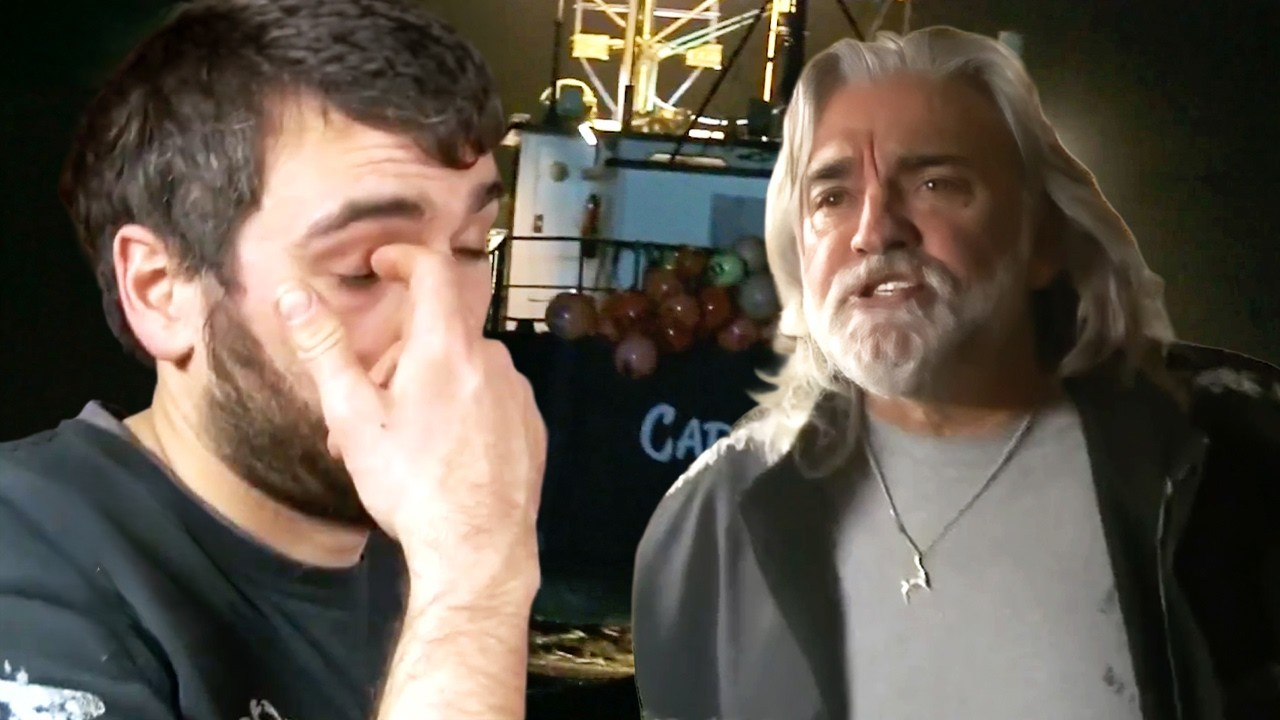
The pressure is building aboard the 108-foot Cape Caution as Captain Wild Bill Wichrowski searches for crab more than 300 miles northwest of Dutch Harbor.
After several frustrating days on the Bering Sea, Bill finally has a full crew on deck. But manpower alone is not enough. The crab numbers have been disappointing, and the captain knows the current results will not keep the trip on track.
With pots coming up light and the tanks far from where they need to be, Bill decides it is time for a major move. The crew must stack all 140 pots and relocate to fresher grounds, hoping the next set will finally bring the numbers they have been chasing.
For the men on deck, that means long hours, hard labor and no room for hesitation. Every pot must be moved quickly so the Cape Caution can reset its gear and get back into the search.
Nick McGlashan Pushes the Deck Harder
Deck boss Nick McGlashan takes charge of the operation with an old-school approach. Instead of relying only on machinery to shift the pots, he pushes the crew to move gear by hand.
It is faster, rougher and more physically demanding. But in Nick’s view, speed matters. The quicker they clear the gear, the sooner they can get the pots back in the water where the crab may be waiting.
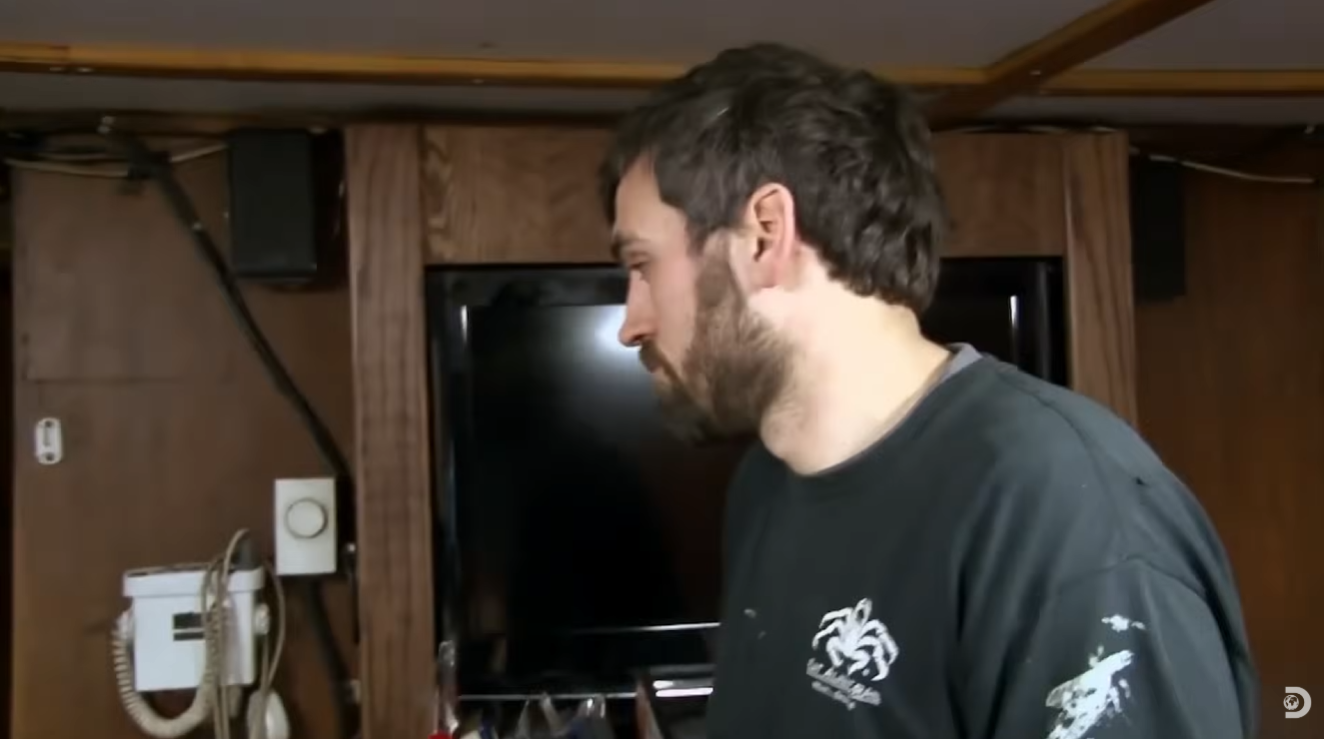
The method does not make life easier for the crew. Pushing heavy pots across a working crab boat is exhausting, especially when everyone is already worn down from poor fishing and long shifts. Still, Nick keeps the pressure on, urging the men to move faster and give more.
For Bill, Nick’s energy is exactly what the boat needs. When fishing gets difficult, a deck boss who can keep the crew moving can make the difference between a wasted trip and a profitable one.
But not everyone appears to share Nick’s urgency.
Bill Confronts Zach Over Engineering Duties
As the crew pushes to reset the gear, tension grows between Bill and his son, Zach Larson.
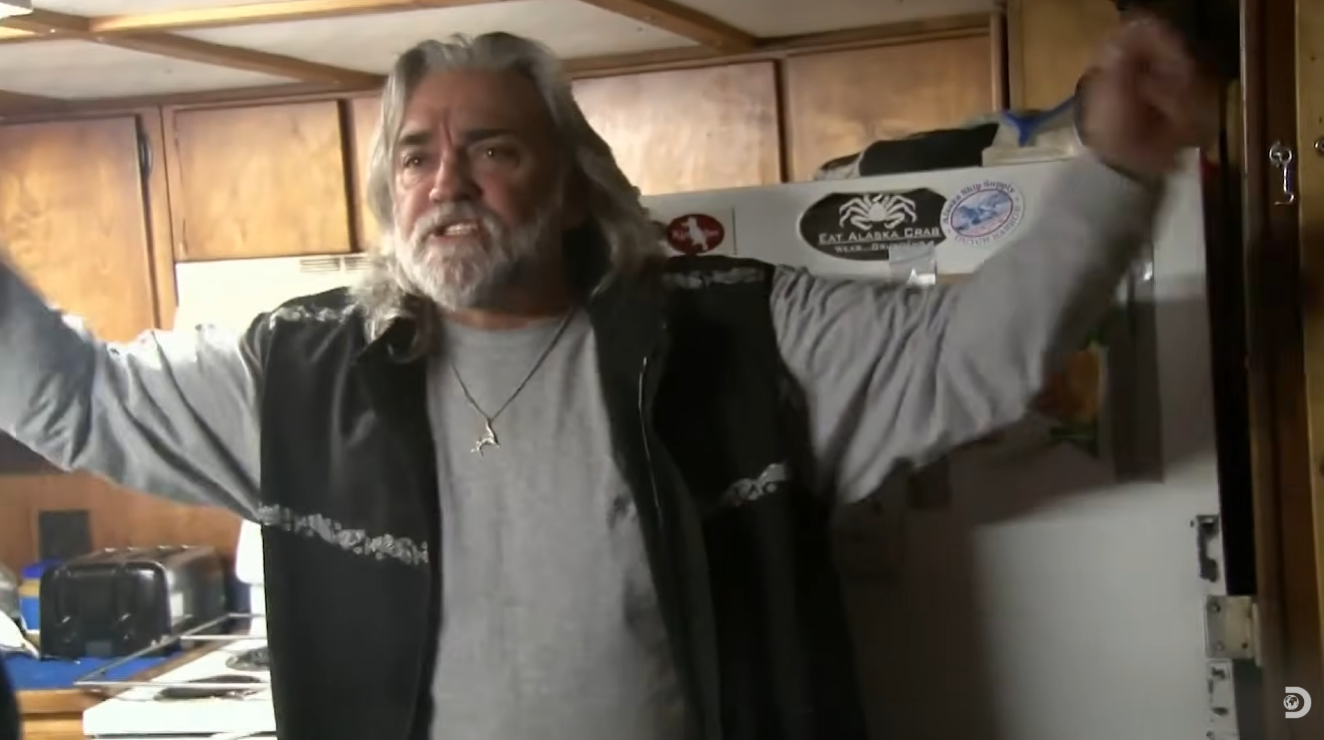
Bill wants Zach to learn, step up and take more responsibility on the boat. But he becomes frustrated when Zach appears reluctant to leave the controls and help on deck. To Bill, the issue is bigger than one task. It is about attitude, responsibility and what it takes to move up in the fishing world.
The situation becomes more serious when an alarm sounds aboard the Cape Caution. The warning points to water building up in the bow area, a problem that falls directly under the engineer’s responsibilities.
On the Cape Caution, Zach is the engineer.
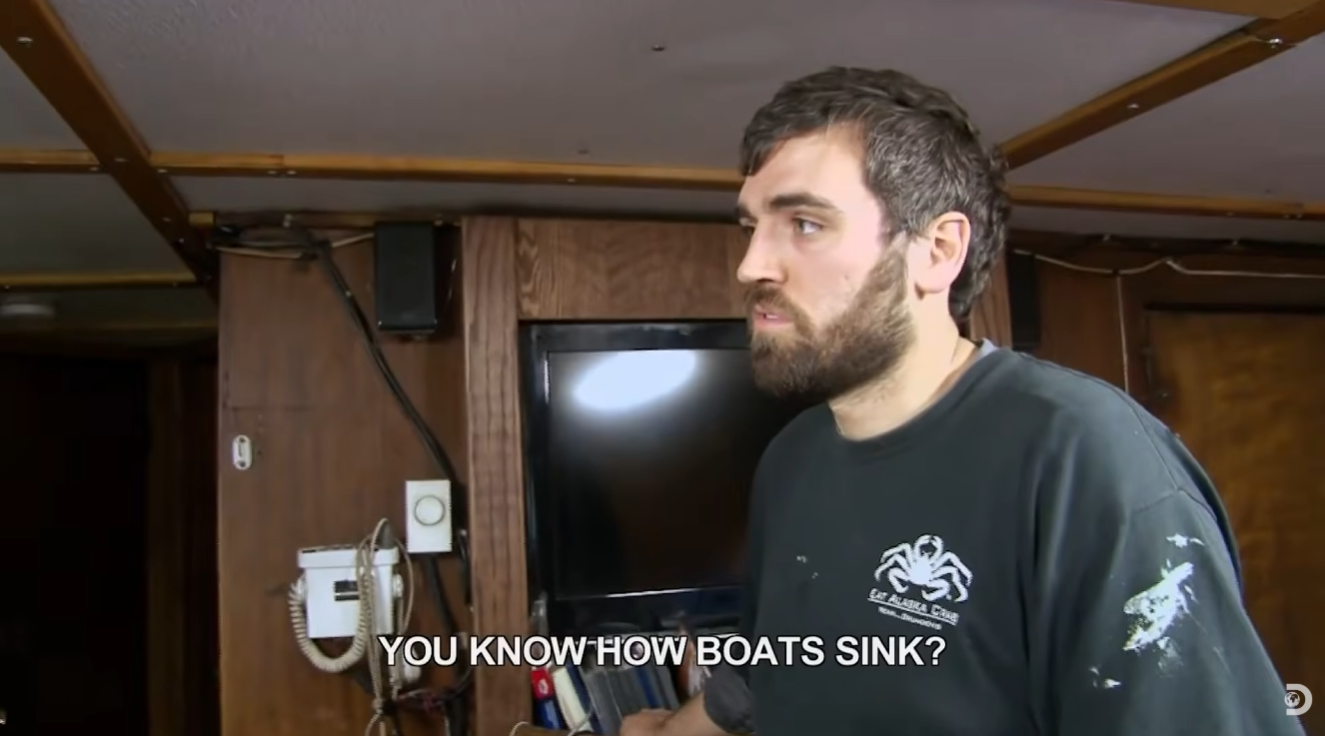
Bill’s frustration quickly turns into a stern lesson. Keeping water out of a vessel is basic seamanship, and in the Bering Sea, even routine maintenance cannot be treated casually. A bilge alarm may not always signal immediate disaster, but ignoring it can create serious danger if water continues to collect.
For Bill, the message is clear: an engineer must stay ahead of problems, not react only when ordered. Boats remain safe because people do their jobs before small issues become major ones.
The exchange is tense, but it also reveals one of the most important themes aboard the Cape Caution. Bill is not only trying to run a successful crab operation. He is also trying to teach Zach what responsibility looks like in one of the toughest workplaces in the world.
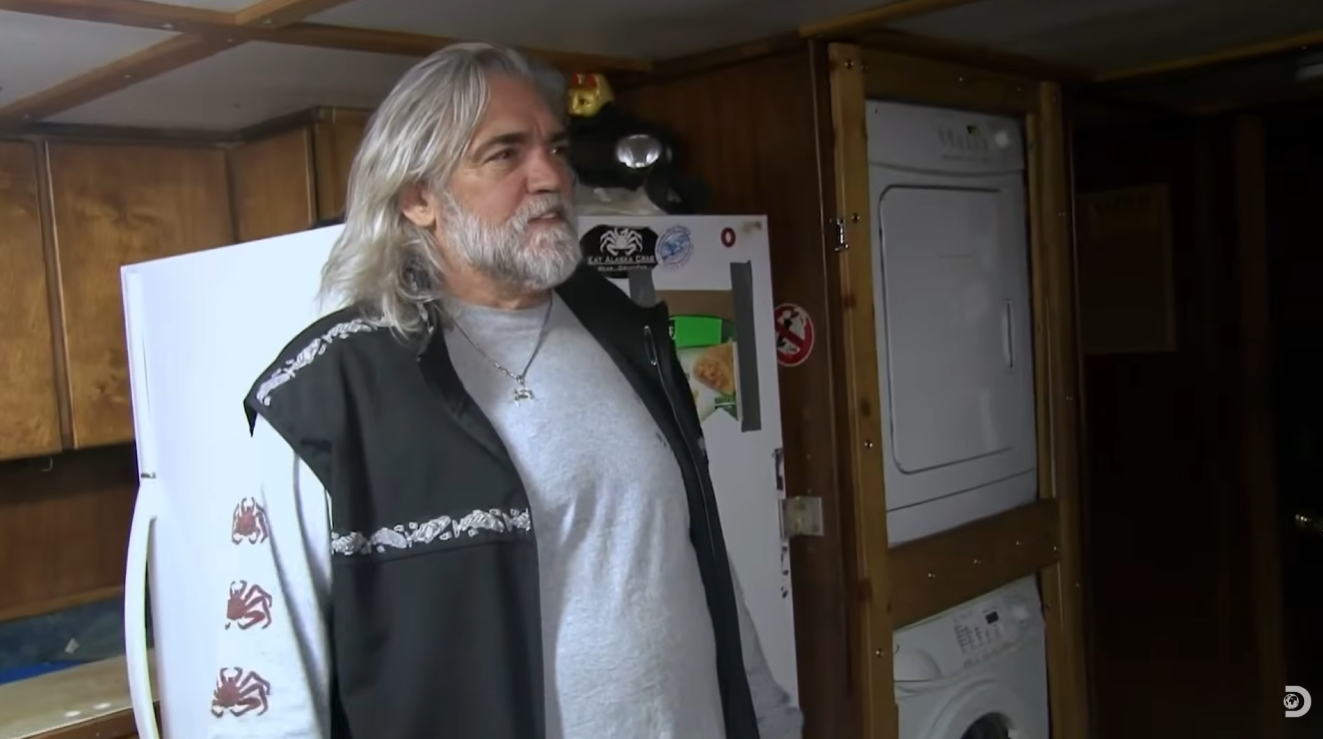
Josh Harris Finds the Crab
While the Cape Caution fights frustration and internal pressure, Josh Harris finally gets the result he has been waiting for.
After a long search, his boat begins pulling strong numbers. Pots come up with the kind of crab count that can change the mood of an entire crew. A haul of more than 300 crab signals that the search may finally be paying off.
The breakthrough is more than a financial lift. It is proof that persistence still matters on the Bering Sea. After days of searching, doubting and adjusting, Josh’s crew finds itself back in the game.
For fishermen, that moment can transform everything. The exhaustion is still there, the weather remains unforgiving, and the work is far from over. But once crab starts hitting the deck, the energy changes. The crew can see a path forward.
Josh reflects on that mindset with the confidence of someone who has learned through setbacks. Success, in his view, comes from failing, studying what went wrong and continuing until the work finally pays off.
A Trip Defined by Pressure and Persistence
The Cape Caution’s struggle and Josh Harris’s breakthrough show two sides of the same Bering Sea reality.
One boat is fighting poor numbers, crew tension and the pressure of making a costly move. Another is finally seeing strong results after a long search. In both cases, the lesson is the same: nothing comes easily in crab fishing.
For Wild Bill, the challenge is not only finding crab but also keeping his crew sharp, disciplined and ready to respond when problems arise. For Zach, the trip becomes a test of whether he can accept the responsibility that comes with his role. For Nick, it is another chance to prove that leadership on deck often means pushing harder when everyone is tired.
And for Josh Harris, the reward comes from staying committed long enough for the crab to finally appear.
On Deadliest Catch, the difference between a poor trip and a strong one can come down to one decision, one reset, one alarm or one string of pots. Aboard the Cape Caution and across the fleet, the season continues to demand endurance, discipline and the ability to keep working when the sea offers no easy answers.
