Gold Rush Season 16 Ends With Record $100 Million Haul as Tony Beets Beats Parker Schnabel to the Top


The 16th season of Gold Rush has closed with one of the most remarkable totals in the programme’s history, as the combined gold recovered by Parker Schnabel, Tony Beets, Rick Ness, and Kevin Beets pushed beyond $100 million.
It was a season shaped by soaring gold prices, rising costs, fierce competition for workers, and the constant pressure of keeping heavy machinery running in the unforgiving Klondike. By the time the final cleanups were weighed, the numbers told a story far bigger than any single mine site.
Parker Schnabel delivered one of his strongest seasons ever, finishing with 10,596.45 ounces of gold, worth around $42 million. Rick Ness survived a punishing run of delays and financial pressure to end with 1,811.56 ounces, valued at more than $7.2 million. Kevin Beets, still trying to establish himself outside his father’s shadow, finished with 1,591 ounces, worth about $6.3 million.
But the season’s biggest statement came from Tony Beets. After years of watching Parker build one of the most efficient operations in Gold Rush, Tony returned to the top with 11,231 ounces, worth approximately $45 million.
For many viewers, it was a reminder that the veteran miner remains one of the most powerful figures in the Klondike.
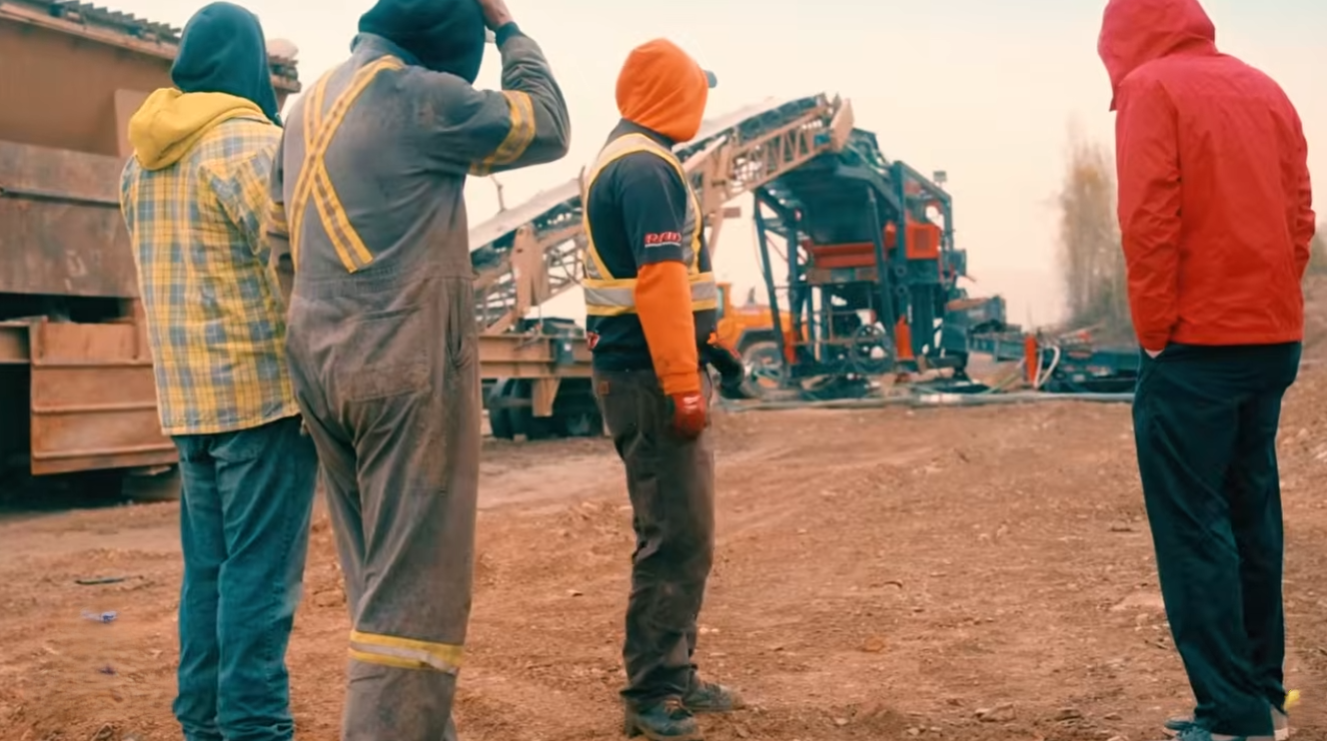
Season 16 began with huge expectations. Gold prices had climbed to historic levels, meaning every ounce carried more value than ever before. But the opportunity came with serious pressure. Fuel, wages, machinery, parts, royalties, and land access all added to the cost of mining at scale.
For Parker, the answer was expansion. Rather than protect what he had already built, he pushed his operation further than ever before. Across Dominion Creek, Indian River, and Sulfur Creek, Parker attempted to run four wash plants at the same time — a first for his career.
It was an ambitious move, and an expensive one. His daily operating costs were said to be approaching $100,000. That meant any breakdown, staffing issue, or delay could quickly become costly.
At Dominion Creek, foreman Tyson Lee helped oversee two wash plants. At Indian River, Mitch Blasch continued managing Roxanne. Sulfur Creek added another active plant to the wider operation. Parker was no longer working like a traditional mine boss. He was managing a large-scale production system where every part had to move together.
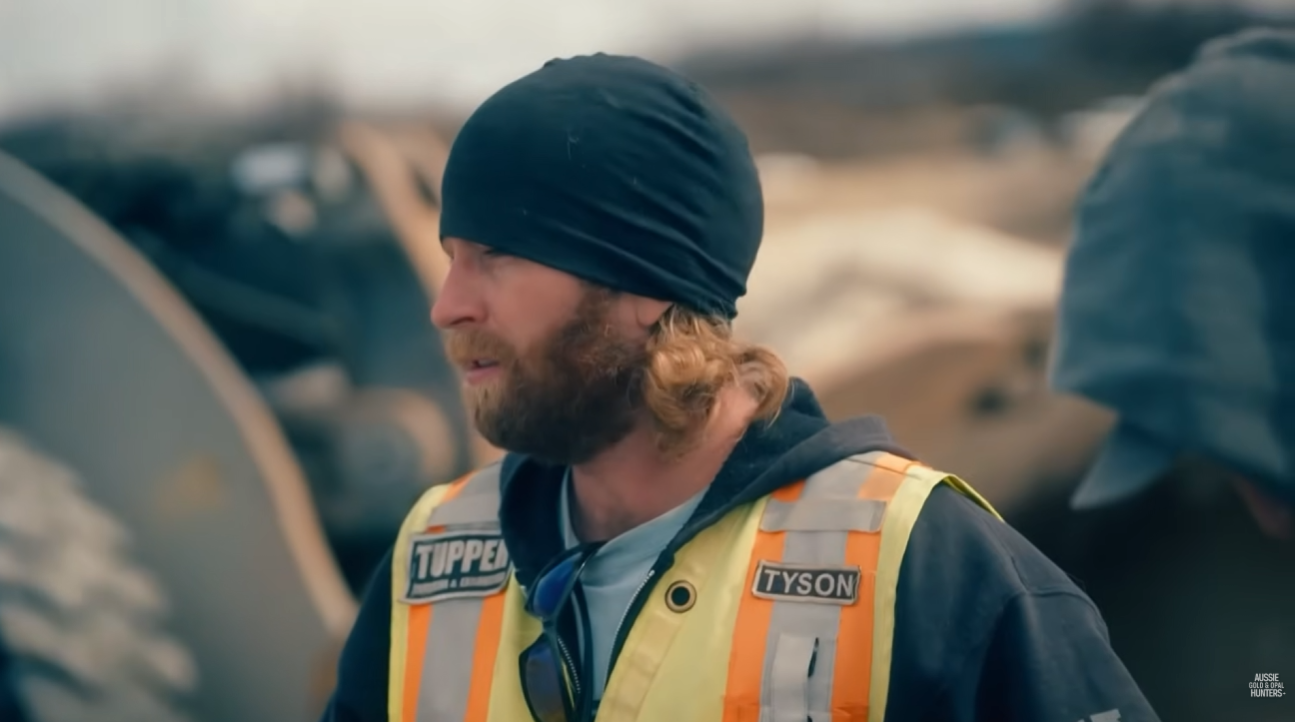
The strategy delivered results. At one point in the season, Parker recorded the best week of his career, pulling in 827 ounces worth roughly $2.89 million. By the middle of the season, he had already passed 7,000 ounces and looked firmly on track to reach his 10,000-ounce target.
But Parker’s success also created tension across the Klondike. His recruitment of experienced workers from rival crews became one of the season’s major talking points. Brennan Ruault returned to Parker’s team after working with Kevin Beets, while young mechanic Caden Foot also left Kevin’s operation. Even Tony’s crew felt the impact, with several workers moving across to Parker’s camp.
The movement of workers highlighted one of the less glamorous realities of modern mining. Gold is important, but people can be just as valuable. A strong crew can keep a season alive. A weakened one can slow even the best ground.

Tony Beets faced those pressures directly. His operation dealt with staffing changes, machinery problems, and family tension as Kevin continued trying to build his own identity as a mine boss. Yet Tony remained focused on production. While Parker’s season was built around scale and expansion, Tony’s was built around persistence, experience, and the ability to keep moving through problems.
By the finale, that approach paid off. Tony’s 11,231-ounce total placed him ahead of Parker and restored his position at the top of the season leaderboard.
Rick Ness had a very different journey. While Parker and Tony fought for first place, Rick spent much of the season trying to keep his operation from falling apart. Heavy financial pressure followed him from the start, including difficult royalty agreements and a reported $350,000 debt linked to Troy Taylor.
The biggest setback came at Lightning Creek. Rick invested heavily in the claim, hoping it would become the opportunity that turned his season around. Instead, the ground produced very little for weeks. Crew morale fell, money became tighter, and workers began to leave.
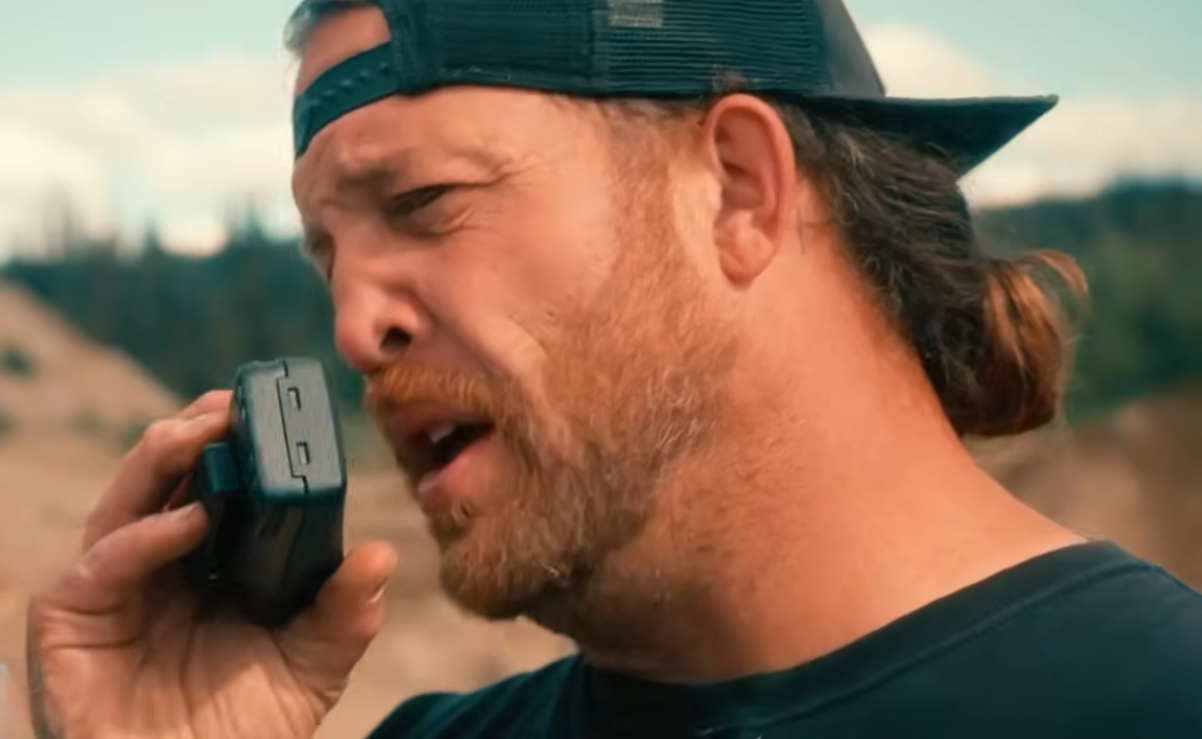
Still, Rick did not walk away. Late in the season, he finally began finding gold again. His final total was far behind Parker and Tony, but the achievement carried its own weight. For Rick, 1,811.56 ounces was not just a number. It was proof that his operation had survived a season that could easily have ended in failure.
Kevin Beets also faced a defining year. Now working to prove himself away from Tony’s direct control, Kevin entered the season with a 2,000-ounce goal at Scribner Creek. But he quickly ran into the harsh reality of independent mining.
He dealt with debt, staffing problems, and equipment trouble. The departure of Brennan Ruault hurt his crew, while a major dozer breakdown forced him into a difficult business decision involving a used D10 from Tony. Although Kevin missed his target, his final total of 1,591 ounces showed progress.
More importantly, the season presented Kevin as a miner learning how to make decisions with serious financial consequences.

By the end, Gold Rush season 16 was not only about who finished first. It was about the changing scale of the Klondike. Parker showed how far ambition and organisation can take a modern mining operation. Tony proved that experience still matters. Rick showed resilience under extreme pressure. Kevin took another step toward independence.
Together, their combined total of more than $100 million made season 16 a landmark chapter for Gold Rush.
After so many years on television, the series has rarely felt this large in scope. Season 16 did not simply deliver big cleanups. It showed how modern gold mining has become a contest of money, machinery, loyalty, timing, and nerve — where one strong season can build a legacy, and one poor decision can change everything.