
As Gold Rush season 16 moves closer to its closing stretch, the pressure is intensifying across the Klondike. With only a limited window left before the season ends, every decision now carries added weight. What once looked like a routine late-season push has turned into a decisive period for several of the show’s biggest miners, with Parker Schnabel, Tony Beets, Rick Ness and Kevin Beets all facing very different tests.
For Parker Schnabel, the story is one of scale, recovery and control. After a difficult stretch marked by weak gold recovery and costly interruptions, Parker has rebuilt momentum in striking fashion. His operation is now running four wash plants at once, including Bob, Big Red, Roxanne and the much-discussed Golden Goose. It is a major statement of intent and underlines just how aggressively he is trying to finish the season on top.
But running four plants is not simply a sign of strength. It is also a major operational burden. Each plant needs workers, water, equipment support and a steady flow of pay dirt. If one part of the system slips, the effect can spread quickly through the rest of the operation. That leaves Parker in a position where strong leadership matters just as much as raw ambition.

The Golden Goose, in particular, stands out as both an opportunity and a risk. As a significant investment, it represents Parker’s belief that expansion is the best route to a huge finish. Yet if the plant fails to deliver consistently, or if mechanical issues begin to slow output, the pressure will grow fast. At this stage of the season, there is little room for setbacks. Parker’s challenge is no longer just finding gold. It is keeping a vast and complex system working efficiently enough to justify the scale of his plan.
That burden is shared by his wider team, especially Mitch Blaschke, whose work away from Dominion Creek may prove just as important. If Mitch can keep production steady elsewhere, Parker’s larger strategy has a real chance of ending in a standout finish. If not, the balance of the whole operation could shift.
Tony Beets, by contrast, appears to be operating from a position of greater comfort. He has already moved past some of the urgency affecting his rivals and is thinking in broader terms. With two wash plants running at Indian River and Mike Beets overseeing work at Paradise Hill, Tony remains firmly in control of one of the strongest mining empires in the region.

That does not mean his season has been without complications. His major investment in the Wounded Moose ground has been held back by water licence problems, stopping him from mining land that was expected to play a major role in his plans. Even so, Tony has not retreated. Instead, he seems to be looking ahead, both in business and within the family operation.
Mike Beets may now be entering one of the most important periods of his development. Working under Tony’s eye is rarely easy, and the final stretch of the season could offer a revealing look at whether Mike is ready for greater responsibility. Handling equipment problems, crew coordination and production pressure is one thing. Doing it while carrying the Beets name is quite another.
Rick Ness faces the most uncertain path of all. His season has been pushed into a difficult corner after the discovery of a huge clay layer at the Valhalla Cut, effectively ending hopes of making that ground work in time. With the clock ticking, Rick is being forced to look elsewhere, including a possible return to Vegas Valley.
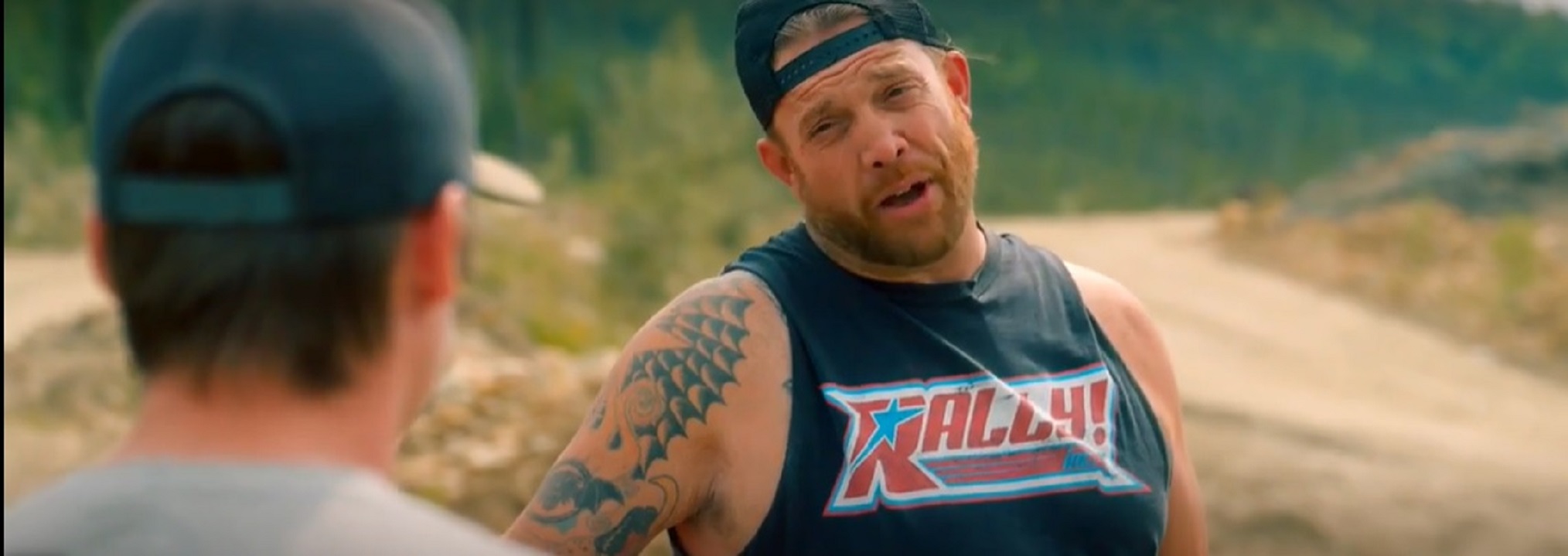
That move carries both hope and concern. Vegas Valley previously delivered vital results for Rick, but it also comes with unresolved safety issues that cannot be ignored. This means any return would need to happen quickly and carefully. For Rick, the final weeks are no longer about building momentum. They are about preserving the season and keeping future options alive.
There is also uncertainty around Duncan Creek, where possible opportunities remain clouded by questions over the ground’s real potential. For a miner already under pressure, any new commitment would need to be weighed very carefully. Rick’s position reflects the difficult reality of late-season mining: survival often depends on choosing the least damaging path, not the most exciting one.
Kevin Beets, meanwhile, is dealing with a different kind of pressure. His challenge is not only about ounces in the gold room, but authority on the ground. Crew tensions and discipline issues have threatened to slow progress at a point when stability matters most. For Kevin, this stage of the season could become a test of leadership more than production.
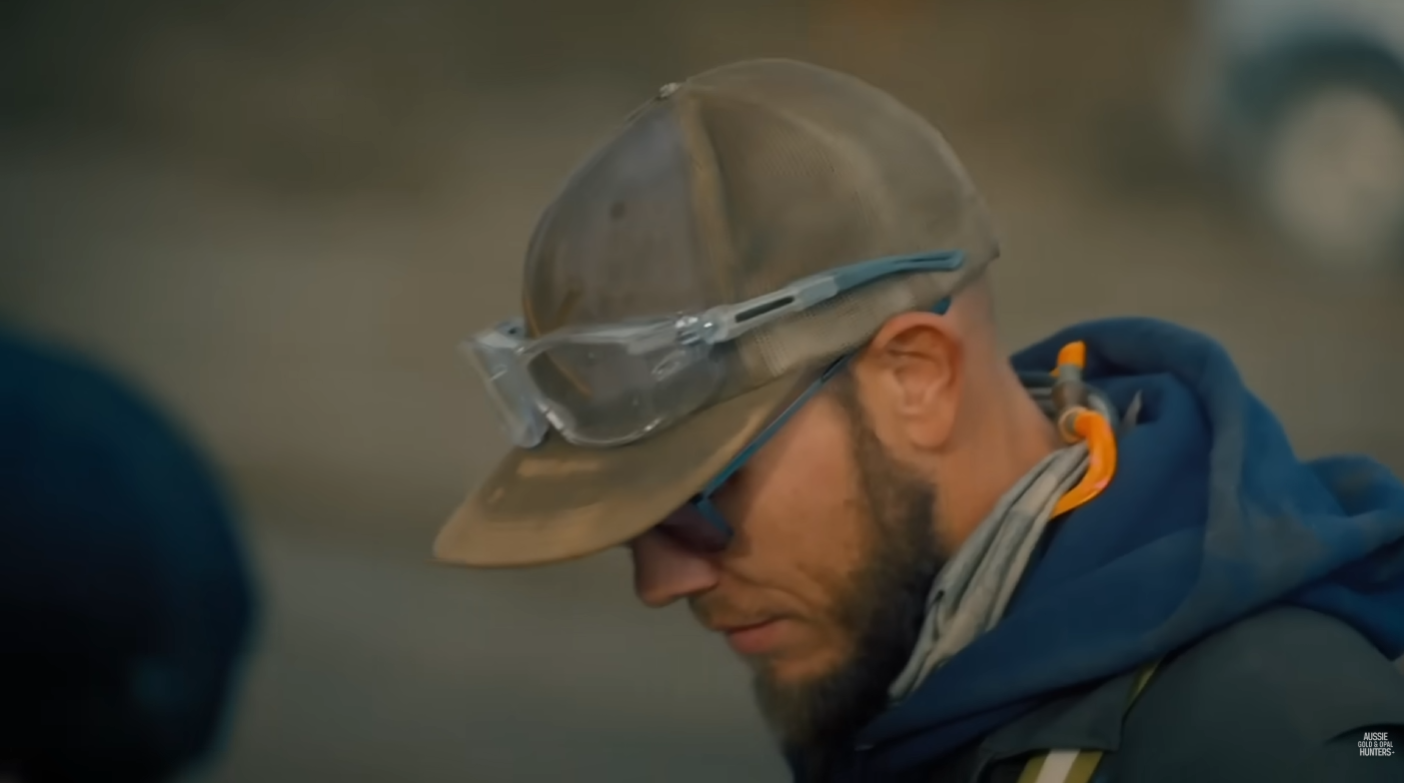
He is trying to prove that he can step forward as a mine boss in his own right, but leadership in the Klondike rarely develops under calm conditions. It is built during difficult shifts, poor decisions and uncomfortable calls. Whether Kevin can steady his team may prove just as important as any cleanup total.
All of this points to a closing stretch shaped by pressure, adaptation and control. Parker is pushing hard through expansion. Tony is strengthening his position while looking to the future. Rick is trying to rescue a season that has become increasingly fragile. Kevin is still trying to establish himself under strain.
As the season heads toward its conclusion, Gold Rush is no longer simply about who finds the most gold. It is about who can hold everything together when the margin for error disappears.
