Gold Rush season 16 heads for dramatic finish as Parker Schnabel and Tony Beets close in on 10,000 ounces


Gold Rush is heading into one of its most intense late-season stretches in years, with Parker Schnabel and Tony Beets locked in a tightening battle near the top, while Rick Ness fights to rescue his campaign before winter brings everything to a halt. Based on the developments outlined for episode 22, The Gold Ceiling, the pressure across the Yukon has reached a point where every breakdown, every repair and every ounce could decide how the season is remembered.
The central storyline remains the chase for the 10,000-ounce mark, a target that has become both a practical and symbolic prize. Parker is still leading, having pushed his season total to around 9,600 ounces, with Tony close behind on roughly 9,300. That gap is narrow enough to keep both operations under enormous strain. One strong cleanup for Tony, or one costly delay for Parker, could shift the balance almost immediately.
For Parker, the latest challenge comes from the very strategy that has kept him ahead. His push to run multiple wash plants and process more ground than ever has delivered impressive numbers, but it has also increased the pressure on equipment. In episode 22, that pressure shows up in a dangerous way when Roxanne, a wash plant that is only two years old, is found to have serious structural cracks in key support tubes. At this stage of the season, a full repair would mean at least two days of lost production. With gold prices surging, that is time Parker’s team clearly feels it cannot afford to lose.
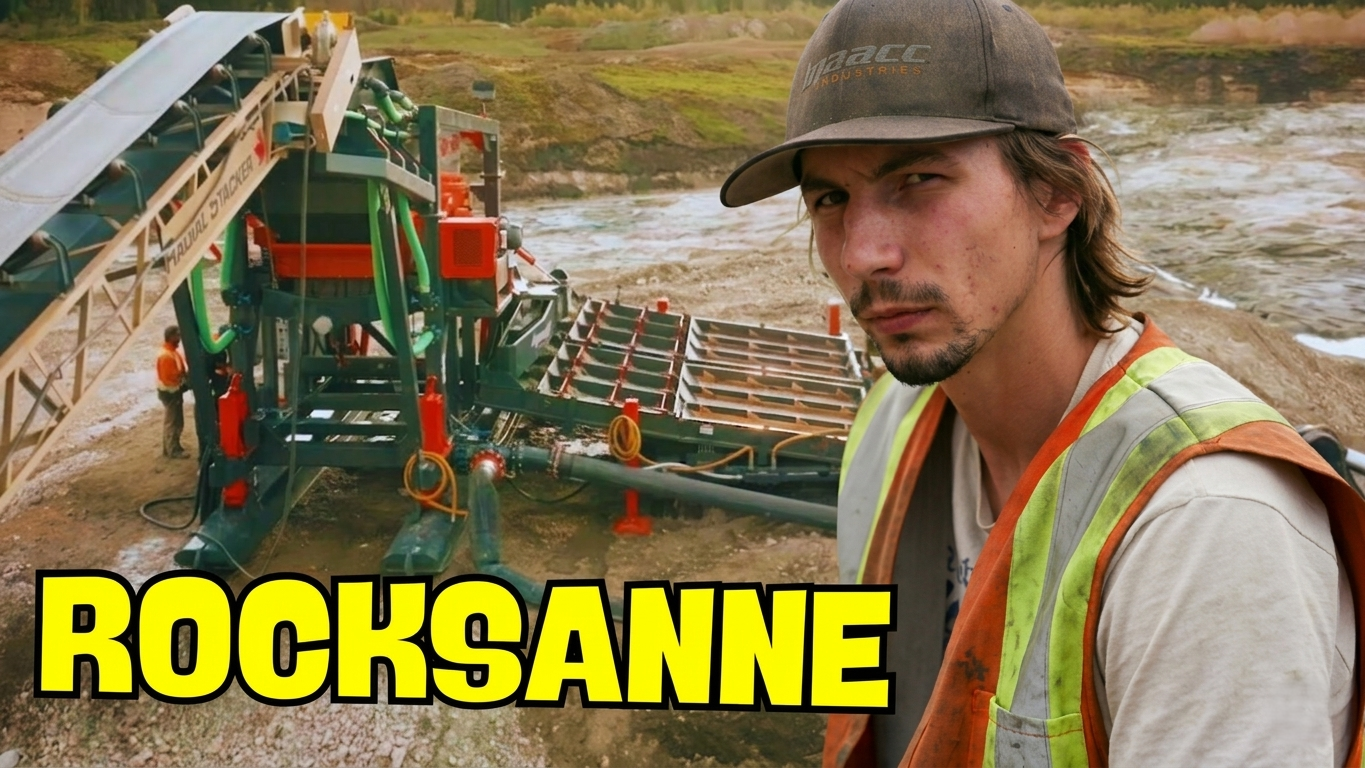
Instead of shutting the plant down for a full rebuild, the crew opts for a temporary fix. Screens are removed, damaged metal is welded, and the team does what it can to reinforce the plant enough to keep it running through the remainder of the season. It is a revealing choice. Parker’s camp is no longer thinking only about the safest long-term solution. It is thinking about survival, output and keeping momentum alive in a race where every hour matters.
That urgency is underscored by a frightening moment during the repairs, when one worker suffers a second-degree burn after molten metal flies into his boot. The injury is handled quickly, and the worker remains in good spirits, but the incident serves as a stark reminder of the dangers that surround this kind of operation. Mining is not simply about mechanics and recovery totals. It is a physically punishing environment where small errors can carry serious consequences.
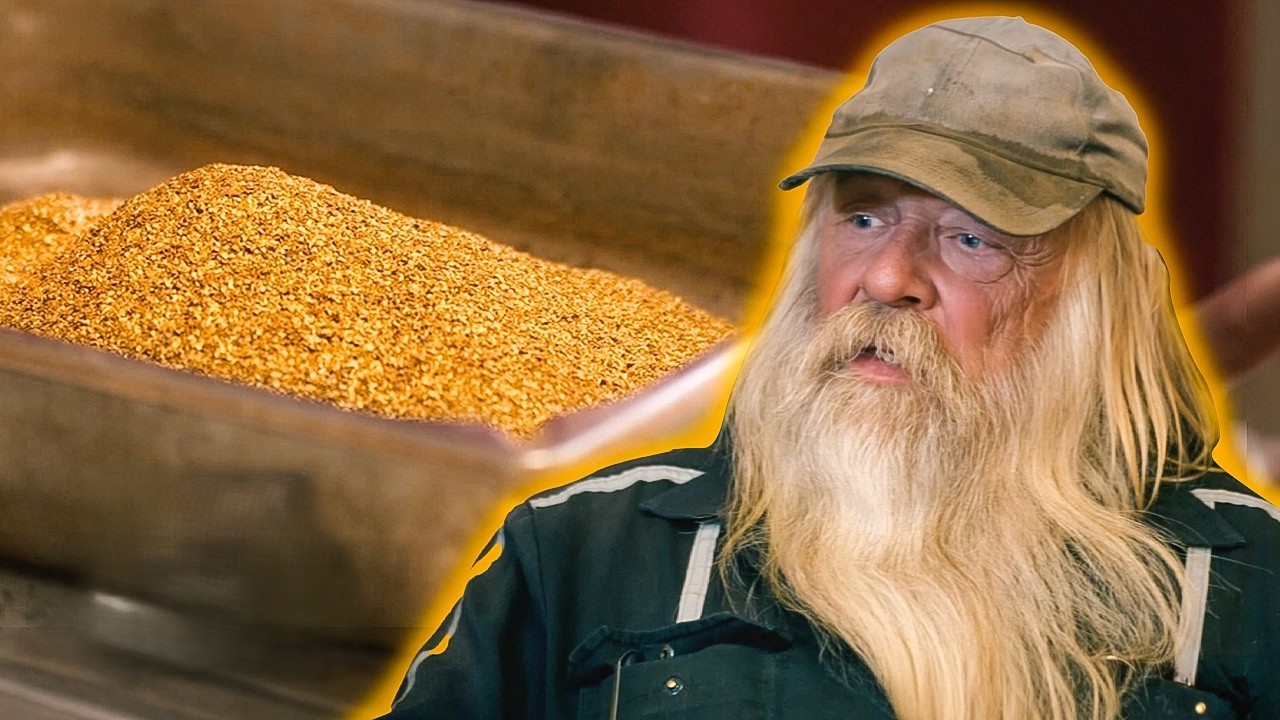
While Parker tries to hold his lead together under mounting pressure, Tony Beets appears to be gathering momentum at exactly the right time. Tony has successfully brought Harold online, giving him four wash plants running simultaneously. That added scale has already delivered results, with production climbing to more than 1,000 ounces in a single week. For a miner like Tony, who has built his reputation on relentless output and hard-earned experience, that is a powerful statement so late in the season.
Yet Tony’s position is hardly comfortable. Running four wash plants at once creates opportunity, but it also multiplies the risk of disruption. Pumps, belts, engines, screens and conveyors all need to keep working. One weak point can cause delays. More than one can quickly threaten the whole schedule. Tony may have momentum, but the article makes clear that he understands how fragile that advantage can be. He is close enough to challenge Parker seriously, but only if his operation stays stable when the pressure is at its highest.
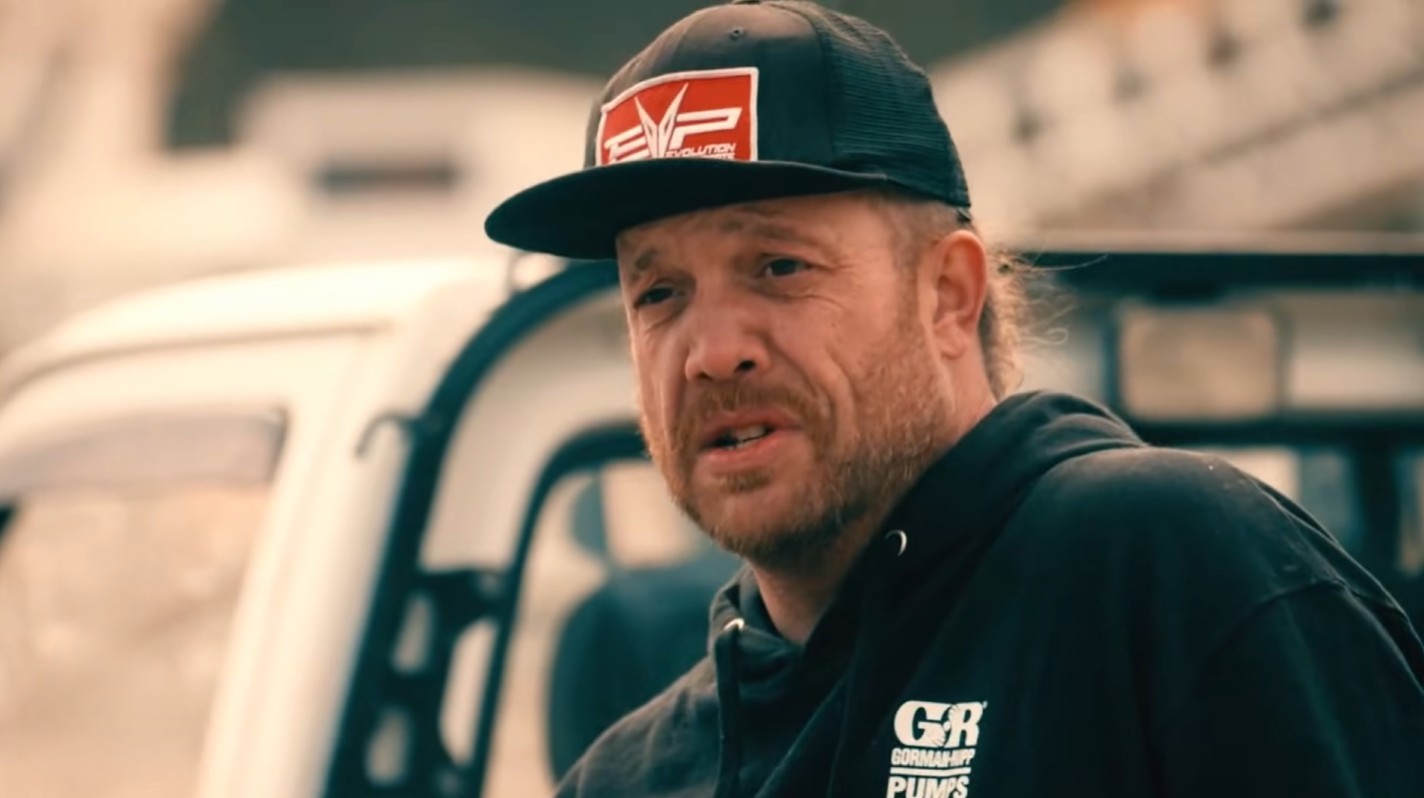
Elsewhere, Rick Ness faces a very different late-season reality. He is not chasing first place. He is trying to salvage a season that has repeatedly threatened to slip away. With Vegas Valley running out, Rick’s hopes now rest on a new area called the Last Chance Cut, a name that feels painfully appropriate. If the ground pays, he still has a route toward his 1,800-ounce target. If it does not, the year may end as another difficult chapter.
Rick approaches the new cut carefully, using a controlled drainage plan to release trapped water and prepare the ground for excavation. He then turns to a recently rebuilt 700 excavator, a machine he badly needs after spending $50,000 on a new engine. For a moment, it looks as though the season may finally be giving him an opening. But the optimism does not last. While clearing trees near the edge of the cut, Rick catches a hydraulic line and the machine springs a leak, triggering yet another setback at the worst possible time.

That repeated mechanical frustration has defined much of Rick’s year, but there is still a sense that his season has found some late life. His total has reportedly climbed to around 1,100 ounces, putting him closer to Kevin Beets, who is sitting near 1,200. Rick may not be able to join the battle at the very top, but he has given himself a genuine chance to finish on a stronger note than once seemed possible.
Taken together, episode 22 looks set to capture Gold Rush at its most compelling: Parker trying to protect a lead under technical strain, Tony pressing hard with a larger operation, and Rick battling breakdowns as he searches for one final turnaround. With gold prices at record highs and the season nearly over, the ceiling is no longer just about how much gold is left in the ground. It is about how much pressure each crew can withstand before time runs out