Parker Schnabel Faces a New Gold Frontier After Brazil Mine Visit Reveals $90 Million-a-Year Operation

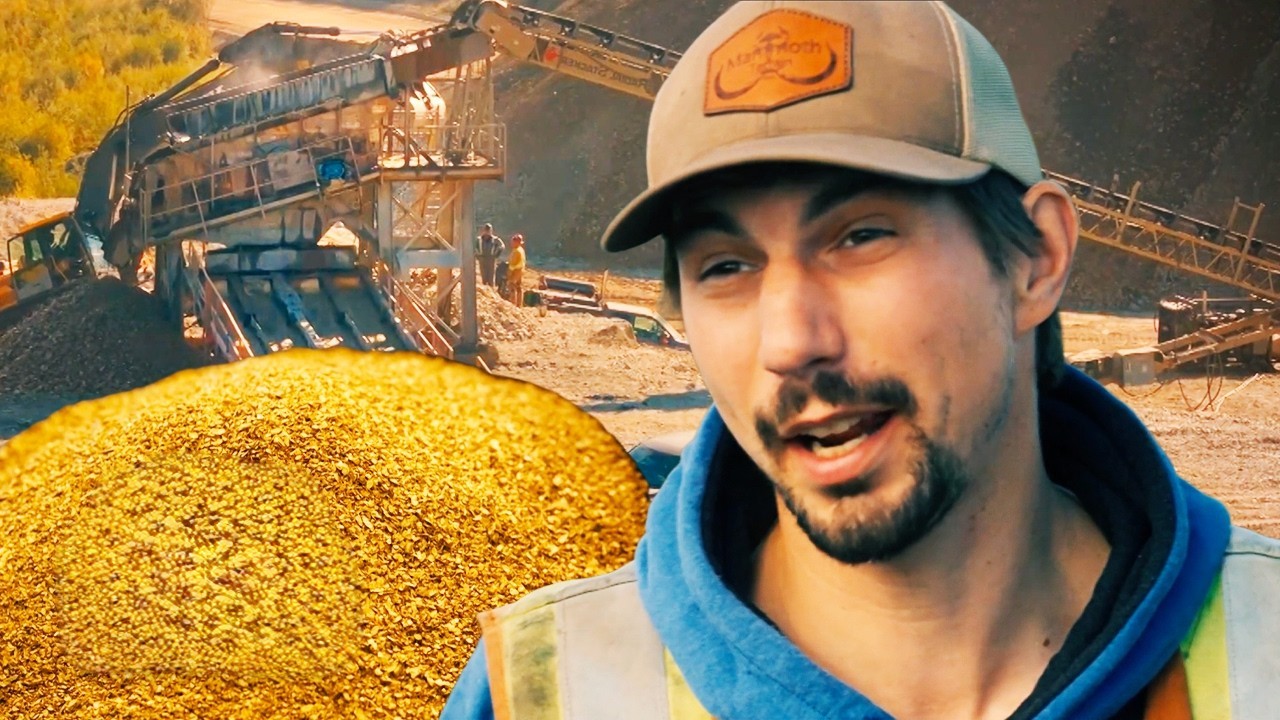
Parker Schnabel’s trip to Brazil may become one of the most important turning points of his mining career.
The Gold Rush star travelled to the Poconé region, a mining district known for its hard rock gold deposits, expecting to study a different style of operation. What he found was far larger than a simple field lesson. At the Selenus gold mine, Parker was shown a year-round industrial operation producing gold on a scale that makes even his successful Yukon business look limited by comparison.
The mine, owned by Brazilian operator Nay, spans about 1,200 acres and employs more than 600 people. Its processing plant handles around 11,000 tons of material every day, with the site reportedly producing five to six kilos of gold in a 24-hour period. That is roughly four 45-ounce bars a day, worth about $250,000 in daily output.
Over a full year, the figure rises to around $90 million in gold production.
For Parker, who built his reputation in the Yukon’s unforgiving placer mining fields, the numbers were difficult to ignore. His Canadian operation depends on a short seasonal window, frozen ground, long supply chains and constant pressure to move fast before winter returns. In Brazil, Selenus operates almost all year, without the same freeze-and-thaw limitations that shape every major decision in the north.
That contrast appears to have left a lasting impression.

A Different Kind of Gold Mining
The Poconé region is built around hard rock mining, but Selenus has a rare geological advantage. The gold-bearing veins sit in rock that is soft enough to be dug by excavators without extensive blasting, while still firm enough to support open-pit walls.
That combination changes the economics of the operation.
In many hard rock mines, drilling and blasting add major cost, time and risk to each stage of production. At Selenus, excavators can follow the veins directly through the pit, removing gold-rich material more efficiently. Parker was shown how the main vein runs through the property, with smaller veins branching out from it like ribs from a spine.
For an operator used to chasing gold through frozen gravel, the Brazilian model offered a completely different vision of what mining could become.
Selenus does not simply mine gold. It maps, processes and recovers it through a highly engineered system. That level of organization is what seemed to capture Parker’s attention most.
The $15 Million Plant That Changed Everything
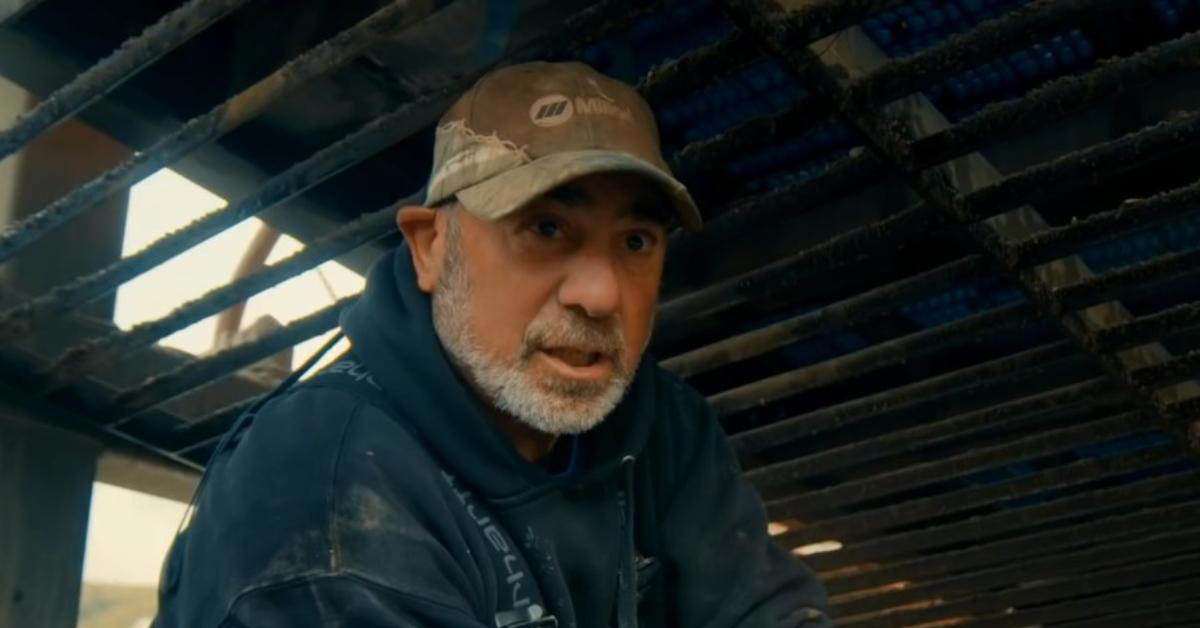
One of the most important parts of Parker’s visit was the processing plant.
The mine previously used mercury-based recovery, a method common in parts of the region but widely criticized because of health and environmental concerns. Under Nay’s leadership, the operation moved to a modern cyanide recovery system. According to the figures discussed during the visit, recovery improved from around 90% under mercury to about 98% with the newer process.
That eight-point increase is enormous when applied to a mine processing 11,000 tons of material every day.
The plant reportedly cost about $15 million to build, but the payback period was described as months rather than years. On a deposit producing gold at Selenus’ scale, the extra recovery can represent millions of dollars that would otherwise remain in the waste stream.
The system is monitored through a central control room, where operators track crushers, conveyors, tanks and chemical readings. If any stage moves outside safe limits, the process can be stopped or isolated. For Parker, the facility offered a practical example of how a modern hard rock mine can operate when the deposit, capital and engineering all align.
It was not only the machinery that mattered. Nay’s biggest challenge was reportedly changing the culture around recovery methods and convincing workers and the surrounding community that a controlled cyanide system could replace older practices.
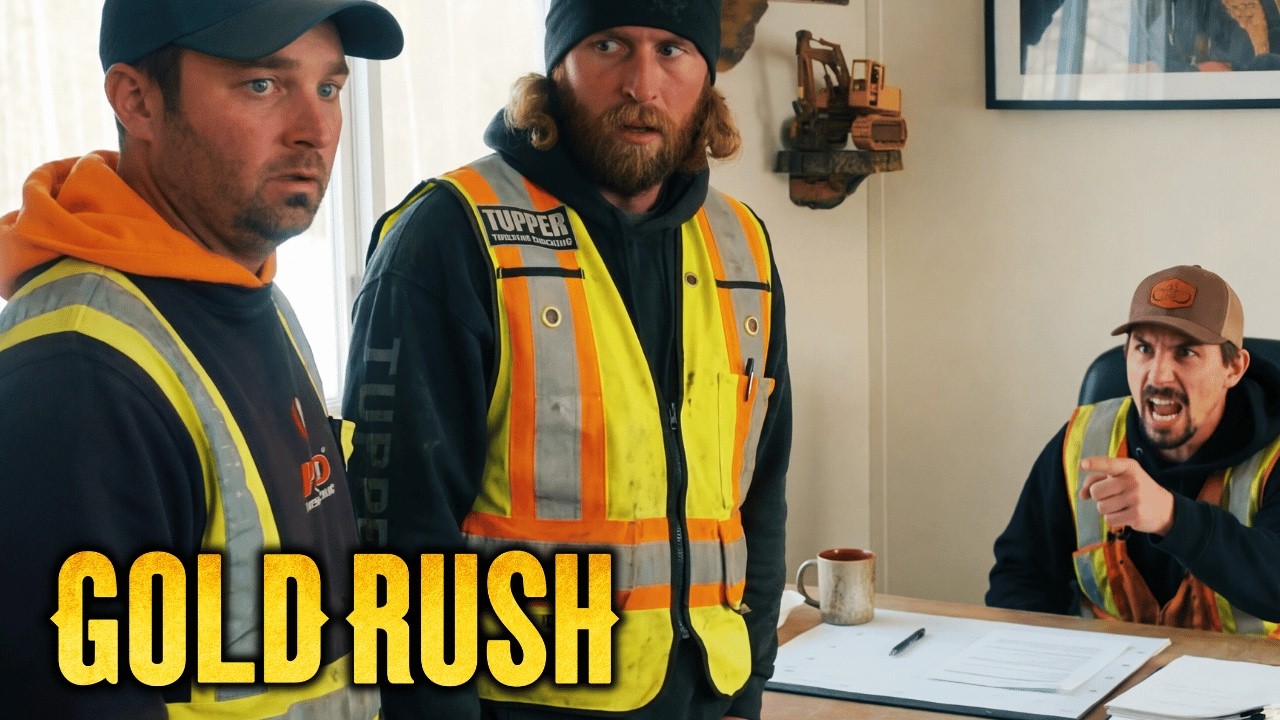
That detail may be important for Parker if he ever pursues mining in Brazil. The equipment can be bought, but local trust and operating knowledge take far longer to build.
A $400 Million Conversation
The visit reached its most interesting point when Parker asked what the whole operation might be worth.
The answer was about $400 million.
That figure covered more than gold in the ground. It reflected land, equipment, workforce, plant infrastructure, contracts and the operating system Nay had built since acquiring the mine in 2015. For Parker, it confirmed that he was not simply looking at a productive mine. He was looking at a mining empire built around one of the most valuable sections of a rare deposit.
Then came the moment that could shape future speculation around Parker’s next move.
Nay appeared to offer Parker a partnership opportunity, delivered with a smile but carrying real weight after everything Parker had just seen. Parker responded lightly, but the moment did not feel meaningless. Nay had watched him ask detailed questions and assess the operation like a serious miner, not a tourist.
In mining, those conversations can matter.
Why Brazil Could Change Parker’s Future
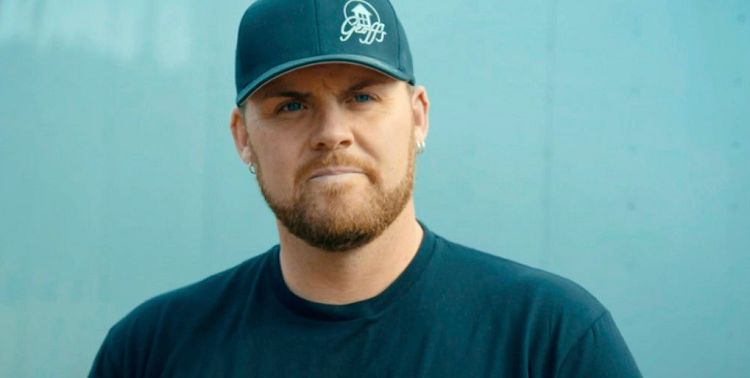
Parker is unlikely to abandon the Yukon. His business, crew and identity are still tied to the northern mining world. But Brazil may represent something the Yukon cannot offer: year-round production, a larger hard rock path and access to deposits that operate on a different financial scale.
The challenges would be significant. Brazil has different permitting systems, labor rules, environmental expectations and political pressures. Foreign operators cannot simply arrive and begin mining without trusted local relationships. That is why Nay’s invitation, even if informal, could be so valuable.
Parker has the ambition and operating experience. Nay has the land, the plant, the local knowledge and decades of Brazilian mining expertise.
Together, the combination could become one of the most intriguing possibilities in Parker’s career.
For now, the Brazil trip stands as a clear sign that Parker is thinking beyond placer mining. He has seen what a full-scale hard rock operation can produce when geology and engineering work together. He has held the finished gold in his hands, watched the plant run, and studied the numbers closely.
The Yukon made Parker Schnabel famous. Brazil may have shown him the next frontier.