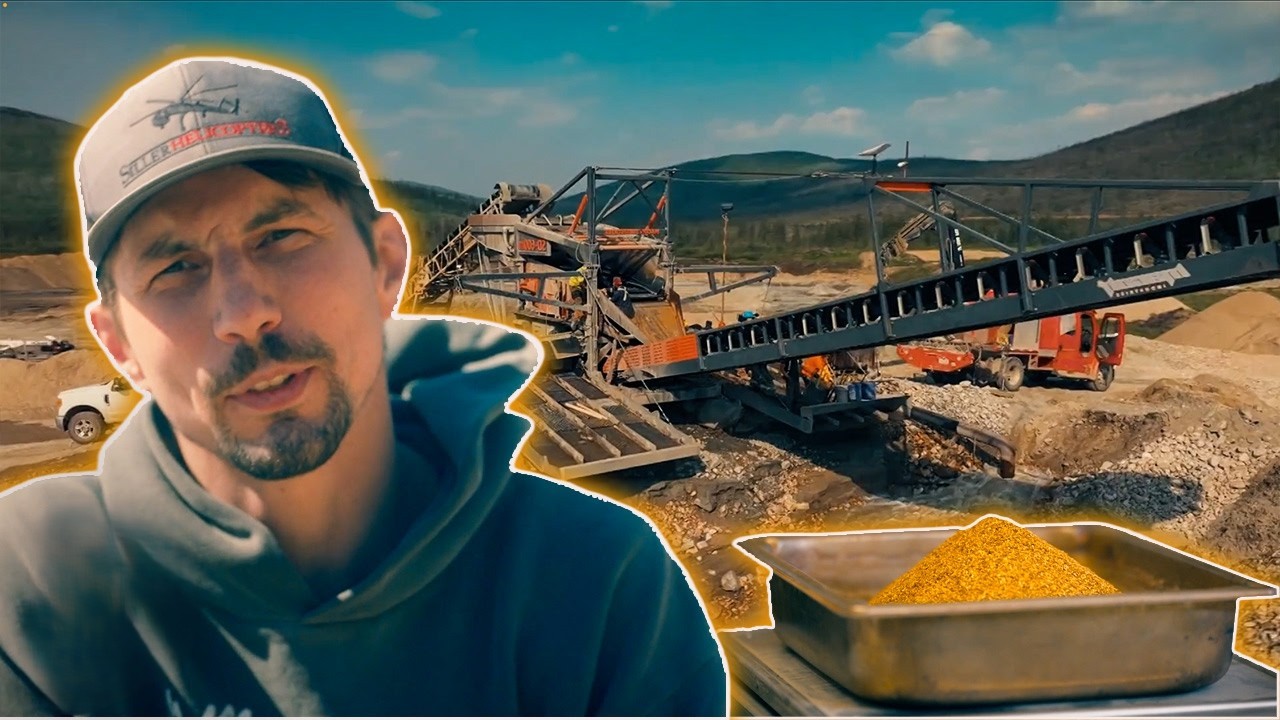
Parker Schnabel’s ambitious push to accelerate production in the Klondike has entered a critical phase, as the young mine boss deploys four wash plants simultaneously for the first time in his career. The strategy, designed to fast-track progress toward a 10,000-ounce seasonal target, is delivering mixed results, highlighting both the potential and the pressure of operating at such scale.
At Dominion Creek and surrounding claims, Schnabel’s operation has become a tightly coordinated system of moving parts. With wash plants Roxanne, Sluicifer, Big Red, and Big Bob all in play, the goal is simple: process as much pay dirt as possible, as quickly as possible. But as recent weigh-ins show, execution is far more complex.
The latest gold tally revealed a weekly total of 669.85 ounces from all four plants combined, bringing the season total close to 5,000 ounces. While the figure represents a substantial output, it also marks a slight dip compared to previous weeks, raising questions about consistency at such a high operational tempo.
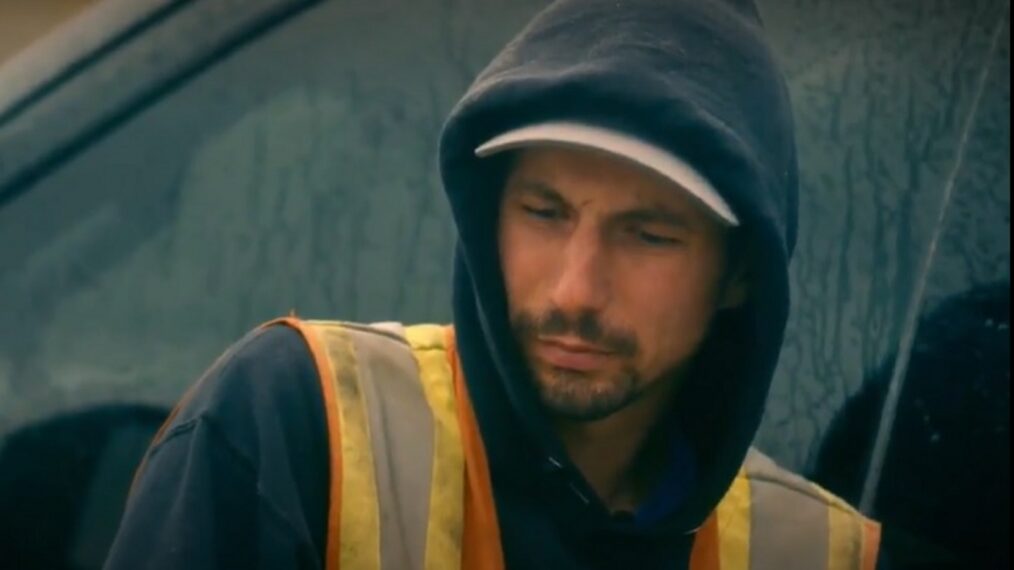
Earlier in the season, Schnabel’s team demonstrated the system’s potential. One standout week delivered more than 670 ounces, with individual plants exceeding expectations. The Sluicifer plant alone produced over 300 ounces from Sulphur Creek, while Roxanne and Big Bob consistently added significant contributions. These results reinforced confidence that scaling up could be the key to hitting long-term targets.
However, recent figures suggest diminishing returns may be creeping in. Despite running more equipment and moving greater volumes of material, overall output has not increased proportionally. In fact, back-to-back weekly declines have placed additional pressure on the crew to identify higher-grade ground and improve efficiency.
Much of the challenge lies in the variability of the pay dirt. While some cuts, such as the Golden Mile, have delivered strong yields averaging around 200 ounces per week, others—like the Bridge Cut—have proven less reliable. Lower-grade material has slowed production, forcing the team to reassess where to focus their efforts next.
Operational complexity is another factor. Managing four wash plants requires precise coordination, from equipment moves to crew allocation. During one particularly demanding week, the team completed multiple plant relocations while continuing to process material, stretching resources thin. Even minor communication breakdowns—such as unclear messages from crew members in the field—have the potential to disrupt workflow and delay response times.
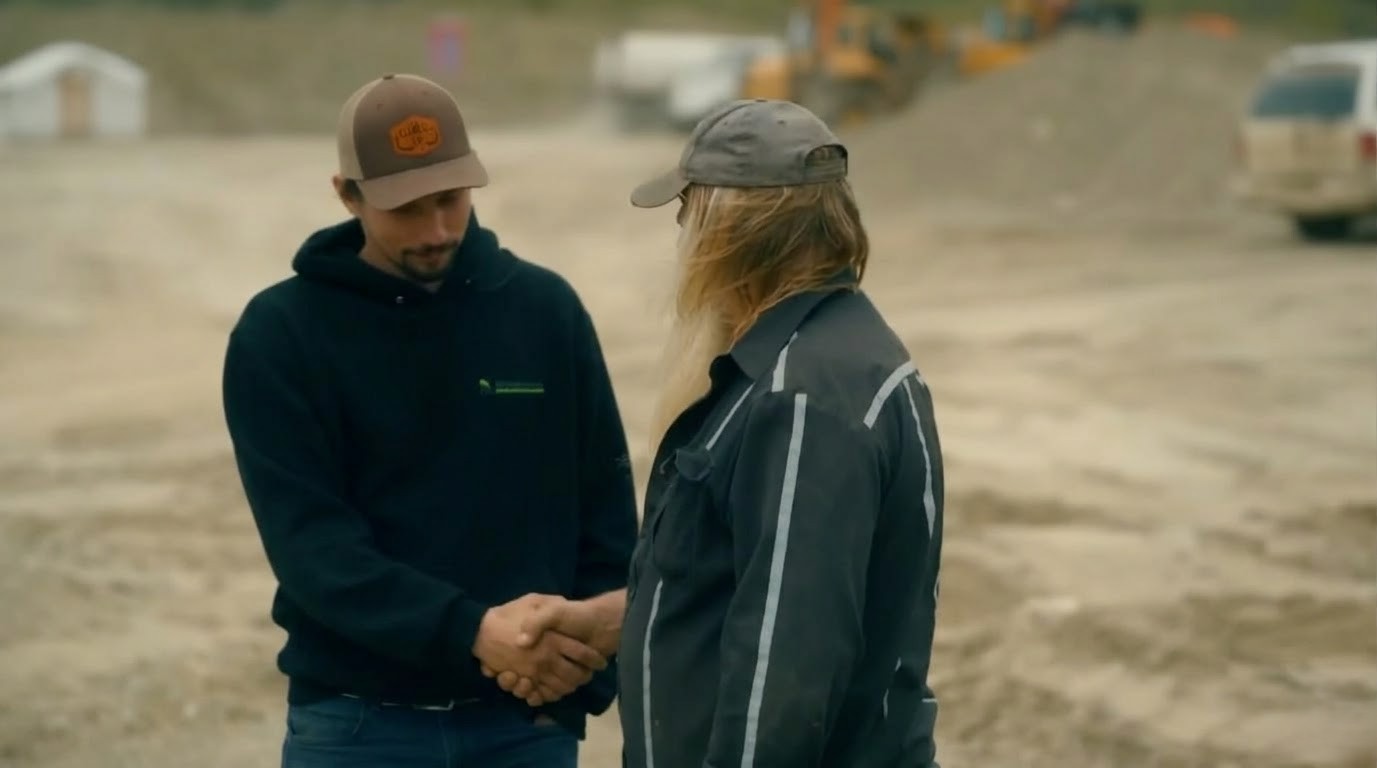
Still, there are clear signs of resilience within the operation. Foreman Mitch Blaschke’s leadership at Roxanne continues to deliver steady results, while Tyson Lee oversees multiple plants under increasingly demanding conditions. Their ability to keep machines running, even amid challenges such as wildfires and logistical bottlenecks, has been central to maintaining momentum.
Schnabel himself remains cautiously optimistic. While acknowledging that production has slowed compared to the early season surge, he emphasises that the team is still moving forward. With more than 6,700 ounces accumulated so far, the broader trajectory remains positive—provided the crew can regain consistency.
The introduction of Big Red, an older wash plant brought back into service, reflects Schnabel’s willingness to maximise every available resource. Although its initial output was modest due to limited run time, the plant is expected to play a larger role as operations stabilise.
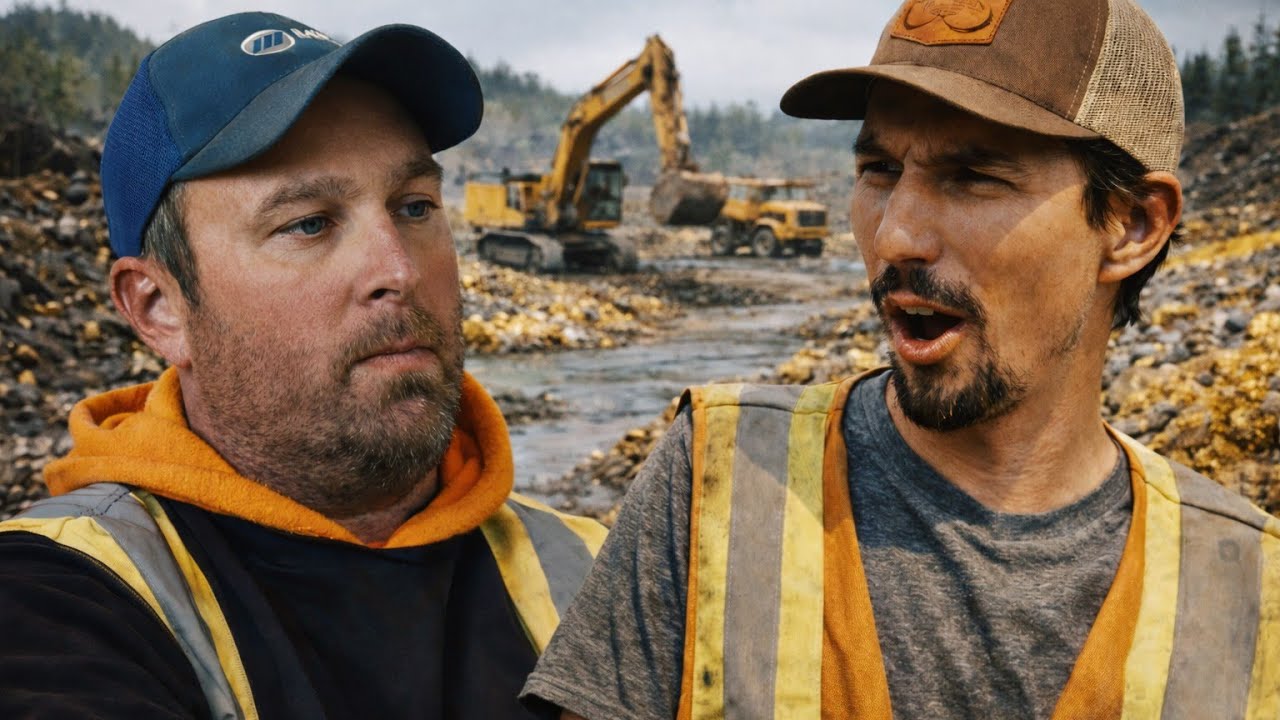
Looking ahead, the key challenge will be balancing scale with efficiency. Running multiple plants increases capacity, but only if the ground being processed justifies the effort. Without higher-grade deposits, the cost of maintaining such a large operation—reportedly nearing a million dollars per week—could outweigh the benefits.
For now, Schnabel’s four-plant strategy remains a bold experiment in modern gold mining. It has already demonstrated moments of impressive productivity, but also exposed the fine margins that define success in the Klondike.
As the season progresses into its second half, one question looms large: can Parker Schnabel’s expanded operation regain its early momentum, or will the sheer scale of the effort begin to work against him?