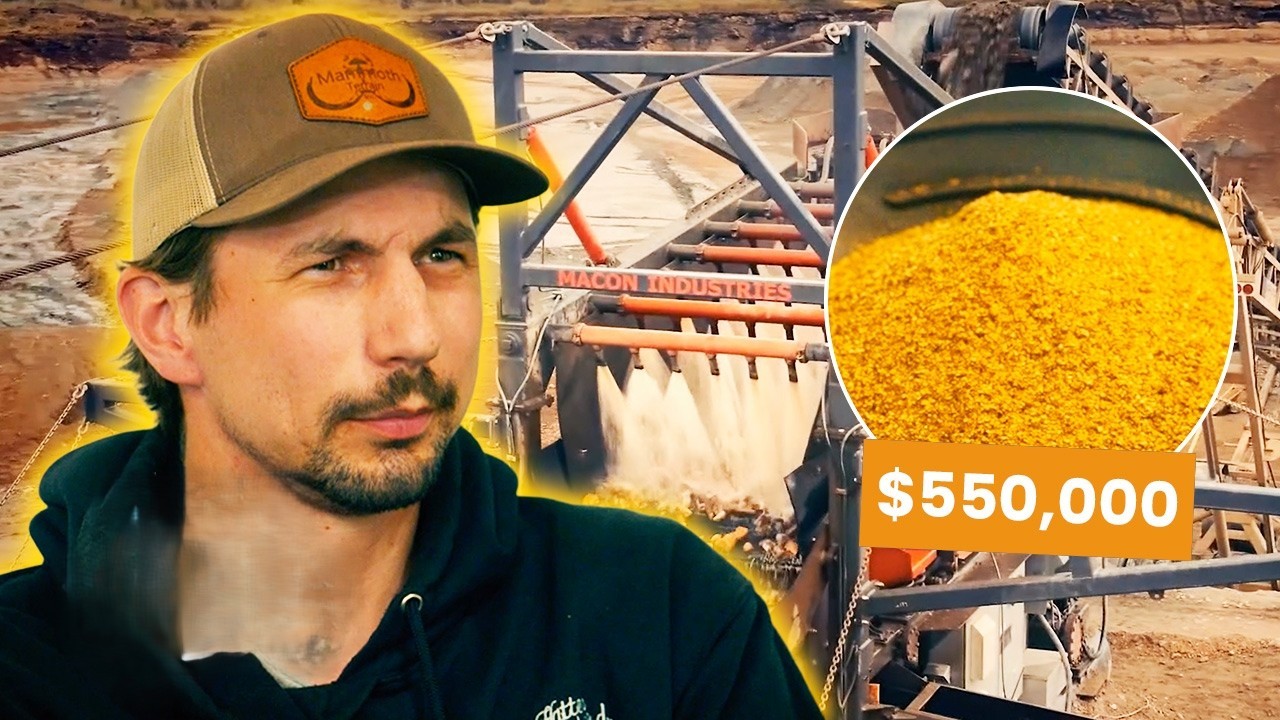
Parker Schnabel has launched what may be the most ambitious season of his mining career, setting a target of 10,000 ounces as soaring gold prices transform every cleanup into a potential windfall.
With gold pushing past $3,500 an ounce, that target would make the season worth roughly $35 million in raw gold. It is a figure large enough to change the scale of Parker’s entire operation, but also one that brings immense pressure. After years of building one of the Yukon’s most aggressive mining businesses, Parker now finds himself chasing a number he knows will define the season, and possibly his legacy.
He admitted as much in a conversation with fellow miner Tony Beets, who immediately recognised the significance of the current gold market. Even with daily swings causing concern, Parker knows the broader picture has changed. A drop of a few hundred dollars still leaves gold far above where it stood in past seasons, meaning the rewards for success are enormous. But Parker also knows that wanting 10,000 ounces and actually mining it are very different things. He told Tony that 6,000 to 6,500 ounces would represent a solid baseline, while anything beyond that would move into far more exceptional territory.

The scale of the challenge is brutal. To reach 10,000 ounces, Parker needs multiple wash plants running at once, crews operating at peak level from the opening weeks, dependable machinery, steady supplies and enough good weather to keep the ground moving. In the Yukon, even one breakdown, one licensing issue or one stretch of poor conditions can derail months of planning. This season, the trouble began almost immediately.
At Dominion Creek, Parker was forced to deal with severe rotten ice in the Bridge Cut, one of the most important areas in his operation. Instead of breaking cleanly, the ice crumbled and refroze, turning what should have been a manageable task into an expensive grind. Parker had little choice but to pay for the ice to be trucked out, despite clearly not wanting the added cost. Every day spent removing ice was a day not spent washing pay dirt, and for a miner chasing 10,000 ounces in a short season, those lost days matter enormously.
But the bigger story came from a decision that reached into Parker’s past.
Knowing he needed more than just ground and machinery, Parker made an unexpected call to Brennan, a miner who had once been one of his strongest operators before a bitter split five years ago. Brennan had left and built a new role on another crew, making it clear through years of absence that he was not coming back. Yet Parker swallowed his pride and made the offer anyway, hoping that old chemistry and unfinished business might help strengthen his chances of reaching the huge target now in front of him.

The move stunned Brennan’s current team. He arrived to tell them he had been offered another job and that Parker was the one behind it. The reaction was mixed, with frustration and disappointment clear among the crew who had planned their season around him. Brennan himself appeared conflicted, acknowledging that leaving them at such a point was difficult. But he also explained that Parker’s offer aligned with his long-term goals and represented an opportunity he did not want to ignore.
What made the decision especially significant was where Parker intended to send him.
At Sulphur Creek, Mitch had been working largely alone on a huge cut under intense time pressure. Parker’s water licence there was due to expire in just 10 weeks, leaving little margin for delay. Without more help, the crew risked leaving gold in the ground simply because they could not strip and wash the area fast enough. Parker’s answer was to reunite Brennan and Mitch, a pairing that had once been central to his success. On Scribner Creek, the two had worked in rare sync, developing the kind of instinctive coordination that mining crews spend years trying to build.
The reunion was immediate and effective. When Brennan arrived, Mitch was stunned, but the old rhythm returned almost instantly. Within minutes they were back in the cut, moving dirt as though the five-year separation had barely happened. Brennan even told Mitch he had missed working with him every day he had been away. For Parker, the scene confirmed why he made the call. This was not only about labour. It was about restoring a partnership he believed could still deliver under pressure.
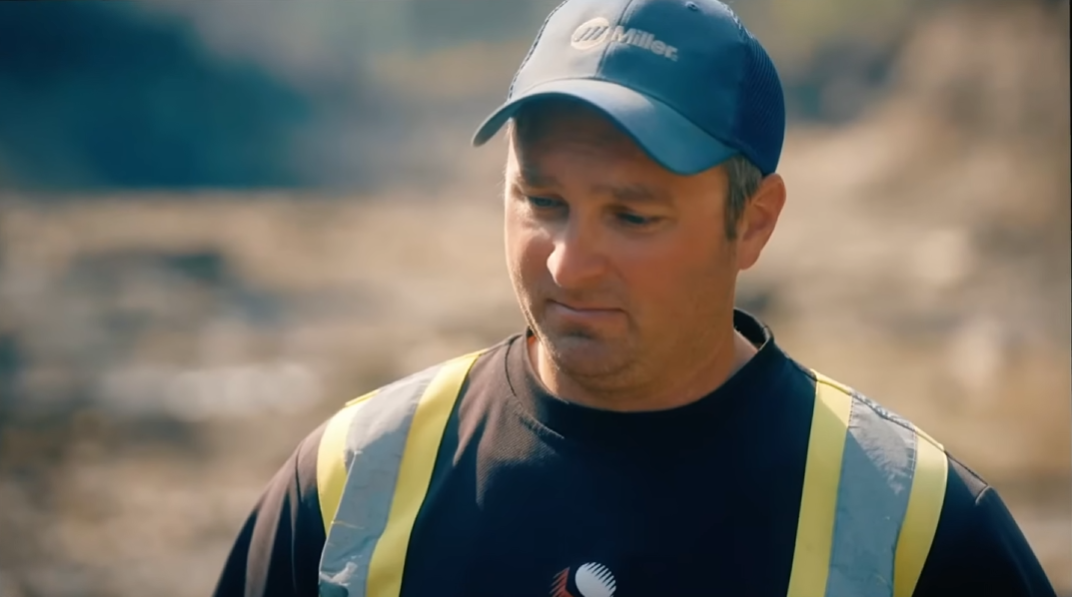
Back at Dominion, another setback had to be solved before the season could fully begin. Wash plant Bob suffered a seized feed-chain system that destroyed bearings and a sprocket, leaving the plant dead in the water. Mechanics Bill Horton and Justin Dresen were brought in for an emergency redesign, replacing the failed setup with a more direct system. Once the repairs were completed, Tyson fired the plant up and the first pay dirt of the season finally began to run.
The first cleanup brought a welcome lift. After just three days of sluicing with one wash plant, the crew recovered 125.8 ounces, worth more than $440,000 at current prices. It was a strong opening number and enough to suggest that Dominion might indeed deliver the kind of gold Parker is counting on. Yet the result also underlined the scale of the challenge ahead. One good cleanup is only one week. Reaching 10,000 ounces will require that kind of performance again and again across multiple plants for the rest of the season.
For now, Parker has a running plant, a revived partnership at Sulphur Creek and the first signs that the gold might justify the risk. But the Yukon rarely rewards optimism for long. The target is enormous, the season is still young, and every week will test whether Parker’s boldest gamble can really hold together.