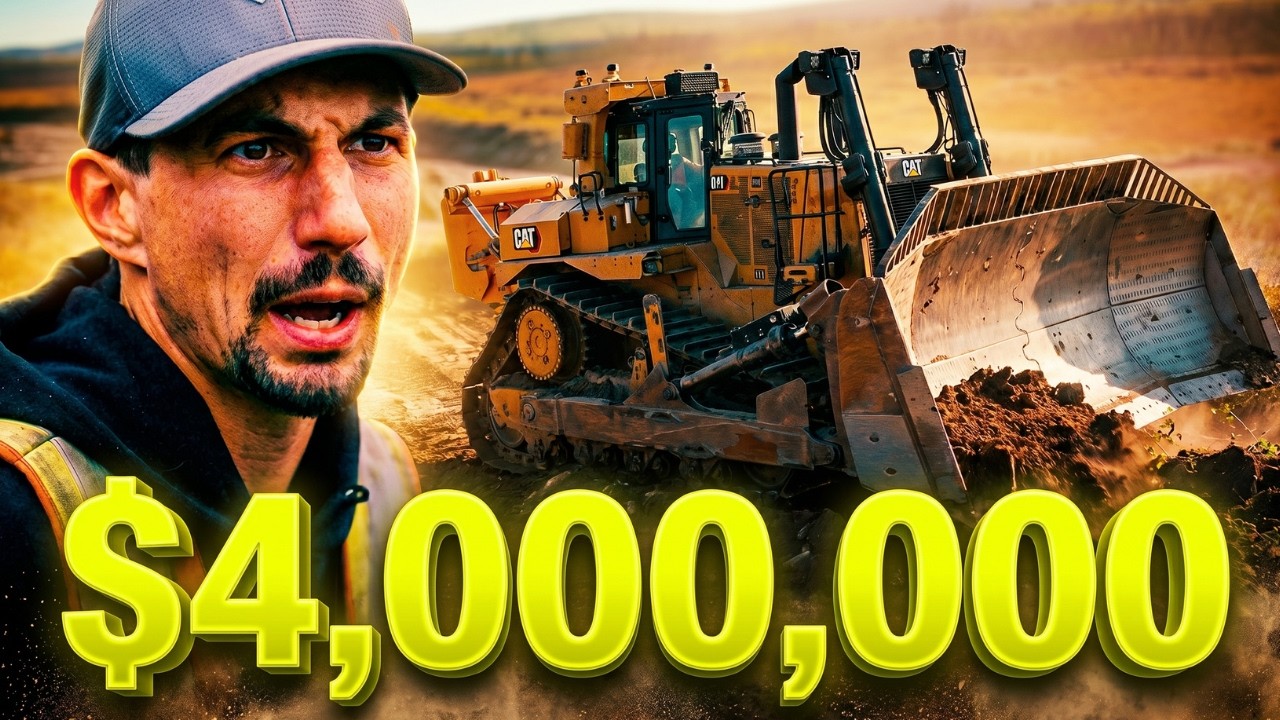
Parker Schnabel has never been known for standing still. On Gold Rush, the young mine boss has built his reputation on expansion, efficiency and an almost relentless willingness to pour money back into the ground. But his latest move may be one of the clearest signs yet that he is planning for something much larger than a strong finish to the current season.
As winter closes in on the Yukon, Schnabel’s Indian River operation is facing a familiar but urgent problem. The gold is still coming in, the wash plants are still running, and the season remains highly productive. Yet behind the weekly weigh-ins, another race is unfolding: the need to strip enough ground before freezing temperatures bring the operation to a halt.
At the centre of that pressure is a vast area of difficult ground, described by the crew as a mud-heavy, unstable stretch that threatens to slow preparations for next year. The work is not simply about keeping machines busy at the end of the season. For Schnabel, stripping ground before winter is the foundation of the following year’s mining plan. If the pay gravels are not exposed early enough, the crew can lose valuable time when the next season begins.
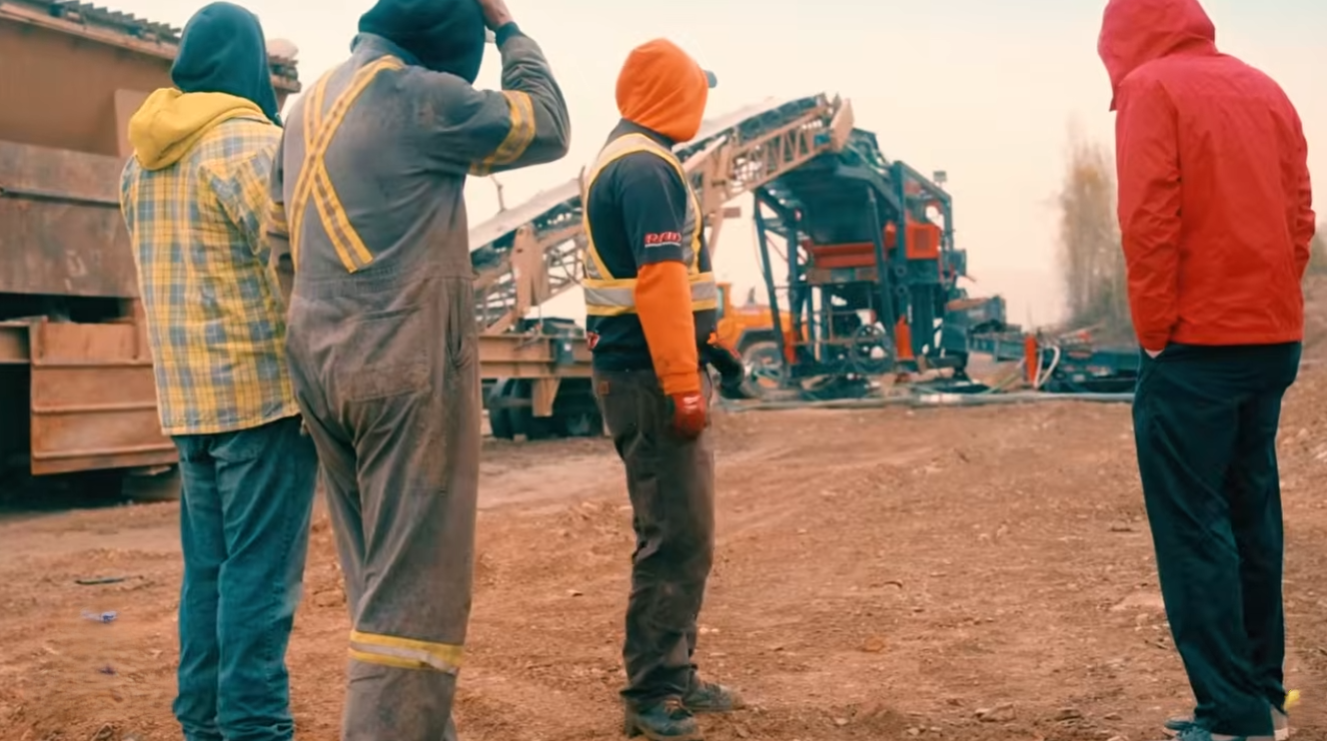
That is why the arrival of a brand-new Caterpillar D11 dozer has become such a major moment on the claim.
The machine, valued at around $4 million, is the largest dozer Schnabel has ever purchased. In a mining operation where every hour matters and every delay can cost thousands, the D11 is not just an expensive upgrade. It is a strategic investment designed to move more dirt, expose more ground and give the crew a better chance of staying ahead of the calendar.
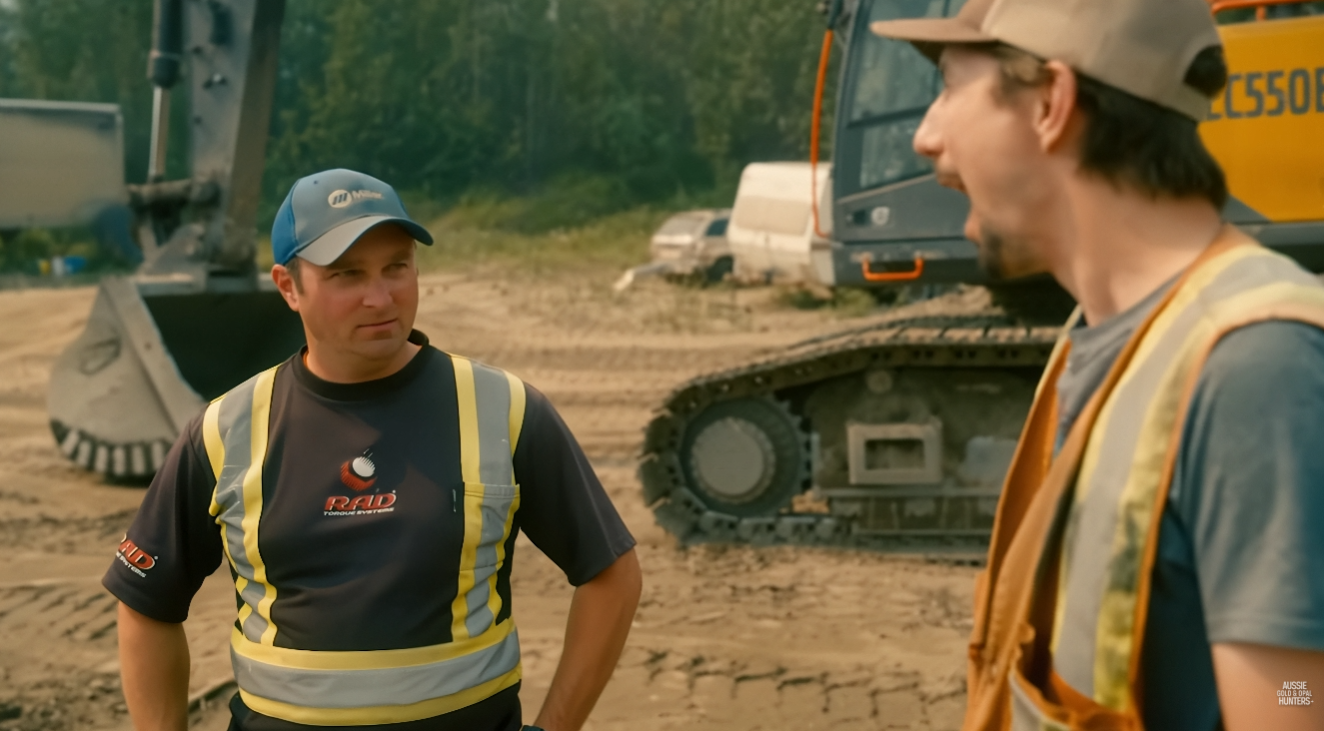
Foreman Mitch Blaschke has been under mounting pressure as he tries to balance active gold production with one of the largest stripping projects the team has attempted. On one side of the operation, the crew continues to mine remaining gold-bearing ground. On the other, they are opening a massive new cut that requires huge amounts of overburden to be removed before miners can reach the frozen layer beneath.
The process is slow, demanding and heavily dependent on weather. Once frozen ground is exposed to sunlight, it can begin to thaw naturally. That thawing is crucial, because it allows crews to reach the pay gravels more efficiently when mining resumes. But if winter arrives before enough ground is opened, the entire plan can fall behind.
The conditions have tested both the machinery and the crew. Deep mud has trapped equipment, slowed rock trucks and forced operators to work through difficult ground that changes almost by the hour. Even powerful dozers have struggled in the soft terrain, with machines sinking into unstable patches and requiring recovery from other operators.
Despite the frustration, the crew has kept working, often using humor to manage the pressure. But the stakes for the operation are serious. Falling behind on stripping now could reduce production later, and Schnabel knows that a large-scale mine cannot afford to spend the start of next season waiting for ground to become workable.
The D11 changes that calculation.
With greater pushing power, a larger blade and the ability to move far more material than smaller machines, the dozer gives the Indian River crew a much stronger weapon against the scale of the job. Its arrival immediately shifts the tone on site. What had looked like a grinding battle against mud and time begins to feel more manageable.
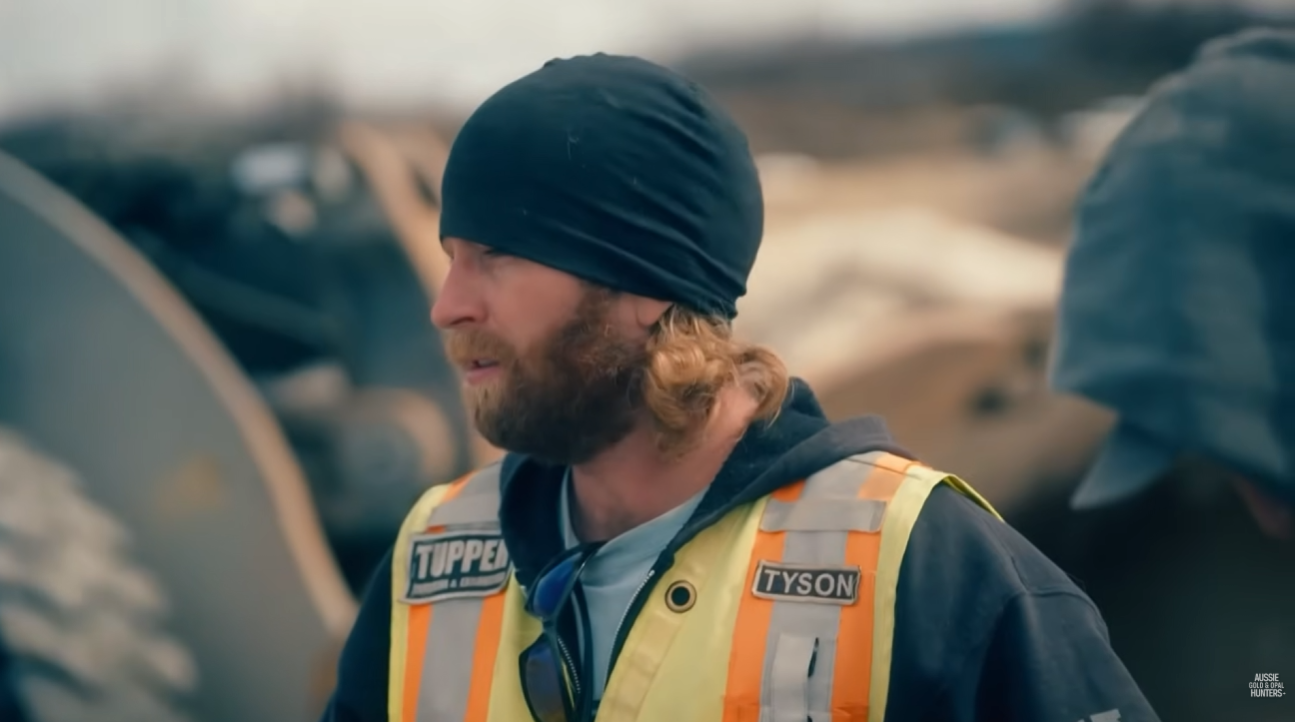
For Schnabel, the purchase also says something about his wider approach to mining. While many reality television figures might use success to step back from risk, Schnabel continues to reinvest in equipment, land and production capacity. His spending is not about display. It is about dirt moved, ground opened and ounces recovered.
That philosophy has helped make his operation one of the most formidable on Gold Rush. The weekly results underline the point. With multiple cuts producing and wash plants continuing to run at high capacity, Schnabel’s crew remains on course for a major season. Strong gold totals from the Bridge Cut, Golden Mile and Ken and Stewart’s Pit 2 suggest the operation is still accelerating even as the season nears its final stretch.
The D11 may prove especially important beyond this year. Every acre stripped before winter gives Schnabel a stronger starting position when the next season begins. If the crew can expose enough ground now, they could return with thawed pay ready to mine, reducing delays and increasing early-season production.
That is why the dozer is more than a late-season headline. It represents a long-term plan.
Schnabel is not only chasing this year’s gold total. He is building the next campaign before the current one has even ended. In the unforgiving world of Yukon mining, that kind of forward planning can separate a good operation from a dominant one.
The mud, cold and pressure are still there. A $4 million machine cannot remove every problem from a mine site. But it can change the pace of the work, and at Indian River, pace may be everything.
As Gold Rush moves toward the end of the season, Parker Schnabel’s newest machine stands as a symbol of where his operation is heading: bigger ground, bigger equipment and even bigger expectations.