Parker Schnabel’s Gold Operation Under Pressure as Costly Wash Plant Setback Threatens Big Week


Parker Schnabel’s mining operation faced a tense and expensive setback after signs emerged that one of his key wash plants was losing gold, placing even more pressure on an already stretched crew during a crucial stage of the season.
With Parker spending around $100,000 a day to keep his wash plants running, every hour matters. At Sulfur, Mitch and Brennan have been helping drive production, while Tyson has been carrying the added burden of overseeing two plants at Dominion. The workload has become increasingly demanding, with Tyson not only supervising active gold recovery but also trying to prepare wash plant Bob for a major move to a new location in the Bridge Cut at the Golden Mile.
That move was supposed to mark the next step in keeping production on track. Before Bob could be relocated, the team still needed to build a super stacker pad, a feeder pad, and a new wash plant pad, all within a matter of days. It was already shaping up to be a punishing week, with late nights expected just to stay on schedule.
But before that relocation could begin, trouble surfaced at Sluicifer.
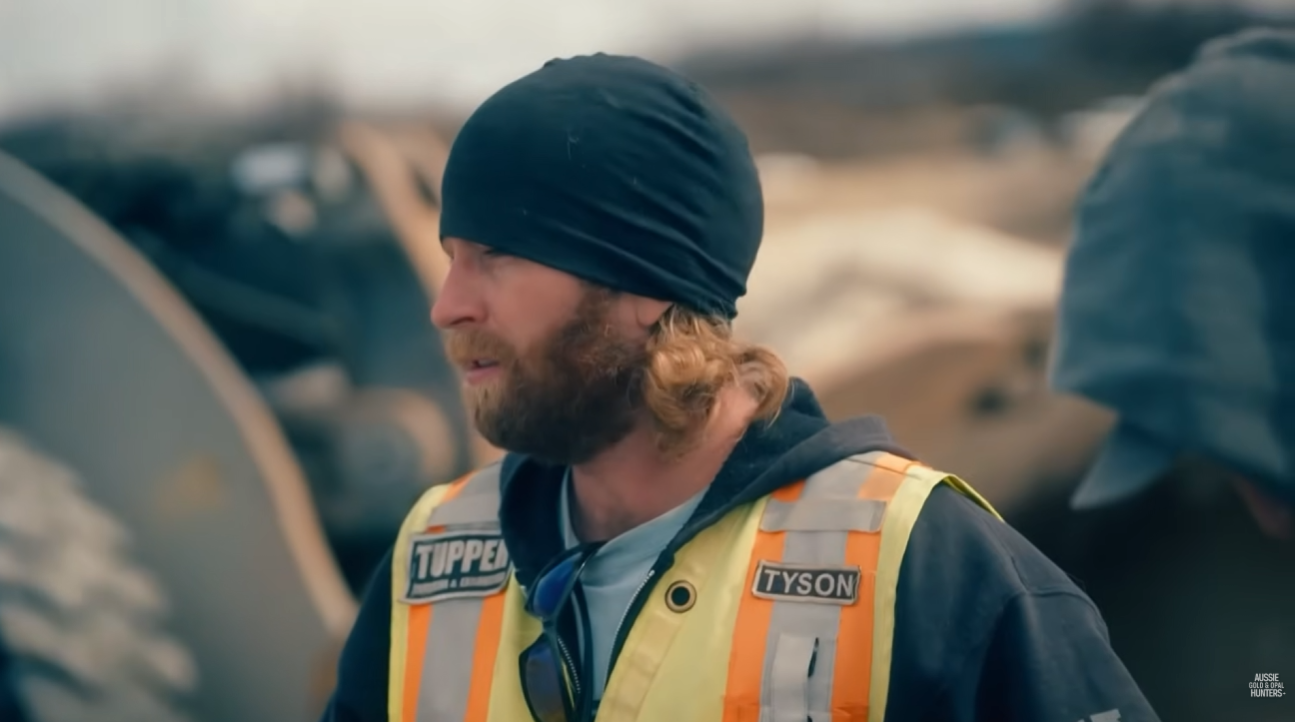
During a routine check, the cleanup crew noticed something alarming in the lower section of the sluice runs. Gold appeared to be sitting at the bottom, an indication that material may have been moving through the system too quickly. That raised the possibility that valuable gold was being washed straight out into the fine tailings instead of being trapped in the plant.
The discovery immediately triggered concern across the site. Tyson was called over to inspect the problem, and the seriousness of the issue quickly became clear. In an operation of this scale, where gold prices remain at historic highs, even a small recovery failure can mean major financial losses. If Sluicifer was indeed letting gold escape, Parker could have been losing a significant amount of money.
The problem appeared to lie in the speed and force of the slurry entering the sluice runs. Sluicifer processes around 250 yards of pay dirt an hour, and the volume of material pouring through the system was creating too much impact. Instead of settling properly behind the riffles, some of the gold may have been rushing straight past them.
Rather than accept the loss, Parker and the crew moved quickly to come up with a fix.

The solution was to redesign the distribution box at the top of the sluice system. The plan involved cutting out part of the back wall and installing angled metal kickbacks behind a rubber curtain. These additions were meant to absorb some of the force from the incoming slurry, redirect the flow, and slow the material down enough to give the gold more time to settle into the sluice boxes.
It was a practical answer to an urgent problem, but it required skilled work and time the crew could barely spare. Tyson, already juggling multiple priorities, had to put Bob’s move on hold while the repair was made. That delay only added to the pressure he was facing. Normally in charge of one cut and one plant, he is now trying to keep two operations running efficiently while responding to whatever else Parker’s ambitious plans demand.
The modification itself was a hands-on effort. Plates were measured, angled into place, and welded in with the hope that the new design would improve recovery without causing further disruption. Once the work was complete, the team tested the system, watching closely for signs that the plant was finally holding onto the gold that had nearly slipped away.
The result brought relief.
At the next weigh-in, Sluicifer delivered 272.15 ounces, worth roughly $953,000. The figure suggested the fix had done its job and that the wash plant was once again performing at a level Parker needed. It was not only a valuable haul, but also an important sign that the operation had avoided a much more serious loss.
Bob, meanwhile, produced 96.5 ounces worth about $338,000. That was down on the previous week’s 188.4 ounces, though the reduced number came during a shortened run as the plant prepared for its move. Even so, it remained another reminder that every interruption has a visible effect on the bottom line.
There was also encouraging news from the Sulfur extension, which brought in 302 ounces, giving the crew another strong result and helping lift the week’s total to 670.65 ounces.
That puts Parker’s season total at 3,541 ounces so far, with a value approaching $12.5 million.
For all the strain, the numbers show why Parker continues to push his team so hard. This is an operation where a single mechanical flaw can put a week’s worth of recovery at risk, and where solving that problem quickly can protect hundreds of thousands of dollars.
The latest setback also underlined Tyson’s growing importance to the entire mine. With multiple plants, constant deadlines, and no shortage of pressure, he is being asked to manage more than ever. For now, the crew has steadied the situation. But with Bob still needing to move and the season pressing on, the challenge is far from over.