Rick Ness has reached the point in the Yukon season where belief alone may no longer be enough.

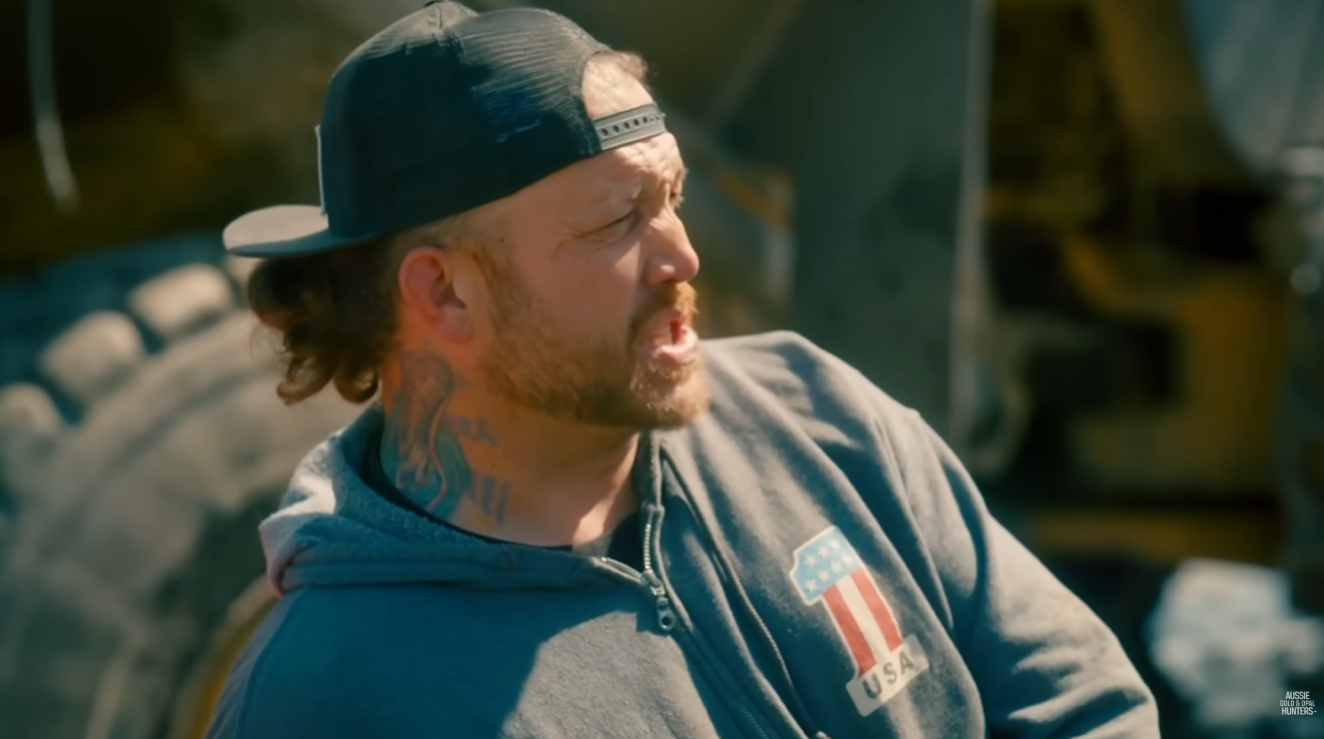
The Gold Rush miner entered this year hoping Valhalla would transform everything. Instead, the ground has delivered one of the harshest setbacks of his career. After pouring more than $1 million into the cut and spending four months chasing what he believed was a rich ancient river channel, Rick is now facing a brutal reality: with only seven weeks left before the freeze, the gold he needs is still buried beneath a wall of dead clay.
Valhalla was never supposed to be a side project. It was Rick’s defining move of the season. He committed money, time, equipment and nearly the full focus of his operation to the idea that a deep pay layer could rescue his year and prove Duncan Creek was every bit as valuable as he had hoped. The geological theory made sense. Nearby ground had already shown a strong gold-bearing channel, and Rick believed that same ancient system continued beneath Valhalla. The plan was simple in theory, even if it was expensive in practice: dig deep enough, hit the buried riverbed, and let the gold turn the season around.
But the deeper the cut went, the worse the news became.
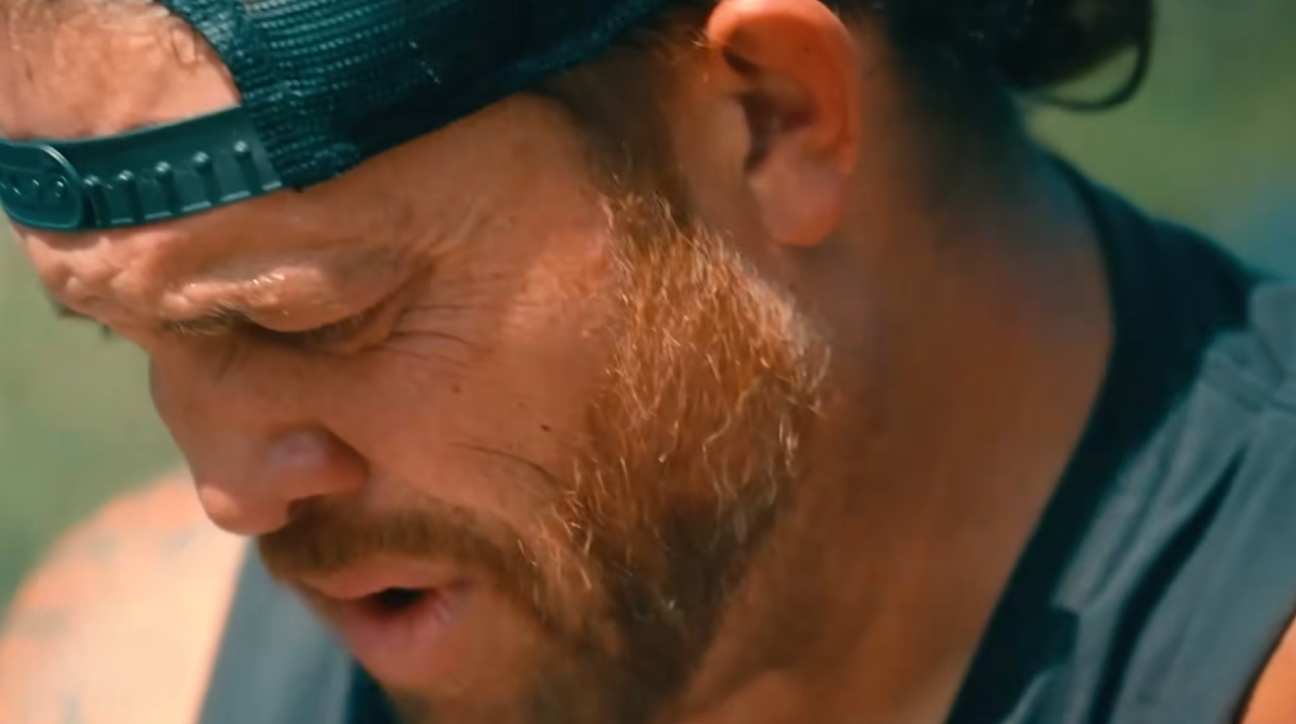
Bailey, Rick’s excavator operator, pushed test holes further and further down, eventually reaching 25 feet deeper than the team had originally planned. Instead of gravel, colour or any sign of pay, every hole brought up the same material — clay. Thick, featureless, gold-free clay stretched across the cut, with no encouraging change from one test location to the next. By the time Rick climbed down to inspect it himself, the conclusion was becoming impossible to avoid. The pay layer may still exist below, but it is deeper than the team can realistically reach this season.
That is where the numbers become overwhelming.
Rick’s target for the season stands at 1,800 ounces. His team has recovered less than 500. That leaves more than 1,300 ounces still needed, with only seven weeks remaining before the Yukon winter shuts the operation down. Under ordinary circumstances, that would already be an enormous challenge. After a million-dollar investment in a cut that has so far produced nothing but clay, it begins to look like something even harsher: a season hanging on the edge of collapse.
What makes the moment especially difficult is that Rick does not appear to believe his geological read was wrong. In fact, the opposite may be true. The ancient channel he has been chasing is still likely there. The problem is not that the gold does not exist, but that it is buried just beyond the reach of the equipment and time he has left. In mining, that difference matters enormously. Being right in the long term does not help if you cannot survive the current season.
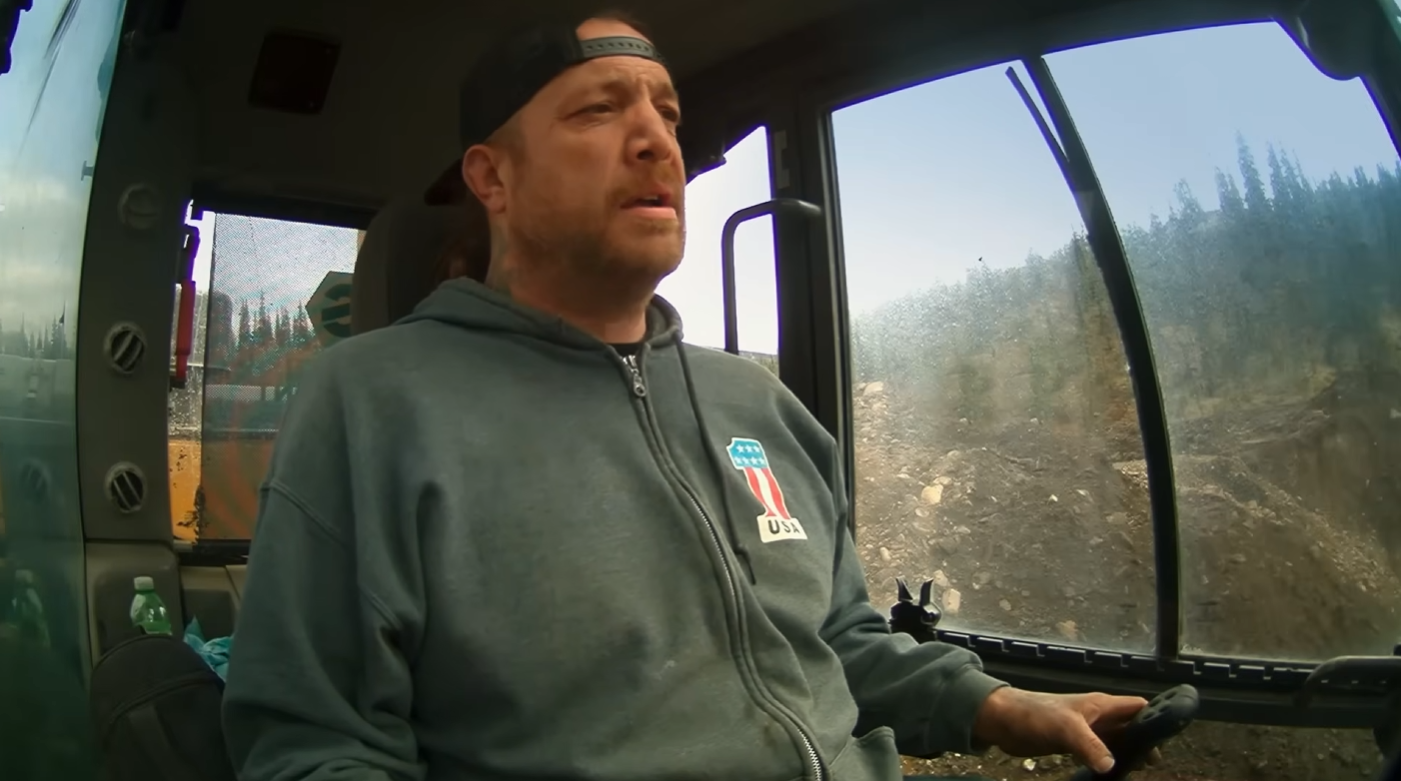
That tension runs through everything Rick says and does in this latest stretch. He does not explode at Bailey or blame the crew. Instead, he absorbs the blow quietly, asks for a moment alone, and starts trying to work through the problem in his head. It is one of the clearest signs yet of the burden he is carrying. Seven people depend on him. Loans do not disappear because a clay layer runs deeper than expected. Fuel, wages and equipment costs keep moving whether gold is coming in or not. Rick is not just mining against the ground now. He is mining against time, debt and the pressure of having placed an enormous personal wager on a result that may not come soon enough.
The contrast with Parker Schnabel only sharpens the picture. While Rick is stuck staring into a dead cut, Parker is managing a different kind of pressure, one tied to downtime and plant efficiency rather than a missing pay layer. At the Golden Mile, Parker’s crew loses valuable hours moving Big Red and replacing a damaged conveyor belt, but the work is done correctly and the plant returns to production. Parker remains on schedule, even if delayed. Rick, by comparison, is facing a much more fundamental problem. He does not merely need a better day. He needs a path forward that may no longer exist this season.
Then comes Tony Beets, arriving with the kind of advice only Tony can deliver: blunt, practical and impossible to ignore.
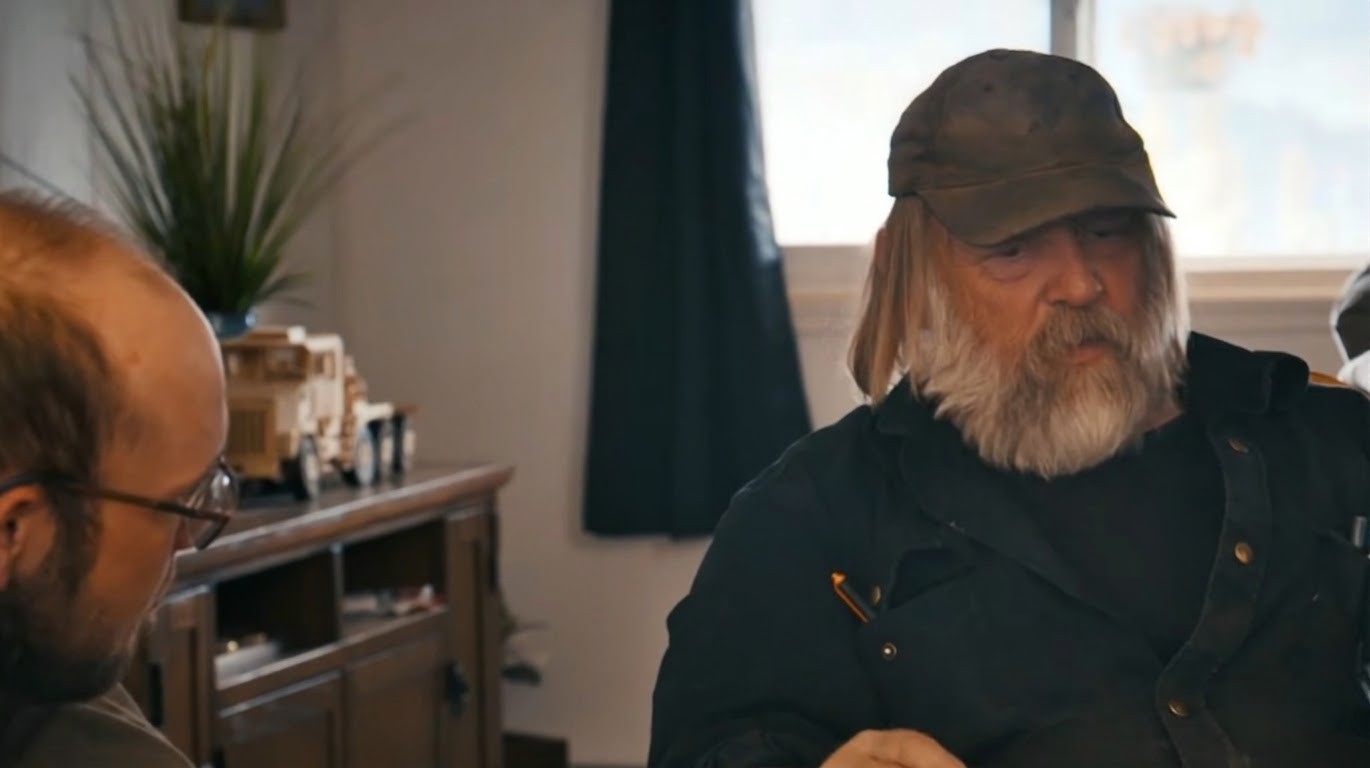
Tony walks the Duncan Creek ground and points Rick toward another possibility, Vegas Valley, where exposed structure suggests real gold remains in place. But even that option comes with a warning. To mine it properly would require heavy investment from the start, with a large truck fleet and serious capital. In other words, another major commitment at the exact moment Rick can least afford one. Then Tony raises an even bigger possibility — selling. Based on current gold prices and the scale of Rick’s claims, Tony suggests the ground could be worth $50 million. It is not framed as pressure, but as a real number, a possible exit, and perhaps the first time this season Rick is forced to seriously consider whether staying in the fight is still the right move.
That is what makes this stage of Rick’s season so compelling. The question is no longer only whether he can find gold. It is whether persistence still serves him, or whether survival now depends on making a colder decision.
Rick has always built his identity around refusing to back down. But Valhalla has pushed him into a place where determination alone cannot solve the equation. The gold may still be there. The ground may still justify everything he believed about it. Yet belief, geology and reality are no longer moving at the same speed.
With seven weeks left, Rick Ness is no longer just chasing ounces. He is deciding what kind of future he can still afford to fight for.