
Rick Ness has finally delivered the kind of breakthrough that could change the direction of his season after enduring one of the harshest stretches of his mining career.
For eight long weeks, Ness and his crew went without a meaningful gold weigh-in, a drought that pushed the operation into a dangerous position. With bills mounting, equipment costs rising and no fresh gold coming through, the pressure was no longer just about performance. It was about survival. What had begun as a season filled with promise was quickly turning into a fight to keep the entire operation alive.
The crisis deepened after Rick made an aggressive early-season move at the Valhalla cut. It was a bold decision, designed to unlock major potential and put his team on course for a huge year. Instead, the plan turned into a costly setback. After stripping enormous amounts of overburden and investing heavily in the ground, the site delivered little beyond barren clay. Rather than becoming the foundation of a strong season, Valhalla became a symbol of wasted time, lost money and fading momentum.
As the dry spell dragged on, doubts only grew stronger. Rival miners began sensing vulnerability, and talk even surfaced that Ness could be bought out if the season continued collapsing. For many crews, that kind of pressure would have been enough to break confidence completely. But Rick refused to walk away.
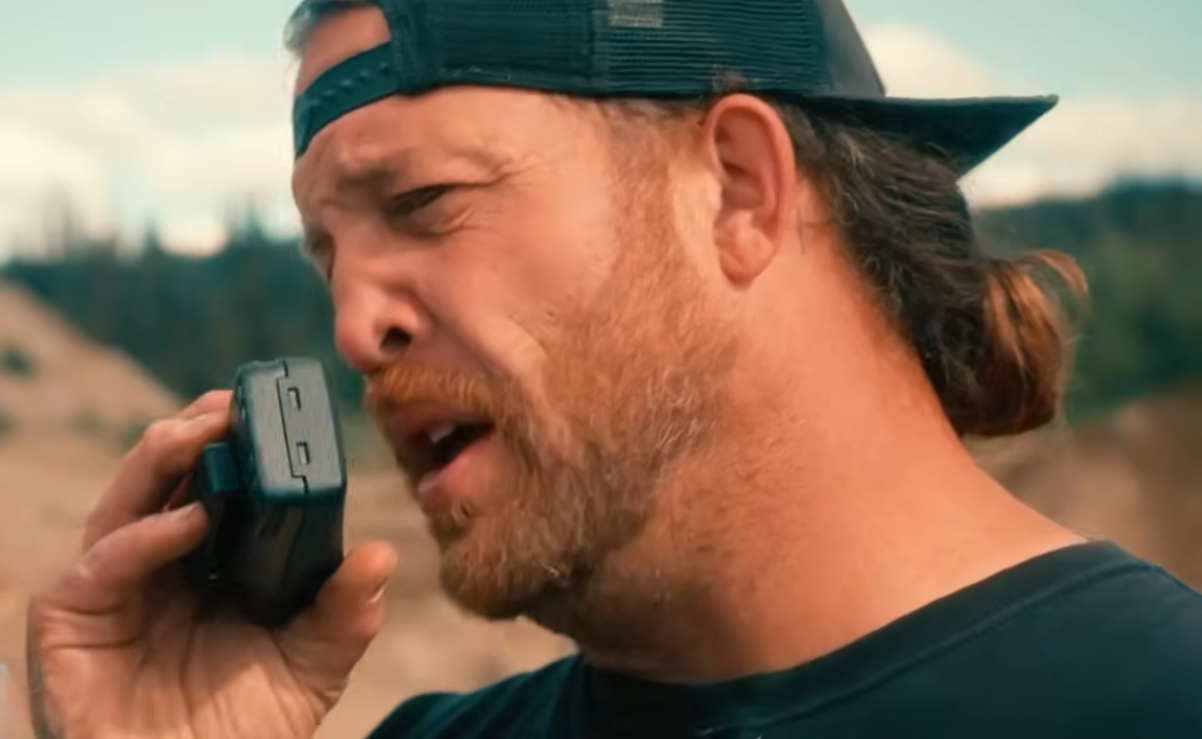
Instead, he made another major call, abandoning the failing Valhalla plan and returning to Vegas Valley, ground that had already proven it could produce. It was not an easy decision, but it was the clearest path left. With only weeks remaining in the season, there was no longer any room for experiments. Rick needed results, and he needed them fast.
The return to Vegas Valley brought fresh urgency to the site. Every truckload of pay dirt mattered. Every hour of plant time mattered. Every ounce had the potential to decide whether the season ended in disappointment or recovery. The crew responded with that reality in mind, throwing themselves back into the work as the stockpile beside the wash plant began to grow once again.
When the plant finally roared back to life after nearly two months of silence, it felt like a turning point. For weeks, the site had been defined by frustration and inactivity. Now, the sound of production returned. Dirt was moving, water was flowing and, most importantly, there was finally reason to believe again.
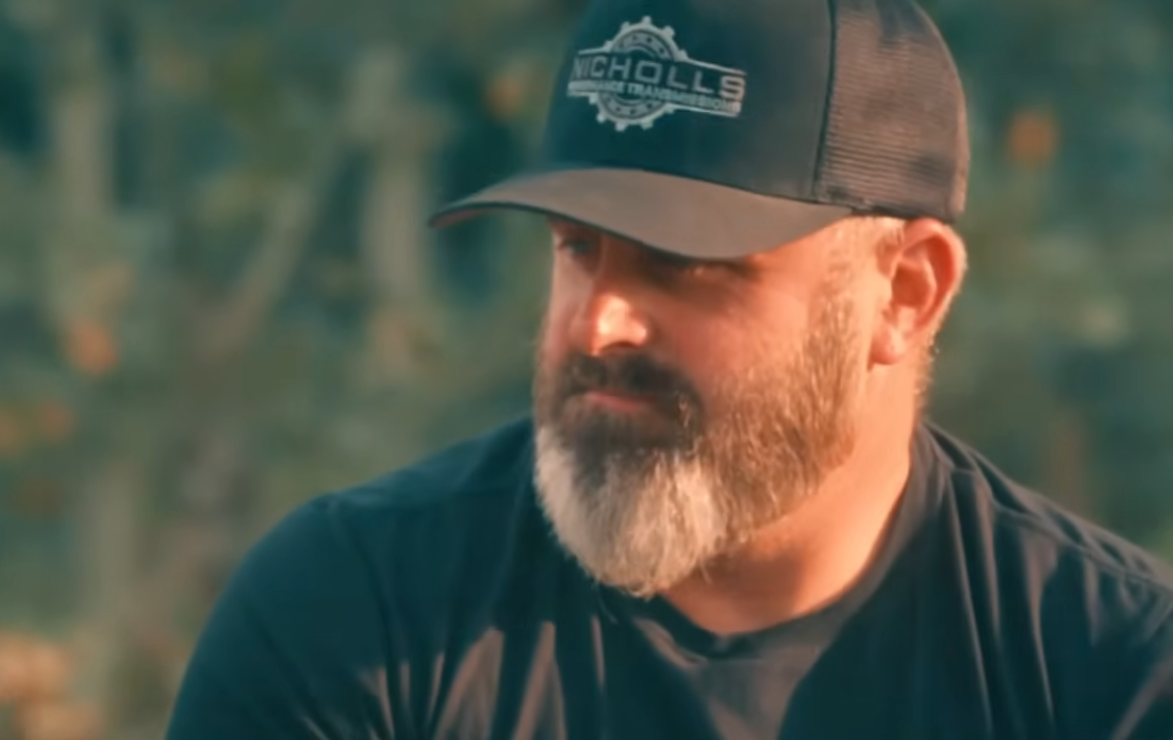
That belief only grew stronger when gold started appearing in the sluices. It was the clearest sign yet that Rick’s decision to return to Vegas Valley had been the right one. More than that, it was proof that the season was not finished. After so many weeks of uncertainty, gold was back on the table.
The weigh-in that followed carried enormous weight. Rick knew the numbers still looked daunting. To reach his original season target of 1,800 ounces, the team would need to average around 350 ounces a week over the closing stretch. After eight weeks without real production, that target still looked extremely difficult. But the mood around the scales had changed. For the first time in a long while, there was hope.
Then came the result: more than 200 ounces of gold, worth over $700,000 at current prices.
It was not the monster total the crew might have dreamed of, but under the circumstances it felt huge. After weeks of nothing, a 200-plus-ounce weigh was more than just a decent result. It was a lifeline. It brought badly needed income into the business and gave the crew something even more important: renewed confidence.
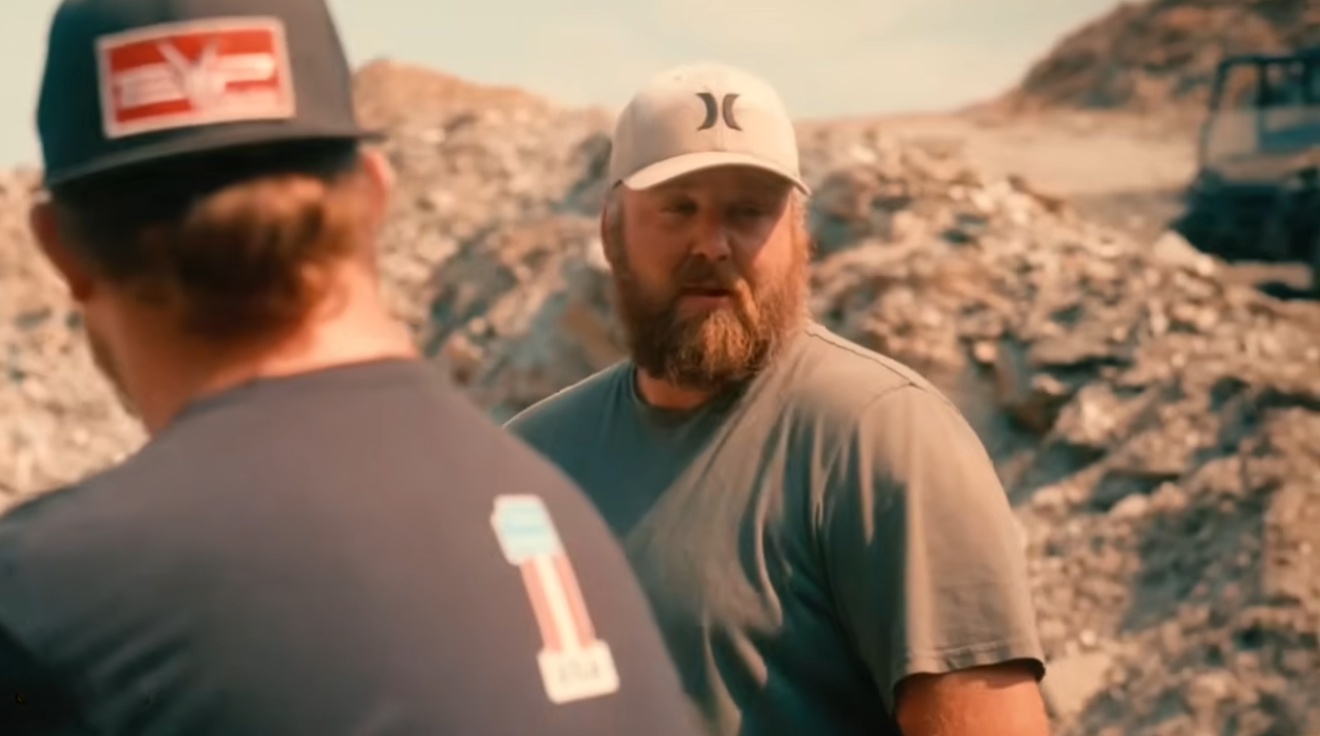
That emotional lift mattered. Rick’s team had stayed loyal through one of the toughest periods of the year, showing up through setbacks, delays and growing uncertainty. This weigh-in validated that perseverance. It proved the crew could still produce and that the season still had something left to fight for.
But in gold mining, momentum rarely comes without resistance.
Just as the operation began showing real signs of recovery, mechanical problems hit again. One rock truck suffered a flat tire, forcing the crew to adjust quickly. Then another truck went down with a broken drive shaft, creating a far more serious problem. With two haul trucks compromised, the team had little choice but to shut the wash plant down after just two days of running.
It was another brutal reminder of how fragile Rick’s season has been. Every step forward seems to bring a new obstacle. Yet this setback felt different from the earlier ones, because the biggest problem was no longer the ground itself. Vegas Valley was producing. There was real gold there. The challenge now was whether the crew could keep the equipment running long enough to cash in on it.
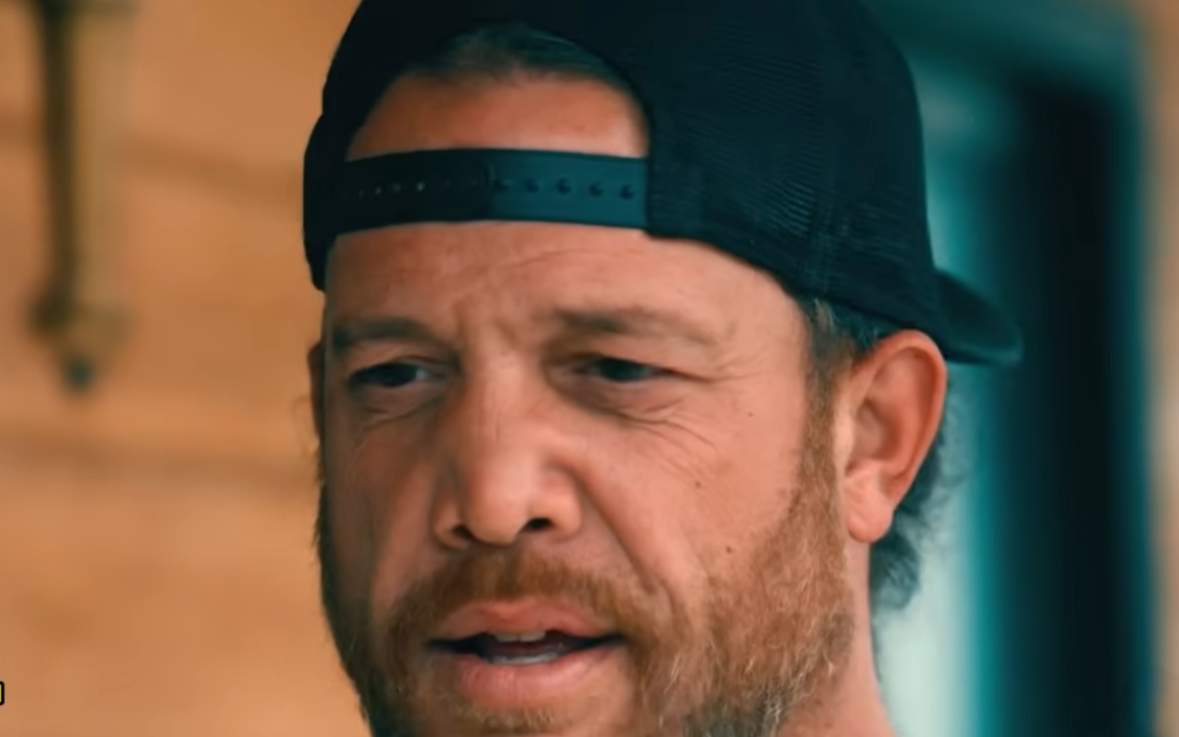
That distinction could be critical in the weeks ahead. Mechanical failures can be repaired. Parts can be replaced. Trucks can be brought back online. Barren ground offers no such solution. For the first time in months, Rick’s fight is about efficiency and reliability rather than whether there is gold left to find.
The road to 1,800 ounces remains steep, and time is running short. Rick still needs strong production, dependable machinery and a clean finish to give himself a real shot at ending the season on a high. But after two months of frustration, failure and uncertainty, the mood around his operation has changed.
Rick Ness is back on gold.
The comeback is far from complete, and the pressure has not disappeared. But for the first time in weeks, Rick is no longer defined by drought. He is defined by opportunity. And in a season that once looked close to slipping away, that may be the most important turnaround of all.