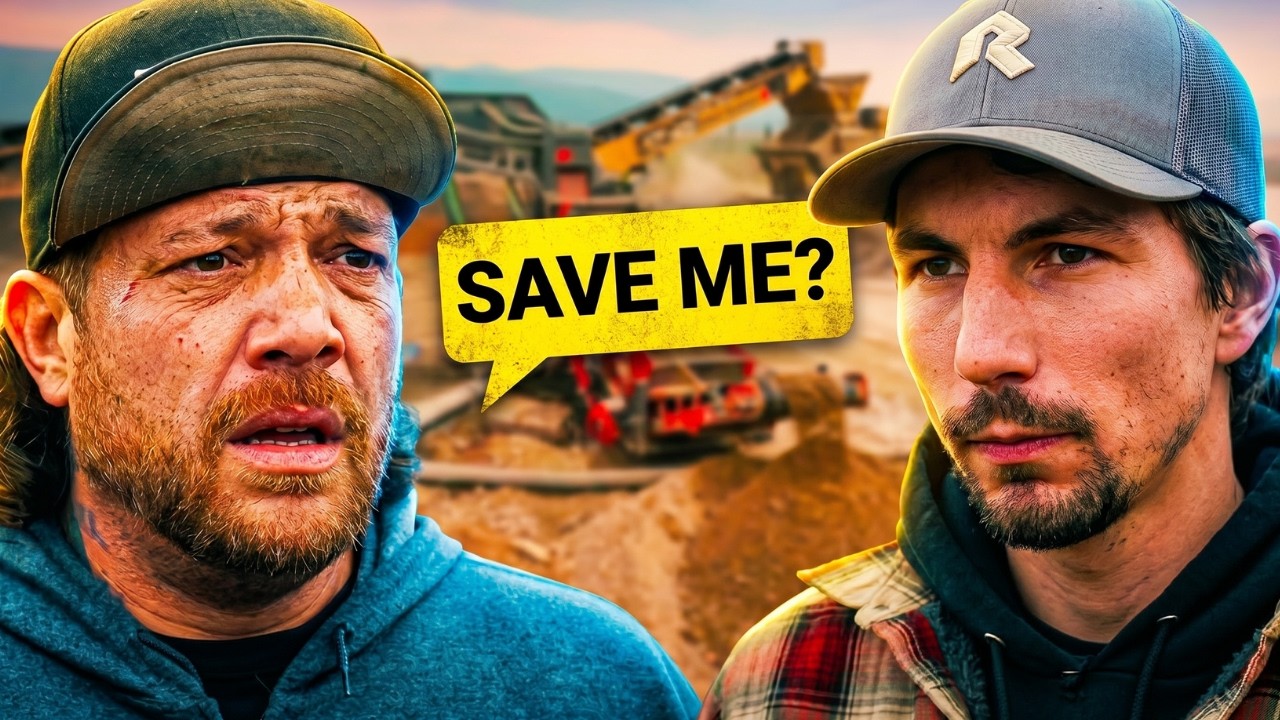
For much of Gold Rush‘s long run on Discovery Channel, Rick Ness has been the underdog viewers root for — a former crew member under Todd Hoffman who dared to strike out on his own and build a mining operation from the ground up. Season 16, however, has turned that rooting interest into something closer to agony. From a catastrophic wash plant collapse to a million-dollar gamble buried under thirty feet of clay, this season has tested Rick Ness at every level — financially, operationally, and personally.
A Bad Start at Lightning Creek
The troubles began before Rick even broke ground on his primary site. Forced to pivot away from Duncan Creek due to a water license problem, Rick made an urgent deal with landowner Troy Taylor at Lightning Creek, committing a staggering $700,000 — paid as 200 ounces of gold — to secure the property. The terms were brutal: he had to deliver another 100 ounces to Taylor within two weeks or risk losing everything. With limited drilling data on the site, Rick himself admitted the risk, saying, “I probably did jump the gun.”
His instincts proved correct. When Rick’s crew arrived at Lightning Creek and attempted to move his 25-ton wash plant — nicknamed “Rocky” — downstream and begin sluicing, the wash plant pad collapsed entirely, halting operations just minutes after they started. The season’s first real attempt at production had ended in disaster before it could begin.
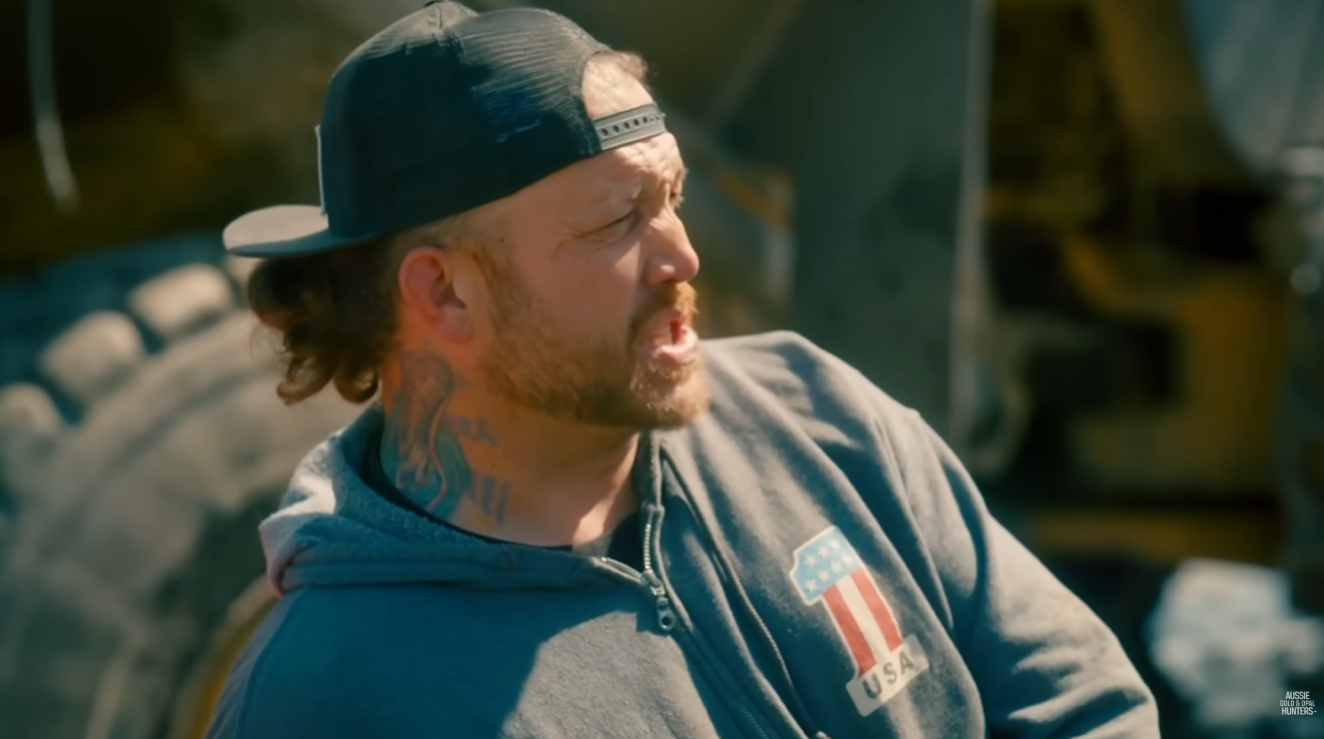
Even when mechanical problems were patched up, new ones replaced them. Blocked spray bars caused water pressure to spike, blasting pay material out of the plant and forcing another shutdown just as production was finally ramping up — a 30-minute stoppage that underscored just how fragile Rick’s timeline really was.
Gold Totals That Simply Won’t Rise
The mechanical failures were damaging enough, but the real story of Season 16 for Rick Ness is the gold — or the lack of it. A Diamond Cut at Lightning Creek brought in just seven ounces, a devastating result that wiped out any momentum he had tried to build. Meanwhile, competitors Parker Schnabel and Tony Beets were piling up hundreds of ounces per haul, making Rick’s position look increasingly dire by comparison.
Where Parker Schnabel and Tony Beets are locked in a battle at the top, Rick Ness — once a serious contender — now faces a season defined by damage control rather than ambition. Problems with machines, slow decision-making, and uncertainty about where to dig next have compounded into a slow-motion crisis.
The Valhalla Gamble: All In, and Coming Up Short
With the Lightning Creek chapter closed, Rick turned his attention back to Duncan Creek and made the boldest decision of his career. He laid out a plan to expand his cut by four acres, move more than a million yards of overburden in six weeks, and named the new excavation “Valhalla” — inspired by a metal song from the band Stormwarrior. His message to the crew was unambiguous: “This is the only option we have.”

The gamble meant committing his last $1 million to the venture. After investing more than a million dollars into the Valhalla site, Rick still sat far behind his season goal. Then came the gut punch: his crew discovered a clay layer with no gold, creating deep uncertainty about the future of the entire cut. A 30-foot clay layer halted production entirely, leaving Rick with limited time to recover gold elsewhere.
A Life-Changing Offer — and No Easy Answer
The Valhalla collapse brought an unexpected visitor. Tony Beets and Minnie Beets arrived at Rick’s claim to discuss a possible deal connected to his Duncan Creek ground — Tony studied the claim and considered either buying the ground outright or forming a partnership. Rick, staring at over half a million dollars in losses and a season teetering on the edge, described the weight of the moment plainly: “This could be the thing that makes my entire life great or ruins it.”
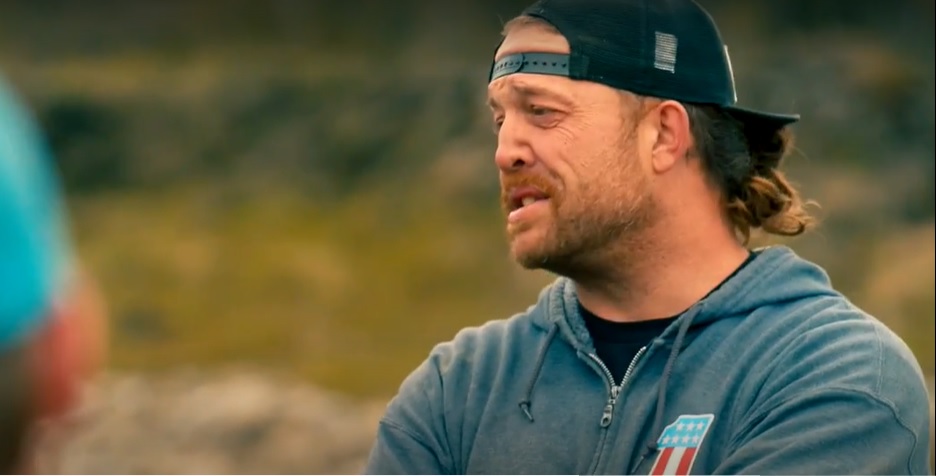
Parker Schnabel also expressed interest, telling Rick that Tony “won’t pay you what it’s worth” — making his own case for why Rick should consider his offer instead. Rick did not commit, keeping his options open while focusing on immediate recovery efforts.
A Race Against the Clock
With the season drawing toward its close, Rick returned to Vegas Valley as a last resort, clearing permafrost and preparing ground for hauling in a race against time — every delay reducing the amount of gold that could be recovered before the season ended.
Whatever Rick ultimately decides — whether to sell, partner, or fight on alone — this moment feels genuinely significant in the broader narrative of Gold Rush. The show has followed his evolution from loyal crew member to independent mine boss, and now to a crossroads where the very future of his operation hangs in the balance.
Season 16 may yet have a redemption arc waiting for Rick Ness. But so far, it has been a masterclass in how quickly a miner’s fortunes can reverse — and how costly it can be to bet everything on ground that doesn’t pay.
