
Parker Schnabel’s season was drifting at the wrong moment. Recovery had been low, ounces per hour were disappointing, and too many costly interruptions had slowed the operation when he could least afford it. But in the latest push to rescue his campaign, the Gold Rush star finally found a way to shift momentum, delivering a weekly total that put his team back where they wanted to be — and back ahead of rival Tony Beets.
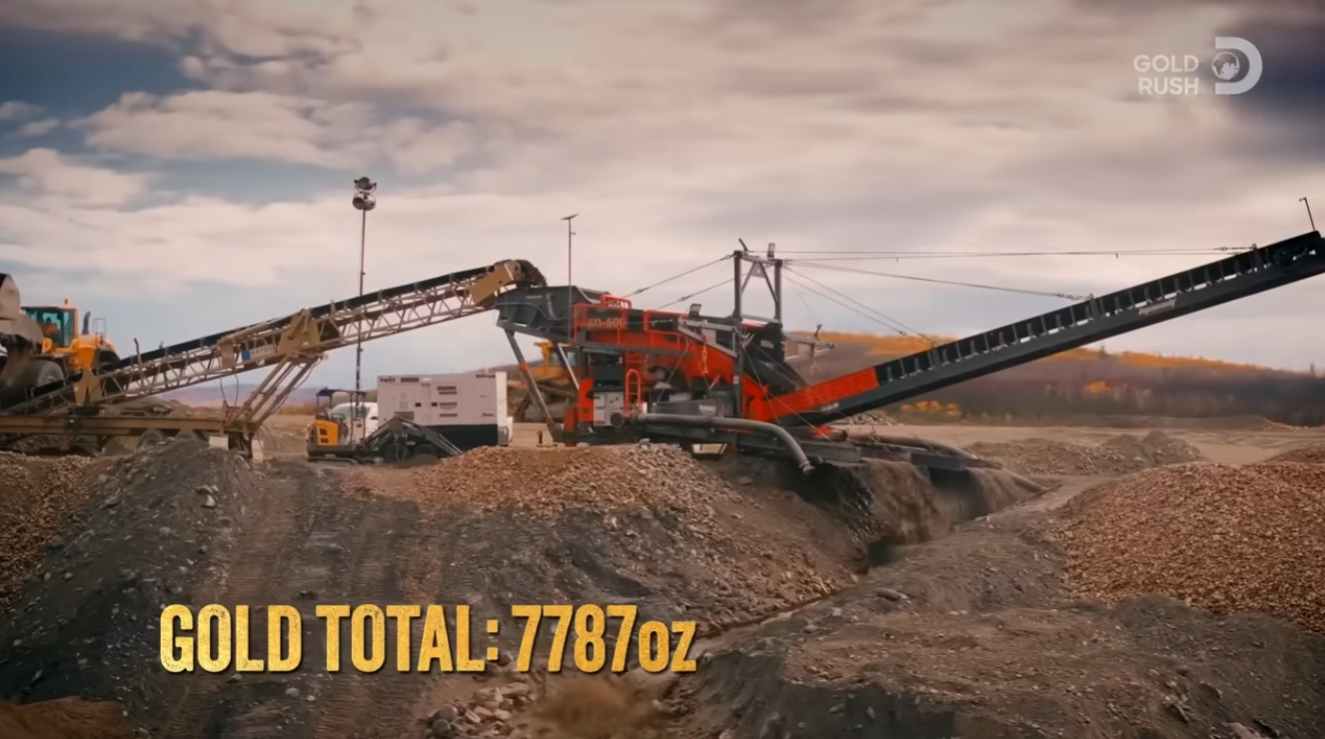
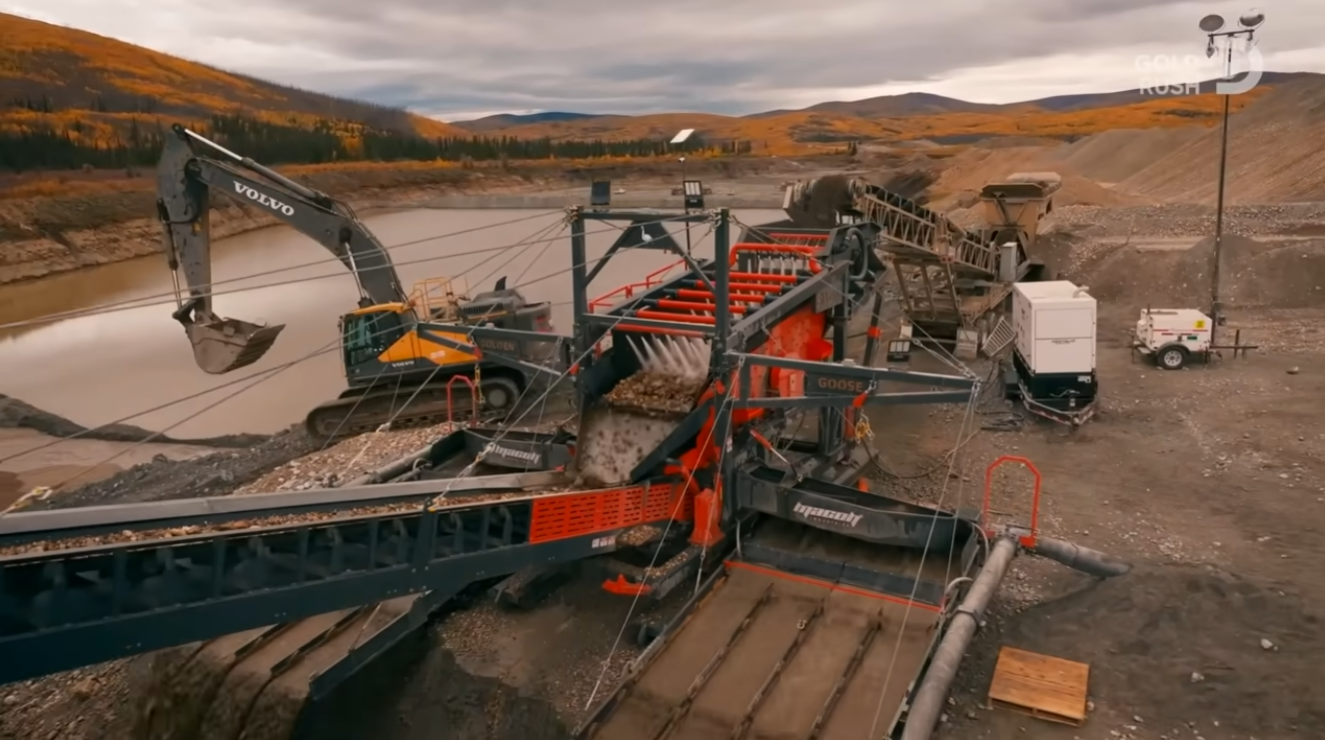
The pressure on Parker’s crew was clear from the outset. With a 10,000-ounce target still in sight, he entered the week needing more than 600 ounces to keep that ambition alive. It was an aggressive number, especially after what he described as a difficult stretch marked by lost production, weak recovery and constant operational setbacks. Yet Parker believed the answer had arrived in the form of a fourth running wash plant, the Golden Goose, which he saw as a major new asset capable of pushing more yardage than any other plant on site.
That confidence was quickly tested.
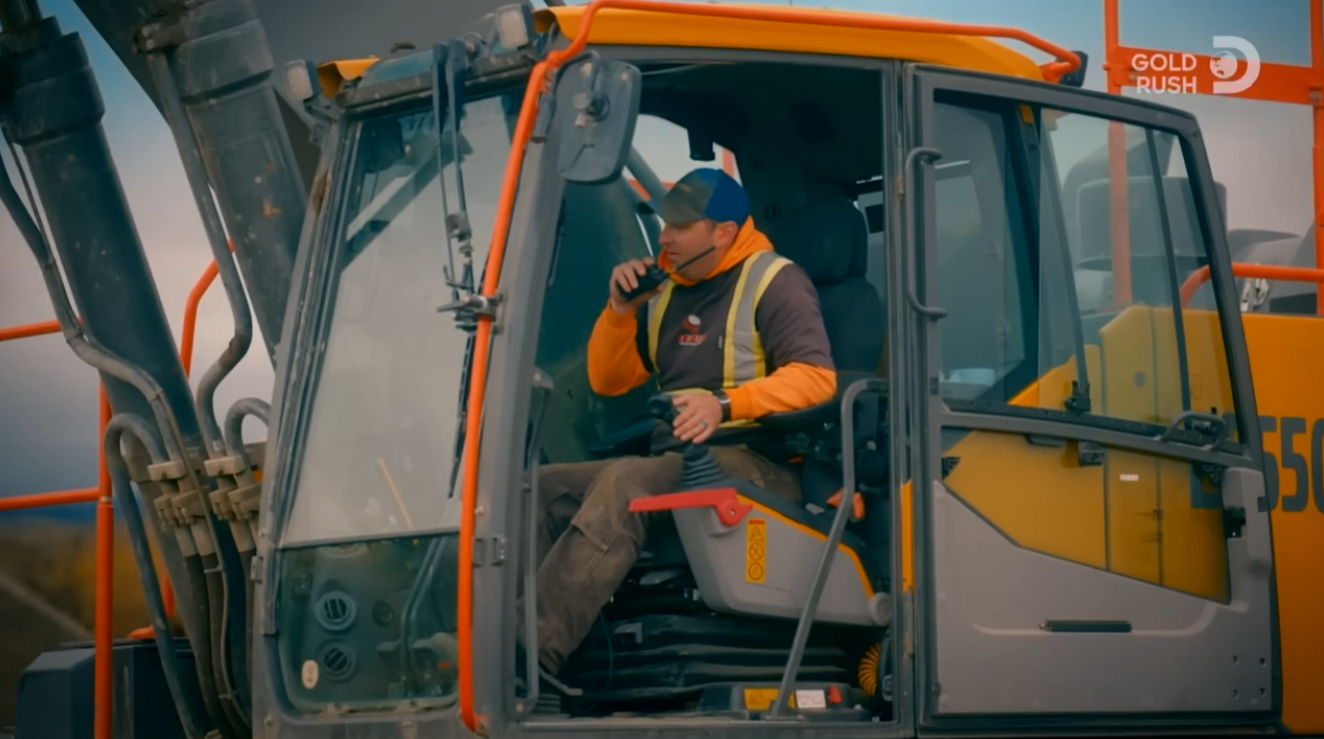
At Dominion, a frightening incident nearly turned into a much bigger disaster when one of Mitch Blaschke’s loaded rock trucks slid dangerously into a ditch. With the box leaning heavily and the tyres already lifting off the ground, the risk was no longer just about lost time. If the truck tipped any further, the cab could roll. The recovery was tense, with careful instructions given to keep light pressure on the truck and steer it back towards the centre of the road without triggering a full rollover. It was the kind of moment that shows how quickly mining setbacks can turn serious.
Although the truck was pulled back from the edge, the damage was severe. Mitch soon discovered that a key part of the front suspension system had failed. Several bolts had snapped inside the housing, leaving the truck out of action and forcing the crew into another time-consuming repair. For an operation already running with limited hauling capacity, it was a major blow. Mitch admitted the team could not keep material moving properly without more trucks, and the concern was immediate: if they could not haul, the wash plant could end up shutting down.
That sent Mitch looking for help from Tyson, whose own side of the mine was already running flat out with three wash plants. Mitch’s request was simple — he needed a spare truck, even temporarily, just to keep his own section alive. But Tyson refused. His reasoning was practical rather than personal. Even if his team had already passed its goal, he was not prepared to slow down while gold prices remained so strong. The answer left Mitch with no easy solution and underlined the reality of late-season mining: even inside the same wider operation, every machine matters and every breakdown can create a chain reaction.
While Parker’s side was dealing with transport headaches, Tony Beets was chasing another opportunity. After stumbling over a costly $4 million property he could not mine, Tony turned his attention to the Hester Cut, an area he believed still held rich virgin ground. He saw it as unfinished business. The site had frustrated him before, largely because of persistent water problems, but he remained convinced there was serious value trapped there. To unlock it, Mike Beets and the crew first had to clear away old dredge boilers, stabilise the bank and begin draining the cut. Tony made his expectations clear: he wanted it dry by the end of the week.
Even before Hester could begin paying off, Tony’s existing operations were already delivering astonishing numbers. His two Indian River plants produced nearly $2 million in one week, while Paradise Hill added further ounces of its own. Altogether, the Beets family posted a weekly total of 924 ounces, worth more than $3.2 million at current prices. It was, by Tony’s own standard, an extraordinary weigh-in — the best of the season and another reminder that the Beets operation remains one of the most formidable in the Klondike.
Yet Parker was not done.
One by one, his own figures began to build. A purchase delivered 177.05 ounces, nearly enough to pay for itself in a single clean-up. Then came the result that mattered most: Rocksand, Mitch’s plant, needed to produce more than 137 ounces to keep Parker’s weekly target on track. It delivered 143.8. Combined with the rest of the operation, Parker’s total rose to 606.55 ounces for the week — a dramatic improvement on the previous week’s 421.3 ounces. For Parker, the message was immediate and unmistakable. The fourth plant had changed everything.
That result pushed Parker’s season tally to 8,393.65 ounces, valued at nearly $29.4 million. More importantly, it moved him back ahead of Tony Beets by more than 136 ounces, putting him once again in pole position. After weeks of frustration, breakdowns and underperformance, the turnaround could hardly have come at a better time.
Even so, Parker’s closing remarks carried more relief than celebration. He thanked his crew for sticking with an exceptionally difficult year and made it clear that the season was far from secure. In gold mining, one strong week can restore confidence, but it does not remove the danger. Machines still fail. Roads still give way. Targets still loom.
For now, though, Parker has what he needed most: momentum. And with the Golden Goose now running alongside the rest of his fleet, the race to the finish has swung back in his favour.