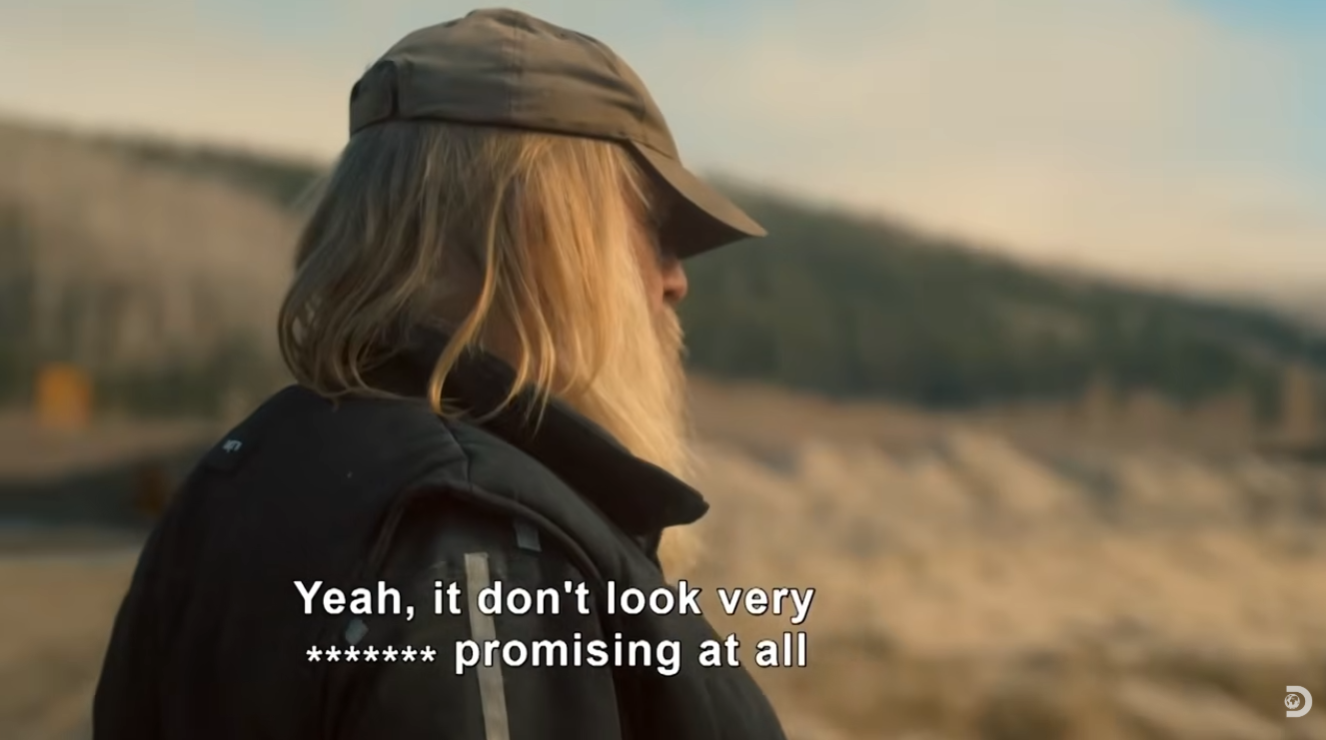
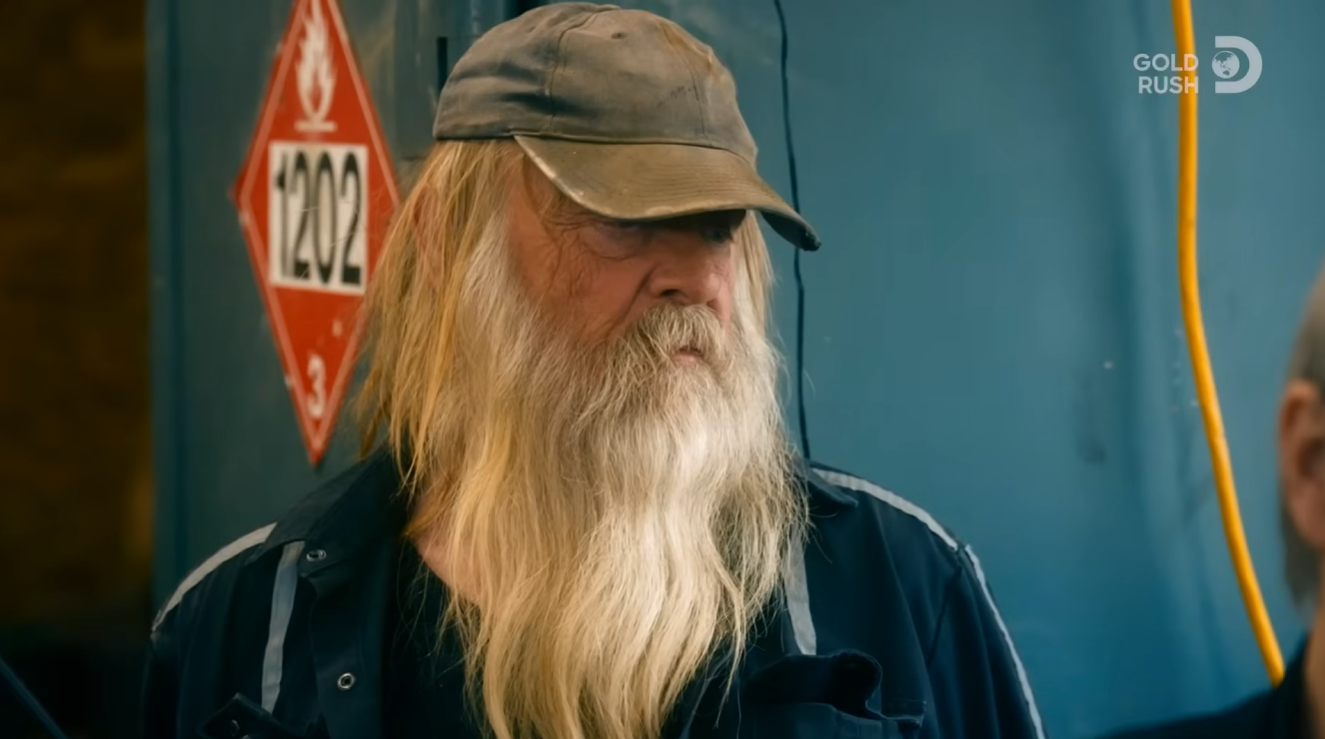
Tony Beets has spent decades building an empire in the Klondike. He arrived from the Netherlands with almost nothing, clawed his way through the Yukon permafrost, and turned raw stubbornness into a gold mining operation worth tens of millions of dollars. Discovery Channel made him a star. Fans gave him the nickname “King of the Klondike.” And Tony, by all appearances, believed every word of it.
But Season 16 of Gold Rush told a different story — one that the show’s editors packaged as gripping family drama, but which looks, on closer inspection, like the slow unraveling of a patriarch who cannot distinguish between running a business and controlling his children.
A Son Cast Out, Then Put on a Leash
The tension between Tony and his eldest son Kevin did not begin in Season 16. It had been building for years, reaching a breaking point in Season 15 when Kevin — frustrated by his father’s iron-fisted decision-making — broke away entirely to run his own operation. The move was framed by Discovery as bold and admirable. What it actually was, was an act of desperation from a grown man who could not breathe inside his father’s shadow.

Tony eventually gave Kevin a chance to prove himself by leasing him some ground — but not without extracting a 10% royalty on every ounce Kevin pulled from the earth. Let that sink in. A father, worth millions, charging his own son a cut of the gold Kevin would mine himself, on ground Tony leased rather than gifted. Tony framed it publicly as a generous “push to get started.” The reality was a business arrangement that kept Kevin financially tethered to his father even after walking away.
Tony and his wife Minnie visited Kevin’s operation regularly throughout Season 16 — not to offer encouragement, but to collect royalties and apply pressure. During one visit, Minnie told Kevin directly: “You have to make money. Instead of spending all your savings.” A mother’s love, expressed as a creditor’s ultimatum.
Two Different Philosophies, One Power Imbalance
The philosophical clash between Tony and Kevin was real and worth examining — but the power dynamic made it impossible for it to be a fair fight. While Tony pushed his aggressive “ram it through” approach — strip fast, sluice fast, never stop — Kevin took a deliberately slower path, choosing to shut down, fix persistent equipment issues, and ensure his wash plant could run continuously once restarted. “We’re taking our time. We’re going to do it right,” Kevin said. “Do it once, and then when we get sluicing, we never have to turn it off.”

It was a reasonable, even mature, position for a second-year mine boss operating with a small crew and aging equipment. But Tony, watching from the sidelines while his 10% quietly ticked away, was not interested in patience. He inspected Kevin’s operation and noted bluntly: “Now it’s losing no money. Still money going out.”
Tony’s critique was not wrong on a purely financial level. But it ignored something critical: Kevin was not running Tony’s operation. He was running his own — with his own money, his own crew, and his own name on the line. The constant presence of his parents as landlords and critics made the already brutal challenge of being a first-generation mine boss nearly impossible to navigate with any dignity.
The Poaching That Said Everything
If there was one moment in Season 16 that crystallized just how little respect the Beets empire shows for Kevin’s independence, it was the Brennan Ruault affair. Brennan, Kevin’s trusted foreman, was poached by Parker Schnabel at the very start of the season — a man who had previously walked out on Parker after disagreements, resurfaced working for Kevin, and then returned to Parker after five years, leaving Kevin and his partner Faith Teng stunned.
Kevin was already operating on tight margins, and the loss of his most experienced crew member before the season had barely begun was a blow he spent weeks recovering from. Combined with the simultaneous departure of mechanic Kaden and mounting equipment failures, the defections left Kevin dangerously short-handed at the worst possible moment.
Where was Tony during this crisis? Watching his own wash plants run at Indian River, counting ounces, chasing records. He did not send spare equipment. He did not offer additional personnel. He collected his royalties and told Kevin to work harder.
Mike, Monica, and the Beets Assembly Line
Kevin’s struggle throws into sharper relief the fate of Tony’s other children, who have been integrated into the family operation not as independent actors but as functional extensions of Tony himself. Son Mike was directed to run Paradise Hill while Monica oversaw the gold room — roles assigned by Tony, not chosen by them. Their successes belong to the operation. Their failures belong to Tony’s frustration.
After ten weeks of Season 15 — before Kevin had pulled a single ounce — Tony announced to cameras: “He’s got to get his sh*t together.” A public rebuke of his son, broadcast to millions of viewers. Whatever private support Tony may have offered Kevin off-camera, what the audience saw was a father using the machinery of reality television to humiliate his child.
A Dynasty Built on Pressure
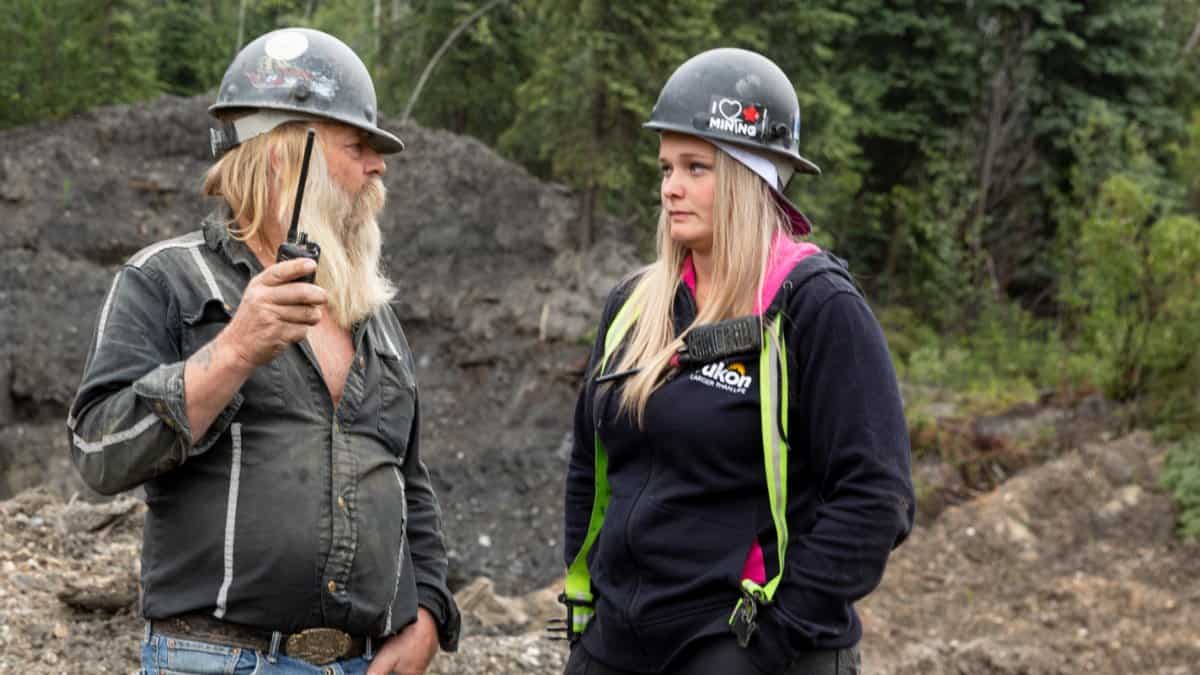
Tony Beets is, by most conventional measures, a success story. In Season 16, he acquired the Wounded Moose claim — 213 mining sites purchased for $4 million — describing it as an opportunity to “set up two or three more generations.” The language of legacy. The language of a man who sees his family not as people to be loved and released, but as assets to be deployed and retained.
The Gold Rush cameras have always been kind to Tony — his bluntness plays as charm, his ruthlessness as competence. But Season 16, stripped of its editorial warmth, reveals something harder to watch: a patriarch who offered his son freedom with one hand and snatched it back with the other. Who built an empire and then wondered why his heir could barely breathe inside it.
Kevin Beets finished Season 16 with 1,591 ounces — short of his goal, deep in growing pains, but still standing. That, more than anything else this season, was the real story. Not the gold. The fact that he survived his father long enough to keep going.