Moonshiners crews chase bold new flavours as fruit brandies, family traditions and fresh rivalries reshape the season

The latest developments in Moonshiners show just how far the backwoods liquor trade has evolved, with several crews pushing beyond traditional recipes and chasing new customers through fruit brandies, specialty blends and deeply personal passion projects. Across multiple storylines, the season is no longer only about who can make the strongest shine. It is about innovation, identity and who can turn a new idea into real money without losing the roots of the craft.
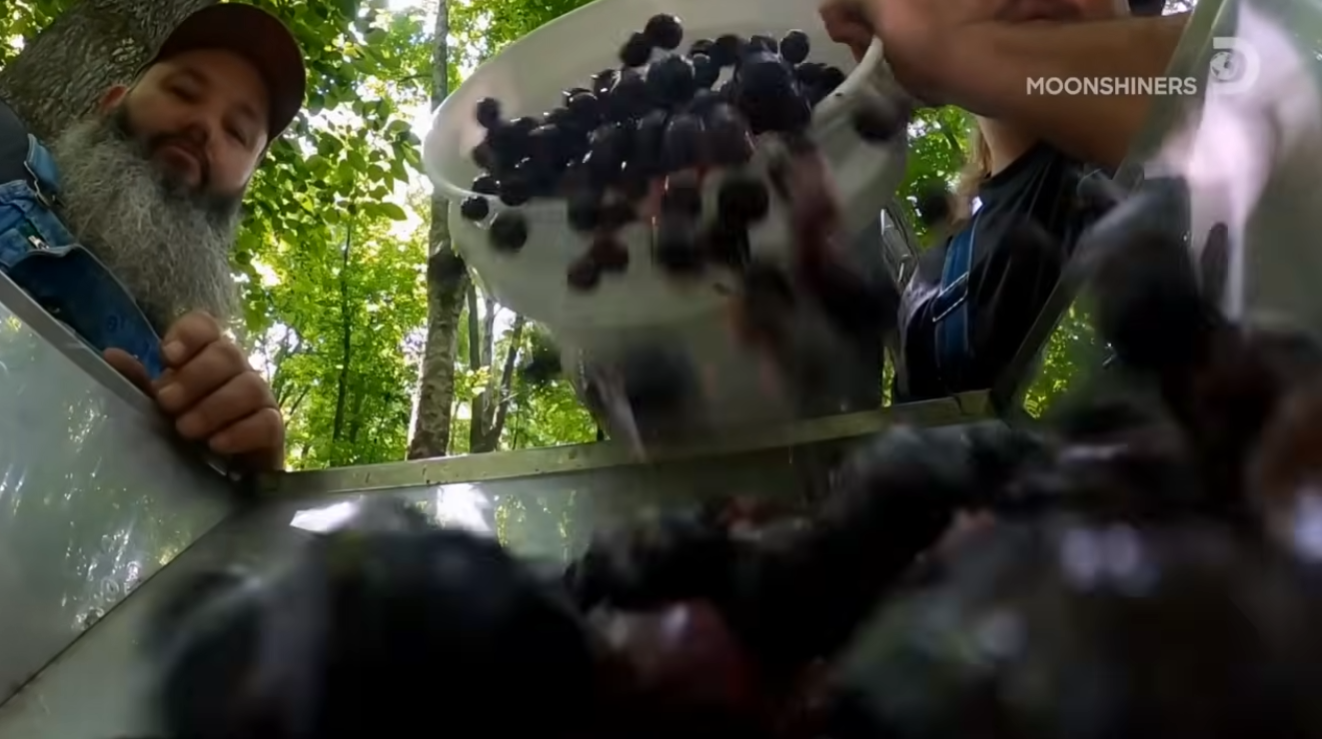
One of the most ambitious flavour experiments comes from a crew betting heavily on blueberry brandy. With hundreds of pounds of blueberries on hand and a new setup ready for a serious test, the operation is built around a simple but risky idea: give customers something different, but make sure it still feels authentic. The process is more demanding than standard corn liquor. Fruit has to be broken down, fermented into wine first and then distilled into brandy, all while timing matters because the berries can spoil if they are not worked quickly enough.
That extra effort appears to have paid off. Once the run reached the tasting stage, the crew were convinced they had produced one of their strongest batches yet. They described a balanced flavour profile in which the blueberry notes came through clearly, supported by the charred-oak influence from the barrels. Rather than tasting overly sweet, the brandy was seen as crisp, rich and marketable, exactly the kind of product they believe can stand out in a crowded moonshine market.

Elsewhere, a more personal project takes shape as Killer Beaz works on a special fruit-based shine intended as a birthday gift for his wife, Terry. Built around an unusual mix of scuppernongs, bananas, figs, kiwi fruit and peaches, the run is framed as both a tribute and a test. Even before the still could fully get going, the effort ran into trouble when yellow jackets attacked during preparation, leaving Killer Beaz stung and temporarily sidelined. Still, the mash went ahead, with Mark and Digger helping push the run forward.
What emerged surprised even the men making it. Though the recipe included several fruits, it was the scuppernong flavour that dominated the final result. That unexpected outcome turned the run into more than a novelty batch. It suggested that a fruit not always treated as the star ingredient might carry real standalone potential in future recipes. For the crew, it was another reminder that experimentation can still produce something genuinely original, even after years in the business.
Chico and Sandra, meanwhile, are taking a more openly commercial approach. After finding success with flavoured products aimed at women customers, the pair are continuing that strategy with a strawberry-banana brandy designed to build on earlier momentum. Their operation begins not with the still but with the practical frustration of getting water to the mash barrels, a reminder that even the most exciting new recipe depends on getting the basics right. Once the system was working, Sandra took charge of the flavour side, reinforcing the idea that her instincts are central to the couple’s product development.
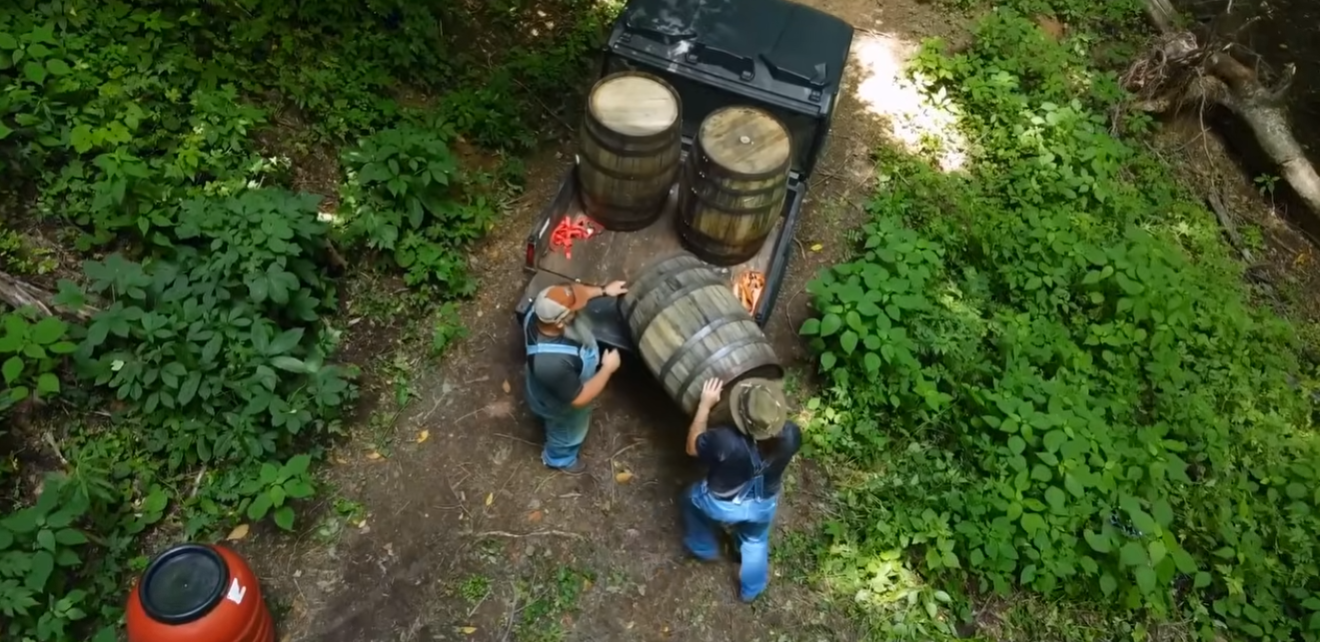
Their reward came quickly. When the first run of the year finally flowed, the result was described as light, crisp and ideal for summer, with both strawberry and banana notes coming through clearly. The couple estimated that the first run of their premium brandy would yield about 30 gallons and bring in around $4,500, giving the project immediate financial credibility. For Chico and Sandra, the strategy is clear: customers want something fresh, and they intend to give it to them.
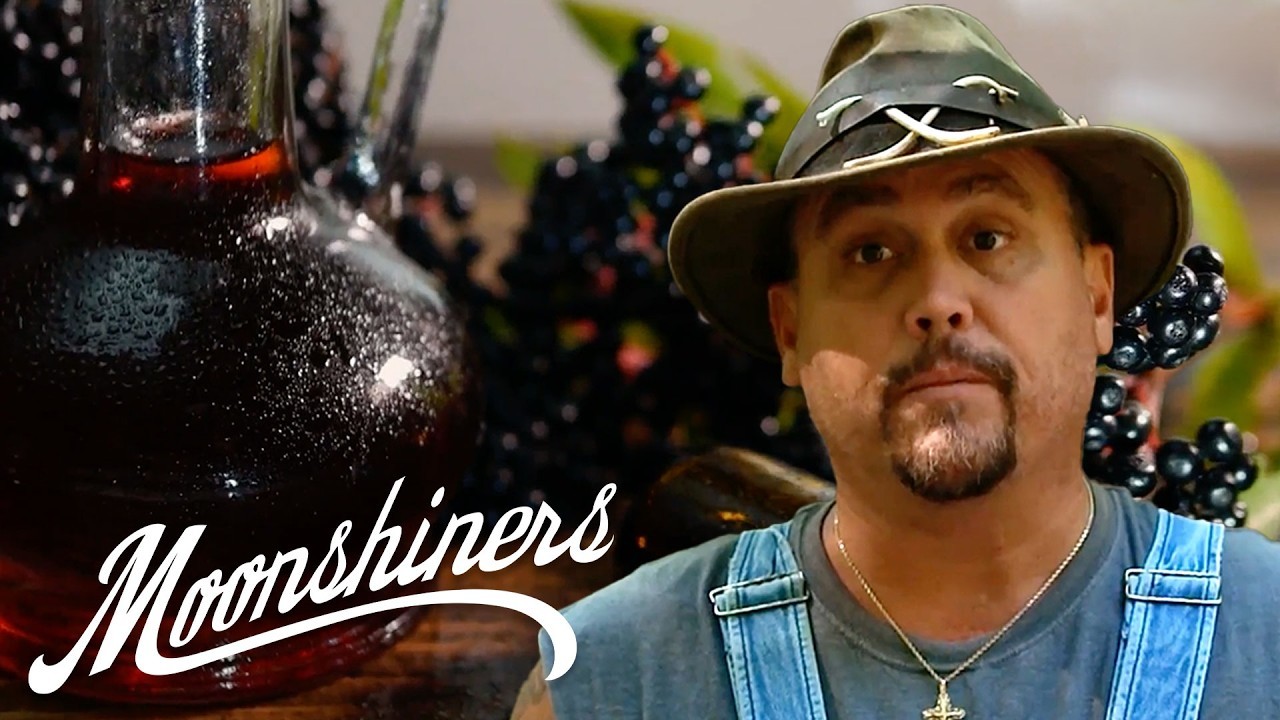
Mike and Jerry are also trying to reclaim ground, turning to an elderberry, ginger and honey recipe as they attempt to rebuild momentum and win back customers. Their approach blends old Appalachian knowledge with market awareness. Elderberries must be treated carefully because they are unsafe raw, but once cooked properly they offer a tart, distinctive flavour with long roots in regional food traditions. Ginger brings another layer, though the pair are careful not to let it overpower the batch. Honey then rounds out the profile, creating a recipe they believe can be both memorable and commercially strong.
The confidence behind the recipe reflects a larger mood running through the season. Competition is not just about output anymore. It is also about who can produce the most interesting bottle, who can reach overlooked buyers and who can move fast enough to adapt. That tension is visible again in the South Carolina storylines, where Josh and Bill are increasingly working through the season on separate terms. Josh is trying to recover lost time and revenue, downsizing where necessary but pushing ahead with Cherry Bounce, a recipe tied closely to family history.
For Josh, the importance of Cherry Bounce goes beyond sales. He frames it as a link to a moonshining lineage stretching back through North Carolina history, and that personal weight gives the project a different kind of meaning. At the same time, he is also realistic about the market. While Bill prefers to stay closer to straightforward corn whiskey traditions, Josh sees flavoured liquor as part of modern demand and a practical way to increase earnings. That disagreement reflects one of the clearest themes of the season: the tension between preserving old principles and responding to changing tastes.
Taken together, these runs show a Moonshiners season driven by reinvention. Blueberry brandy, strawberry-banana, elderberry with ginger and honey, fruit-heavy gift recipes and Cherry Bounce all point in the same direction. The craft is still rooted in hidden stills, improvised gear and hard-earned know-how, but the business around it is changing. The people making the liquor are thinking harder about flavour, branding, customer demand and how to stand out.
That does not mean tradition has vanished. On the contrary, it may be more important than ever. Family history, regional fruit, old methods and personal pride all still shape what these crews do. But the latest storylines make clear that survival in the moonshine world now requires more than making a clean run. It requires imagination. And in this season, the crews willing to take risks on new flavours may be the ones best placed to turn craft into profit.