OAK ISLAND ARTIFACTS SPARK NEW QUESTIONS AS STORM EROSION REVEALS HIDDEN CLUES

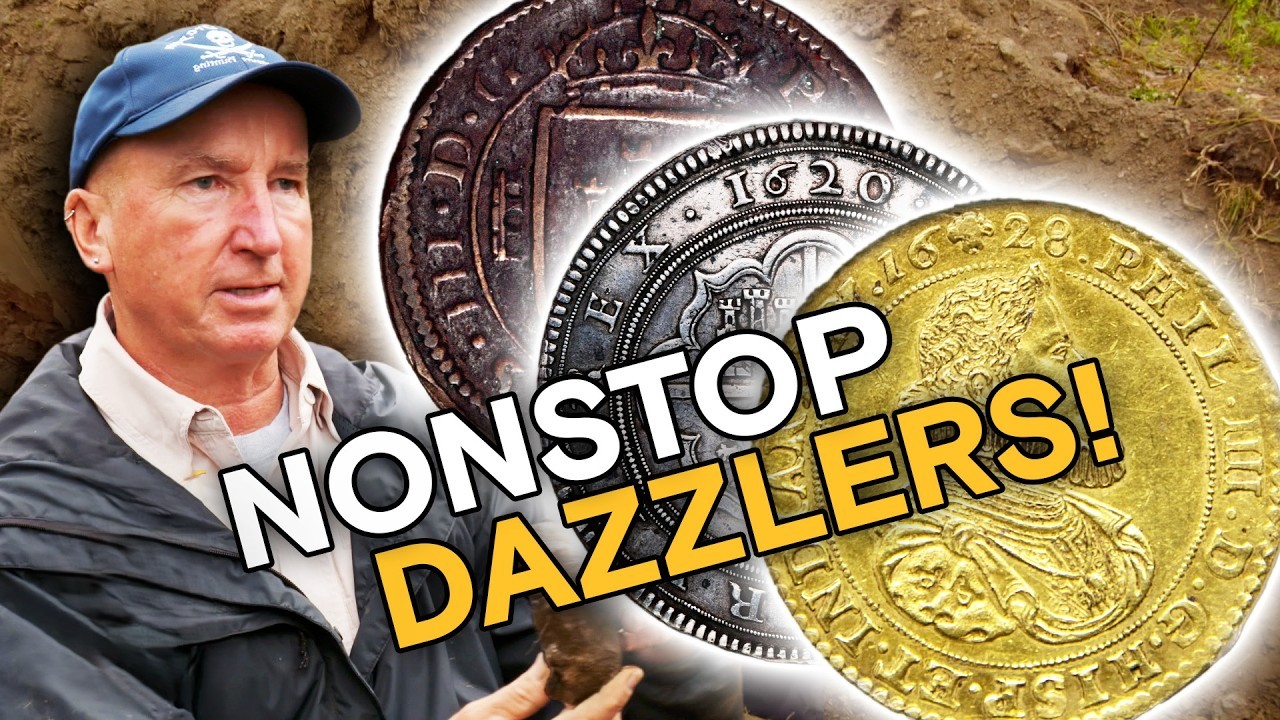
New discoveries on Oak Island are intensifying debate over the island’s long-running mystery, as the team behind The Curse of Oak Island uncovers a mix of coins, tools, and structural debris that may point to centuries of repeated human activity.
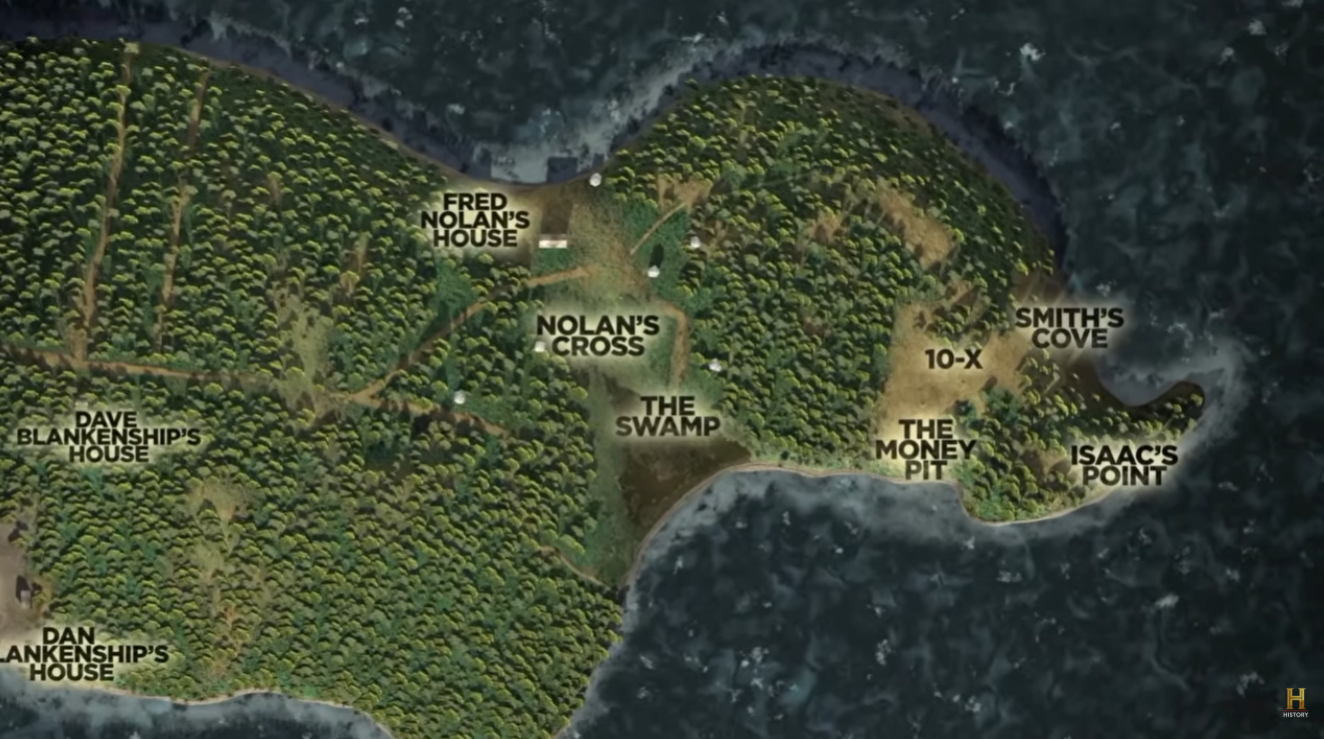
Following heavy winter storms, erosion at key coastal zones—especially Isaac’s Point—exposed previously buried layers of soil. The disturbance created a rare opportunity for metal-detection expert Gary Drayton and the Lagina team to search areas that had remained untouched for years.
EARLY COINS SUGGEST EUROPEAN PRESENCE
Among the most important finds were fragments of cut Spanish maravedí coins, a currency widely used by sailors and traders during the 17th and 18th centuries. These “cut coins” were commonly divided into pieces for small transactions, particularly in maritime environments.
A second copper coin, heavily worn but still bearing visible design elements, is also believed to date back to the 1700s. While not definitive proof of settlement, these discoveries continue to support theories that European visitors reached the island long before official records.
Researchers emphasize that even small currency finds are valuable in building a historical timeline for a site where written documentation is extremely limited.
STRUCTURAL AND INDUSTRIAL ARTIFACTS EMERGE
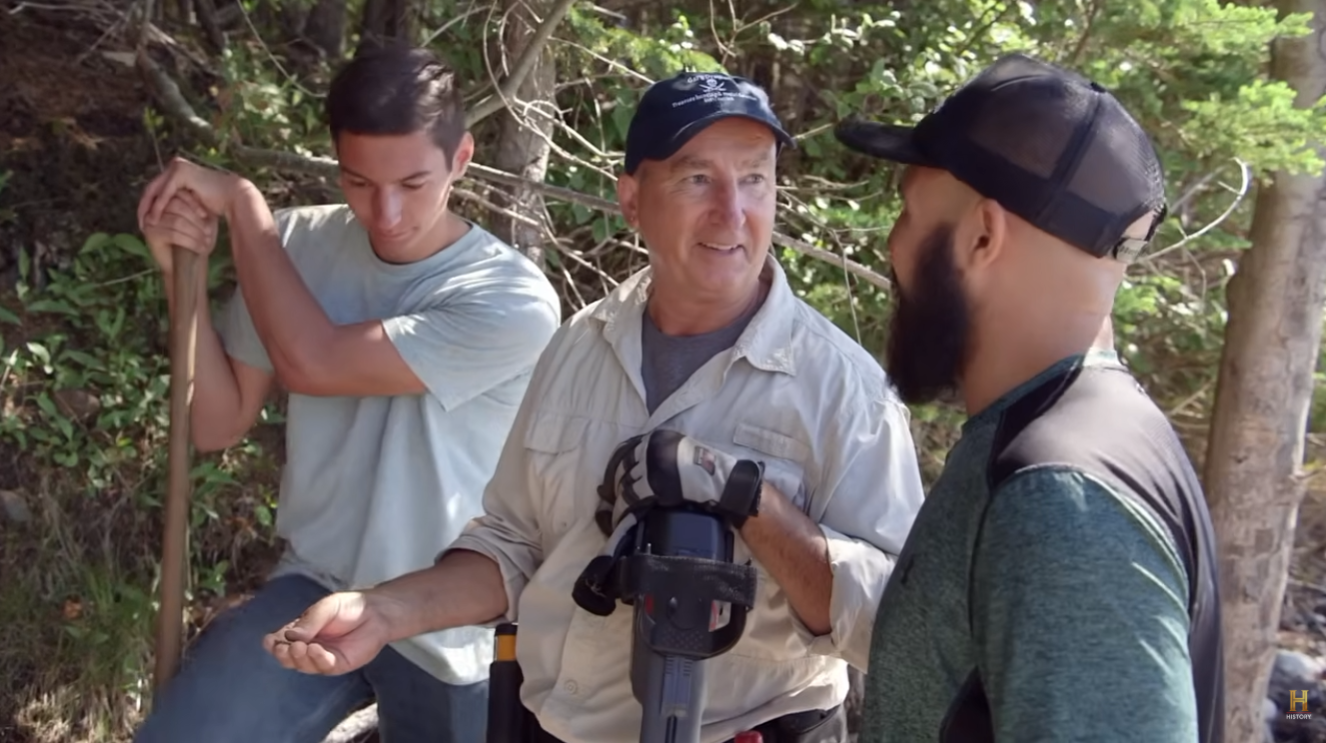
Beyond coins, the team recovered several objects that suggest organized human activity.
A small caster wheel was found embedded in a trench wall, raising questions about whether it came from a transport cart or underground construction system. While seemingly simple, its presence has fueled speculation about possible tunneling or heavy material movement on the island.
Additional discoveries included wrought iron cribbing spikes—commonly used in structural reinforcement near water or excavation zones—as well as corroded tools that may date to the early 20th century.
One of the more unusual finds was a piece of grape shot, a type of cannon ammunition used in naval warfare for centuries. Its presence has added another layer of mystery, raising questions about whether military activity or conflict once occurred in the area.
SMITH’S COVE CONTINUES TO DELIVER CLUES
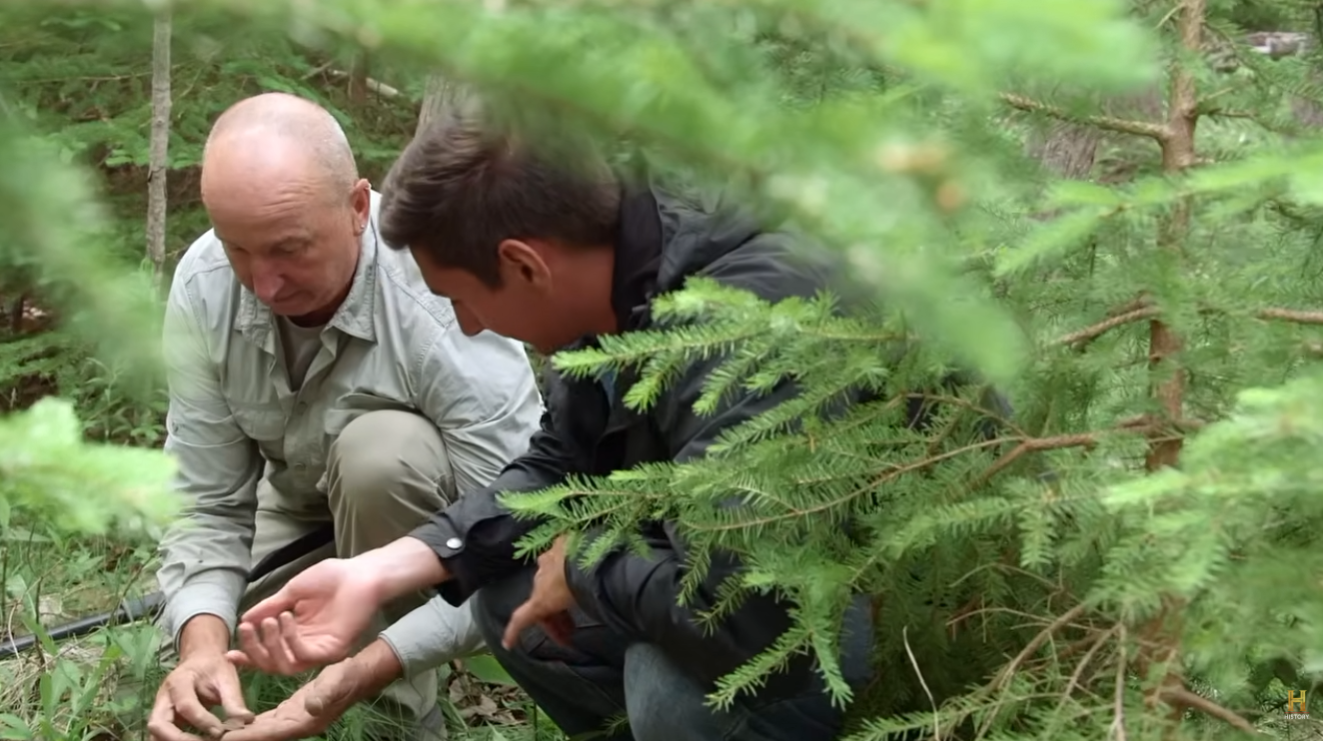
At Smith’s Cove, excavations revealed further artifacts embedded within layered wooden structures. A decorative lead fragment, potentially linked to earlier medieval-style finds, has been sent for laboratory analysis.
Archaeologists Dr. Ian Spooner and Dr. Aaron Taylor continue to examine what may be a buried cellar-like feature beneath the swamp edge. Early indications suggest concentrated human activity in the area over multiple time periods.
PATTERNS RAISE LARGER QUESTIONS
While no single artifact confirms a definitive explanation, the pattern of discoveries is becoming harder to ignore. Coins from different centuries, structural hardware, and possible industrial components have all been recovered within a relatively small portion of the island.
Researchers stress that only a fraction of Oak Island’s 132 acres has been thoroughly investigated, yet the density of finds already suggests repeated human presence over time.
MYSTERY REMAINS UNSOLVED
Despite the growing list of artifacts, the central question remains unanswered: who left them, and why?
Some evidence points toward early European explorers or traders, while other materials suggest later construction or searcher-era activity. The overlap of time periods continues to complicate the narrative.
For now, the Lagina team continues its work, expanding excavation zones in hopes that one clear discovery will finally connect the fragmented clues.
As each storm reshapes the island’s surface, Oak Island’s buried history appears less like myth—and more like a story still waiting to be fully revealed.