Oak Island discoveries deepen mystery as stone pathway, wooden tool and carved rock raise new questions

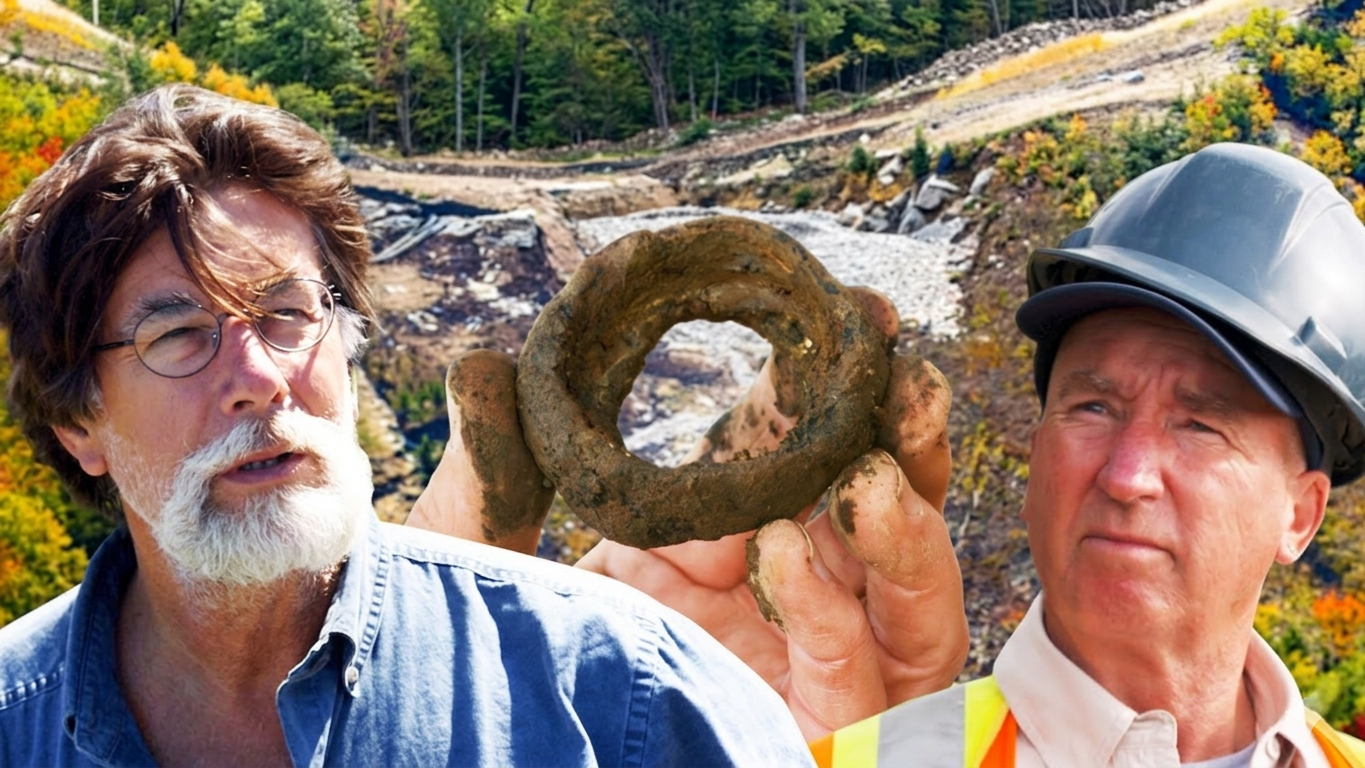
A series of fresh discoveries on The Curse of Oak Island has opened up another intriguing chapter in the team’s long-running investigation, as new finds near the swamp and the Money Pit suggest that the island’s buried story may be broader, older and more carefully planned than previously believed.
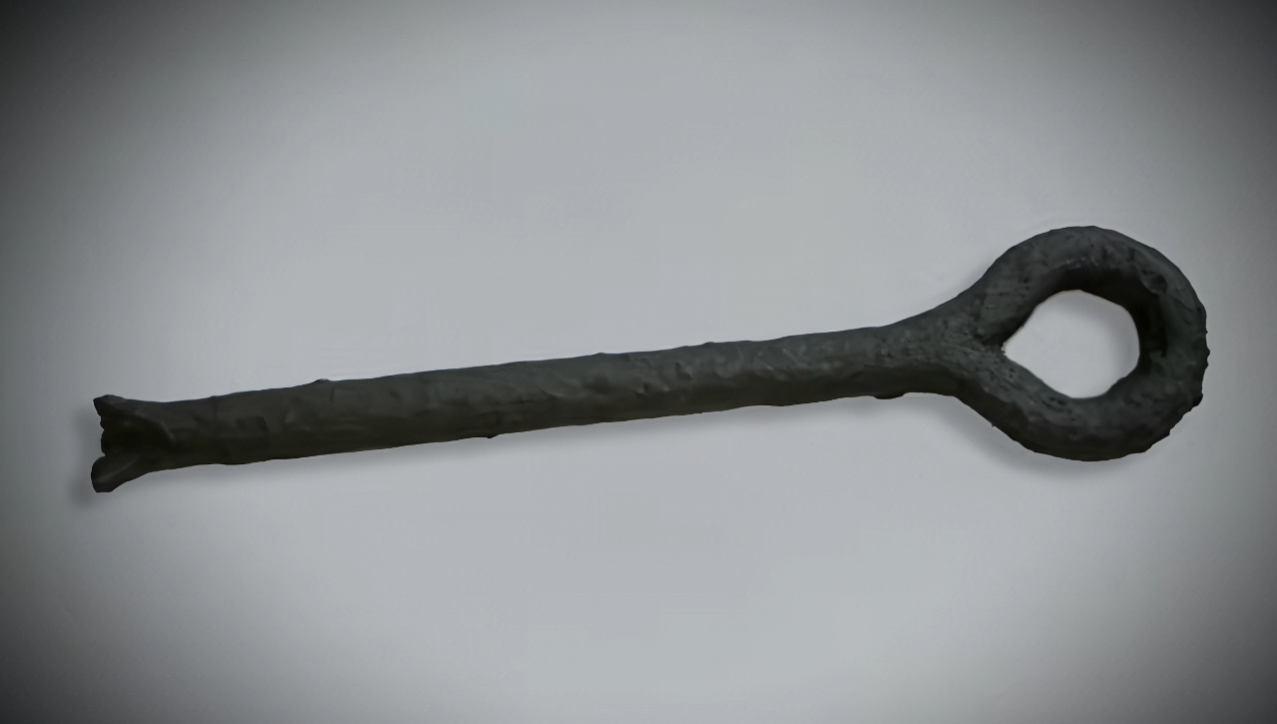
The latest developments centre on a stone pathway running along the eastern border of the swamp, where the team has been carefully excavating in search of clues that might explain who built it, when it was used and where it once led. What began as a close archaeological examination of the site has now produced several potentially significant finds, including an iron object that may have come from an old cart axle, a piece of coal linked to transport activity, a preserved wooden measuring tool and a carved stone discovered near the Money Pit.
Together, the finds do not yet solve the Oak Island mystery. But they do appear to strengthen the case that this area of the island was once the site of organised construction and repeated movement of materials rather than random activity.
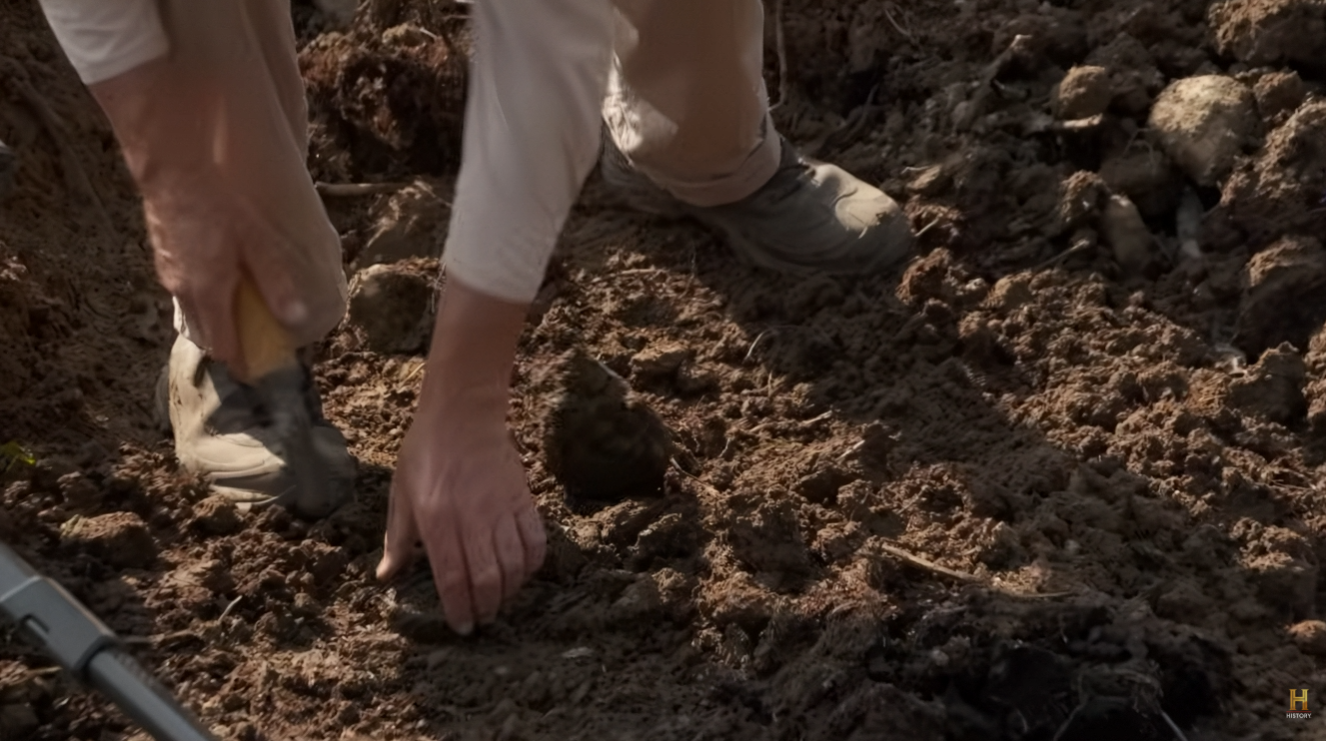
Metal-detecting expert Gary Drayton and Michael John were brought in to examine spoil piles from the excavation, with hopes of locating small artefacts that could help date the fire pit and stone pathway recently uncovered in the swamp area. It did not take long before they found a heavy, irregular iron object that Drayton believed was old and clearly not factory-made. The item was later described as potentially being part of a cart axle or wheel bearing, raising the possibility that carts once travelled the route while carrying heavy cargo.
That theory carries weight because it fits with earlier discoveries along the same pathway. The team had already found a large iron ring bolt and parts of keg barrels in the area, objects that were said to date back as much as 400 years or more and which supported the idea that goods may have been transported inland from a ship. The newly recovered iron piece does not prove that scenario on its own, but it adds another practical element to the picture: machinery or transport hardware linked to movement along the stone road.
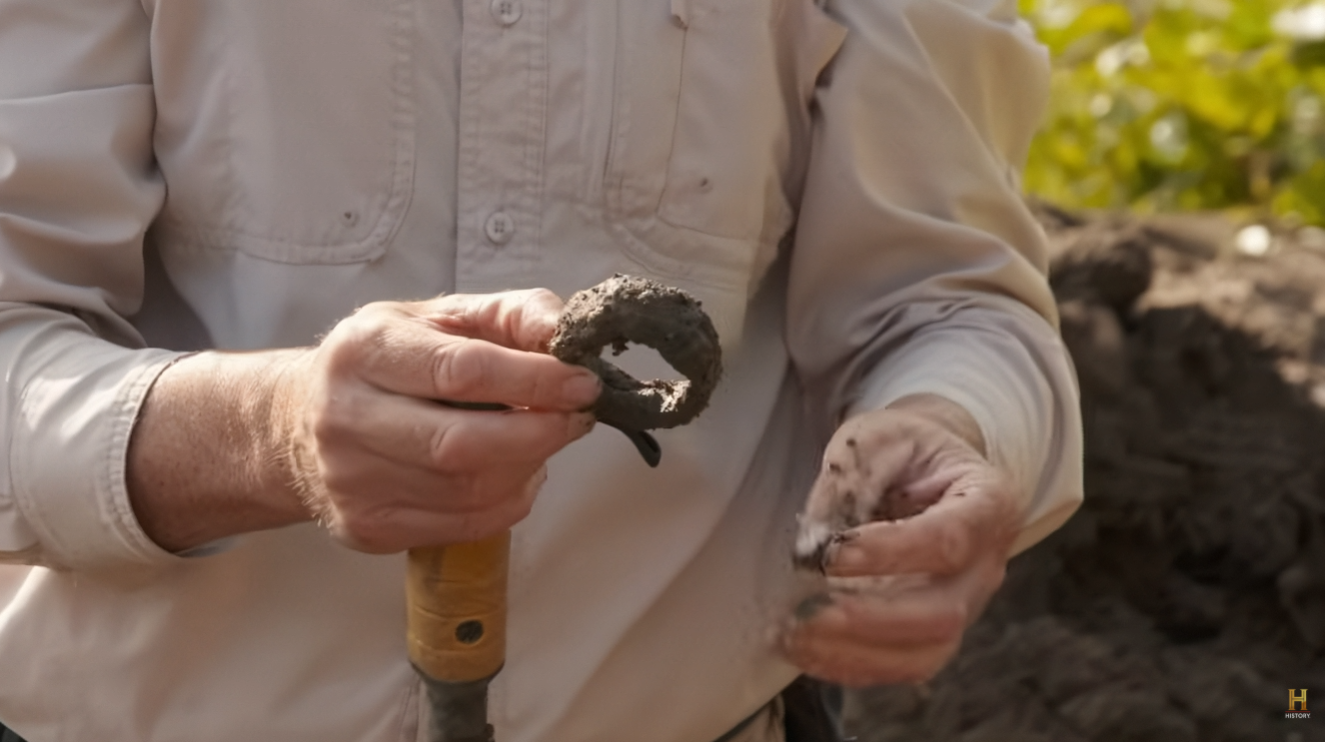
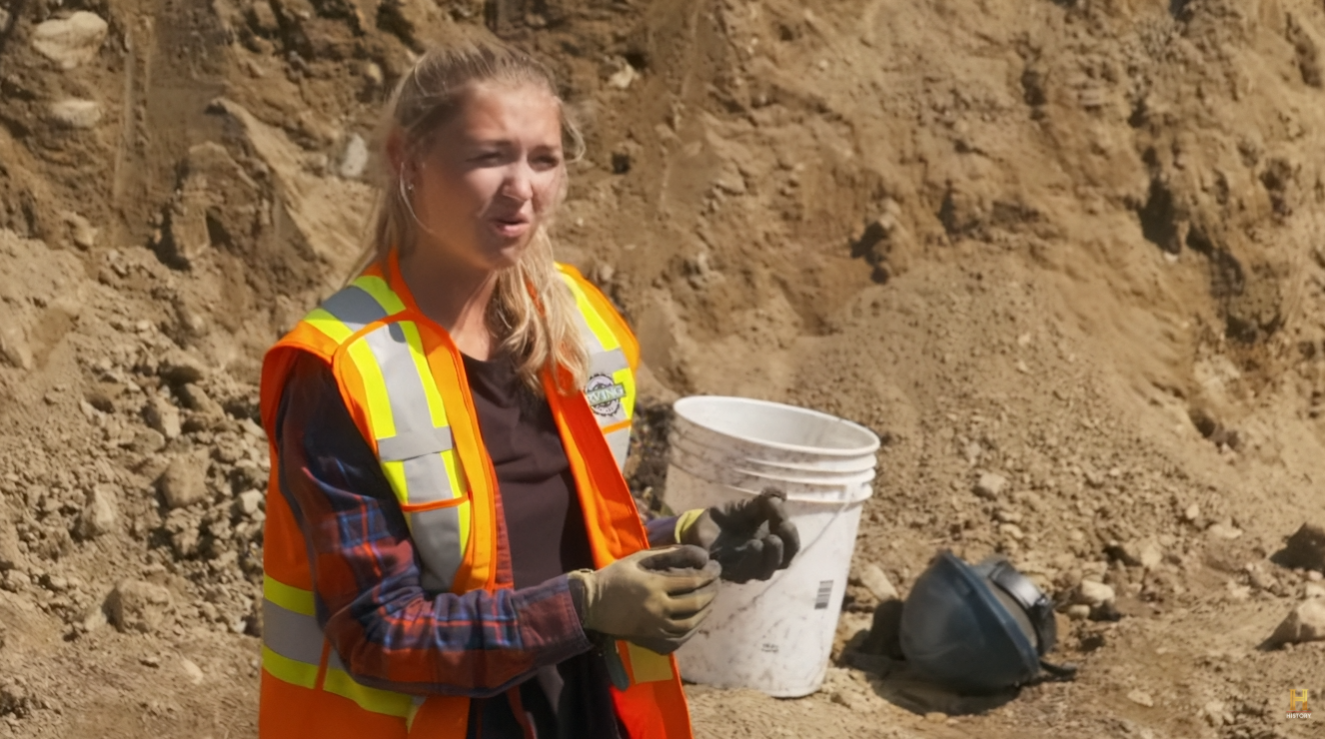
Archaeologist Miriam Amirault then uncovered what at first glance seemed far less dramatic: a piece of coal. Yet on Oak Island, small finds often carry disproportionate importance, and this was treated as one of those moments. Amirault suggested the coal may have fallen from carts moving along the rough stone road, possibly during the transport of fuel or materials. She also noted that testing the sample could provide useful dating evidence and perhaps even reveal where the coal originated.
The significance of the coal lies partly in what it may connect. The team had earlier investigated a rock formation on nearby Lot 15 that they believed could be a British military pine tar kiln, possibly dating to the 16th century and potentially connected to early construction around the Money Pit. Because charcoal had also been found there, the coal from the stone pathway was immediately viewed as a possible link between separate features on the island. Rick Lagina made clear how important such a connection could be, arguing that even small pieces of material can form the connective tissue between otherwise isolated discoveries.
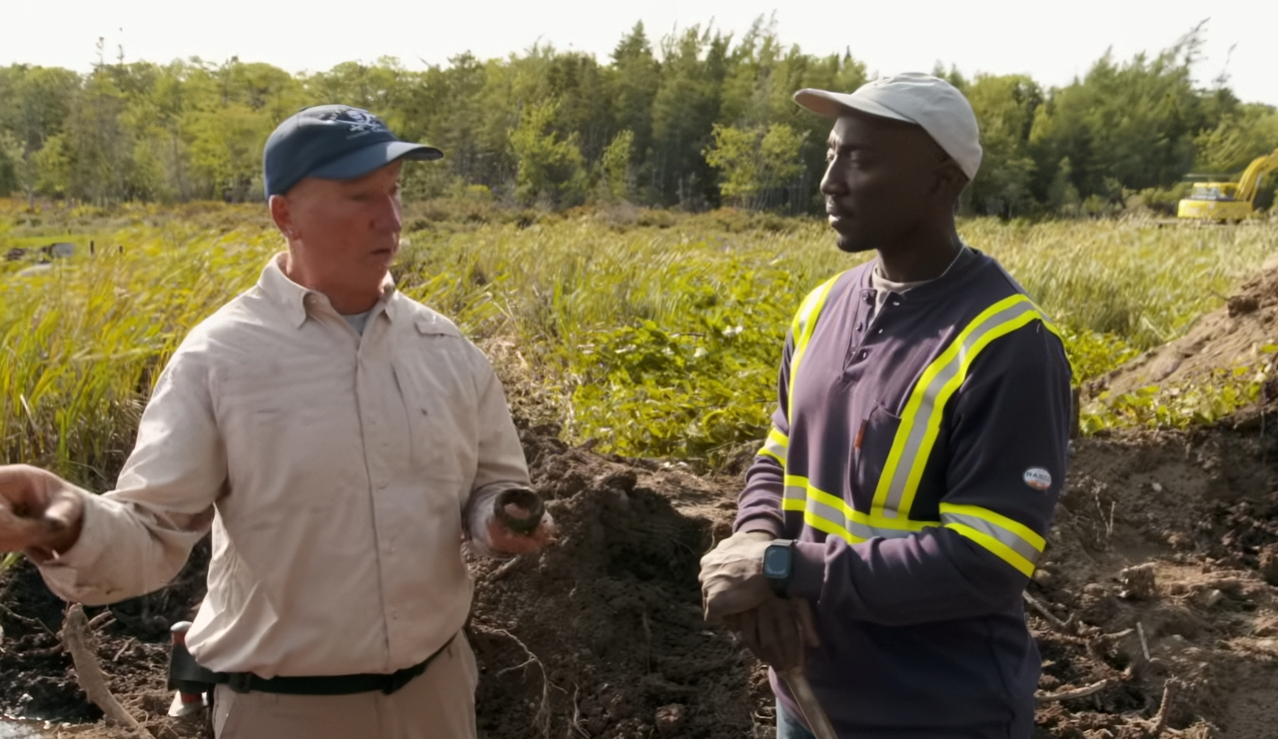
The investigation became even more intriguing when another unusual object was found near the pathway: a carefully shaped wooden piece that appeared, at first, to resemble a carpenter’s square. Later, after closer inspection at the research centre, it was described as resembling a stonemason’s tool. The object’s geometry drew immediate attention because of its apparent usefulness in creating practical building angles, including 30, 60 and 90 degrees. Marty Lagina and others quickly recognised that the piece could be far more important than it first appeared, not least because wood can be carbon dated.
If the tool is confirmed to be associated with stonemasonry or layout work, it could offer one of the clearest indications yet that the swamp pathway area was tied to deliberate construction rather than casual use. It would also add to the growing sense that the eastern side of the swamp may have served as a logistical corridor, perhaps linked to the movement, shaping or placement of heavy materials.
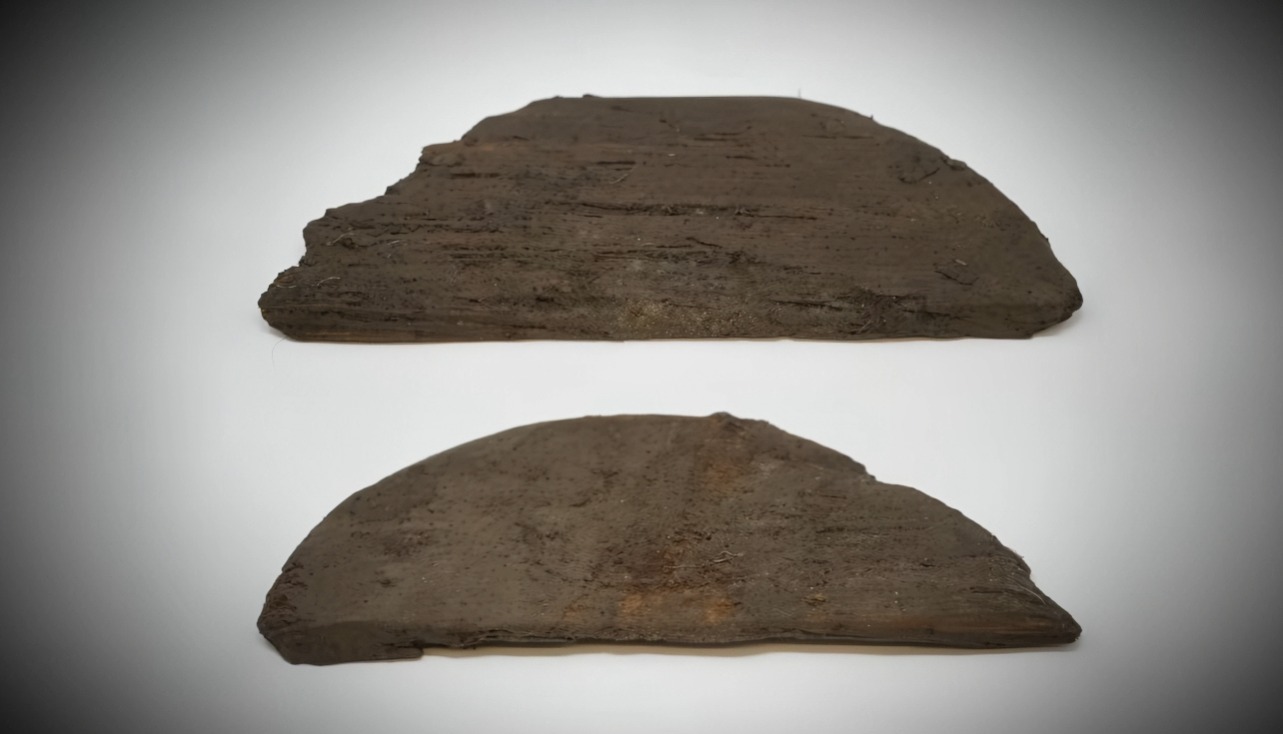
At the same time, attention turned back toward the Money Pit after an unusual stone was noticed by Tory Martin near the woods surrounding the area. The rock appeared to have flat edges and linear carved markings that several members of the team believed were not natural. Once water was applied, the markings became clearer, with some observers comparing them to Roman numerals or carved symbolic lines. Although no firm conclusion was reached, geologist Terry Matheson described the stone as likely touched by human hands rather than shaped solely by nature.
That immediately raised the stakes. Any carved stone found in close proximity to the Money Pit attracts serious attention on Oak Island, particularly because the team has previously examined other inscribed or symbol-bearing stones both on and beyond the island. The latest find was therefore not treated as an isolated curiosity, but as something that might belong to a wider pattern of markers, carvings or worked stone features connected to the island’s hidden history.
The broader implication of all these discoveries is that Oak Island may preserve overlapping layers of activity rather than a single mystery with a single origin. The stone pathway, the fire pit, the coal, the iron transport piece, the possible mason’s tool and the carved stone all point toward labour, planning and movement. None of them alone answers the central question of what was hidden on the island. But together they reinforce the idea that substantial work was once carried out here, and that at least part of it involved engineering, transport and material handling on a scale that still demands explanation.
For the Lagina brothers and the wider team, that is enough to keep pushing forward. Oak Island has always rewarded persistence not with certainty, but with more pieces of the puzzle. The latest episode offers several more. And once again, those pieces seem to suggest that the island’s story was built, measured and marked long before modern searchers ever arrived.