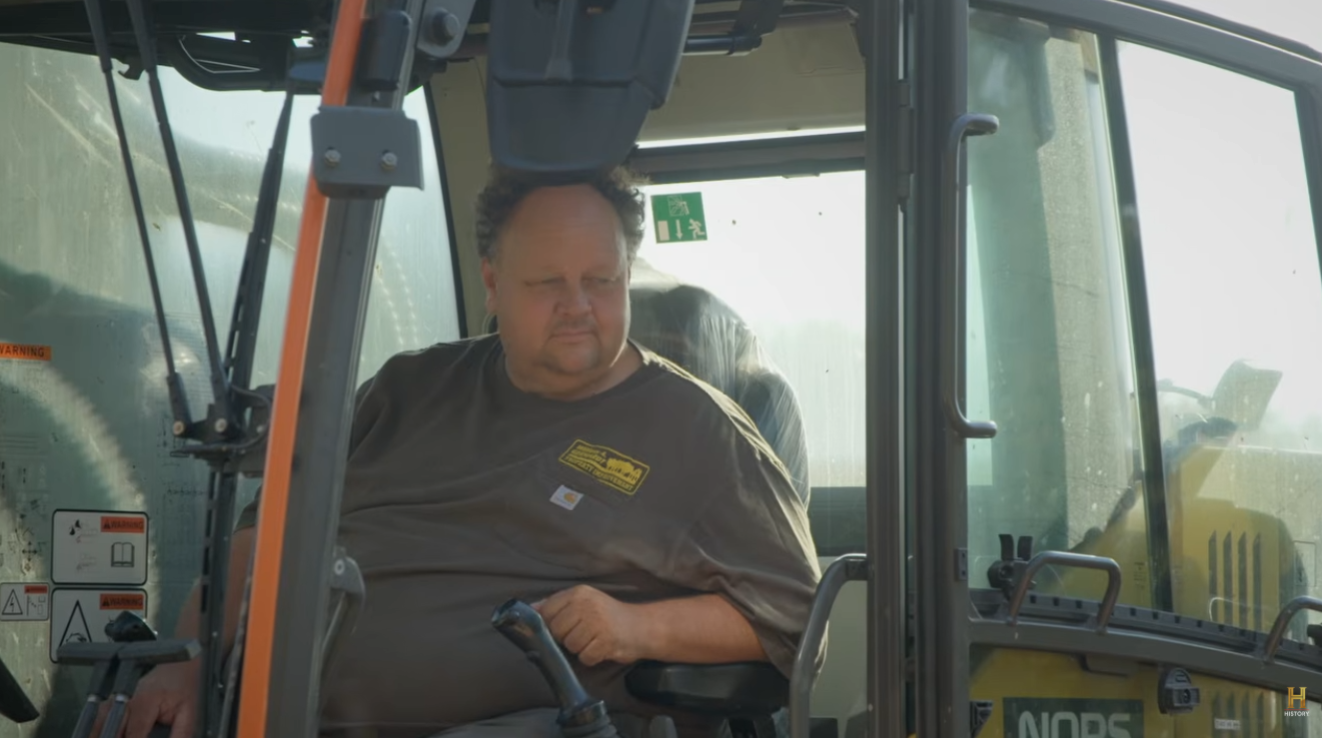
Oak Island Excavation Scene Sparks Fresh Attention as a Familiar Heavy Equipment Figure Returns

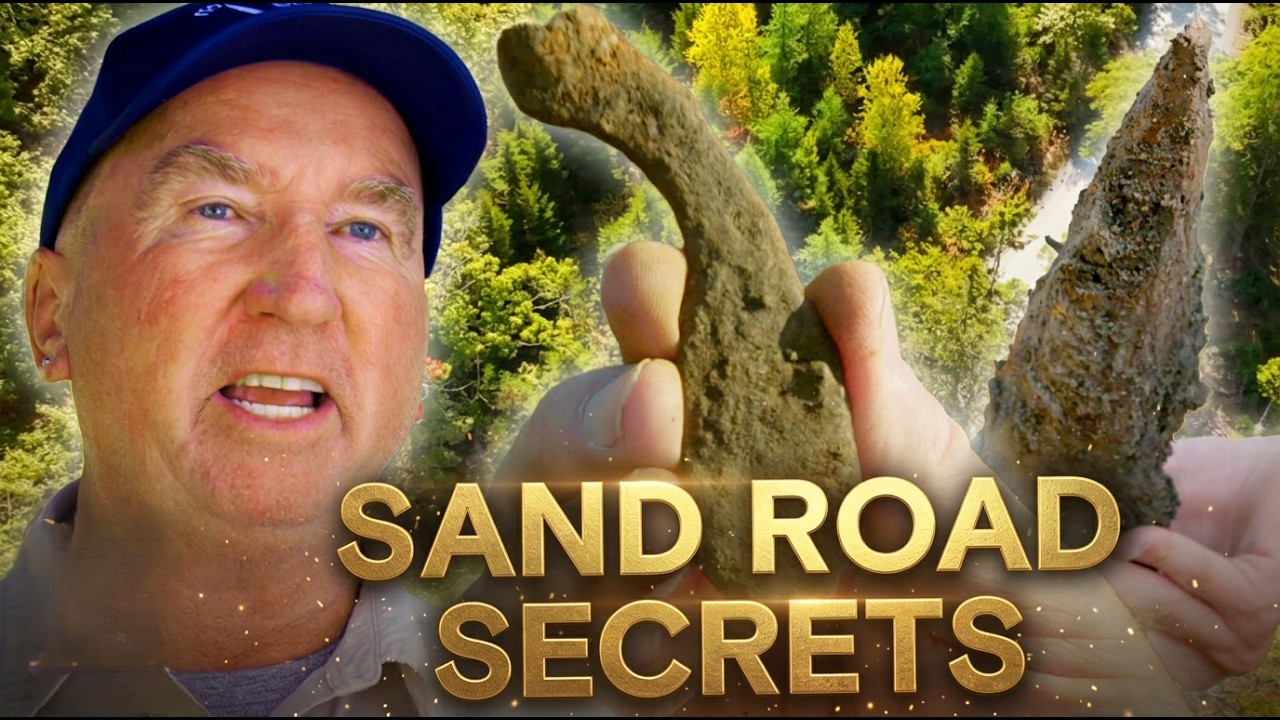
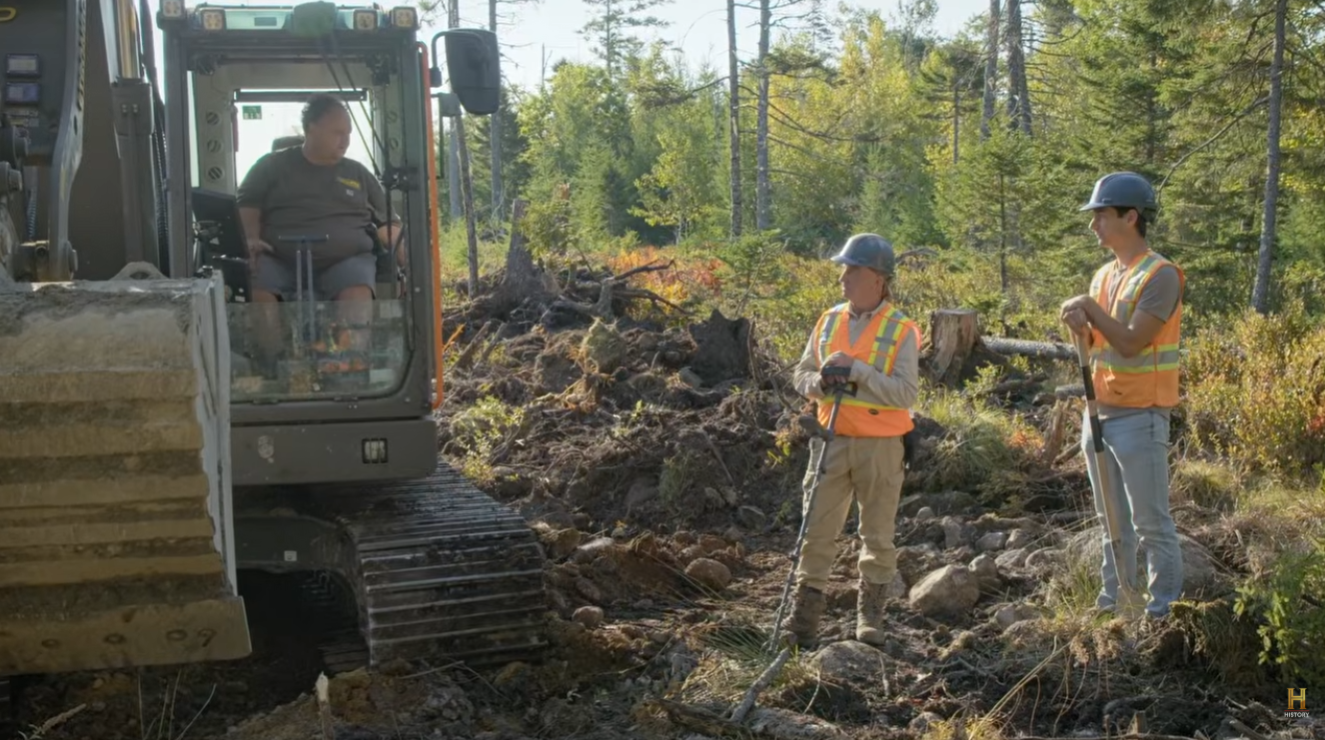
The Curse of Oak Island has spent years turning fragments of evidence into bigger theories, but the latest swamp discovery may be one of the clearest attempts yet to connect movement across the island to the Money Pit itself. In the newly described excavation, Peter Fornetti, Gary Drayton and Billy Gerhardt continue tracing a mysterious sand-covered road in the western swamp, uncovering more stakes, more alignment clues and one particularly telling artefact that could help date the feature.
The team’s focus is a sand and cobblestone road that has gradually become one of the more intriguing features on Oak Island. What first looked like an isolated stretch of buried structure is now appearing to form part of a larger route. As more sections are exposed, the road seems to line up with the older stone road in the southeast corner of the swamp, a feature the team has previously linked to possible Portuguese activity dating back more than 500 years. That possibility immediately raises the stakes, because if the two roads are connected, the swamp may hold evidence of a transport system far older than the island’s later treasure hunts.
Part of the excitement comes from the repeated appearance of eight-sided wooden stakes along the road’s edge. The source notes that similar stakes found elsewhere in the swamp were previously analysed by Professor Adriano Gaspani, who concluded that their alignments may date back to the early 13th century and could even have links to the Knights Templar. While that interpretation remains part of the show’s wider theory-building, the discovery of more possible eight-sided stakes along this sand road gives the team another reason to believe they are not looking at random swamp debris, but at a deliberately planned route.
The strongest physical clue of the day comes when Gary’s detector picks up iron deep within the sand road. The object turns out to be an old ox shoe, buried roughly a foot down. To the team, that matters for two reasons. First, it suggests animal traffic once moved along this path. Second, it hints that the road may have been used to haul material across the island. Gary speculates that oxen may have been used to pull loads toward the Money Pit, a theory that fits neatly with the idea of a structured transport route rather than an ordinary farm track.
As the excavation continues, the team reaches the edge of its permitted dig area, but not before making what may be the day’s most significant leap. Peter, Gary and Craig Tester begin to suspect that the sand road may actually continue toward, or even beneath, what is now Center Road. That would be a major development. Center Road is traditionally associated with later survey and treasure-hunting activity, but the discussion here raises a more provocative possibility: that today’s road may have been laid on top of a much older one. If true, that would suggest the island’s later divisions and pathways may have followed an earlier route already established on the ground.
That idea becomes especially important when Lot 5 is brought back into the conversation. Since 2022, the team has argued that Lot 5 may once have served as a kind of base camp linked to whoever created the Money Pit. Finds there, including artefacts and valuables dated as early as the 14th century, along with material said to match soils from deep in the Money Pit area, have supported that theory. If the sand road really does run beneath Center Road and toward Lot 5, then the team may finally have a physical explanation for how people, tools or valuable cargo moved between those locations.
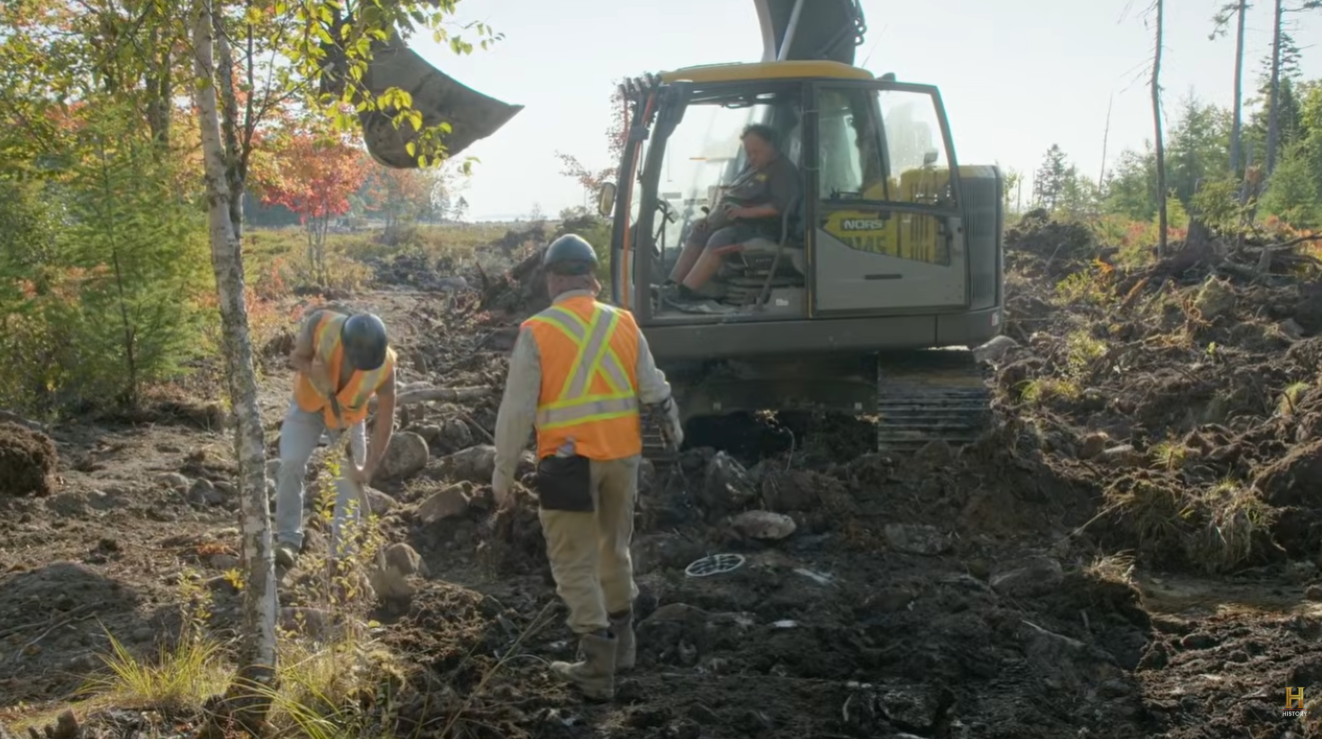
Rick Lagina, called in to inspect the latest findings, appears cautious but intrigued. The team stops short of claiming a final answer, but the conclusion is clear: the road now deserves a broader cross-section dig along Center Road to see whether an older path lies underneath. That next step could prove crucial in determining whether this is merely an interesting swamp feature or part of a much larger engineered network tied to Oak Island’s oldest mysteries.
For a series built on connecting fragments, this road may offer something unusually tangible. Stakes, cobblestones, sand layers and an ox shoe do not solve the mystery on their own. But together, they point toward organised activity, purposeful construction and movement across the island long before many accepted timelines would suggest. That is why this discovery matters. It is not just another object from the swamp. It is a possible route, and perhaps a route that once led straight to the heart of the Oak Island legend.