Oak Island Flood Tunnel Theory Gains New Focus as Searchers Revisit the Island’s Oldest Water Mystery


For more than two centuries, Oak Island’s greatest obstacle has not simply been the search for treasure. It has been water.
Every major attempt to reach the area known as the Money Pit has faced the same problem: flooding that appears to arrive faster than searchers can control it. That recurring pattern has made the so-called flood tunnel theory one of the most important and controversial ideas in the Oak Island story.
The latest discussion has again turned attention to Smith’s Cove, the shoreline area long linked to a possible underground water system. According to the theory, a hidden passage once connected the cove to the Money Pit, allowing seawater to rush into the shaft whenever searchers dug too deep. If true, it would suggest that Oak Island was not merely used to hide something valuable, but was deliberately engineered to protect it.
The theory rests on several pieces of long-debated evidence. Early searchers reported finding box drains at Smith’s Cove, arranged like fingers that converged toward a larger channel. These drains were said to have been covered with layers of stone, gravel, and coconut fibre. The coconut fibre remains one of the most intriguing details, because it does not naturally grow in Nova Scotia and would have had to be brought from far away.
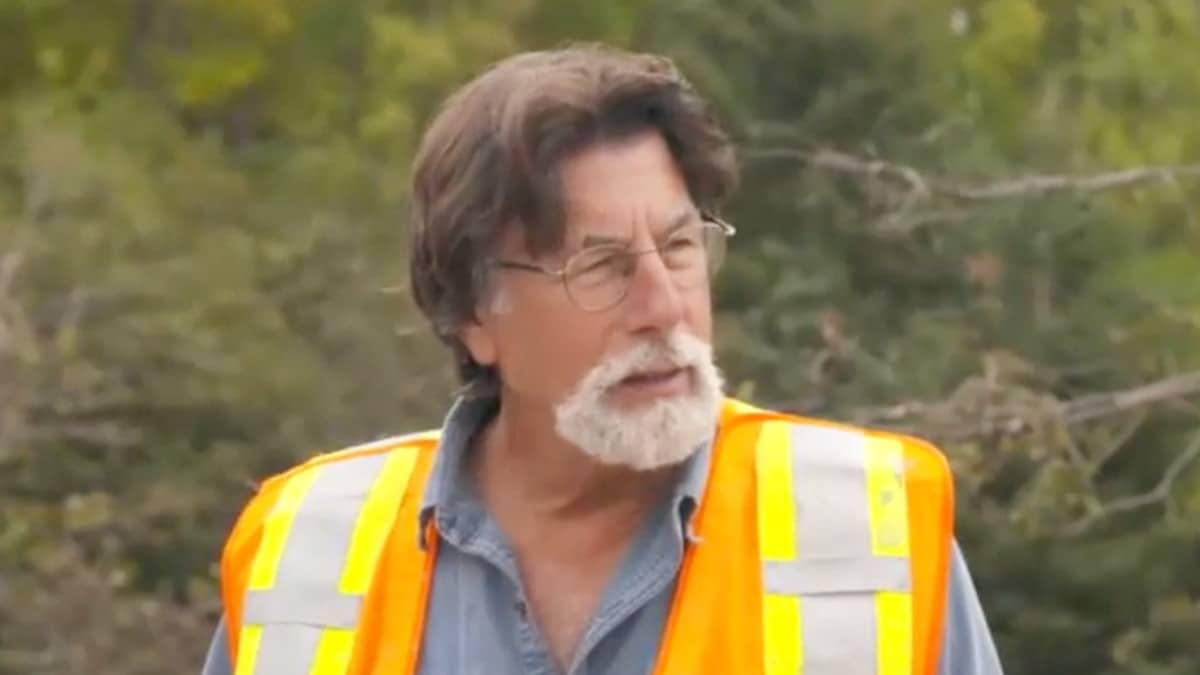
Supporters of the theory believe the material acted as a filter, allowing seawater to move through the drains while keeping sand from blocking the system. In that version of the story, the builders created a remarkably effective security mechanism, one that used the Atlantic Ocean itself as a lock.
For Rick and Marty Lagina, the modern search has often focused on whether that system can be physically traced. Their team has used heavy machinery, dye tests, drilling, and scanning technology in an effort to understand how water moves beneath the island. At Smith’s Cove, they have uncovered wooden structures and additional organic material buried beneath the shoreline, keeping the flood tunnel idea alive.
One major question now centres on the age of the wood found in the area. Dendrochronology, the study of tree rings, could help determine whether some of the buried timber belongs to an older construction phase or to later searcher activity. If testing places the wood in the right historical period, it could strengthen the case that part of the structure was connected to an original flood system.
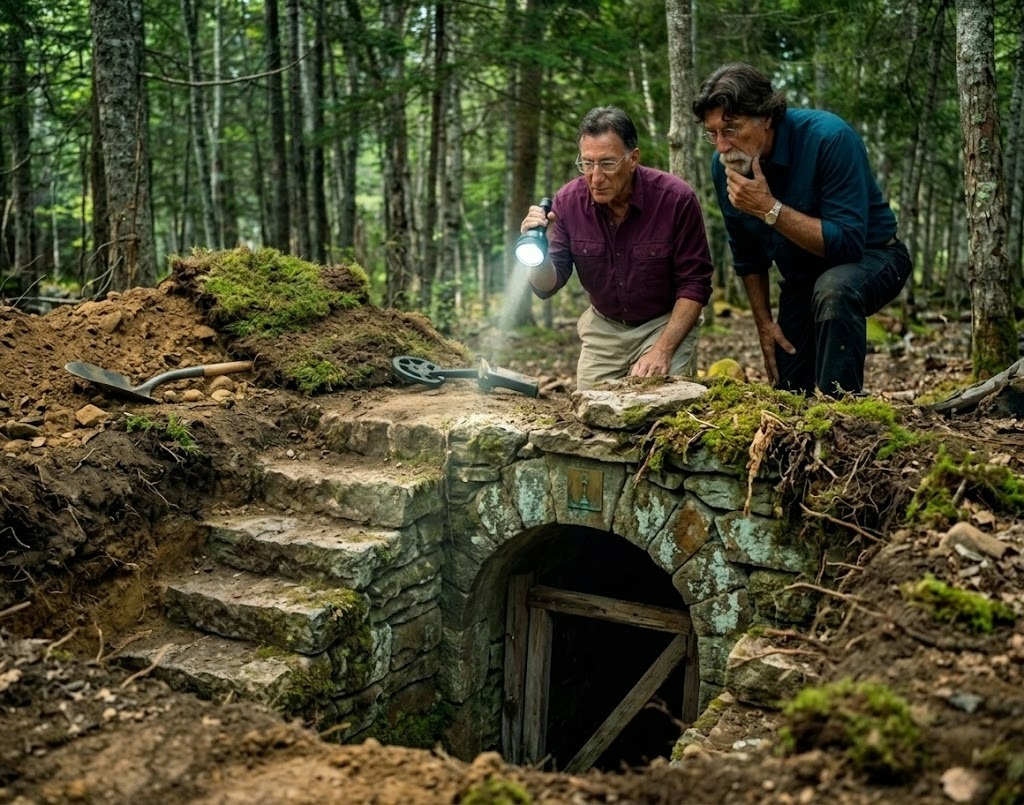
Yet the mystery remains complicated. Oak Island has been dug up repeatedly for generations. Searchers in the 1800s and 1900s built shafts, tunnels, dams, and other works, often disturbing earlier evidence. As a result, separating original construction from later excavation debris is difficult.
That uncertainty has allowed a rival explanation to gain ground. Some researchers argue that the flooding may be caused less by a hidden man-made tunnel and more by the island’s natural geology. Oak Island contains porous rock and underground cavities that can carry seawater through the ground. If deep shafts intersect these natural channels, flooding would occur even without any deliberate trap.
This geological argument does not fully dismiss human activity at Smith’s Cove. Instead, it raises the possibility that both explanations are partly correct. The original builders, if they existed, may have used natural underground water routes and modified them. That would have made the system easier to create and harder for later searchers to identify.
The Lagina team’s dye tests have added another layer to the debate. When fluorescent dye was introduced near the Money Pit area, traces reportedly appeared near the shoreline, suggesting a water connection between the two locations. However, the existence of a connection does not prove that it is a carefully built tunnel. Water could travel through cracks, cavities, or loose ground just as easily as through a constructed passage.
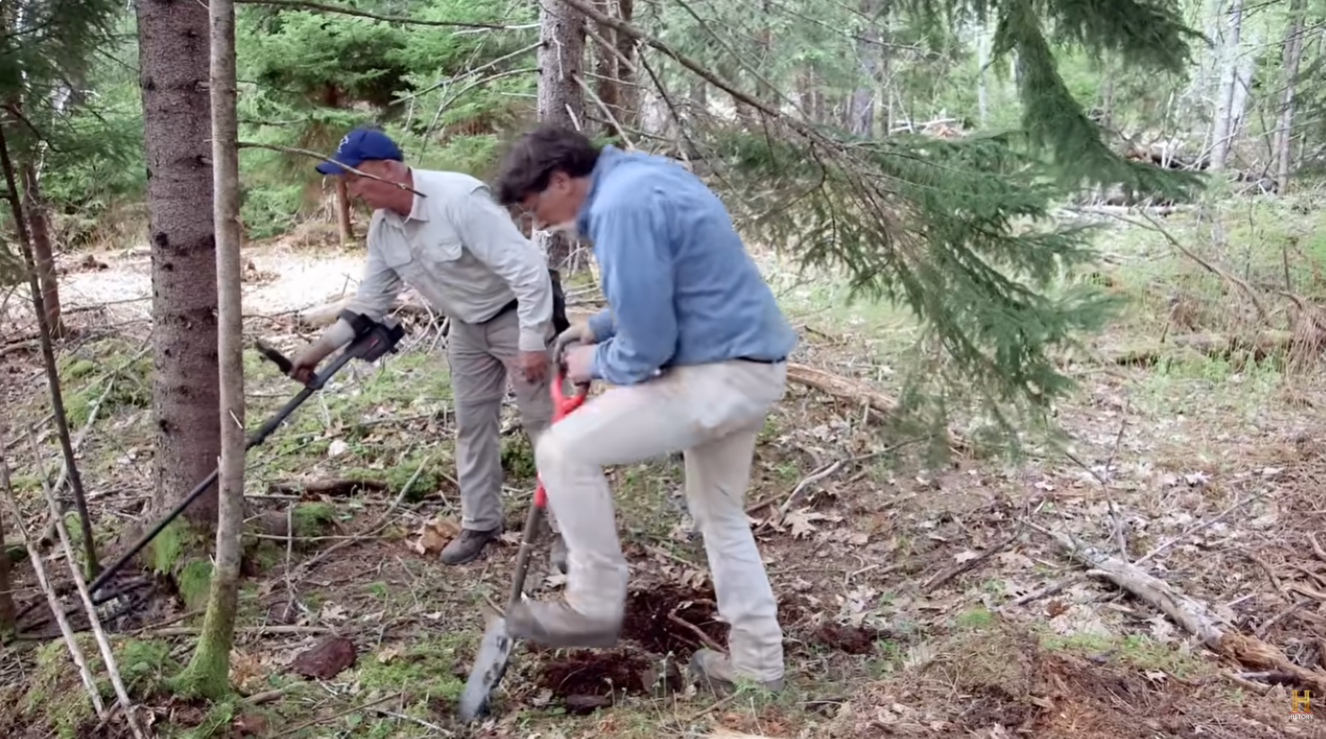
That is why the flood tunnel remains one of Oak Island’s most powerful mysteries. It sits at the centre of two competing ideas: one involving remarkable human engineering, the other involving a naturally unstable island that has frustrated treasure hunters for generations.
For viewers, the appeal lies in that unresolved tension. If the flood system was built by hand, it implies a level of planning far beyond a simple buried cache. It would suggest that whoever used the island had time, labour, technical knowledge, and a strong reason to protect what was placed there. If the flooding is natural, the Oak Island story becomes no less difficult, but far more grounded in geology than legend.
The search now depends on evidence rather than speculation. Wood dating, soil analysis, underground scans, and careful excavation may eventually reveal whether Smith’s Cove contains the remains of an engineered system or the mixed traces of centuries of searching.
Until then, the water beneath Oak Island continues to shape the entire investigation. It has stopped searchers for more than 200 years, turned a treasure hunt into an engineering puzzle, and kept one question alive season after season: was the island designed as a vault, or has nature been guarding its secrets all along?