Oak Island Mystery Deepens as Historic Dig Reveals Medieval Artifacts but No Treasure


The search for Oak Island’s legendary Money Pit has reached unprecedented depths, yet treasure continues to elude even the most advanced excavation efforts. In Season 13 of the hit series The Curse of Oak Island, the team pushed a 7-foot-wide drilling rig over 210 feet below the surface, deeper than any manned exploration in the island’s 230-year history, and the findings have both intrigued and baffled historians and treasure hunters alike.
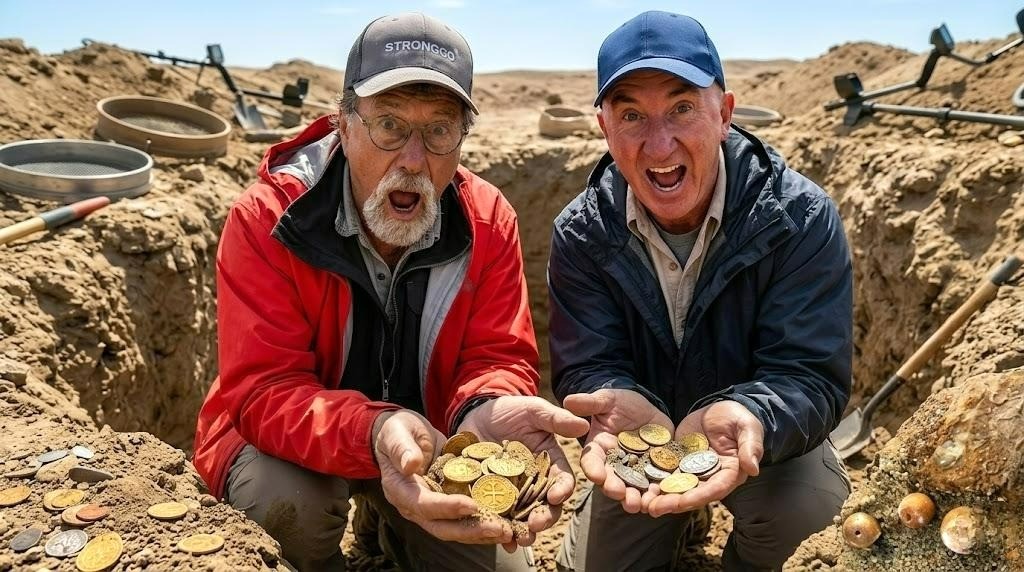
The expedition uncovered a range of unexpected artifacts, including medieval stone cannonballs believed to originate from the Portuguese Azores, dating back to the 14th and 15th centuries. Archaeologist Emma Culligan confirmed tool marks on these projectiles, while Dr. Robert Rayside verified that the volcanic rock composition does not exist naturally in Nova Scotia, suggesting an unusual transatlantic connection. Four such projectiles were recovered from approximately 100 feet beneath the surface, an unprecedented discovery that challenges traditional theories about the Money Pit.
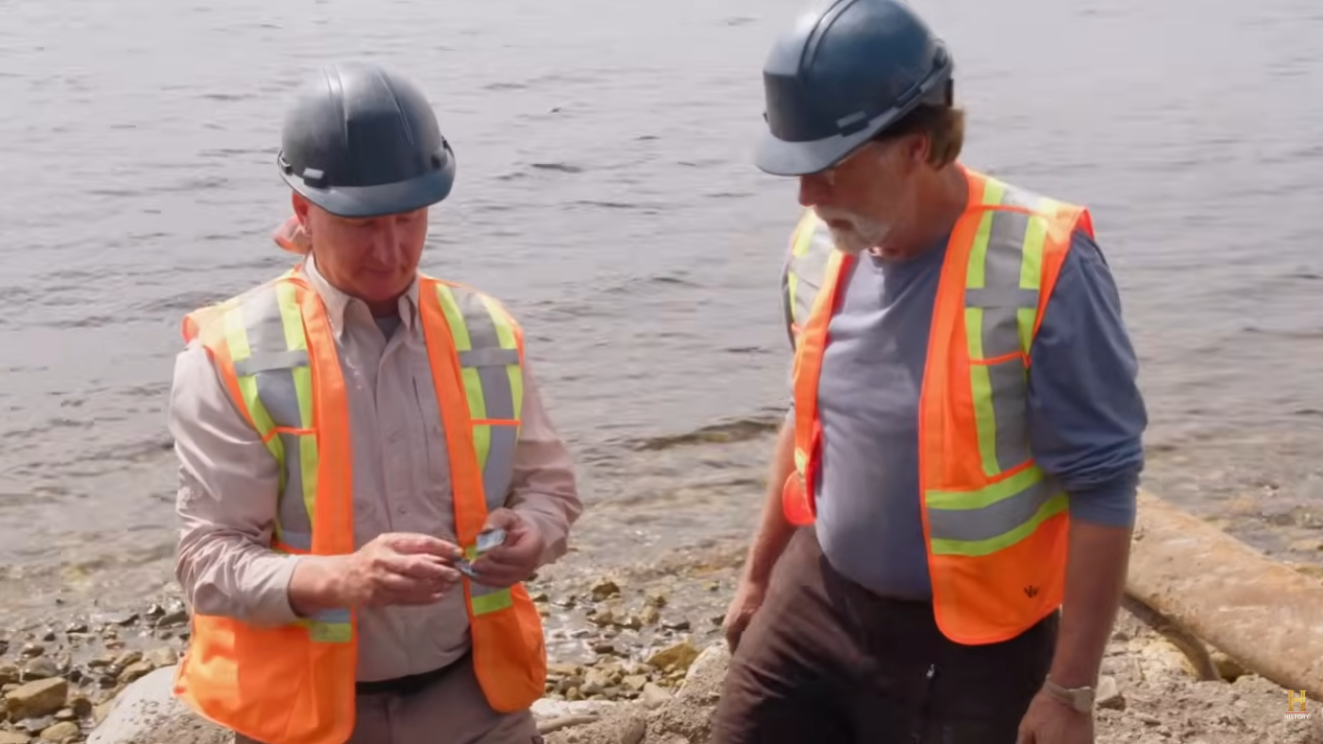
Despite this historical breakthrough, the team found no evidence of the fabled treasure at the bottom of the shafts. At depths of 150 feet, a void was detected with traces of gold and silver, but sifting through the spoil revealed only cobbles and boulders. Even at bedrock, 211 feet below, the shafts ended in gypsum with no structural evidence of a vault, chest, or man-made chamber. Rick Lagina, a key team member, expressed visible disappointment as the reality of the dig set in.
Historical context frames the challenge: every generation of searchers since 1803 has been thwarted by water and unstable ground. Past excavators, from the Enslow Company to Dan Blankenship, reached similar depths with limited technology, often resulting in flooded shafts, destroyed archaeological layers, or ambiguous findings. Season 13’s vertical drilling provides, for the first time, a complete profile from surface to bedrock, allowing researchers to accurately document each depth and its findings, irrespective of legend or previous assumptions.
The Money Pit’s 100-foot level confirmed the presence of pre-1795 tunnels, the 150-foot depth void connected with historical gold readings, and a cement fragment at this same level linked to 19th-century drilling operations. The 211-foot bedrock established the deepest point of construction, providing a framework for future explorations. While no treasure chest was recovered, the data gathered may redefine the historical narrative of Oak Island, offering unprecedented insight into the island’s underground engineering.
Season 13’s excavation highlights the complexity and enduring allure of Oak Island. For over two centuries, hope and ingenuity have collided with natural barriers, from flooding to geological anomalies. Though the treasure remains unseen, the meticulous vertical profile and medieval artifacts provide a new lens through which historians and enthusiasts can examine the island’s enigmatic past. As the team continues to analyze their findings, Oak Island remains a captivating blend of legend, history, and mystery.