Oak Island Mystery Takes a New Turn as Money Pit Discovery Points More Than 2,000 Miles to the Azores

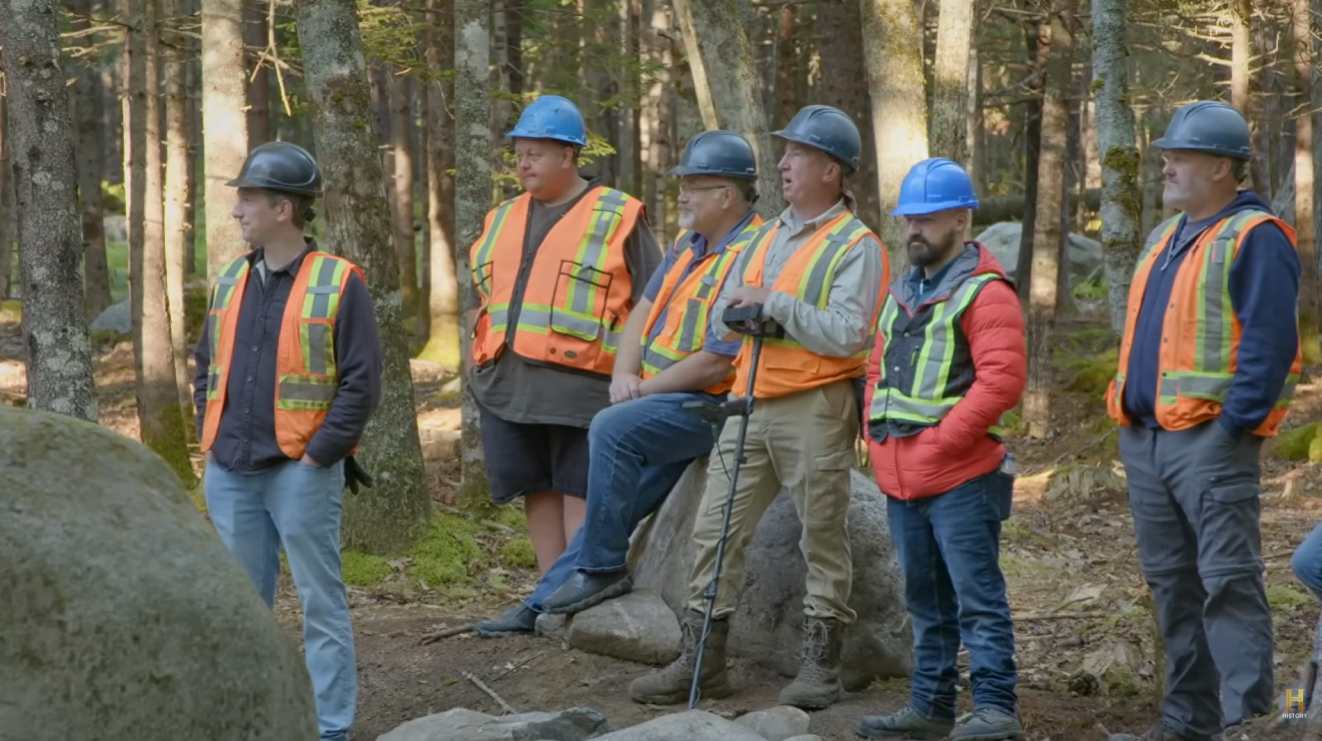
For years, The Curse of Oak Island has kept its attention fixed on a small stretch of land in Nova Scotia, with Rick and Marty Lagina pouring time, effort and money into the stubborn ground around the Money Pit, the swamp and a growing list of nearby sites. But in season 13 episode 22, Road Trip, the search appears to take one of its biggest turns yet, as a fresh discovery deep in the Money Pit is presented as evidence that the answer may not lie only beneath Oak Island itself, but more than 2,000 miles away in the Azores.
The episode marks a significant shift in the way the mystery is being framed. Rather than treating Oak Island as an isolated treasure site, the new material suggests it may have been part of a much wider Atlantic network linked to early European exploration and, more specifically, to Portuguese and Templar-connected history. That idea has hovered around the series for years, but the latest episode pushes it further than before by tying a new Money Pit find directly to a specific destination.
Before that international angle fully takes hold, the episode also returns to the swamp, which continues to produce clues that support the long-running theory that the area was deliberately engineered. The team is shown uncovering more of the sand and stone road hidden beneath the muddy ground, and viewers reportedly spotted items including a wooden stake, a rusted iron nail and what appeared to be an additional path branching away from the main cobblestone route. On their own, such finds might seem minor. But within the logic of the Oak Island search, they are treated as signs of organised infrastructure rather than random debris.
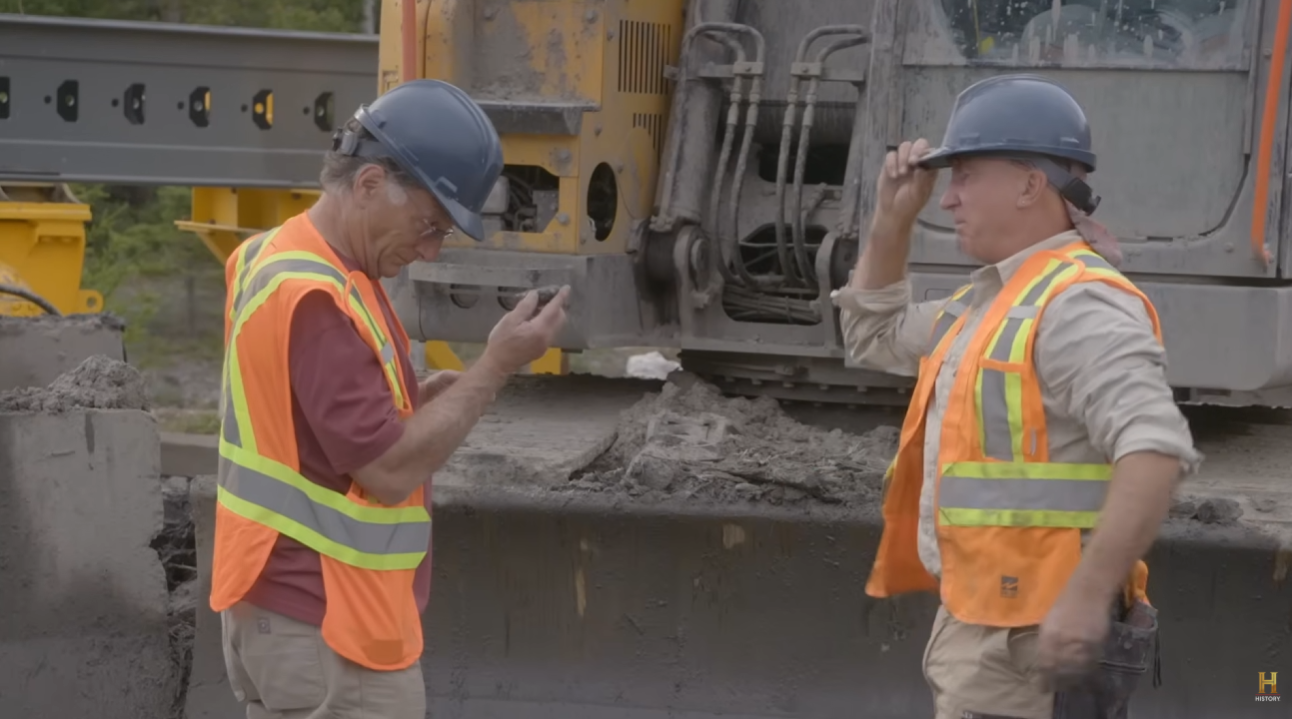
Even so, the swamp developments are ultimately overshadowed by what happens at the Money Pit. The transcript describes the team pulling up a highly unusual round stone shot from deep underground, a find that immediately changes the conversation. Rather than dismissing it as another odd rock, the researchers reportedly connect it to European maritime history and begin using its composition and dimensions to trace a line out into the North Atlantic. That line, the episode suggests, leads to the Azores.
That matters because the Azores occupy a very particular place in the theories that have shaped the series. The islands, an autonomous Portuguese archipelago in the mid-Atlantic, are presented in the transcript as a strategic base linked to the Order of Christ, the Portuguese successor to the Knights Templar after the original order was dissolved in the early fourteenth century. In this version of events, surviving Templar-linked forces may have regrouped in Portugal, used the Azores as a staging point, and then crossed the Atlantic long before the voyages more commonly highlighted in mainstream history.
The round stone shot is therefore treated not simply as an artefact, but as a directional clue. If it can be linked to Portuguese or Order of Christ materials from the Azores, then the implication is that Oak Island was not just a local hiding place but part of a deliberate transatlantic effort. The island becomes less of a mystery in isolation and more of a final destination in a carefully planned route.
That idea is strong enough in the episode that Rick Lagina reportedly decides not to wait. In the following instalment, Island Hopping, he is said to take a select group of team members to the Azores to examine ancient Portuguese structures that may mirror some of the underground architecture found on Oak Island. While Rick heads overseas, Marty remains in Canada to oversee continuing work on Lot 8, creating a split narrative that allows the series to pursue the Atlantic connection while still keeping the local dig active.
The transcript also makes clear that fan reaction has been mixed, as it often is with Oak Island. Some viewers are said to have welcomed the international turn as a fresh jolt of energy late in the season, while others responded with the familiar scepticism that surrounds the series whenever a small find is used to support a sweeping historical theory. Jokes about the team using a single round stone, a wooden stake or a rusted nail to justify a European trip reflect a long-running frustration among parts of the audience, who see these overseas investigations as bold speculation rather than hard proof.
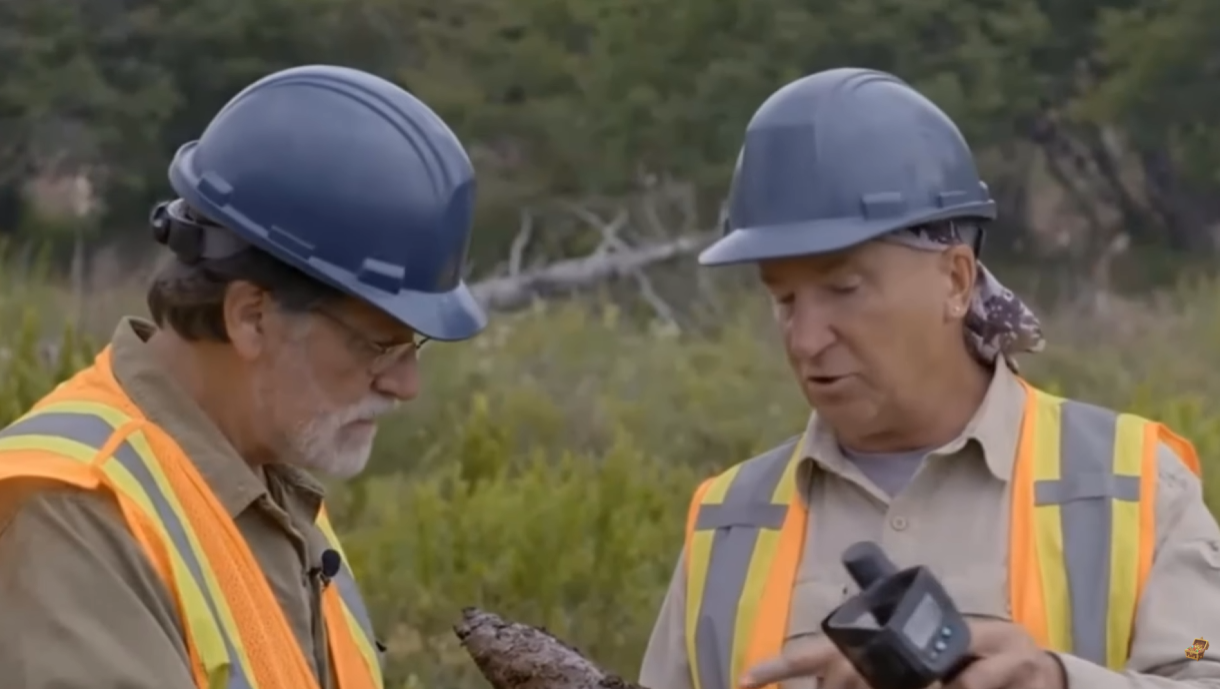
Still, the episode does not arrive in a vacuum. The Azores theory is presented as an extension of earlier lines of inquiry that have shaped the programme for years, from Zena Halpern’s maps to the lead cross found at Smith’s Cove and the broader attempt to connect Oak Island with medieval Europe. The transcript also references earlier artefacts, including coins and tools linked to Europe, as part of the expanding case for pre-Columbian contact. Whether those connections truly hold up is open to debate, but within the structure of the show they form the basis for the latest move.
What Road Trip ultimately offers is not a solved mystery, but a widening one. The search is no longer confined to shafts, drill holes and swamp trenches. It now stretches into the Atlantic, toward Portuguese islands and centuries-old maritime networks. Whether that brings the team closer to a real answer remains uncertain. But if nothing else, episode 22 makes one thing clear: after more than a decade of digging, Oak Island is no longer being presented as just a Canadian treasure hunt. It is being framed as part of a much larger historical journey, and the Lagina brothers appear more determined than ever to follow it wherever it leads.