Oak Island Season 13 Ends With Underground Clues That Could Rewrite the Money Pit Mystery


The Curse of Oak Island has ended its 13th season with a discovery that may prove more important than gold.
For more than 200 years, Oak Island has drawn searchers into a mystery built on tunnels, flooding shafts, unexplained artifacts and the possibility of a hidden treasure buried somewhere beneath the Nova Scotia island. But the latest season finale shifted the focus away from obvious riches and toward something potentially more significant: evidence of deep underground activity that may date back centuries before the official discovery of the Money Pit.
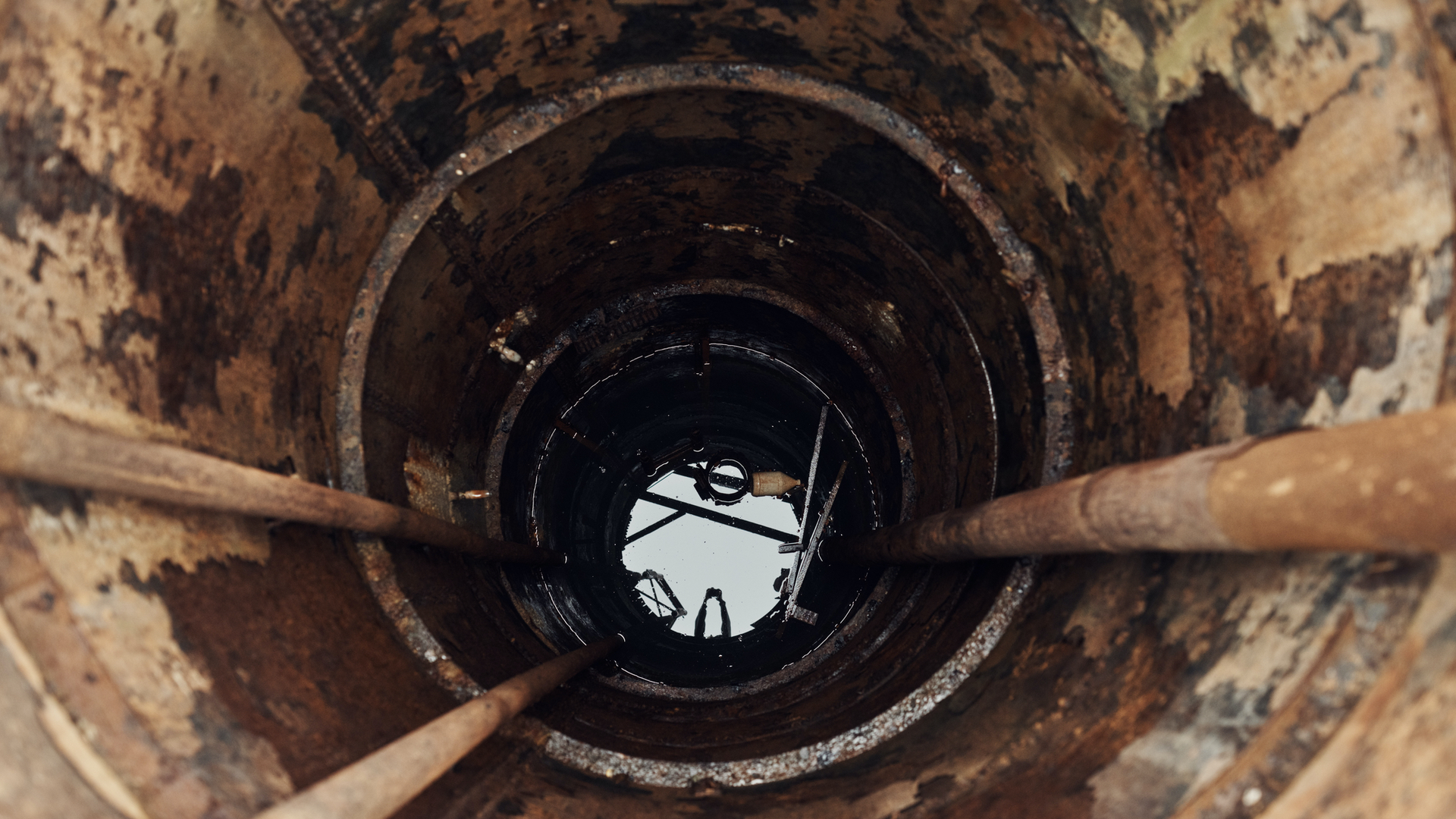
At the centre of the finale was one of the team’s most ambitious operations of the season. Rick and Marty Lagina’s crew installed their sixth and largest steel caisson of the year, known by the team as Toot 1. The structure measured nearly seven feet across and reached roughly 195 feet beneath the surface, targeting a deep underground formation known as the solution channel.
That channel has long been viewed as both an obstacle and an opportunity. Packed with collapsed material, old debris and the remains of earlier activity, it could contain clues to what happened beneath Oak Island long before modern searchers arrived.
The operation was technically difficult from the beginning. Industrial pumps were used to remove thick muck, sediment and debris from the caisson. The work was slow and demanding, with the team racing against weather, unstable ground and the pressure of closing out another season without losing a potential breakthrough.
Once the material from Toot 1 was brought to the surface, the real investigation began. Spoils from the caisson were spread out at Smith’s Cove and carefully examined. At first glance, the material appeared to be ordinary mud and rubble, but for the Oak Island team, every fragment carried possibility.
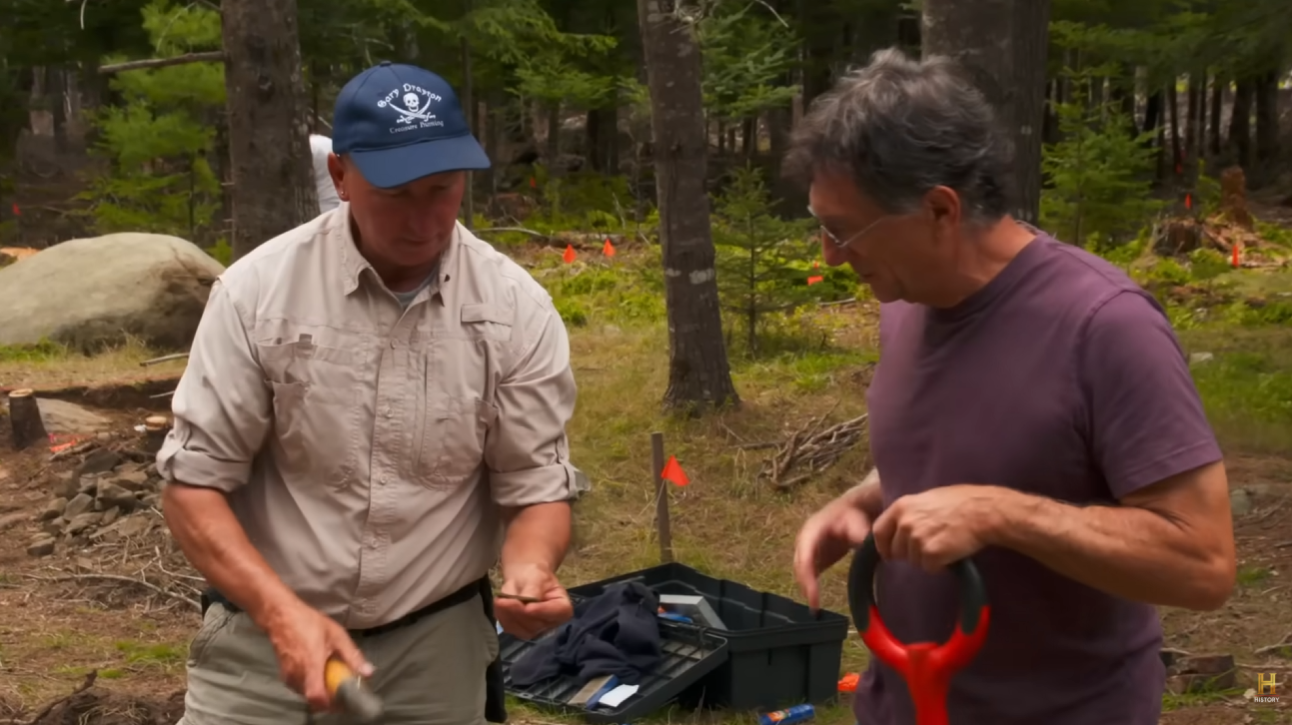
Gary Drayton and the crew used metal detectors to scan the recovered material. A strong signal soon led to the discovery of what appeared to be a small iron pick fragment. While modest in appearance, the piece immediately drew attention because of its shape, wear and possible connection to underground work.
The find became more intriguing because it resembled another tool fragment previously recovered from deeper in the Money Pit area. Together, the pieces raised a major question: were they the remains of a much older tunnelling operation beneath Oak Island?
Expert examination added weight to that theory. The artifacts were later taken to the Oak Island Museum lab, where they were studied in more detail. According to the material provided, analysis suggested that the smaller pick fragment and a larger chisel were made from clean, hand-forged iron, consistent with early metalworking methods. Testing also indicated potassium traces that may point toward charcoal-based forging, a technique associated with earlier periods of production.’
The possible dating was the most important part. Experts suggested the tools could date to around the 1650s or earlier. If accurate, that would place underground work on Oak Island more than a century before the Money Pit was officially discovered in 1795.
For the Lagina team, that possibility carries enormous implications. It would suggest that people were not merely visiting Oak Island in the distant past, but may have been actively working underground with tools designed for tunnelling or excavation.
That does not prove the existence of treasure. But it does strengthen one of the most important ideas behind the Oak Island mystery: that the island may have been the site of an organized and technically skilled operation long before its modern legend began.
The finale also pointed toward the next phase of the search. With the solution channel proving more complex than expected, the team is considering a more systematic excavation strategy known as the honeycomb process. This would involve placing multiple large-diameter steel shafts in a planned grid pattern, allowing the team to investigate underground voids, collapsed areas and possible tunnels more thoroughly.
The approach would be expensive, risky and technically demanding. The ground around the Money Pit remains unstable, and each shaft would require careful engineering, dewatering and monitoring. But after years of partial discoveries and difficult setbacks, the method could offer the team a clearer path through one of the island’s most confusing underground zones.
Season 13 therefore ended not with a chest of gold, but with something that may matter more to serious investigators: context. The iron fragments, the deep caisson work and the growing understanding of the solution channel all point to a mystery that is not simple, accidental or easily dismissed.
For Rick Lagina, whose belief in Oak Island has stretched back to childhood, the discoveries appear to represent validation. The island may still be holding back its most valuable secret, but the evidence suggests that something significant happened there long before the first recorded searchers began digging.
That is why the season finale may stand as one of the most important turning points in recent years. The team did not solve the mystery, but it may have moved closer to understanding the people who created it.
After 13 seasons, The Curse of Oak Island remains unfinished. Yet the latest discoveries suggest that the story beneath the Money Pit is older, deeper and more complex than many viewers imagined. For the Lagina brothers and their team, the next phase may not simply be about finding treasure. It may be about proving who was there first, what they built, and why they went to such extraordinary lengths beneath a small island in Nova Scotia.