Oak Island team uncovers fresh clues linked to Samuel Ball, stone pathways and possible historic weaponry


The search for answers on Oak Island has taken another intriguing turn after a series of discoveries across multiple lots offered fresh clues about the island’s past, from artifacts linked to Samuel Ball to a potentially significant musket component and renewed evidence of a mysterious stone pathway.
Rick and Marty Lagina, joined by metal-detecting expert Gary Drayton and archaeologists including Laird Niven, continued their investigations across several areas of the island, with each site producing finds that appear to deepen the long-running mystery rather than simplify it.
On Lot 24, where the team had previously uncovered items thought to be connected to Samuel Ball, Gary Drayton returned with Rick and Marty to examine what he described as a particularly promising section of ground. After tree roots and stumps were cleared away, opening areas that had never been properly scanned, the team quickly made a find. Buried in the soil was a small spoon bowl, which Laird Niven identified as likely dating to the 18th century.
Though modest in size, the object was treated as another valuable clue in the effort to understand what once took place on that part of the island. Rick said each piece Gary finds helps the team build a larger story, adding that they are trying to understand not only what happened there, but why the site may matter to the wider Oak Island mystery.
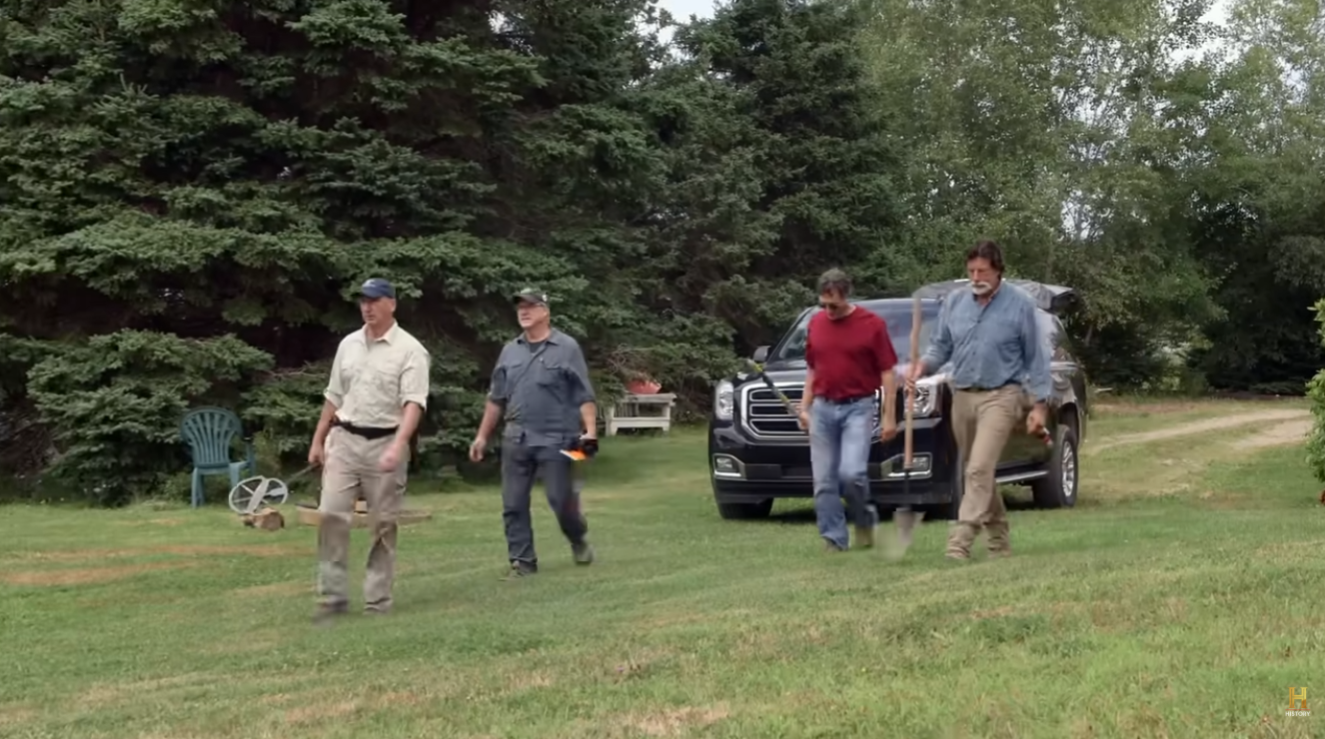
Further discoveries came on Lot 12, where Gary Drayton, Charles Barkhouse and Jack Begley unearthed what appeared to be decorative hinges. Drayton suggested the pieces resembled hinges he had previously seen on old chests recovered from Spanish shipwreck sites. A second similar hinge was then found nearby, raising fresh questions about whether the area may once have held boxes or chests of importance.
The team also recovered pottery fragments from the same zone, reinforcing the idea that the site may have been used as an old dump. Marty Lagina noted that such a location could still prove highly significant, especially if discarded materials from centuries ago were tied to activity around the original Money Pit or to valuables once stored on the island. The possibility that the hinges could relate to long-rumoured missing chests only added to the intrigue.
Attention also turned to Lot 25, on land once owned by Samuel Ball, the former enslaved man who later became one of the wealthiest landowners on Oak Island. Ball’s rise from cabbage farmer to a man of unusual prosperity has long fuelled speculation that he may have discovered at least part of the island’s legendary treasure. With supervised access now permitted in the area, Rick Lagina and Gary Drayton searched around a foundation linked to Ball’s former property.
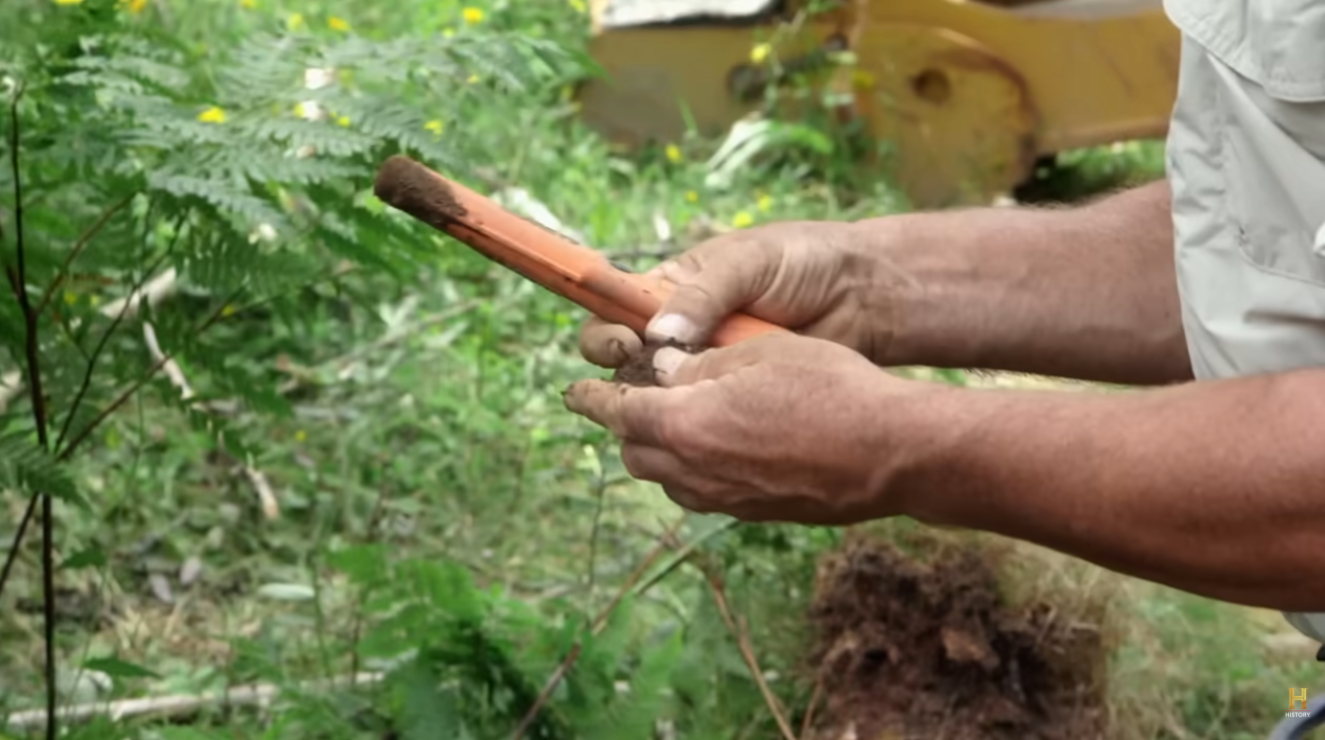
Among the items recovered were a small lead object, possibly linked to musket-ball moulding or use, and a curved fragment that Drayton said resembled part of a pocket watch. Rick described Ball as an enigma, suggesting each artifact found on the lot may help pull back the veil on the life he built there and perhaps reveal what he knew about Oak Island. While none of the objects provide a direct answer, they strengthen the belief that Ball’s story remains central to the island’s unresolved past.
Elsewhere, in the uplands near the north-eastern edge of the swamp, archaeologists Miriam Amirault and Dr Aaron Taylor continued tracing the route of the mysterious stone pathway first identified in earlier excavations. A hand-painted ceramic fragment, decorated in blue, pink and green, was uncovered near the area and offered further evidence that the ground had been exposed and used during a past period of activity.
After expanding the excavation with help from Billy Gerhardt, the team identified more cobblestones, strengthening Taylor’s belief that the pathway did not simply end in the swamp but turned uphill into the uplands. If confirmed, that shift in direction could prove important, especially as the path appears to move toward areas long associated with treasure theories and the Money Pit. Rick said the hope is that by following the path, the team may eventually understand where it leads and what purpose it once served.
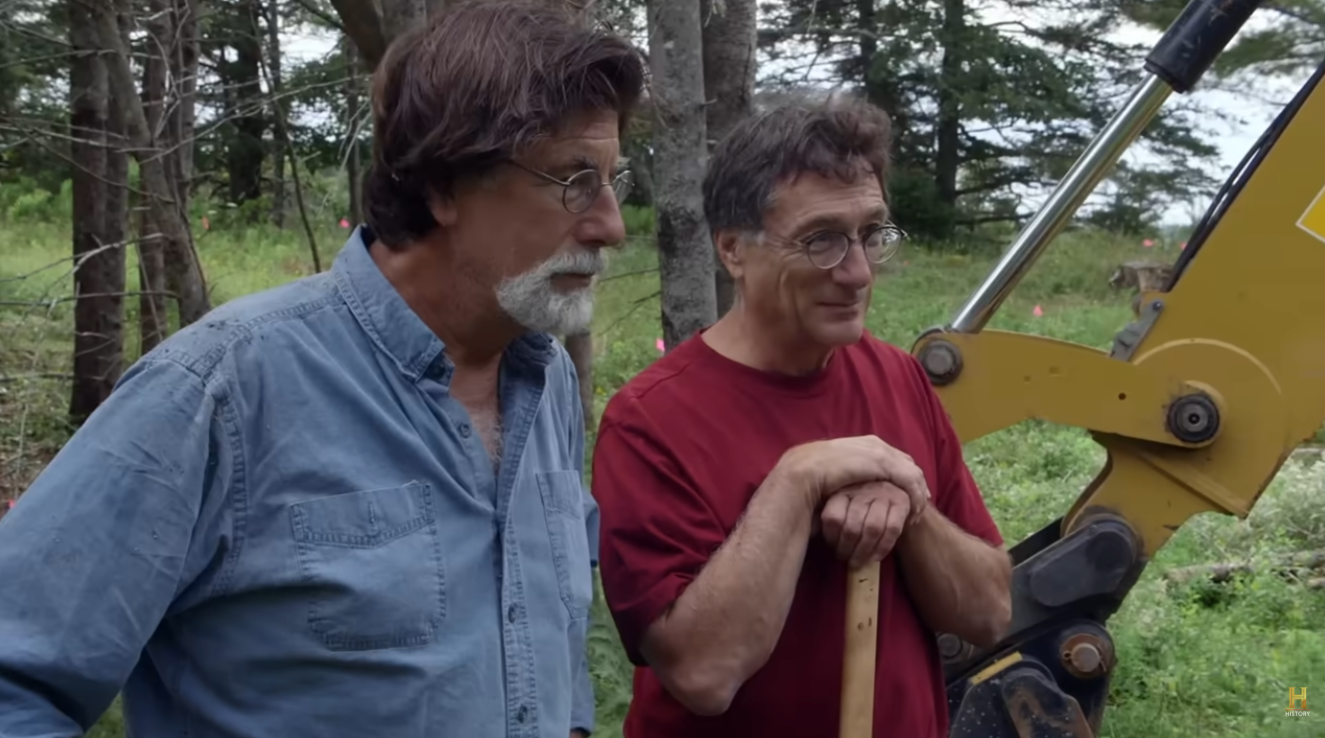
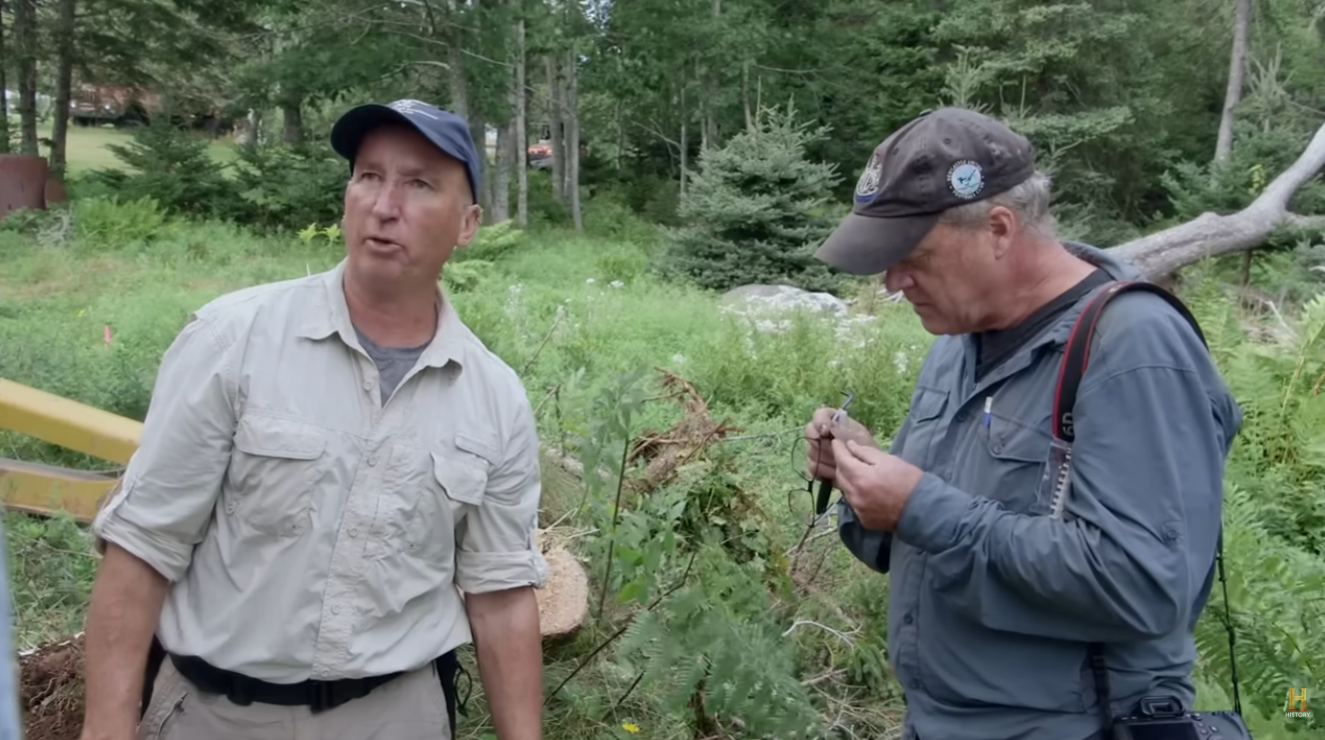
One of the most compelling finds of the investigation came on Lot 5, where Rick Lagina and Gary Drayton searched spoil material taken from a circular depression. The site has already produced artifacts believed to date from the 17th to mid-18th centuries, and the latest discoveries may add to the argument that the area had military or organised operational significance.
The first object recovered was a lead shot, which Gary suggested could date back to the 1700s. But a second metal item drew even more attention. After consulting with archaeologist Helen Sheldon, the team began to suspect it may be connected to an old firearm. The artifact was later taken for analysis, where archaeologist Laird Niven and archaeometallurgist Emma Culligan identified it as a ramrod guide from a musket.
That finding alone suggested considerable age, but the analysis revealed another striking detail. CT scanning showed markings that appeared to resemble Roman numerals carved into the piece. For Rick Lagina, that immediately brought to mind the Roman numerals previously found on the U-shaped wooden structure uncovered decades earlier at Smith’s Cove. He said the reappearance of similar markings on a separate artifact was highly significant and suggested a possible connection between the two sites.

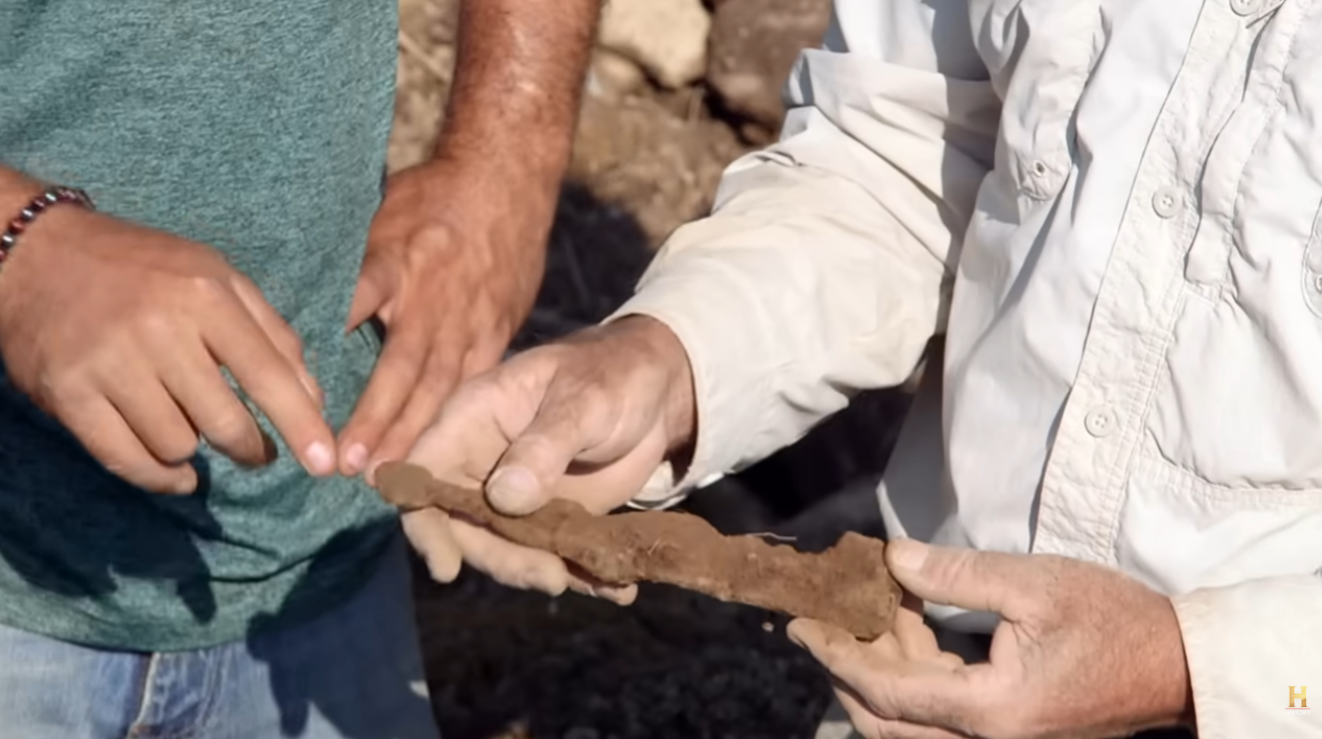
The team stopped short of drawing firm conclusions, but the implications are considerable. If the musket component can be tied to a particular military origin, it may help narrow down who was active on Oak Island centuries ago. It also adds weight to theories that organised operations, possibly involving European expeditions, took place on the island long before modern treasure hunters arrived.
Taken together, the discoveries across Lots 24, 12, 25 and 5 reflect a familiar pattern on Oak Island. No single object solves the mystery. But each one adds a new piece to a puzzle that continues to grow more complex with every season. From a tiny spoon bowl and decorative chest hinges to pottery, lead shot and a musket ramrod guide marked with what may be Roman numerals, the latest finds suggest that the island still holds many more stories beneath its surface.
For the Laginas and their team, the search remains as much about understanding the history of Oak Island as it is about finding treasure. And with every new artifact, the belief grows that somewhere in the scattered clues is a larger explanation still waiting to be uncovered.