Oak Island Team Uncovers Possible Roman Coin and Ancient Wharf Clues in New Breakthrough

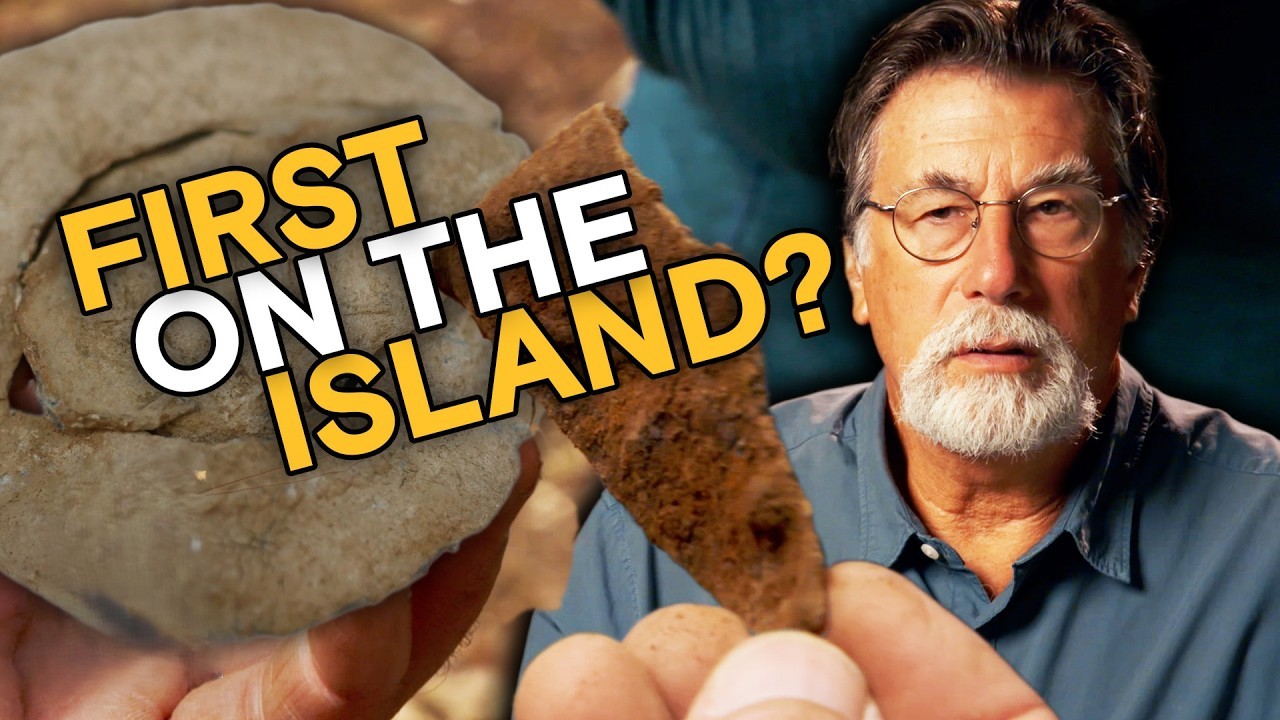
The Curse of Oak Island team may have opened one of its most intriguing chapters yet after new finds on Lot 32 and Lot 5 raised fresh questions about who may have visited the island long before the Money Pit was discovered.
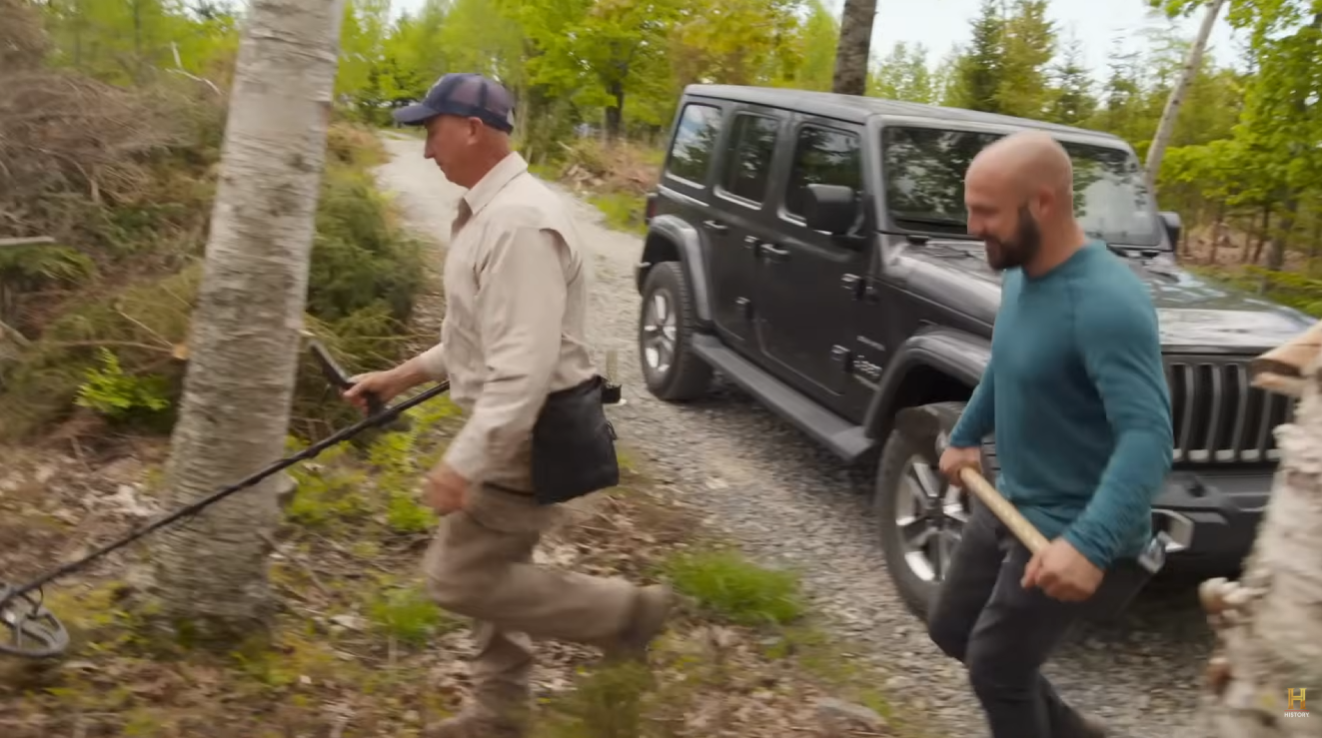
In a recent investigation, metal-detecting expert Gary Drayton and researcher Jack Begley returned to Lot 32, west of the swamp, to continue searching an area believed to be connected to the remains of a possible ancient wharf. The location had already drawn attention because of earlier discoveries nearby, including artifacts that may suggest historic maritime activity.
What followed was a sequence of finds that immediately caught the team’s attention.
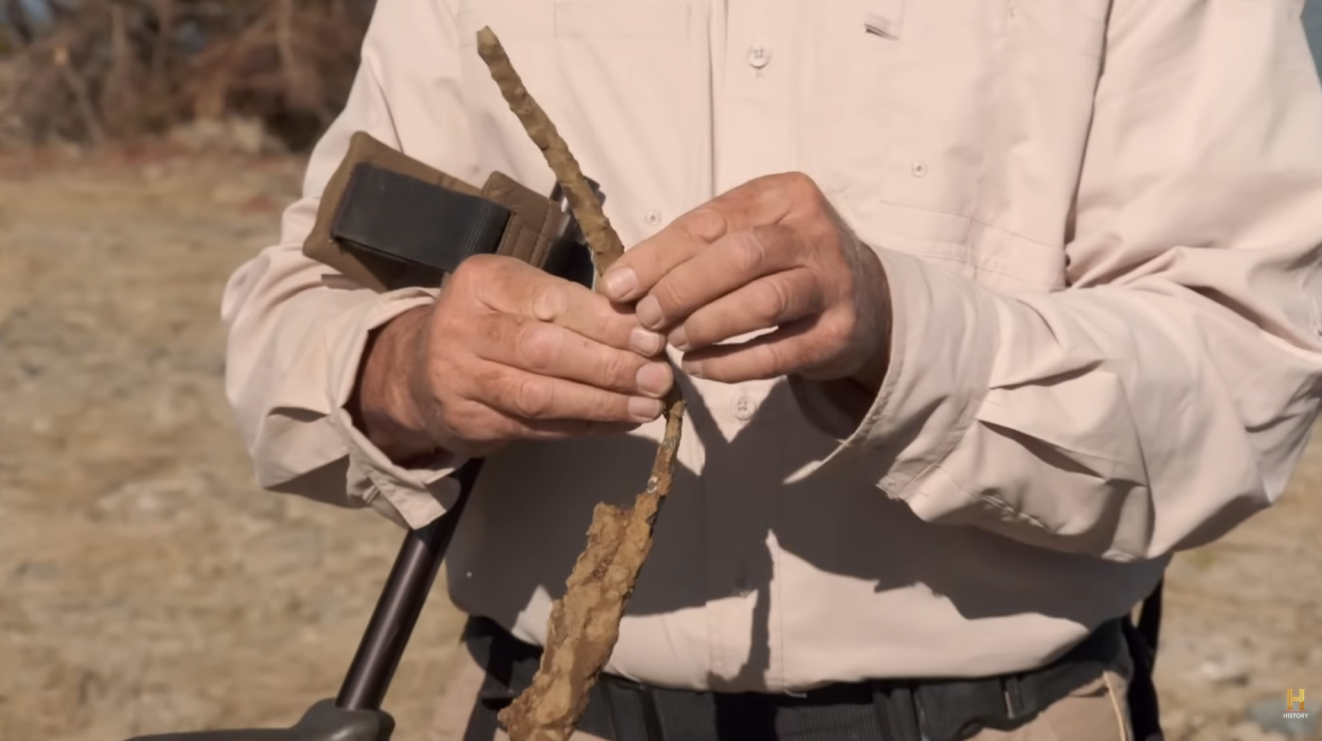
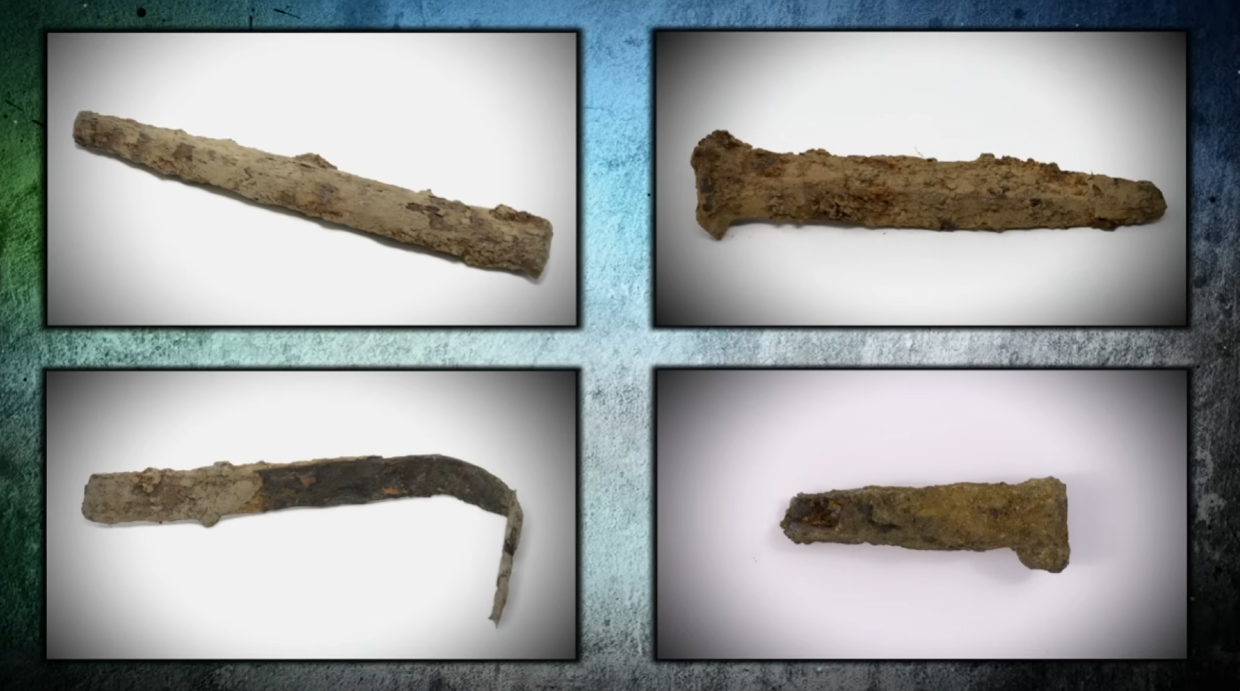
Drayton first uncovered a curved iron object that he believed could be part of a barrel hoop. At first glance, the object appeared simple. But its location made it potentially significant. The team has long suspected that Lot 32 may have played a role in unloading, storing, or moving cargo on Oak Island. If the iron fragment did come from a barrel, it could support the theory that goods were once brought ashore in that area.
For Drayton, the find was not just another piece of rusted metal. Barrels were essential to maritime life for centuries. They carried food, tools, nails, coins, alcohol, military supplies, and other cargo. On an island filled with theories about hidden treasure, an old barrel fragment near a possible wharf is enough to demand closer examination.
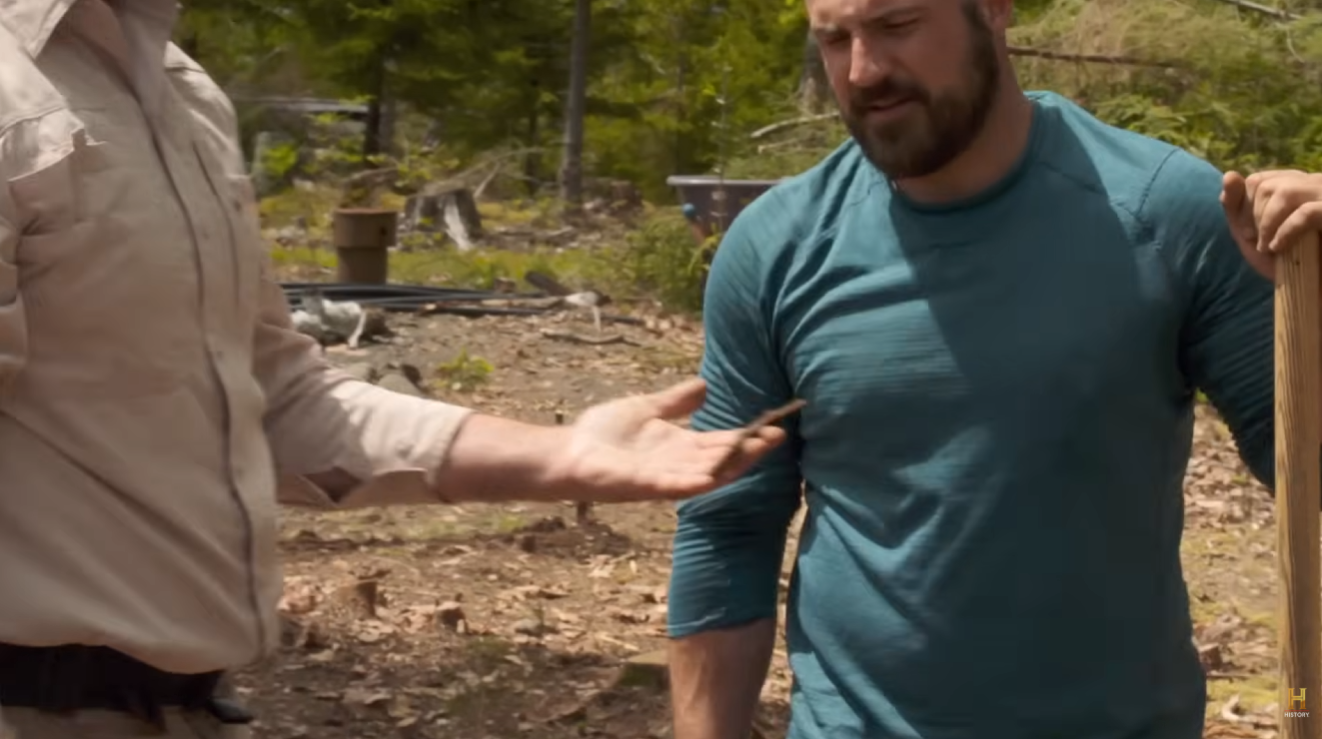
The search soon produced another find: a square-shanked iron object that Drayton suggested could be a tool, possibly some kind of small scythe or chopping implement. He noted that square-shanked fasteners and tools are often associated with pre-1800 workmanship. That detail immediately raised the possibility that the object could predate the discovery of the Money Pit in 1795.
The importance of the find lies not only in its age, but in its purpose. Tools of that kind were commonly used for agricultural work, but they also had practical use aboard ships. A crew landing on Oak Island would have needed implements for clearing, cutting, building, or unloading supplies. For the team, the tool added another piece to a growing picture of Lot 32 as a possible work area connected to maritime activity.
Later, Rick Lagina, Craig Tester, and Jack Begley brought several iron objects to blacksmithing expert Carmen Legge at the research center. Legge’s analysis provided another layer of interest. One of the curved iron pieces appeared to be associated with a very large barrel, possibly the kind used to transport significant cargo.
The suggestion that such a large barrel could date as far back as the 1740s immediately caught Rick Lagina’s attention. That period sits close to the era of the Duc d’Anville expedition, a French military mission from 1746 that has long been discussed within Oak Island theories. The team has previously found a lead cargo bag seal believed to be of French origin, making the possible barrel connection even more compelling.
Rick was careful not to claim proof. Instead, he acknowledged that the timeline was intriguing but said more evidence would be needed before drawing firm conclusions. That cautious approach has become a defining part of the modern Oak Island investigation. Each object is exciting, but every discovery must survive scientific analysis, expert review, and historical comparison.
The episode then shifted to Lot 5, where another find may prove even more extraordinary.
Alex Lagina, Jack Begley, and archaeometallurgist Emma Culligan welcomed numismatist Sandy Campbell to examine a cut copper coin discovered earlier by Rick Lagina and Gary Drayton. The coin had already undergone XRF and CT scanning, and the elemental results revealed a mixture containing copper, lead, tin, a small amount of arsenic, and silver.
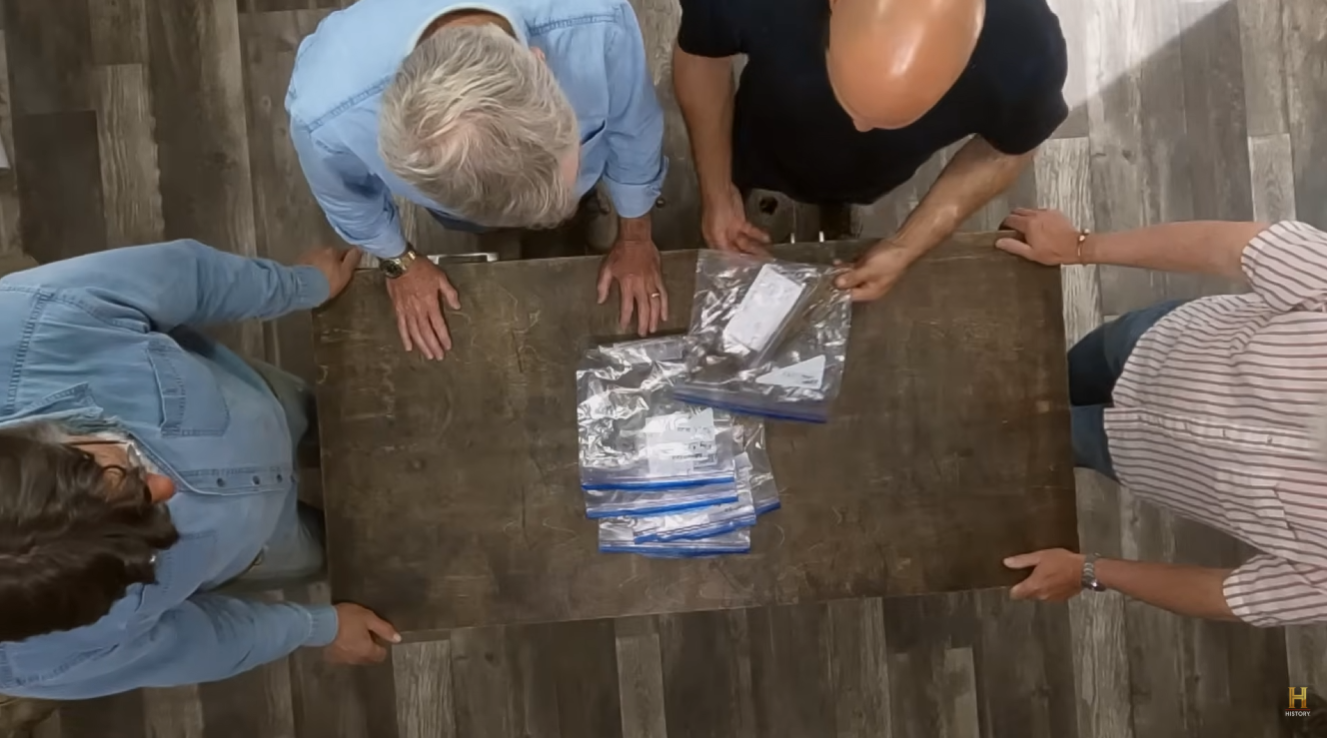
Campbell immediately found those details important. He explained that arsenic in the metal composition could suggest a very old and unrefined copper source. After examining the coin’s style, weight, and remaining markings, Campbell suggested it could be Roman, possibly dating anywhere from 300 BC to 500 or 600 AD.
The room’s reaction showed just how significant the possibility felt. A Roman-era coin on Oak Island would open an entirely new set of questions. Who brought it there? Was it carried as a curiosity, a trade item, or a relic? Did it arrive directly from Europe, or did it pass through several hands before ending up in Nova Scotia?
The team also considered whether the coin could connect to broader theories involving Portuguese activity or the Knights Templar. In previous investigations, the Oak Island team visited Portugal, where they studied Templar sites and ancient roads. They compared one Roman-era road in Portugal with the stone road discovered in the Oak Island swamp in 2020, which some believe may have Portuguese connections.
That does not mean the coin proves a Templar link. The team acknowledged that the evidence remains open to interpretation. Archaeologist Laird Niven noted that while Roman coins have been found at some archaeological sites along the East Coast of the United States, there is no clear precedent in Nova Scotia.
Still, the find places Lot 5 in a more important position than ever before. For years, much of the investigation has centered on the Money Pit, the swamp, Smith’s Cove, and the Garden Shaft. Now, Lot 5 may become a major focus for future searching.
What makes this latest chapter powerful is the way the discoveries seem to widen the mystery rather than close it. On Lot 32, the possible barrel fragments and old tool point toward historical work connected to a wharf or landing area. On Lot 5, the possible Roman coin suggests an object far older than the commonly accepted timeline of Oak Island activity.
Together, the finds do not deliver a final answer. But they do strengthen the idea that Oak Island’s story may involve more than one era, more than one group, and more than one purpose.
For Rick Lagina and the team, the next step is clear: more testing, more expert analysis, and more time on the ground. The possible Roman coin will need additional study before its identity can be confirmed. The Lot 32 artifacts must also be compared with known historical examples to better understand their age and use.
But even with caution, the latest discoveries have changed the tone of the search. Oak Island is no longer just asking where the treasure might be. It is asking how far back the island’s hidden history may truly go.