Oak Island’s real cost comes into sharper focus as season 13 deepens the island’s long-running obsession

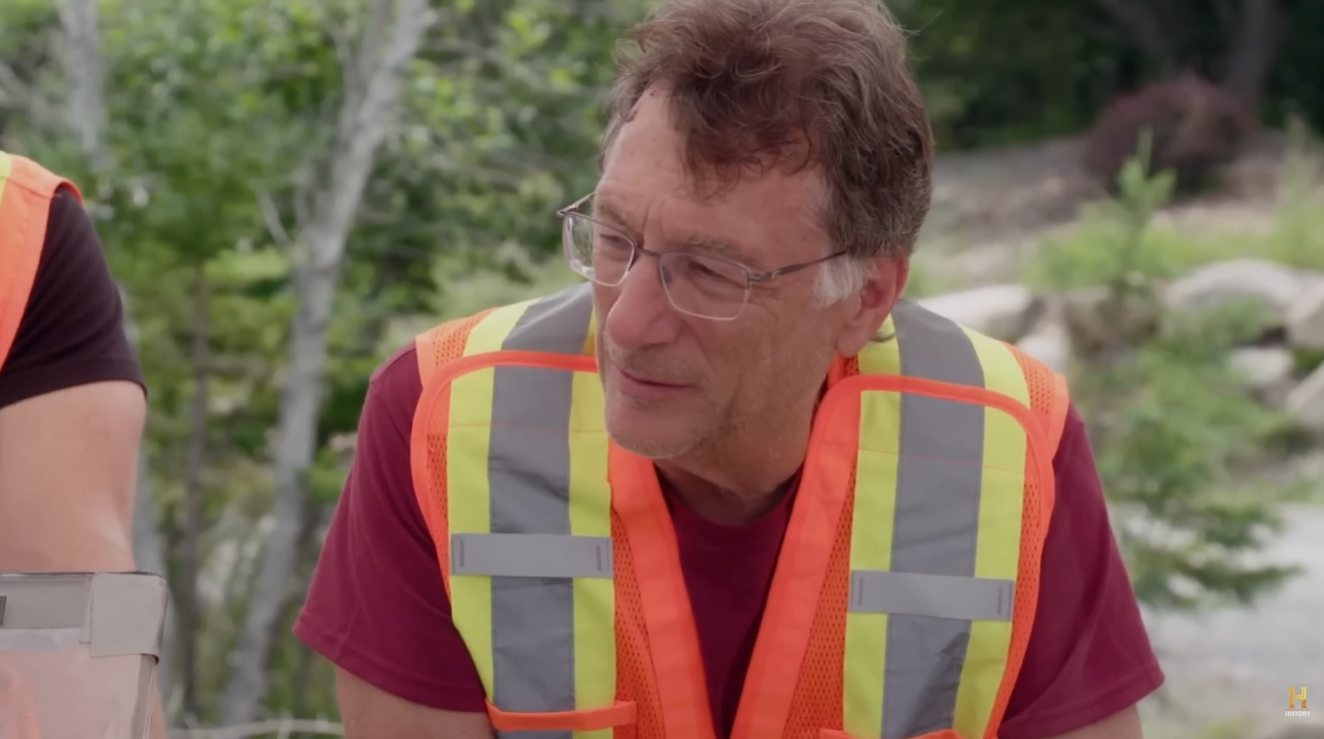
For more than two centuries, Oak Island has drawn in treasure hunters, investors and historians with the same irresistible promise: that something extraordinary may still lie hidden beneath its soil. But as The Curse of Oak Island moves deeper into season 13, the mystery is no longer defined only by what might be buried there. It is increasingly defined by what the search itself has already consumed.
The latest account surrounding the island presents Oak Island not simply as a site of fascination, but as one of the most expensive and relentless treasure hunts in modern popular history. According to the narrative now taking shape, the cost of the search over the past decade alone has climbed beyond an estimated $72 million, with season 13 itself potentially adding another $10 million to $15 million as attention intensifies around Lot 5 and the wider Money Pit investigation.
Those figures, if taken at face value, underline how dramatically the Oak Island project has evolved. What began in 1795 with three teenagers and a suspicious depression in the ground has become a vast and technically sophisticated operation involving heavy machinery, drilling teams, archaeologists, safety staff, engineers and security personnel. The modern search is no longer a matter of shovels and hopeful digging. It is a full-scale industrial excavation supported by advanced scanning methods, large drilling rigs and constant site management.
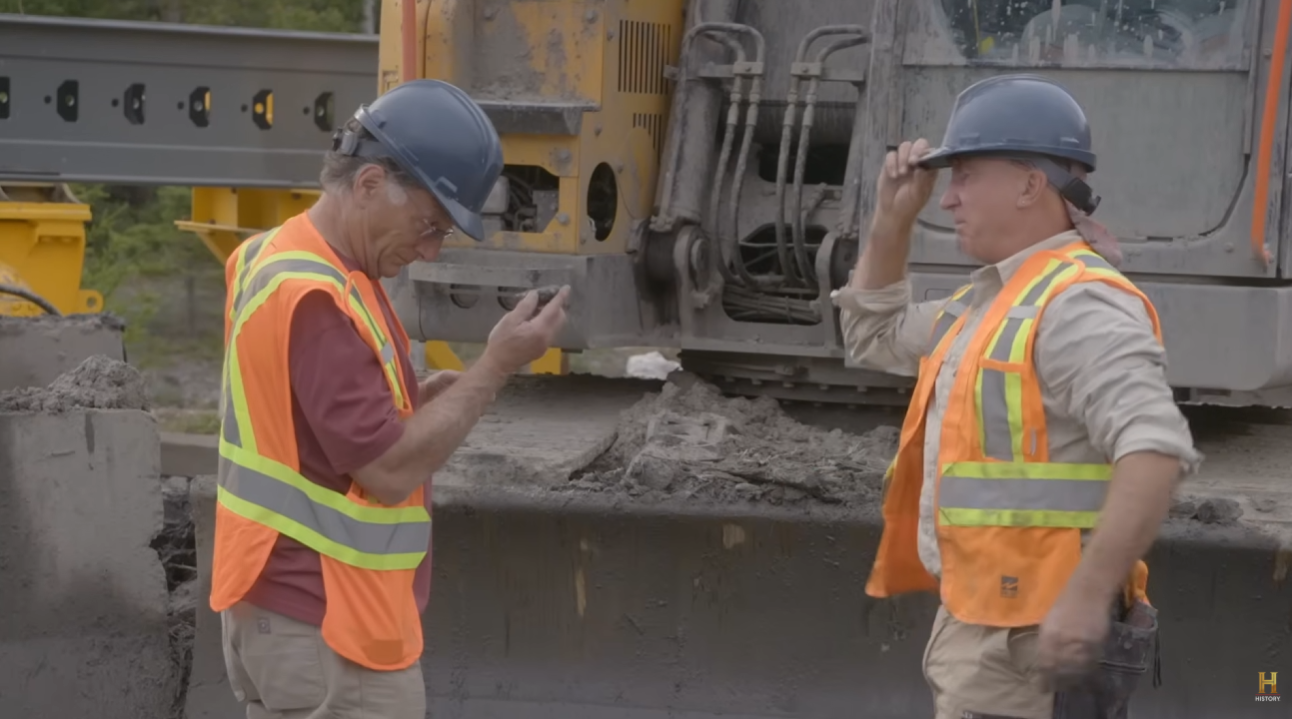
Season 13 appears to push that effort even further. The search has reportedly intensified around Lot 5, with new expectations that this area may finally produce the kind of breakthrough the team has been chasing for years. But every new stage of digging brings an equally familiar problem: rising costs. Permits, machinery rentals, geological analysis, pumping operations and specialist labour all add to the financial burden, while the island’s notorious flooding systems continue to frustrate and slow progress.
That tension between expenditure and reward has always sat at the heart of Oak Island. The finds made so far have certainly been intriguing. Artifacts such as coins, lead crosses, stones and other historical objects have helped sustain interest in the island and have encouraged viewers to believe there is more still waiting below. Yet in pure financial terms, the reported value of those discoveries remains tiny compared with the money spent trying to uncover them. As the latest argument makes clear, the gap between cost and return is enormous.
Still, Oak Island has never been purely about financial logic. Its deeper power lies in the way it keeps renewing belief. Every shaft, every fragment, every carved stone or unusual object offers the suggestion that the island is not empty, only unfinished. That pattern has kept the mystery alive through generation after generation of disappointment.

Long before the Lagina brothers brought global television attention to the site, Oak Island had already swallowed enormous amounts of money. Investor groups formed and collapsed. Private searchers spent fortunes on pumps, excavations and land purchases. The Oak Island Treasure Company, the Truro Company, the Oak Island Association and others all pursued the same elusive prize, only to be defeated by the island’s unstable ground, flooding and endless uncertainty.
Among the names most closely tied to that history are men such as Gilbert Hedden, who invested heavily in the early 20th century, and Robert Restall, who moved his family to the island in the 1960s and committed huge personal resources to the hunt. Their stories capture something essential about Oak Island: the mystery does not merely attract interest. It demands commitment, and often far more of it than reason would normally allow.
But the island’s heaviest cost cannot be measured in dollars alone. The most haunting section of the modern Oak Island story remains the human toll. The island’s long-associated warning that seven must die before the treasure is found continues to shadow the search, not as romantic legend, but as a reminder of the real dangers that have shaped its history. Confirmed deaths linked to the island include the 1965 tragedy in which Robert Restall, his son Bobby Restall, Carl Graeser and Cyril Hiltz died after being overcome by toxic gas in a shaft. An earlier death, Maynard Kaiser in 1897, is also part of that grim record.
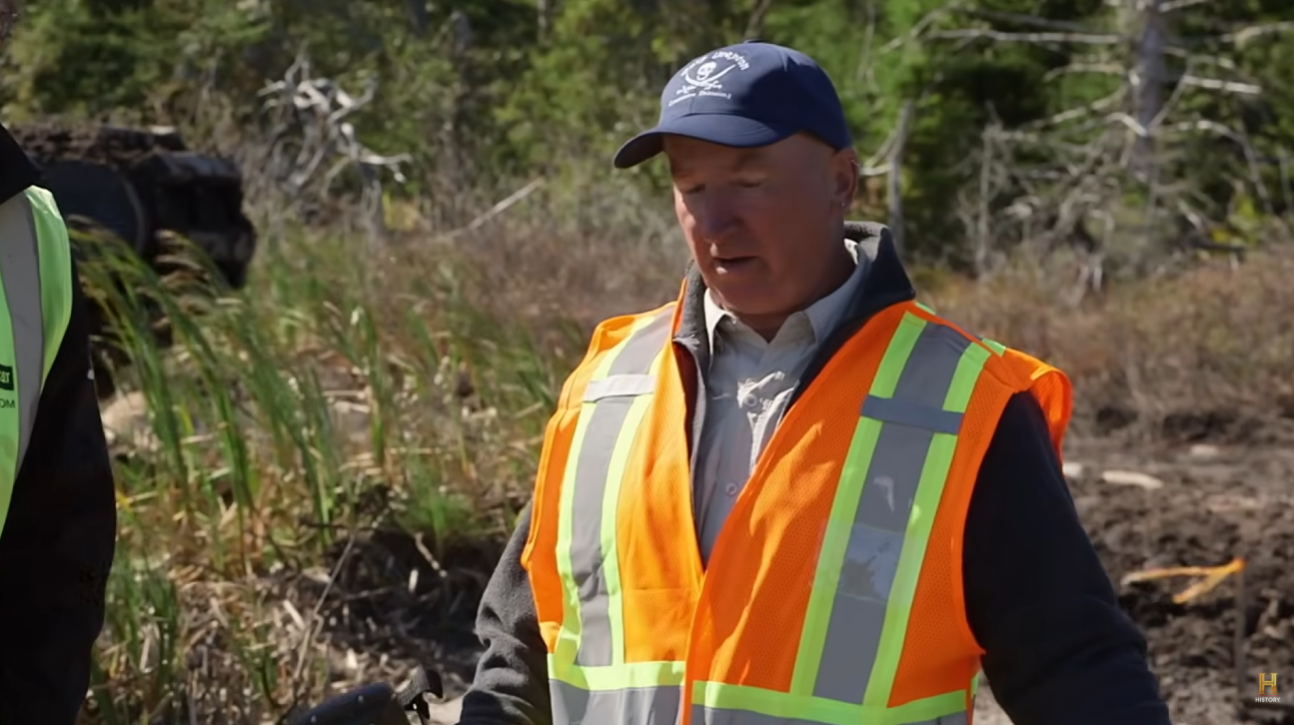
Those events changed the tone of the mystery forever. Oak Island was no longer just a place of hidden riches and curious engineering. It became a place associated with grief, risk and irreversible loss. That reality still informs the modern search, which now relies on far tighter safety procedures, including reinforced equipment, gas monitoring and continuous supervision. Even with those protections in place, the danger remains part of the island’s identity.
This is one reason season 13 feels so significant. The pressure is no longer simply about whether treasure might be found. It is about whether the island can still justify the scale of belief being invested in it. If hundreds of years of digging, millions upon millions of dollars and multiple lives have not yet produced a decisive answer, what exactly is the search still chasing?
The answer may be changing. In strict treasure-hunt terms, Oak Island remains difficult to defend. Even if a significant cache were found, issues of ownership, costs, taxes and division of proceeds would quickly reduce its apparent value. And many historians continue to question whether a vast treasure ever existed in the way the legend imagines. Yet the island has undeniably become valuable in another form. It now supports a global media phenomenon, fuels tourism, creates jobs and sustains a worldwide audience fascinated by every new clue.
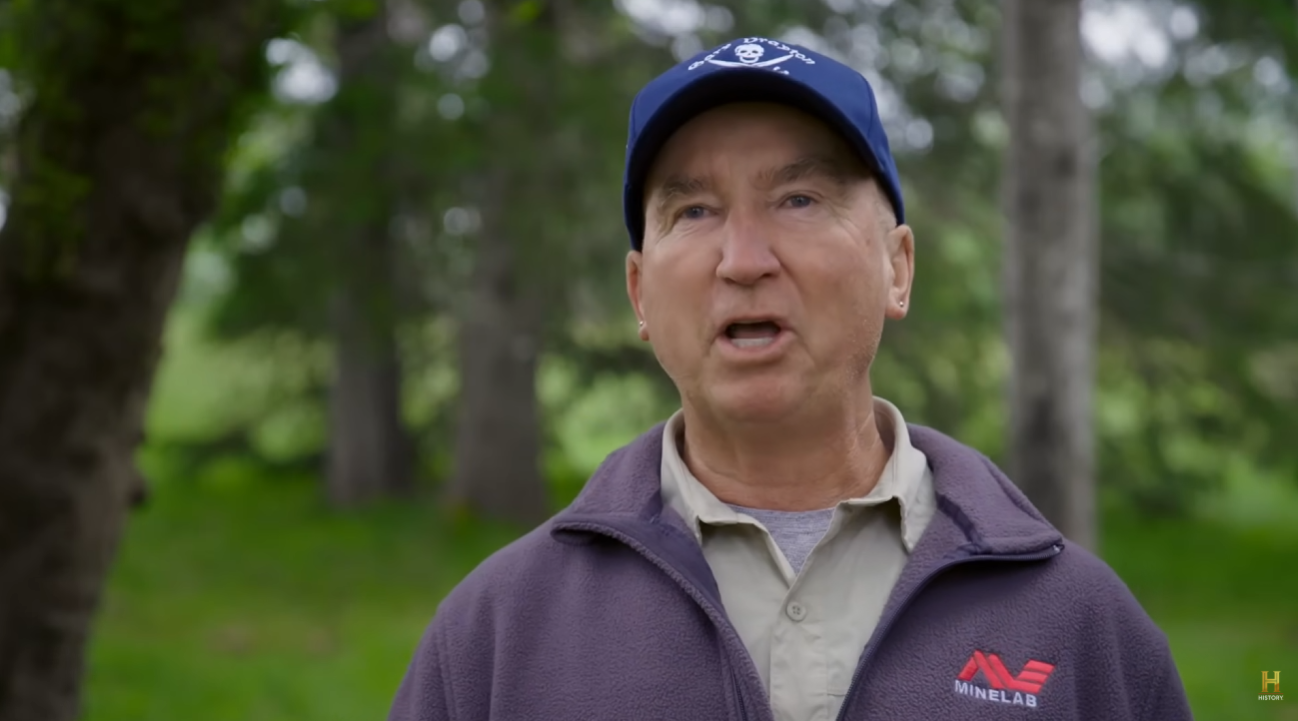
That creates an unusual paradox. Oak Island may still be unresolved as an archaeological mystery, but it has already succeeded as a story. The Lagina brothers and the broader production around The Curse of Oak Island have transformed a centuries-old local legend into an international franchise built on endurance, speculation and hope. In that sense, the island is producing something, even if it has not yet produced the answer viewers and searchers still want most.
For Rick Lagina in particular, the pursuit has never seemed to rest solely on money. The drive appears more personal than commercial, rooted in the desire to know who was there, what happened and why so much effort once went into shaping parts of the island. That search for truth may be more powerful than the search for gold, but it is also what makes Oak Island so difficult to leave behind. Once enough time, belief and money have been invested, walking away becomes its own kind of defeat.
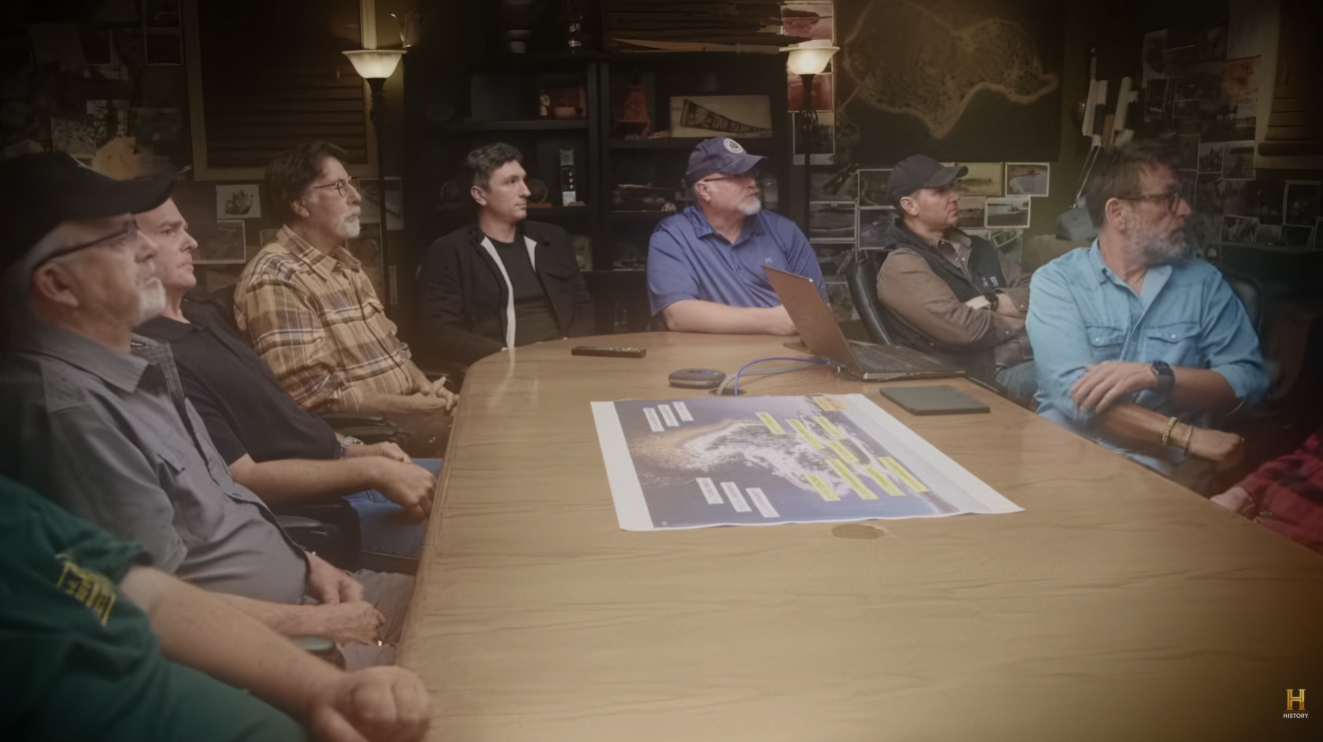
That is what gives season 13 its deeper meaning. It is not simply another chapter in a reality television franchise. It is the latest round in one of history’s most stubborn unresolved pursuits. The question is no longer only what lies beneath Oak Island. It is also why people continue to dig when logic, history and cost have already warned them how much the island can take.
And perhaps that is the real reason the mystery endures. Oak Island offers more than the possibility of treasure. It offers a test of belief itself. Whether the island ultimately yields a vault, a historical archive or nothing of great monetary value at all, the search has already revealed something powerful about human nature. People will keep chasing an answer when the question matters enough. On Oak Island, that question still refuses to go away.