
As The Curse of Oak Island continues its thrilling journey into season 13, episode 18, titled “Breaking the Seal,” fans are witnessing what may be the most groundbreaking discovery in the island’s history. After 231 years of searching and countless theories, the island’s many mysteries seem to be finally coming together as a massive subterranean feature is uncovered on Lot 8.
The episode centers around the dramatic removal of a 40,000-pound boulder, which has been blocking access to what could be a key feature on Oak Island. The team’s efforts to lift the massive rock, using a 130-ton crane, have paid off as the first hints of what lies beneath are exposed. The official description from History Channel teases that this feature may be hiding a shaft or tunnel — a clue that could change everything.
For years, searchers have treated Oak Island’s discoveries as isolated anomalies — the Money Pit over here, the swamp over there, and strange stone formations scattered throughout. But the unsealing of the massive boulder on Lot 8 promises to shatter this perception, as the island’s true “master blueprint” may finally be revealing itself.
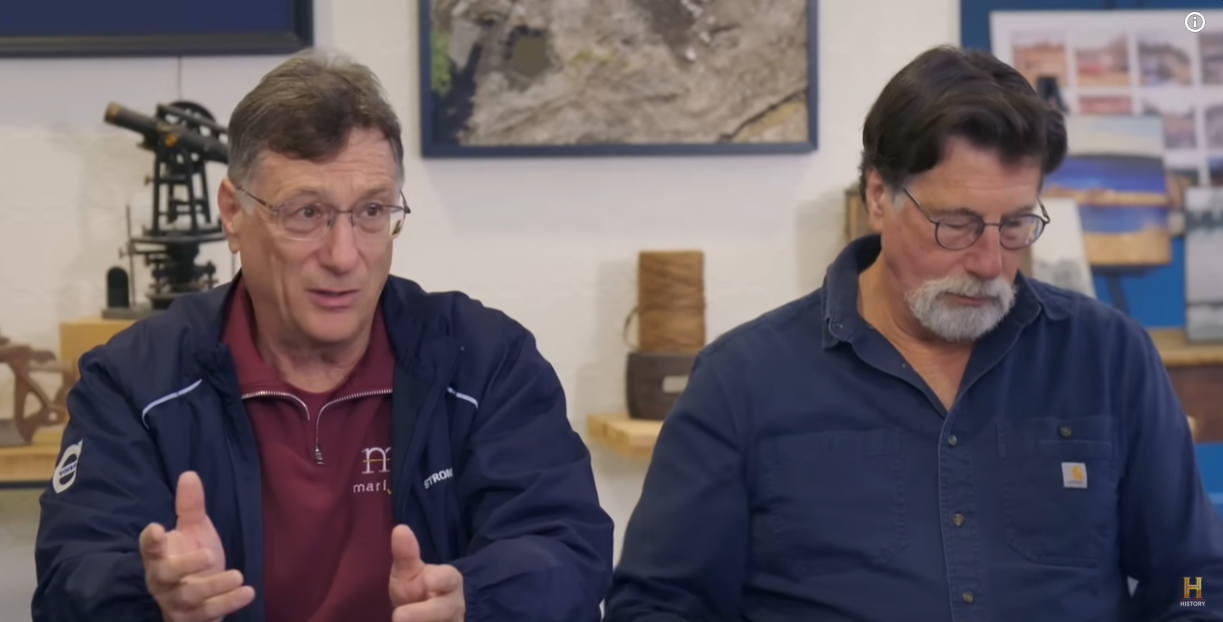
A Strategic Seal Over a Hidden Entrance
The team’s investigation has led them to believe that the boulder was no mere geological feature; it was intentionally placed over a highly secretive subterranean entrance. As archaeologist Fiona Steele explains, the stone features beneath the boulder seem to align perfectly with other features discovered on the island, including those in the Money Pit area. “It’s absolutely intentional,” Steele states, adding that this discovery could validate long-standing theories about the island’s history and its connection to the original depositors.
The implications of this discovery are far-reaching. If this stone formation is indeed hiding a shaft or tunnel, it may be the key to understanding Oak Island’s true purpose. The theory of a hidden vault, perhaps an “offset chamber,” which could house the treasure, is now one step closer to becoming a reality. In fact, many believe that the treasure is not hidden in the well-known Money Pit but in a separate, carefully concealed location, such as the one now uncovered beneath the boulder.

The Money Pit Connection and European Influence
The team’s excitement grows as the find appears to connect directly to the Money Pit’s enigmatic features. Earlier research, including Dr. Ian Spooner’s soil tests, has suggested that the area around Lot 8 could contain toxic lead levels, possibly pointing to an ancient ventilation shaft or even a connection to the Money Pit’s flood tunnels. These new findings reinforce the theory that the Money Pit was designed as a decoy, with the actual treasure hidden in a separate, dry chamber accessible only through a covert route like the one now found beneath the 40,000-pound boulder.
Meanwhile, back at the Money Pit, the relentless drilling continues. The team has hit another critical point, with the telescoping drill rig plowing deeper into what may be the solution channel. Recent findings suggest that they are not digging into empty spaces but are instead reaching the actual vault that contains the treasure. In a thrilling twist, the excavation team pulls a piece of artifact from the muck that appears to belong to a wooden vault or structure used to safeguard the treasure.
Could this vault have been constructed using European craftsmanship? Speculation is mounting that the item could be linked to the original depositors — perhaps even the Knights Templar. Heavy iron spikes, thick iron strapping, and other potential structural materials suggest that this treasure vault may date back to the 12th to 15th centuries, aligning with theories that the Templars used Oak Island to hide their wealth and sacred relics.
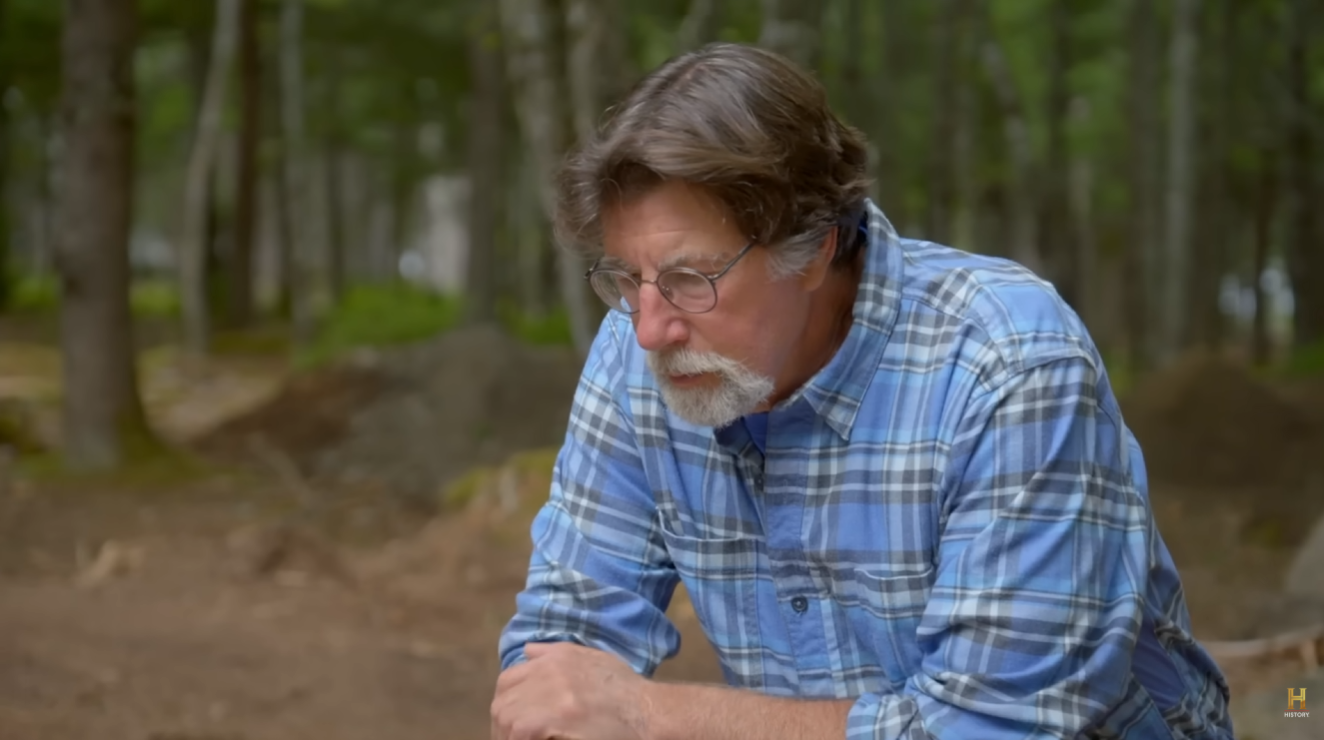
A Revolutionary European Map Discovery
As if the archaeological discoveries weren’t enough, the episode also introduces a shocking geographical revelation. The famed Xena map, which has long been tied to the theory that the Templars hid their treasures on Oak Island, has taken on new significance. Researcher analysis reveals that several churches on the west coast of France seem to align with Oak Island, suggesting a connection between ancient European architecture and the island’s mysterious layout.
The theory suggests that the Templars, known for their architectural and navigational prowess, may have encoded a transatlantic map into the structures of French churches. These churches, particularly those in the port city of La Rochelle — a key Templar stronghold — seem to point directly to Oak Island, adding a layer of sacred geometry and navigation that could explain the precision of the island’s construction.
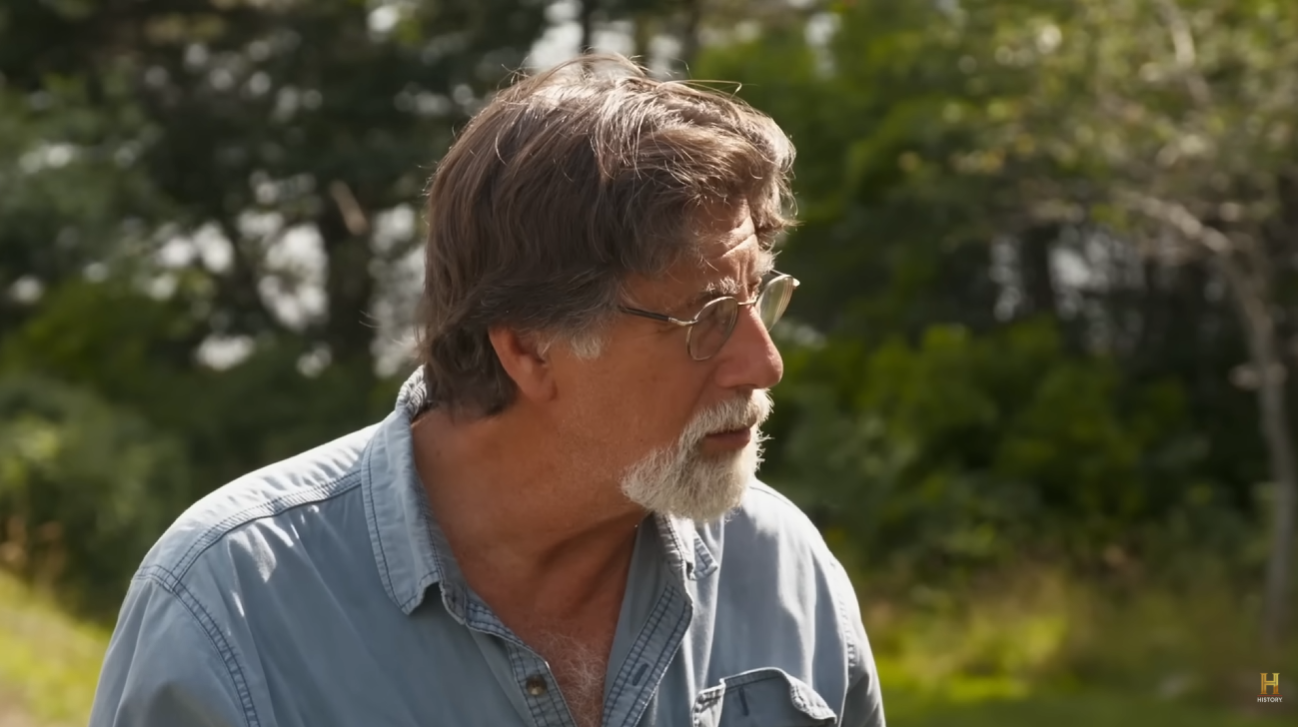
A Turning Point for the Fellowship
The team’s progress represents a significant shift in the direction of the investigation. No longer are they merely chasing clues and anomalies; they are actively dismantling the physical containers and features that have guarded Oak Island’s secrets for centuries. As Rick Lagina puts it, “We’re no longer debating if something of immense value is on Oak Island. We’re watching the physical unearthing of the vault itself.”
As Breaking the Seal airs, it marks a pivotal moment in Oak Island’s treasure hunt. The convergence of historical maps, physical artifacts, and groundbreaking excavations is bringing the island’s secrets into sharper focus. With the unsealing of the shaft beneath Lot 8, the discovery of original vault materials in the Money Pit, and the compelling European connections emerging from the Xena map, the Fellowship of the Dig is closer than ever to uncovering the treasure that has eluded the world for over two centuries.
As the team continues to dig, one thing is clear: the truth of Oak Island is finally coming to the surface. The seal has been broken, and the vault is within reach.
