Something’s Fishy: Inside the Growing Rift Between Lagina Team and Archaeology Crew

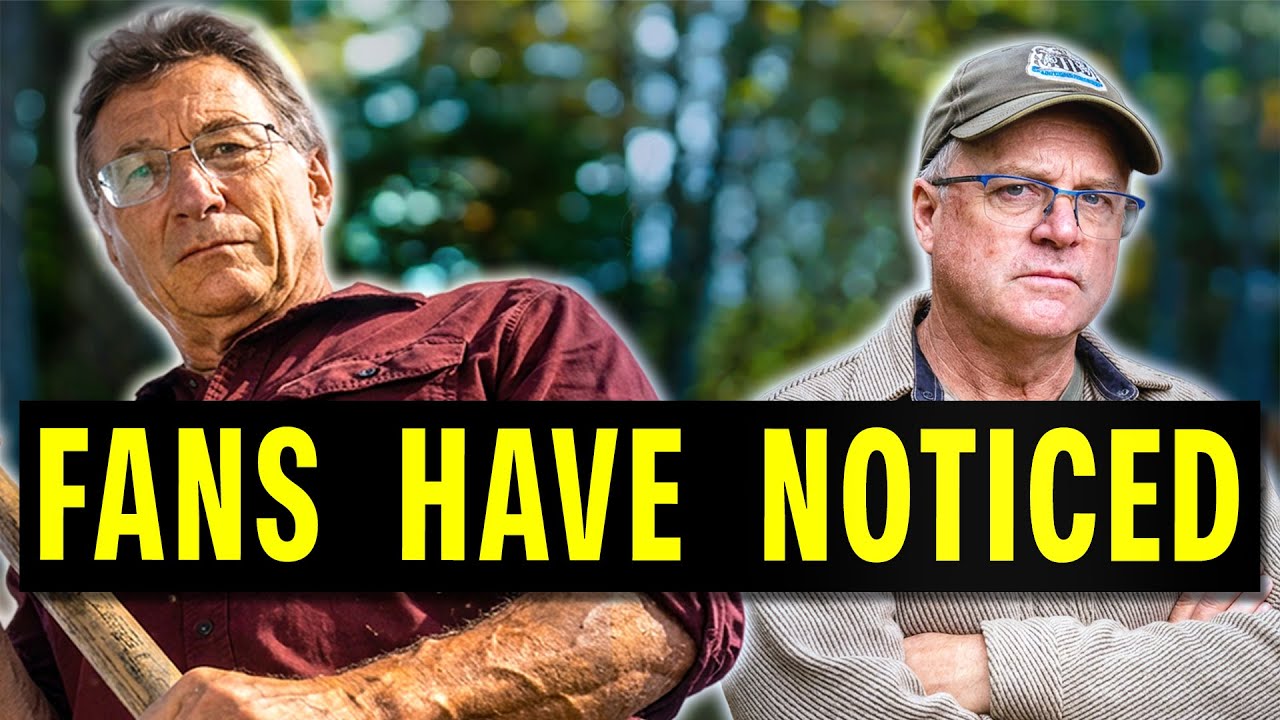
A growing shift in excavation strategy on The Curse of Oak Island has sparked debate among viewers and experts alike, as scientific analysis increasingly appears to be overtaking traditional archaeological methods in guiding the search for the island’s long-rumoured treasure.
According to operational developments from Season 13, the Lagina brothers’ team has begun prioritising geochemical and engineering-driven decisions over slower, field-based archaeological interpretation, marking a notable evolution in how the dig is being conducted.
Scientists Gain Ground in Dig Strategy
One of the most significant developments this season has been the introduction of a newly designated shaft, MS1, named not after archaeologists but after the project’s scientific consultants. The naming itself—honouring Dr. Fred Michel and Dr. Ian Spooner—signals a clear shift in influence toward the team’s geochemistry programme.
Their soil and water analysis identified a high-concentration zone of silver and gold within the swamp region, leading directly to the placement of the new excavation point. The decision, made in the war room, was executed without the traditional archaeological pacing that has defined earlier seasons, underscoring the growing authority of scientific data in shaping drilling strategy.
Archaeologists Face a Diminished Role
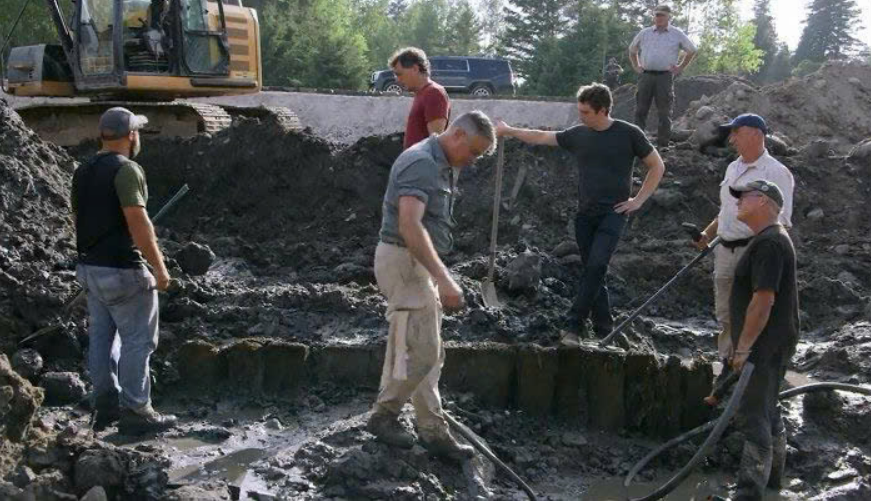
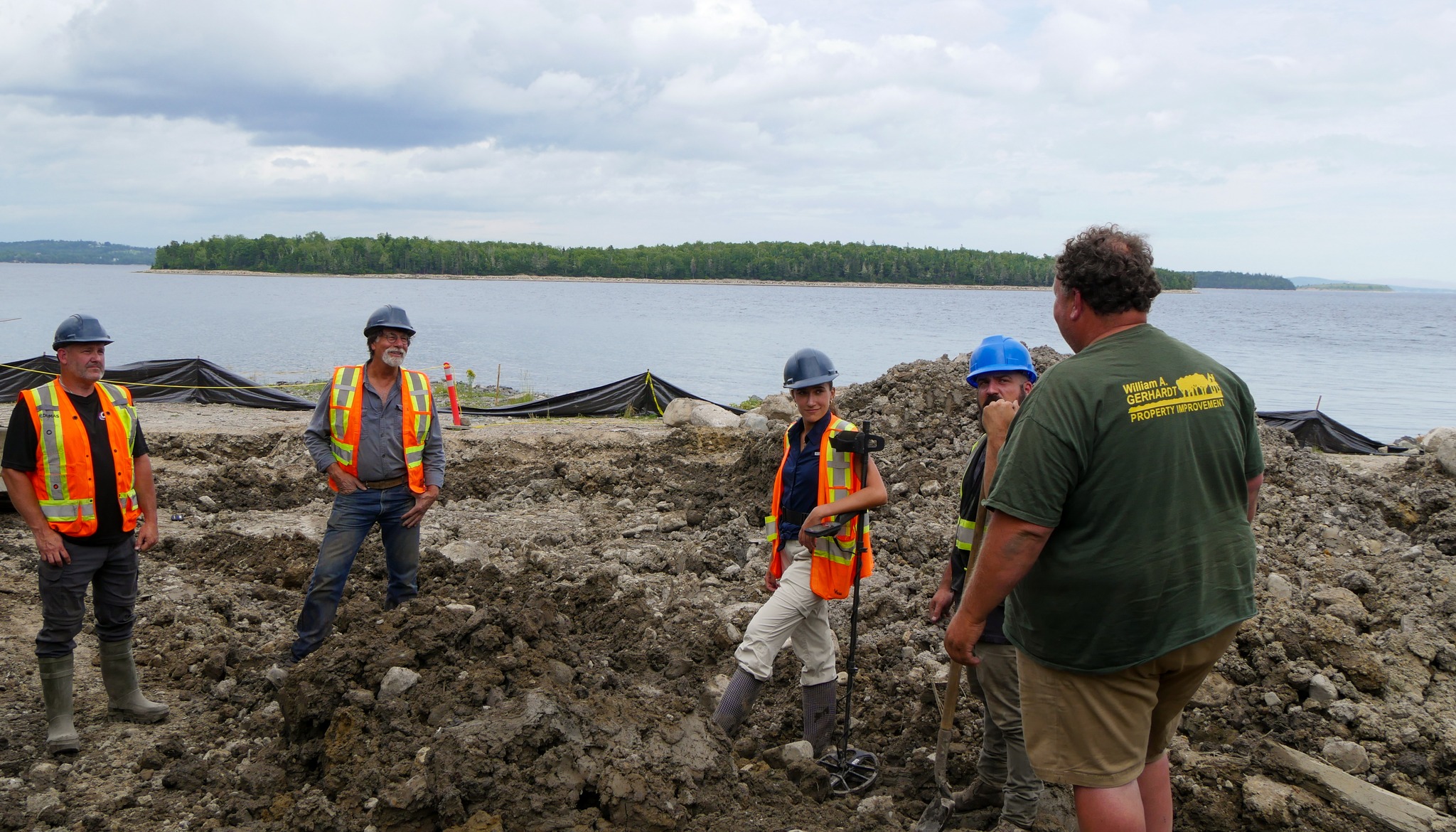
The shift has not been without tension. Site archaeologists, including long-standing figures such as Laird Niven and researcher Fiona Steel, continue to work on excavation areas such as Lot 8, but their interpretations are increasingly being bypassed in favour of immediate drilling decisions driven by geochemical findings.
In several instances this season, mechanical excavation and drilling have taken place adjacent to or even through active archaeological dig sites. In one case, hammer drilling was conducted directly through the floor of a controlled excavation area, raising questions about procedural hierarchy on-site.
While archaeologists remain responsible for documentation and interpretation of findings, their role as decision gatekeepers has visibly weakened as the expedition prioritises speed and subsurface targeting over incremental excavation.
Lot 8 Cradle and Competing Interpretations
A focal point of the season has been the stone feature known as the Lot 8 “cradle,” which has become a central point of interpretive disagreement between disciplines.
Archaeological teams have maintained that the structure requires careful stratigraphic analysis before conclusions can be drawn. However, parallel trenching and drilling activities conducted by the engineering team have led to alternative interpretations, including the suggestion that the feature may cap a deeper man-made shaft.
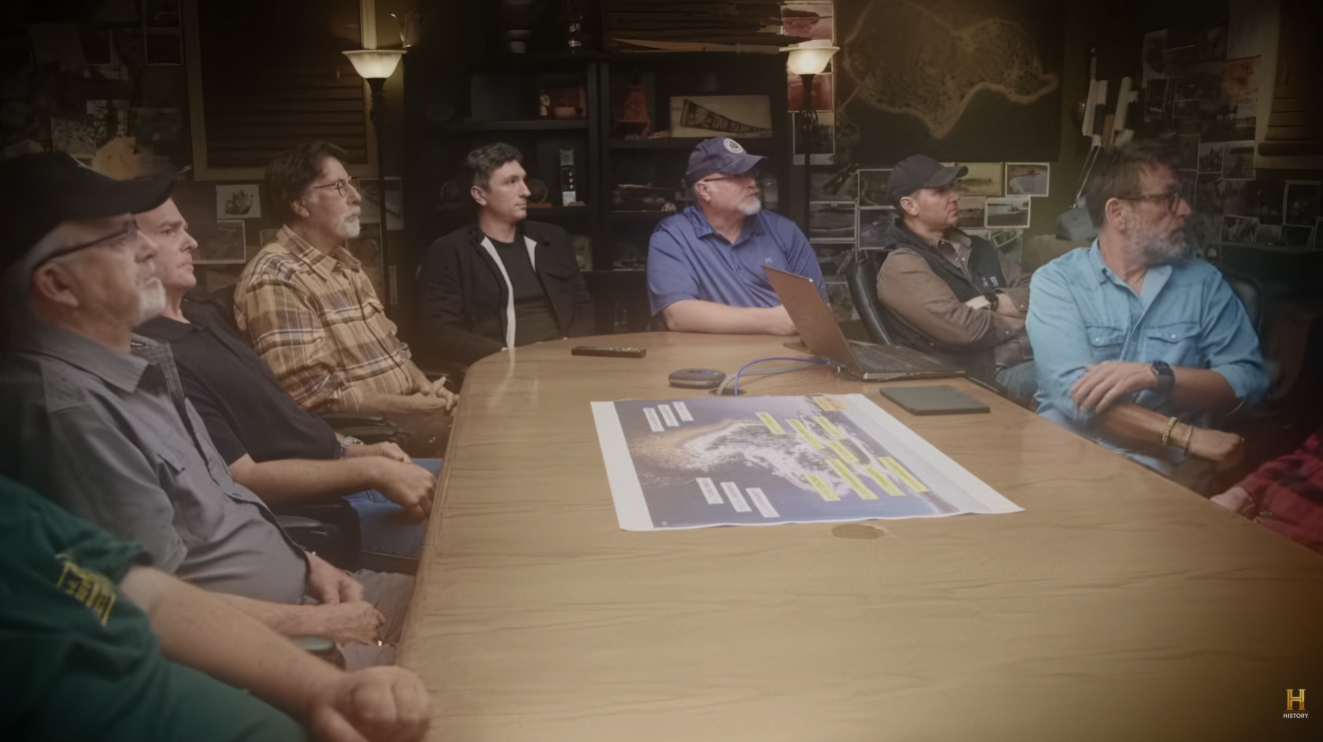
These competing readings have not been formally reconciled, but editing patterns indicate that engineering conclusions are increasingly being presented as working hypotheses ahead of archaeological confirmation.
Historical Context and Long-Standing Friction
The tension observed in Season 13 is not new. Viewers have noted gradual shifts in team dynamics since earlier seasons of The Curse of Oak Island, where archaeological oversight was more central to decision-making.
Over time, the integration of geochemical analysis and geophysical modelling has expanded, introducing new layers of interpretation that occasionally conflict with traditional excavation methodologies. These differences have increasingly surfaced in operational decisions, particularly regarding where to drill, how to interpret anomalies, and how quickly to proceed with excavation.
Scientific Findings Drive New Hypotheses
One of the most consequential developments this season comes from laboratory analysis of wood samples retrieved from earlier drilling operations. According to geochemical testing, certain wood samples have returned unusually high concentrations of both silver and gold.
This finding has led the scientific team to propose a new working hypothesis: that organic material, particularly timber found within older underground structures, may serve as a key indicator of precious metal deposition on the island.
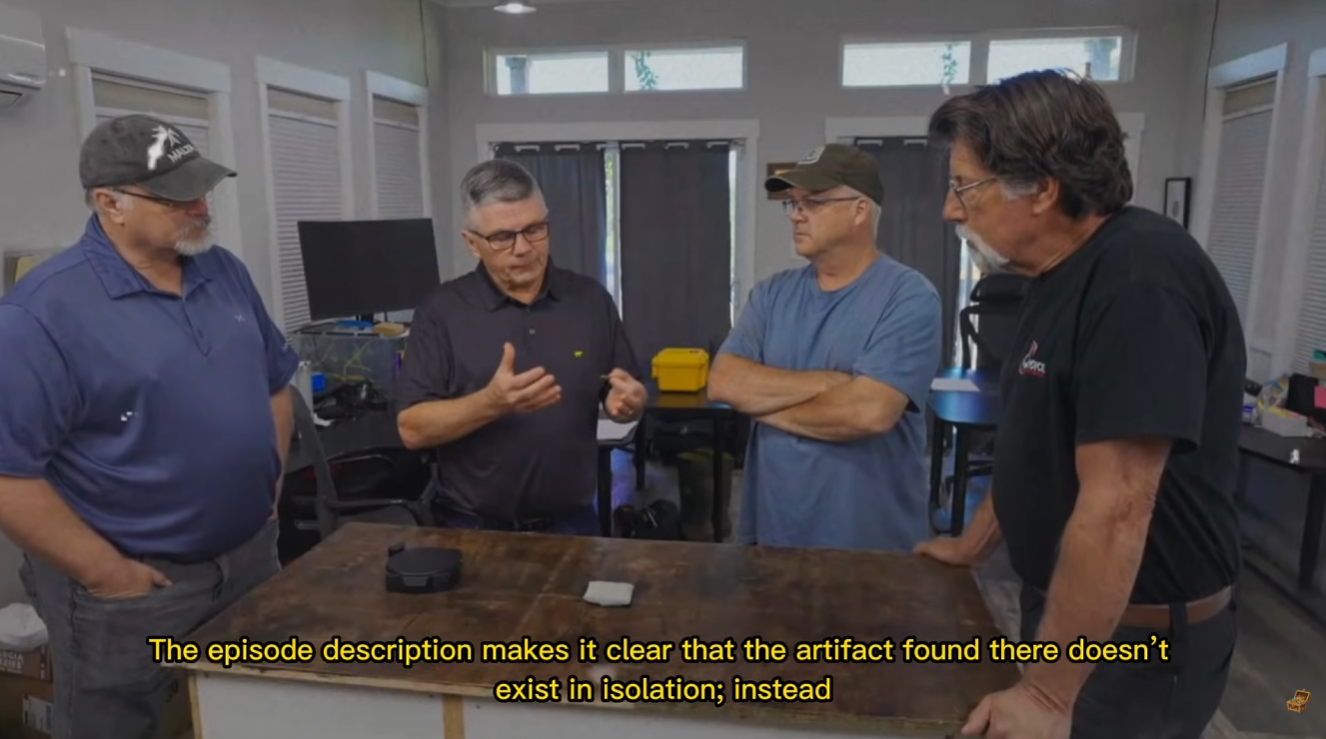
If validated, this would significantly alter the methodological foundation of the expedition, shifting focus away from purely structural archaeology and toward material sampling as a primary exploration tool.
Operational Shift and Future Direction
The implications of this evolving approach are substantial. Rather than relying exclusively on stratigraphic excavation overseen by archaeologists, future digging strategy may increasingly prioritise targeted sampling informed by chemical signatures.
Such a shift would accelerate exploration but could also reduce the level of contextual archaeological interpretation traditionally used to understand historical activity on the island.
Production indicators suggest that this hybrid model—combining rapid mechanical excavation with scientific sampling—may define the next phase of exploration heading into Season 14.
Looking Ahead
As Season 13 concludes, uncertainty remains over how the competing disciplines within the team will coexist moving forward. While scientific analysis has delivered some of the most promising leads in recent years, archaeological oversight continues to raise concerns about context, preservation, and interpretation.
What is clear, however, is that the balance of influence on The Curse of Oak Island is shifting. Whether that results in breakthrough discovery or methodological conflict will likely define the next chapter of the long-running search.
For now, one fact remains unchanged: the island continues to yield more questions than answers, even as the tools used to interrogate it evolve at unprecedented speed.