The Curse of Oak Island Season 13 Episode 21 “A Sacred Symbol”: What the Hell Is Going On?


As The Curse of Oak Island moves deeper into its 13th season, the series is once again turning toward the theory that has long hovered over the island’s mystery: the possible involvement of the Knights Templar. But this time, the programme appears to be pushing that idea further than before.
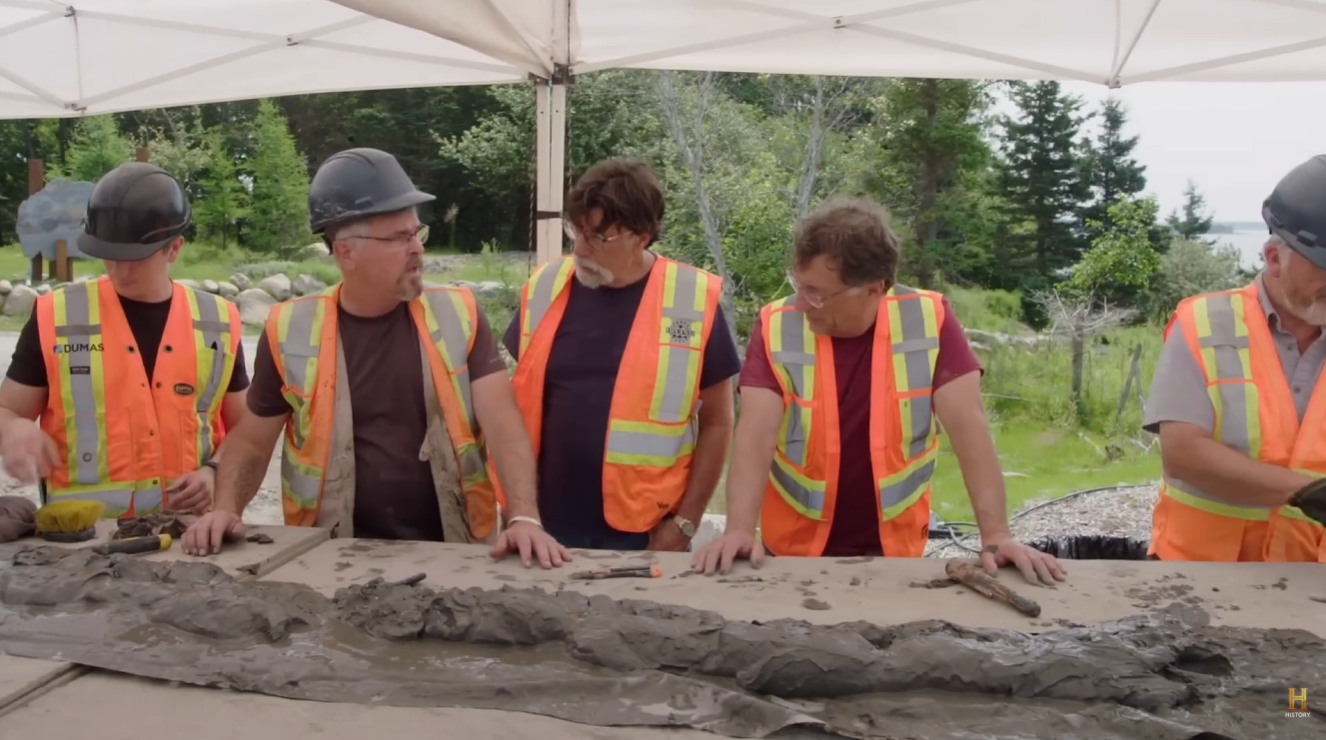
According to the preview material for episode 21, titled A Sacred Symbol, the team believes a new discovery in the Money Pit may offer evidence that strengthens the Templar line of inquiry. In typical Oak Island fashion, the episode appears set to combine excavation results, artefact analysis and War Room interpretation into another attempt to connect physical finds on the island to one of history’s most persistent legends.
The suggestion at the centre of the episode is an ambitious one. The official description points to a find in the Money Pit that may provide new evidence linking the Oak Island mystery to the Templars. Preview footage reportedly goes even further, with discussion in the War Room touching on the possibility that a holy relic connected to Jesus Christ could have been hidden alongside a medieval treasure. It is the kind of claim that instantly raises the stakes of the story, shifting the focus from hidden wealth to the possibility of sacred historical significance.
For long-time viewers, the Templar theory is not new. It has been a recurring thread in the show for years, supported by interpretations of finds such as the lead cross discovered near Smith’s Cove, geometric theories linked to Nolan’s Cross and broader speculation about medieval voyages to the North Atlantic. What makes this latest episode notable is the apparent suggestion that the evidence coming out of the ground may be pointing not merely to a medieval presence, but to a specific religious or symbolic connection.
Much of the anticipation appears to centre on one artefact discussed in the preview. An expert reaction featured in the material describes it as an amazing find, something not previously seen on an archaeology site, with peak use in the 14th and 15th centuries. That time frame matters enormously within Oak Island lore. It aligns with the period after the fall of the Knights Templar in the early 1300s and overlaps with theories surrounding Prince Henry Sinclair, the Scottish nobleman often linked by researchers and enthusiasts to supposed early voyages westward.

If the object is genuinely from that medieval period, it would be significant regardless of whether it confirms any Templar connection. For the Oak Island team, one of the biggest challenges has always been separating original depositor material from the vast amount of later searcher debris left behind over more than two centuries of digging. Any item recovered from the Money Pit area that can be convincingly dated centuries earlier than the recorded discovery of the pit in 1795 would inevitably attract serious attention. That, more than the surrounding theory, may be the most important part of the story.
The episode also appears to widen the focus beyond the Money Pit. As in previous seasons, the swamp remains central to the island’s larger narrative. Preview material suggests that metal-detecting work in that area produces another promising hit, prompting excitement from the team. Over the past few years, the swamp has increasingly been presented as a logistical zone rather than simply a place of speculation, with discoveries such as stone features, wooden stakes and traces of past activity leading the team to treat it as a possible staging ground in whatever operation once took place on the island.

Viewed through that lens, the new swamp detection becomes part of a wider pattern. For those who support the medieval theory, the island is no longer a single location containing one buried object, but a coordinated site involving transport routes, engineering decisions and purposeful concealment. In that version of events, the swamp may have functioned as an unloading point, while the Money Pit served as the secure centre of a larger system. The programme’s narrative is increasingly built around that interconnected model.
Still, the gap between compelling television and historical proof remains considerable. Oak Island has always thrived on suggestion, pattern recognition and the interpretation of incomplete evidence. The language used in episode previews is designed to build anticipation, and viewers have seen many moments before in which exciting discoveries later proved more ambiguous than first believed. That does not lessen the importance of new finds, but it does mean that any claim involving Templar treasure or sacred relics will need far more than enthusiastic reaction to stand up to scrutiny.

Even so, A Sacred Symbol looks likely to be one of the most talked-about episodes of the season. If the artefact featured in the preview can be verified as a rare medieval object, it will add weight to the idea that Oak Island’s story stretches much further back than conventional colonial history. Whether that ultimately supports a Templar narrative, a broader European presence, or something else entirely, it would mark another important step in the show’s long shift from treasure hunt to archaeological investigation.
For Rick and Marty Lagina, that shift has always been at the heart of the quest. The search is no longer only about what may be buried underground. It is about whether Oak Island can still reveal a chapter of history that has remained hidden for centuries. Episode 21 appears ready to test that possibility once again.