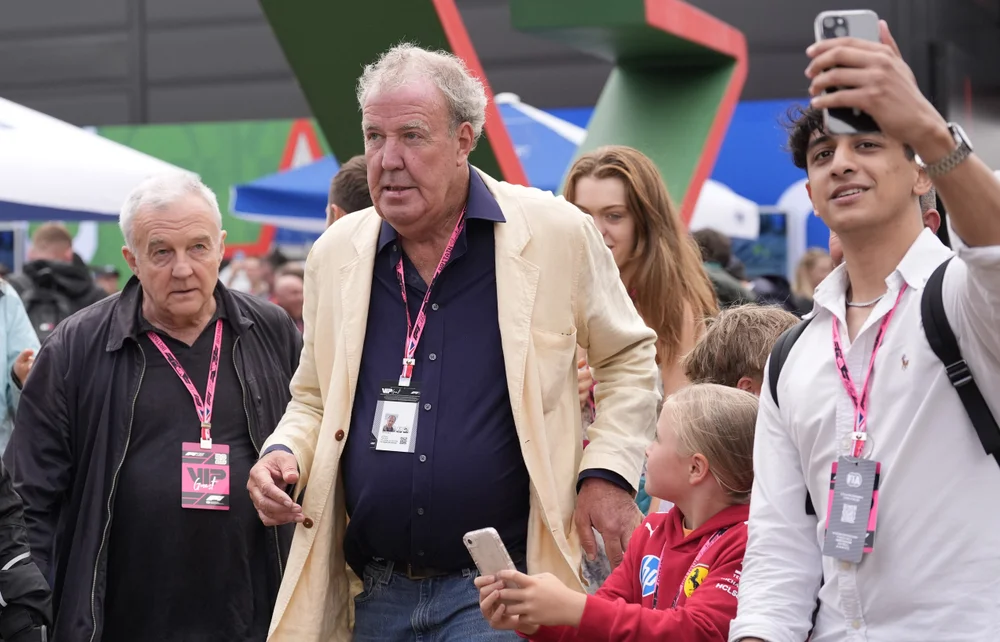
Jeremy Clarkson stood among tens of thousands of farmers outside Westminster on 19 November 2024, defying medical advice just weeks after heart surgery. The demonstration, one of the largest agricultural protests in modern British history, would later be credited with triggering a major reversal of government policy.
Around 20,000 farmers travelled to London, many arriving by tractor, to oppose a newly announced change to inheritance tax rules on agricultural land. The government had confirmed that from April 2026, only the first £1 million of farm assets would be exempt from inheritance tax, with the remainder taxed at an effective rate of 20 per cent.
For many family farms, campaigners warned, the sums did not add up. Land values often run into millions of pounds, while annual profits remain modest. Farmers argued the policy would force families to sell land simply to meet tax bills, breaking up holdings passed down through generations.
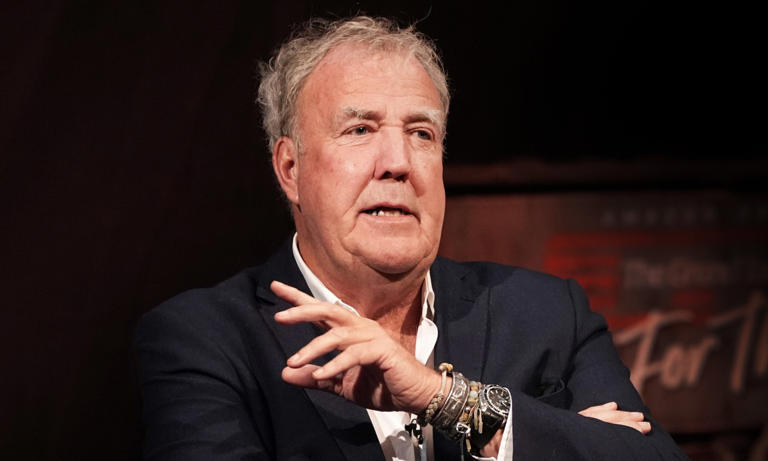
Addressing the crowd, Clarkson urged ministers to rethink. “I beg the government to be big,” he told protesters. “This was rushed through. It’s a mistake. Please back down.” His remarks were met with loud applause as horns sounded across Parliament Square.
Initial resistance from ministers
At the time, ministers showed little sign of retreat. Environment Secretary Steve Reed described the policy as fair and necessary, while Prime Minister Keir Starmer rejected claims that Labour was targeting family farms, insisting the measure focused on the wealthiest landowners.
Chancellor Rachel Reeves, who announced the reform in the autumn budget, defended the move as part of a broader effort to rebalance the tax system.
Farmers left Westminster frustrated, but not resigned. What followed was a sustained national campaign led by the National Farmers’ Union and supported by opposition parties across Parliament. NFU president Tom Bradshaw described the policy as a “stab in the back” and warned it threatened the future of family farming.
Pressure builds
Over the following weeks, farmers held local meetings, briefed MPs and shared detailed financial modelling showing how the £1 million threshold would affect ordinary working farms, not just large estates. Media coverage intensified, with regional broadcasters and national newspapers highlighting the strain on rural communities.
Public opinion began to shift as the implications became clearer. Experts challenged the government’s estimate that only around 500 farms a year would be affected, suggesting the number could be far higher once farmhouses, buildings and equipment were included.
Behind the scenes, concern grew within Labour ranks, particularly among MPs in rural and semi-rural constituencies. Food security specialists also raised questions about the long-term impact on domestic agriculture.
The U-turn
On 23 December 2025, just days before Christmas, the government announced a significant revision. The inheritance tax threshold for agricultural property would rise from £1 million to £2.5 million per person, transferable between spouses. In practice, couples could now pass up to £5 million in farm assets without paying inheritance tax.
In a statement, Environment Secretary Emma Reynolds said ministers had “listened closely to farmers” and were determined to protect family-run businesses while still ensuring the tax system remained fair.
The revised policy reduced the number of estates expected to pay additional inheritance tax by more than half, according to updated analysis.
A victory for farmers
Farming leaders welcomed the announcement as a major relief. Bradshaw said the change would protect the vast majority of family farms and acknowledged the role of sustained campaigning in forcing the rethink.
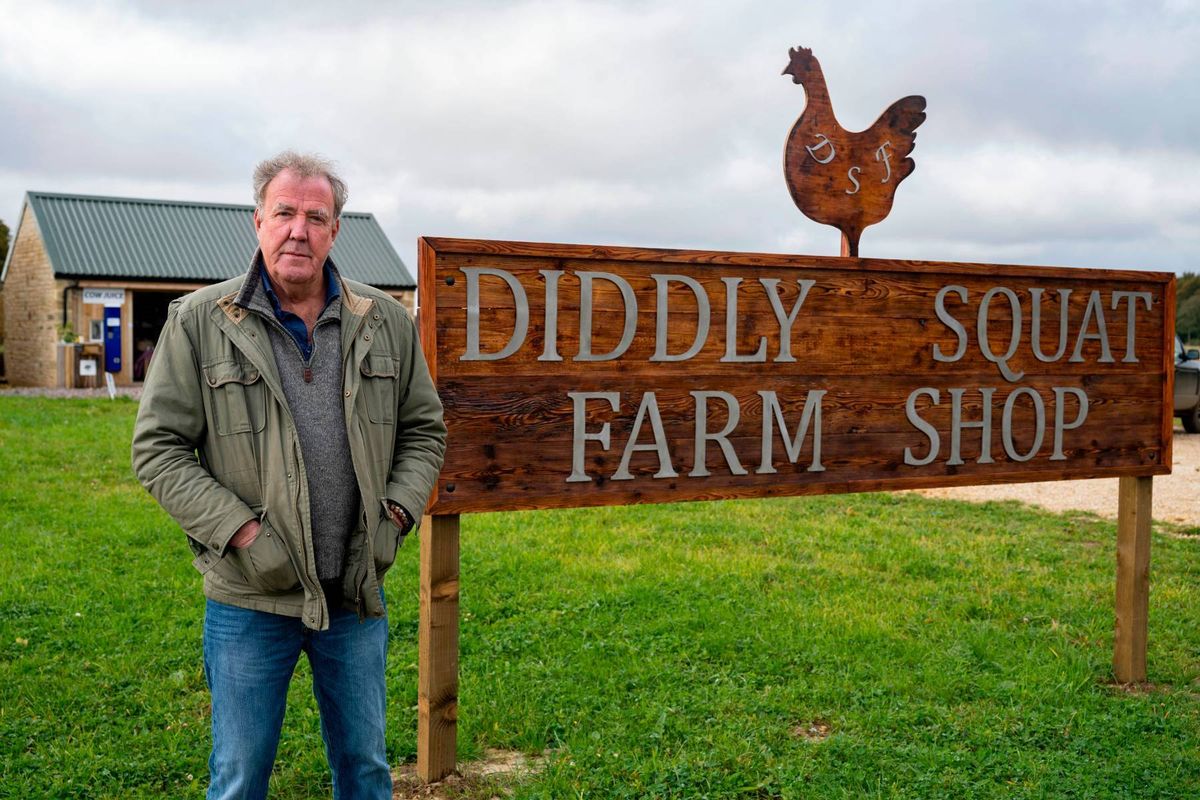
Although Clarkson did not issue an immediate public response, colleagues said he was pleased the government had acted. Kaleb Cooper, his co-star on Clarkson’s Farm, wrote on social media: “We did it. Farmers won.”
Opposition parties were quick to claim credit, but within the farming community the consensus was clear: the protest and the months of pressure that followed had worked.
The revised rules are due to take effect in April 2026, with legislation amended early in the new year. While some higher-value farms may still face tax bills, most family holdings are now expected to pass to the next generation intact.
For many farmers, the episode has carried a lasting lesson. Westminster can be moved, they say, when rural voices act together. The sight of tractors filling central London has already become a defining image of a campaign that reshaped government policy—and reaffirmed the political influence of Britain’s farming communities.
