Lisa Hogan’s Quiet Power Behind Clarkson’s Farm: How Diddly Squat Became More Than a Farm Shop

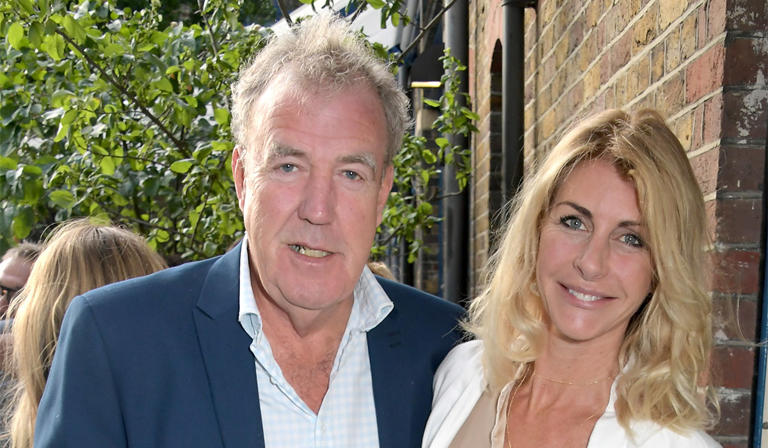
For years, the public story of Clarkson’s Farm has revolved around Jeremy Clarkson: the shouting, the machinery, the rows with West Oxfordshire District Council and the endless attempts to make Diddly Squat Farm survive. But behind the more obvious television chaos, another story has been unfolding more quietly.
That story belongs to Lisa Hogan.
As Clarkson’s Farm returned for its fifth series on Prime Video, the attention once again fell on Clarkson’s health, Kaleb Cooper’s blunt advice and the continuing pressure facing British farmers. Yet a closer look at the commercial side of Diddly Squat suggests that Hogan has become one of the most important figures in the farm’s transformation from a struggling agricultural operation into a nationally recognised rural brand.
The farm shop, now one of the most famous in Britain, began as a relatively ordinary planning application. Before the traffic queues, celebrity visitors and national headlines, it was presented as a lambing shed and farm shop with parking and access. At that stage, it appeared to be the kind of small rural diversification project seen across the Cotswolds.
But what followed was anything but ordinary.
Once Clarkson’s Farm became a television phenomenon, Diddly Squat Farm Shop was no longer simply a place to buy potatoes, honey or chutney. It became a destination. Fans travelled from across the country to see the farm, buy the products and feel connected to the world they had watched on screen.
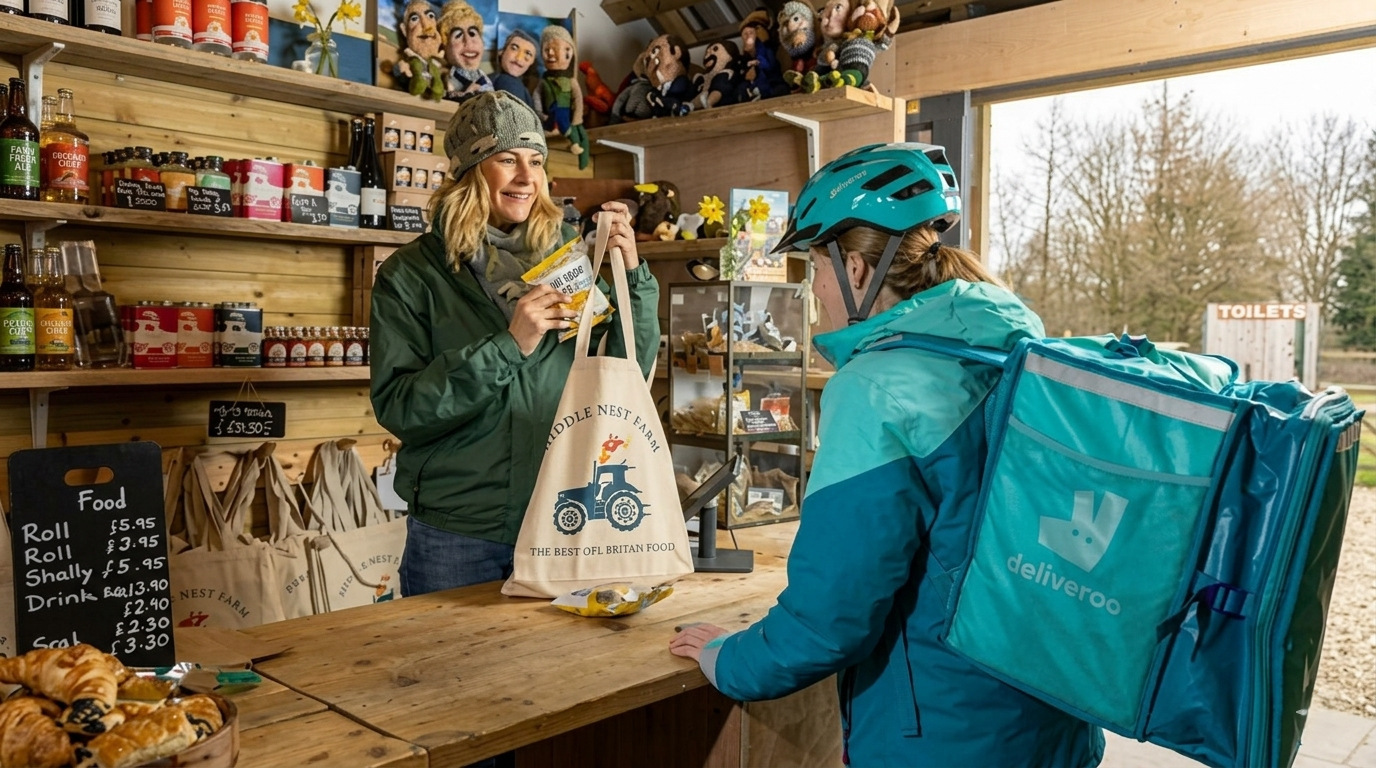
That shift changed everything. A farm shop usually depends on passing trade and local loyalty. Diddly Squat depended on story, identity and television-driven demand. Hogan appears to have understood that difference early.
While Clarkson became the public face of disputes with the council, Hogan’s role in building the business around those restrictions became increasingly significant. The most important example was the planning battle over the proposed restaurant. When the council rejected the plan, many assumed the idea had been defeated. But the business adapted.
The use of permitted development rules, particularly those allowing agricultural buildings to be converted for certain commercial uses, became a crucial part of the strategy. Rather than relying entirely on one conventional planning route, the Diddly Squat operation found ways to continue evolving within the legal framework available to farmers.
That point matters because it speaks to a much bigger issue in British agriculture. Farmers are repeatedly told they must diversify to survive. They are encouraged to open shops, sell directly, host visitors and add value to their produce. But when a farmer becomes too successful, the same system can quickly begin to push back.
Diddly Squat exposed that contradiction in full public view.
Another restriction also became a commercial advantage. Planning conditions required products sold at the farm shop to come from Diddly Squat itself or from within a limited local radius. On paper, that was a constraint designed to prevent the site from becoming a general retailer. In branding terms, however, it created something far more valuable: authenticity.
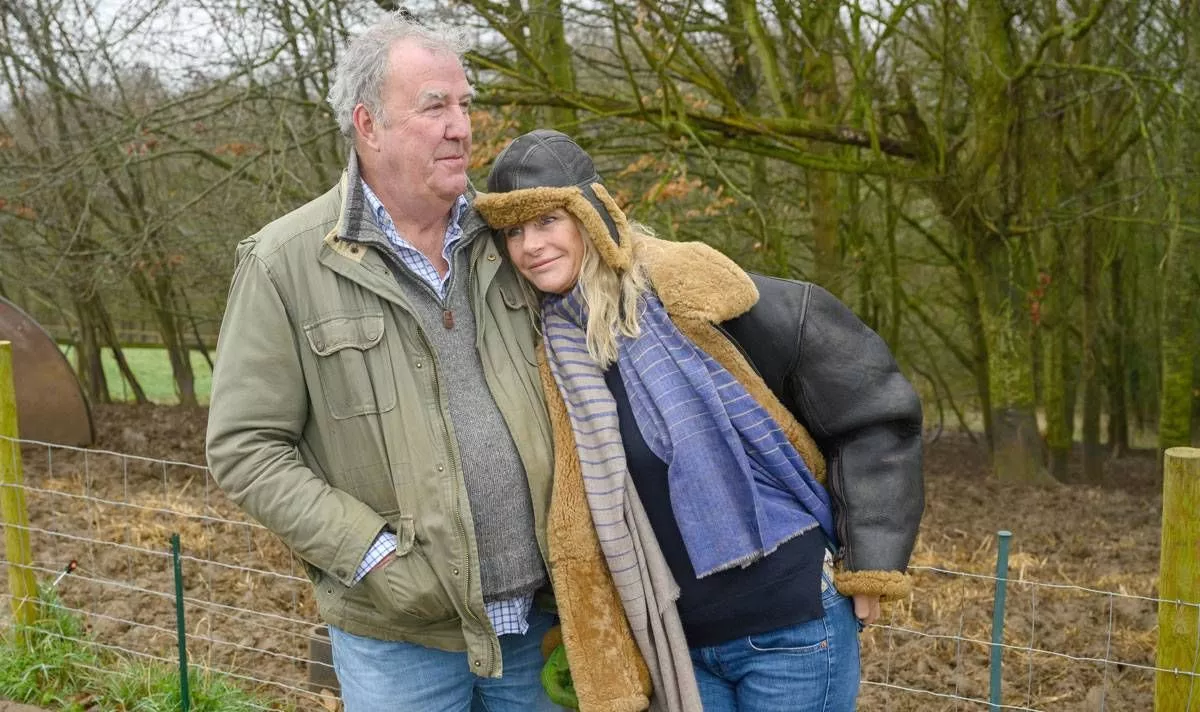
For customers, a local radius is not only a rule. It is a promise. It tells them the products are genuinely connected to the surrounding land and nearby producers. In an era when supermarket supply chains can feel distant and anonymous, that kind of local identity carries real commercial power.
Hogan and the team turned limitation into language. What could have been seen as a restriction became part of the farm shop’s premium appeal.
The product names played their own role in that success. Diddly Squat’s range has never sounded like a conventional farm shop catalogue. Its candles, crisps, chutneys, honey and drinks carry the same irreverent tone that made Clarkson’s television persona famous. The names are designed to be remembered, photographed and shared.
That is not accidental. In modern retail, especially when a brand is already connected to entertainment, shareability is a form of advertising. Every amused customer taking a picture of a product label becomes part of the marketing machine. Diddly Squat’s products do not only sit on shelves. They create conversation.
The Amazon Fresh deal took that model even further. By making Diddly Squat products available beyond the physical farm shop, the brand reduced its dependence on the controversial Cotswolds site itself. The council could argue over traffic, parking and buildings, but online retail opened a different route to customers.
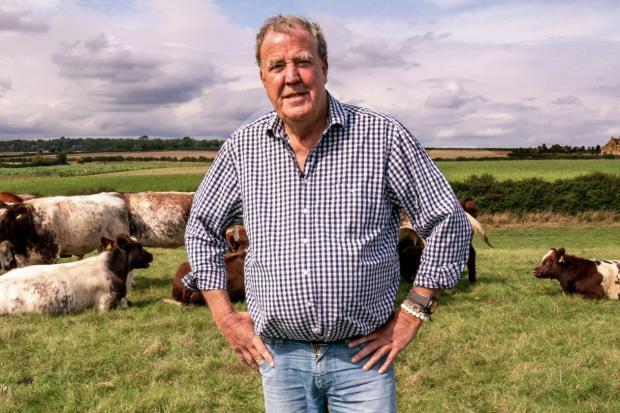
That is where the structure becomes especially unusual. Amazon Prime Video helped make Clarkson’s Farm a global hit. That same audience then became a potential customer base for Diddly Squat products sold through Amazon’s retail channels. Few British farm brands have ever had that kind of built-in media-to-retail pipeline.
It also means the farm shop’s future is no longer tied only to visitors driving to Oxfordshire. The physical location remains central to the story, but the brand can travel much further than the road outside the farm gate.
Season five adds another layer to the question. Clarkson’s health scare, featured in the new series, raises a serious business issue: what happens when a brand is so closely associated with one man? The answer may be that Hogan has already helped build something broader than Clarkson’s personal presence.
The Diddly Squat identity now lives in products, packaging, collaborations, books and distribution deals. Clarkson’s personality remains central, but the business is no longer just a man on a tractor. It is a commercial ecosystem.
Hogan’s own publishing deal further points to that independence. Like Kaleb Cooper, who has built a media and publishing profile beyond his role as Clarkson’s farmhand, Hogan appears to be developing a platform that can stand partly on its own.
That may be the most overlooked development of all. Clarkson’s Farm has often been discussed as a story about Jeremy Clarkson versus farming, or Jeremy Clarkson versus the council. But the business story is more complex. It is also about how Lisa Hogan helped turn attention, restriction and controversy into commercial structure.
The council saw a planning problem. Viewers saw a television battle. Customers saw a brand they wanted to buy into.
Hogan appears to have seen all three at once.
Diddly Squat may have begun as a farm shop, but it has become something much larger: a case study in modern rural branding, where farming, television, local identity and consumer culture collide. Clarkson may still deliver the loudest lines, but Lisa Hogan’s quieter influence may be one of the main reasons the empire continues to grow.