Jeremy Clarkson’s Farming Empire: How Diddly Squat Became a Blueprint for Rural Business

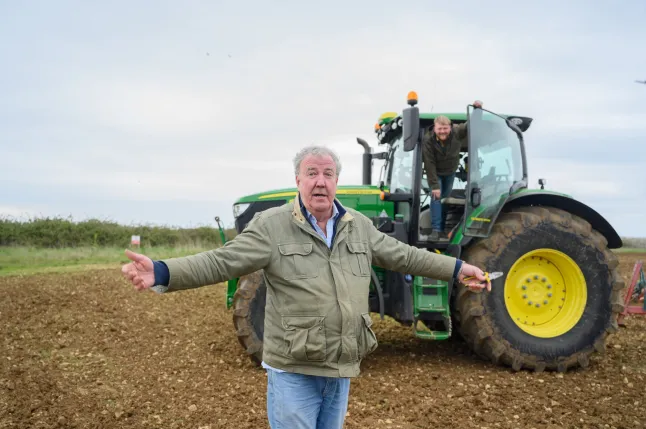
When Jeremy Clarkson bought 1,000 acres of Oxfordshire farmland in 2008, few could have imagined it would one day become one of Britain’s most recognisable rural brands.
At first, Diddly Squat was simply a working farm with modest returns. Clarkson has often joked about how little money the land made in its early years, a detail that became central to the appeal of Clarkson’s Farm. It showed viewers a reality many farmers already knew: farming can require enormous effort, high costs and painfully small profits.
But Clarkson’s real success was not becoming a perfect farmer. It was turning the difficulty of farming into a story millions wanted to watch.
Every machinery breakdown, failed idea, planning dispute and argument with Kaleb Cooper became part of the show’s power. Viewers were not watching a polished countryside fantasy. They were watching a famous man discover, often the hard way, how unforgiving agriculture can be.
That authenticity changed everything.
Diddly Squat Farm Shop soon became more than a place to buy local food. It became a destination. Fans travelled for hours to buy honey, chutney, crisps and merchandise because they were buying into the world they had seen on screen. A jar of honey was no longer just a product. It was a connection to the story.
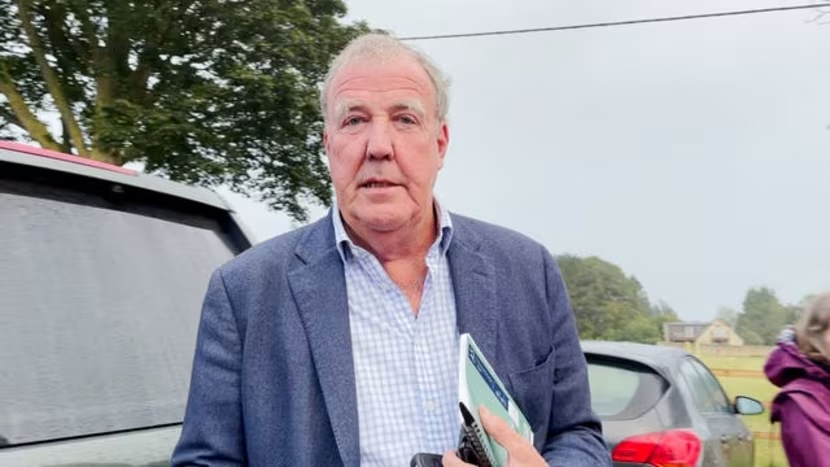
The shop’s local sourcing rules, originally a planning restriction, also helped strengthen the brand. Instead of making the business feel limited, the rule made it feel more authentic. In a retail world dominated by supermarkets and long supply chains, Diddly Squat’s local identity became a major selling point.
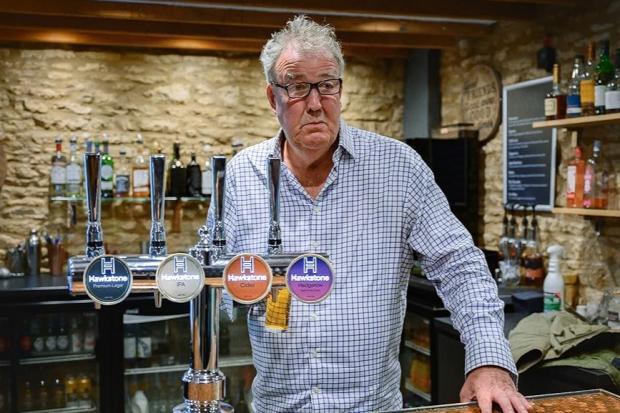
Then came Hawkstone, Clarkson’s beer brand. Rather than simply lending his name to a celebrity lager, Clarkson built a product connected to his farm and nearby barley growers. That gave Hawkstone something many celebrity brands lack: a real story behind the label.
The same model applies to The Farmer’s Dog pub. Its commitment to British produce may be expensive and difficult, but it reinforces the larger message behind the Clarkson empire: British farming matters, British food has value, and customers will support a business when they believe in its purpose.
This is why the Diddly Squat model works. The television show promotes the farm. The farm promotes the shop. The shop promotes the products. The products support the brewery. The brewery strengthens the pub. The pub creates more attention, more visitors and more content.
It is no longer just a farm. It is a commercial ecosystem.
Kaleb Cooper’s rise has been just as important. His appeal comes from being genuine, knowledgeable and unimpressed by Clarkson’s fame. He gives the show credibility, while Clarkson gives it reach. Together, they make farming understandable, funny and serious at the same time.
The planning battles with West Oxfordshire District Council also became part of the story. Every objection and refusal created more public attention. While local concerns about traffic and disruption were real, the controversy kept Diddly Squat in the national conversation.
For British farming, Clarkson’s success raises a difficult question: why did it take a television presenter to make millions of people care about agriculture?
Most farms cannot copy Diddly Squat exactly. They do not have Amazon cameras, a celebrity owner or a global audience. But the lesson still matters. Provenance sells. Authenticity matters. A strong story can turn a rural business into something far bigger than its land.
Clarkson bought a farm, made mistakes on it, and let the country watch.
In doing so, he turned Oxfordshire mud into a brand — and reminded Britain that farming is not just scenery. It is work, risk, food, culture and survival.