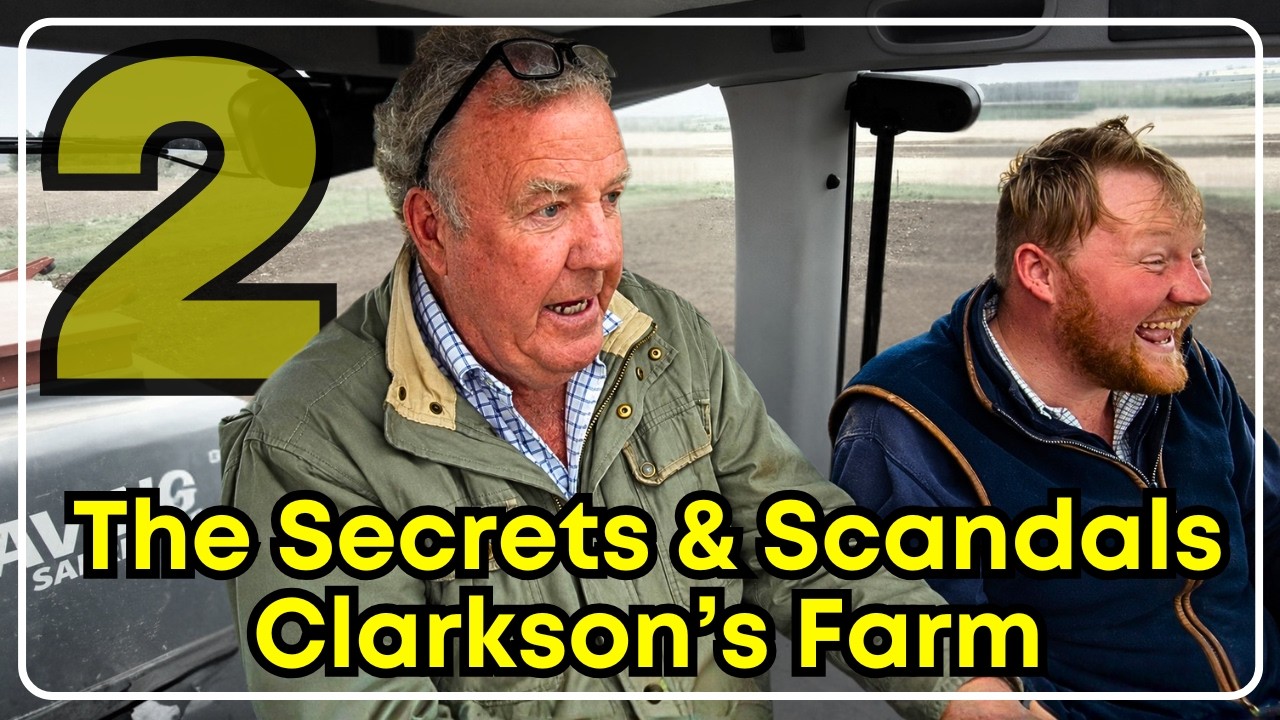
Jeremy Clarkson’s battle with West Oxfordshire District Council was never just about one barn, one restaurant, or one celebrity farmer trying to sell burgers in the Cotswolds.
On the surface, the second series of Clarkson’s Farm looked like another round of entertaining rural chaos. Clarkson wanted to expand his Diddly Squat operation. The council said no. Kaleb Cooper rolled his eyes. Charlie Ireland explained the rules with heroic patience. Clarkson pushed ahead anyway. Viewers laughed, argued and watched in huge numbers.
But underneath the jokes, the mud and the planning paperwork, season two became something much more serious: a sharp, uncomfortable look at what happens when modern farming tries to survive in a country that often says it supports farmers, but becomes nervous the moment they actually succeed.
The story began with a 47-page rejection from West Oxfordshire District Council. Clarkson wanted to open a restaurant at Diddly Squat Farm, using food produced on his land and by local suppliers. To his supporters, it looked like exactly the sort of diversification farmers are constantly told they need. To his critics, it looked like a celebrity-driven commercial expansion in a protected rural landscape already struggling with traffic, tourism and disruption.
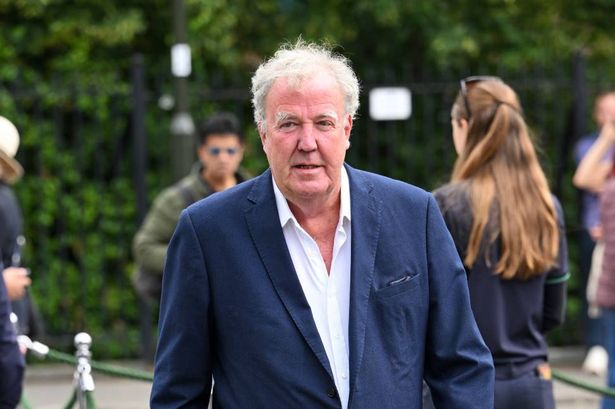
That is why the argument became so heated. Both sides had a point.
The council’s concerns were not invented. The Cotswolds is an area known for its beauty, narrow roads and small villages. Diddly Squat’s fame had already brought long queues, crowded lanes and visitors who were not simply passing through, but travelling specifically because they had seen the farm on television. Local roads designed for tractors and residents were suddenly dealing with waves of cars, fans and social media attention.
For villagers living with the disruption, the problem was real. A successful farm shop might sound charming from a distance, but it looks different when traffic blocks the road outside your home.
Yet Clarkson’s supporters saw something else. They saw a farmer trying to make a farm pay at a time when traditional agriculture often cannot survive on crops and livestock alone. They saw a business selling local food, supporting nearby producers and bringing national attention to the financial pressure facing British farms. From that perspective, the council’s rejection looked less like protection and more like obstruction.
That tension is what made the storyline so powerful. Clarkson’s Farm was not simply showing a celebrity losing a planning fight. It was exposing a deeper question: what is the countryside for?
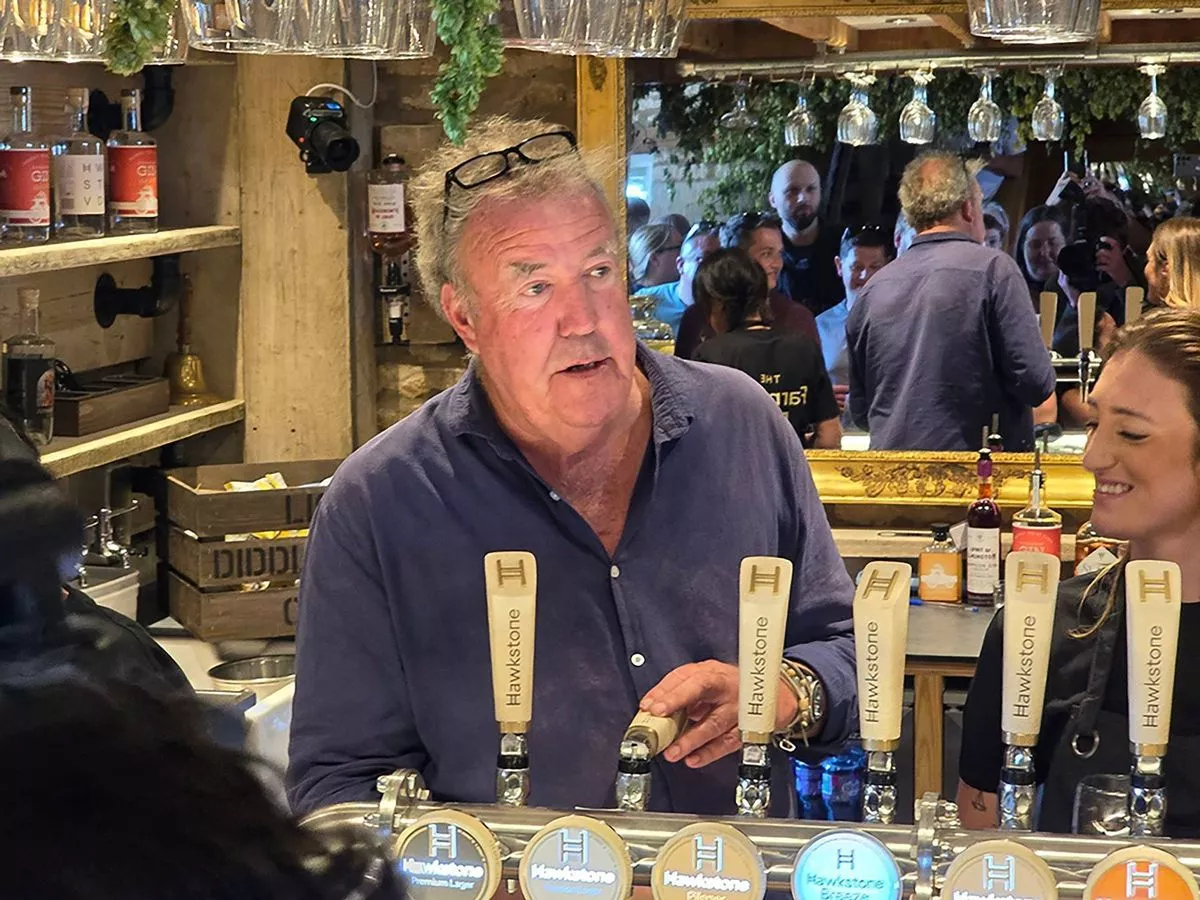
One version of rural Britain sees the countryside as a shared national inheritance, a place that must be protected from overdevelopment, noise, traffic and commercial pressure. Another version sees it as a working landscape, where farmers must be allowed to innovate, diversify and generate income, or risk disappearing altogether.
Season two placed those two visions directly against each other.
The proposed restaurant became a symbol far bigger than itself. For some, it represented rural enterprise, common sense and the right to make a living from the land. For others, it represented the danger of celebrity tourism overwhelming quiet communities and turning protected countryside into a commercial destination.
That is why a farm restaurant became a culture-war flashpoint.
The series also showed that “the locals” were never one single group with one single opinion. Some people living near Diddly Squat were frustrated by the traffic and attention. Others benefited from the visitors. Pubs, shops, accommodation providers and local suppliers all had reason to welcome the crowds. The real dispute was not simply Clarkson versus the village. It was a more complicated clash between different local interests.
Some people lived with the inconvenience. Others lived from the income.
That complexity is one of the reasons Clarkson’s Farm connected with such a wide audience. The show did not only speak to farmers. It spoke to anyone who has ever dealt with bureaucracy, planning delays or official processes that appear designed to slow ambition down. Clarkson’s frustration became familiar to viewers who had never planted barley or raised cattle.
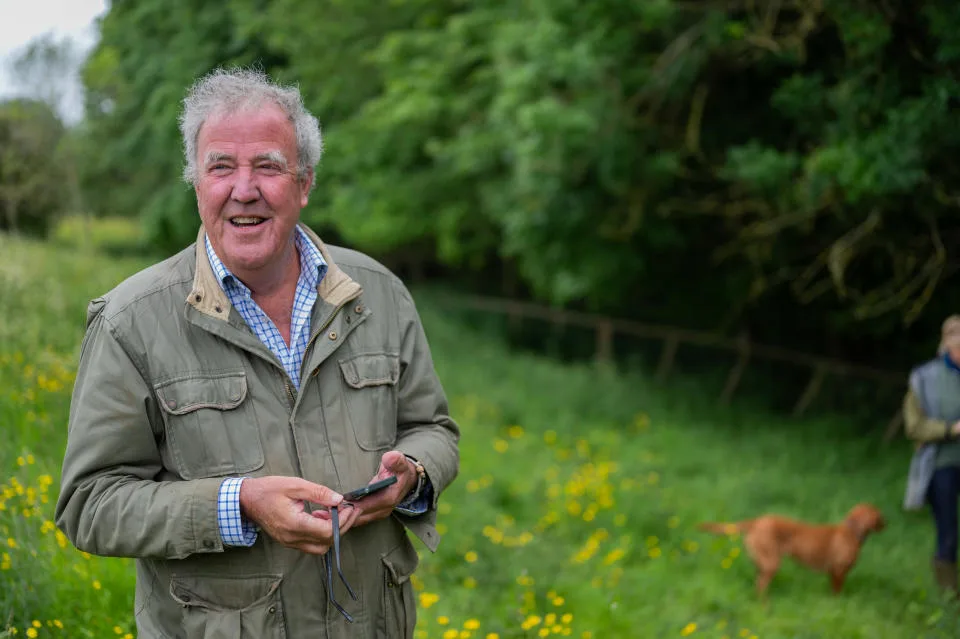
At the same time, the series did not let farming look easy. If anything, it made the opposite point again and again. Clarkson’s ideas often sounded simple until reality arrived. The mushroom venture, for example, looked like a promising way to diversify income. Then came the costs, the controls, the timing, the waste and the brutal lesson that a clever idea is not the same thing as a profitable business.
That is one of the most important messages of Clarkson’s Farm. Modern farming is not just hard work. It is hard arithmetic.
The crops, animals and land may form the heart of the farm, but they do not always produce enough money to keep the business secure. That is why diversification matters. Farm shops, restaurants, events, accommodation, direct sales and branded products are not luxuries for many farms. They are survival strategies.
Clarkson has advantages most farmers do not. He has fame, Amazon cameras, a huge audience and a public platform. But that is exactly what makes the show so revealing. If even a famous farmer with national visibility runs into this level of resistance, uncertainty and financial pressure, what chance does a smaller farmer have?
That question sits at the centre of season two.
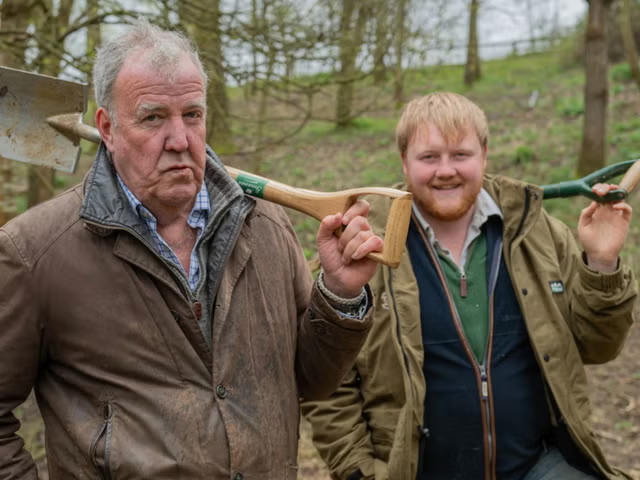
Kaleb Cooper, Charlie Ireland and the wider Diddly Squat team helped ground the show in reality. Kaleb brought practical knowledge, local understanding and a refusal to be impressed by celebrity. Charlie brought the calm, professional voice of regulation and consequence. Clarkson brought the chaos, the ambition and the frustration of a man learning that farming is not only about land, machinery and weather, but about rules, permissions, politics and public opinion.
Together, they turned a farm show into a national conversation.
The council may have rejected the restaurant, but Clarkson won something else. He turned a planning dispute into one of the most talked-about television storylines in Britain. More importantly, he forced millions of viewers to look at farming not as a romantic backdrop, but as a struggling industry caught between survival and regulation.
Season two of Clarkson’s Farm was funny, messy and often absurd. But beneath the entertainment was a serious argument about the future of rural Britain.
A 47-page rejection said no to one restaurant. The public reaction suggested the bigger debate is far from over.
