# The Great British Tractor Rebellion
*How one budget line drove thousands of farmers into the streets — and shook a government*
In October 2024, Chancellor Rachel Reeves delivered a budget she called necessary. Buried within it was a single policy change that, within weeks, would send thousands of farmers driving their tractors into central London and ignite the most visible rural uprising in modern British history.
The policy: capping inheritance tax relief on agricultural land.
## Thirty Years of Protection, Gone Overnight
Since 1992, British farming families had been shielded by Agricultural Property Relief (APR) — a law that exempted farmland from inheritance tax entirely, no matter the estate’s value. The rationale was straightforward: farms are asset-rich but cash-poor. A family farm worth millions on paper might generate a modest annual income, squeezed by supermarket pricing, cheap imports, and post-Brexit subsidy cuts. Forcing heirs to pay 40% tax on the land’s value, the thinking went, would simply mean selling it off — breaking apart farms that families had worked for generations.
For thirty years, that argument held.
## The Budget Bombshell
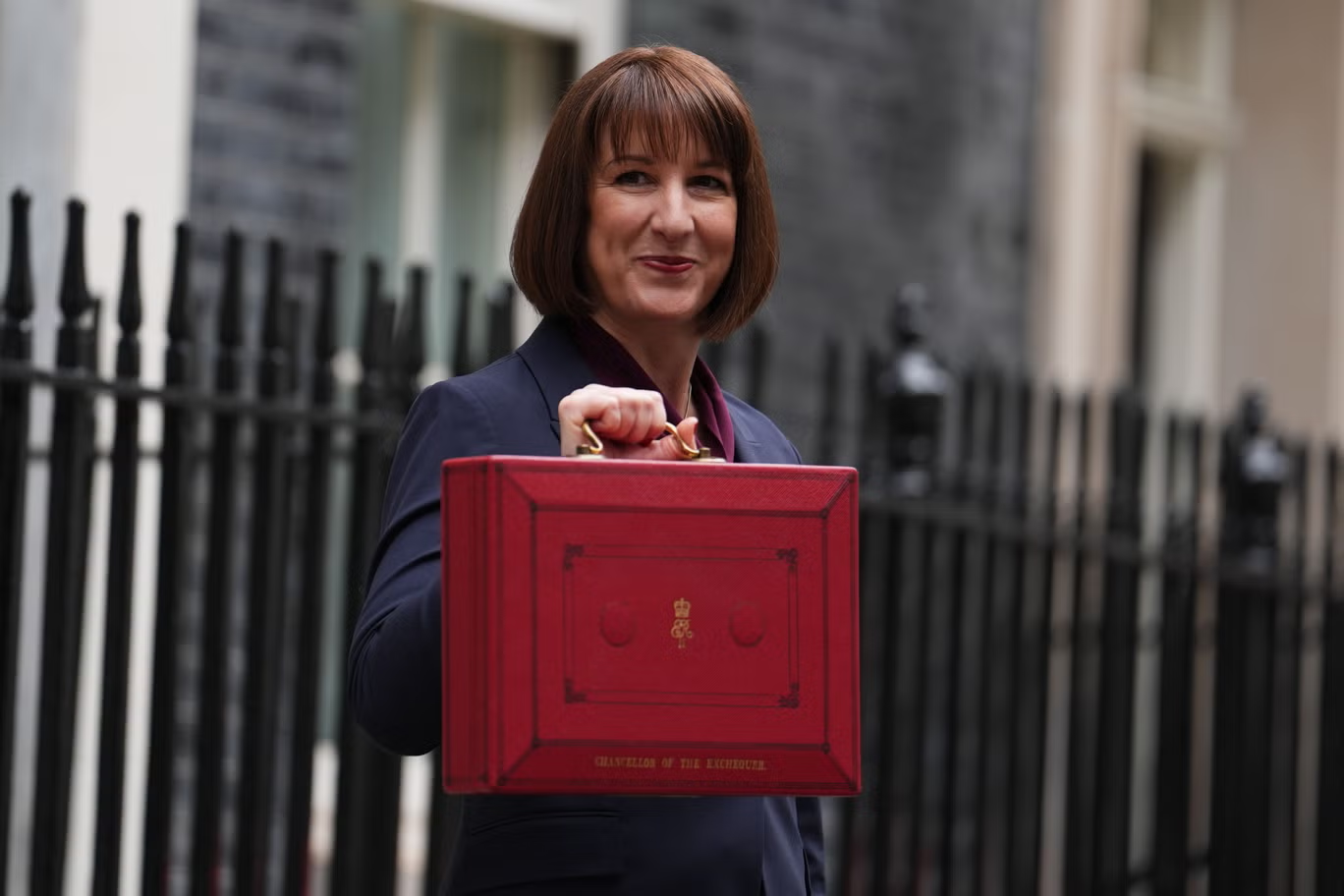
Reeves ended the exemption overnight. From April 2026, the full 100% APR relief would be capped at £1 million per estate, with a 20% tax applied on anything above that — half the standard inheritance tax rate, payable over ten years interest-free. The government framed it as targeting the ultra-wealthy: Treasury data showed the top 7% of APR claimants accounted for 40% of total relief claimed. Agricultural land, ministers argued, had become the super-rich’s favourite tax shelter, pricing genuine young farmers out of ever owning their own land.
Farming organisations saw it entirely differently.
## Tractors on Whitehall
The response was ferocious. On 19 November 2024, thousands of farmers descended on Parliament Square. Tractors flying British flags lined Whitehall from the Houses of Parliament to Trafalgar Square. Children rode toy tractors. Protesters held banners reading *”No Farmers, No Food, No Future.”* Organisers laid a wreath to symbolise what they called the death of British farming.
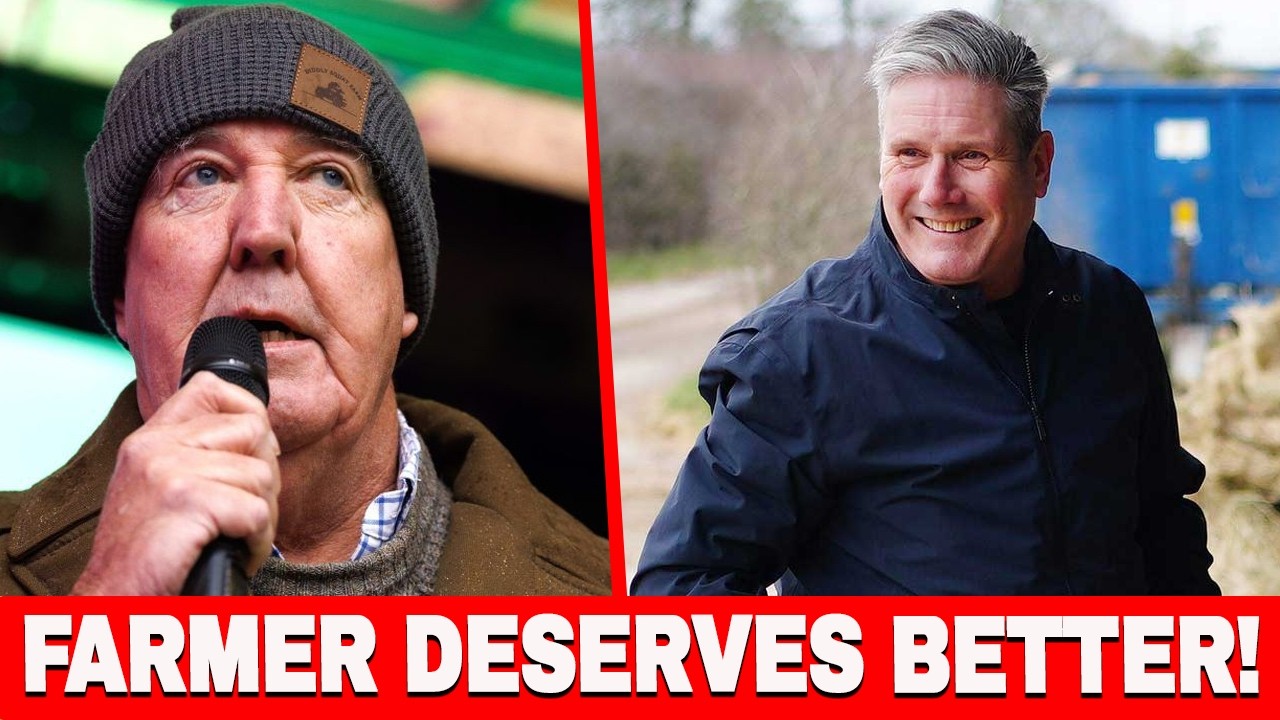
Jeremy Clarkson — *Clarkson’s Farm* host and, inconveniently for the government, Britain’s most recognisable farmer — addressed the crowd, calling the policy a “hammer blow to the back of the head” of British agriculture. A survey taken at the time found that before the budget, 70% of UK farmers had felt optimistic about their future. Afterwards, that figure had fallen to 12%. The protests kept coming: a second major rally in February 2025 drew over 1,000 tractors, and more than 1,800 farming families entered Parliament to lobby MPs directly.
## A Government That Blinked
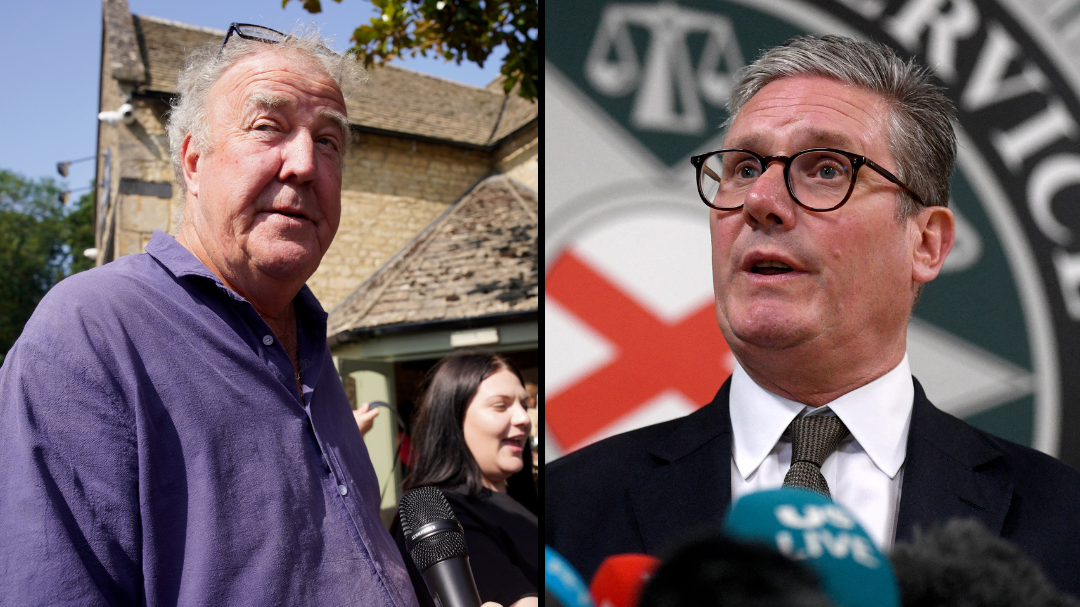
Keir Starmer initially held firm. But the political pressure proved relentless. By Budget 2025, the government had made the £1 million allowance transferable between spouses. Then, in December 2025, the threshold was quietly raised again — from £1 million to £2.5 million per individual, meaning couples could now shield up to £5 million before any tax applied. The number of estates expected to pay more inheritance tax as a result fell from an original projection of 2,000 to around 185.
NFU president Tom Bradshaw called the revised threshold “a huge relief for many.” But for much of the farming community, the damage was already done — not just financially, but to the relationship between rural Britain and the government that claimed to speak for it.
A parliamentary committee put it plainly: “A restoration of trust is urgently required.”
*The reformed Agricultural Property Relief takes effect on 6 April 2026.*
