
Klondike mining reaches historic intensity in explosive season finale
Season 16 of Gold Rush has concluded with one of the most competitive and financially intense campaigns in the show’s history, as miners across the Klondike delivered record-breaking gold totals amid escalating operational pressure.
At the center of the season was Parker Schnabel, who returned with a massive expansion strategy across Dominion Creek. Running nearly 60 machines and multiple wash plants, Parker aimed to reclaim dominance in the Klondike despite burning through more than $100,000 per day in operating costs .
His final result—10,596.45 ounces of gold worth approximately $42 million—cemented him as one of the top producers of the season, though it was not enough to secure the overall crown.
Tony Beets dominates with career-best production
Veteran miner Tony Beets once again proved why he remains one of the most efficient operators in the Yukon. Entering the season with a modest target, Tony’s disciplined multi-site strategy delivered extraordinary results.
Operating across several claims including The Corner Cut and other key zones, Beets steadily built momentum throughout the season. His final haul reached 11,231 ounces of gold, valued at roughly $45 million, marking the largest production of his mining career .

This output ultimately placed him ahead of Parker and reinforced his reputation as the “King of the Klondike,” where consistency and experience outweighed aggressive expansion.
Rick Ness fights through crisis and uncertainty
While the top of the leaderboard was dominated by Parker and Tony, Rick Ness faced an entirely different battle—one defined not by production competition, but by survival.
Beginning the season with limited resources, no stable water license, and reduced crew capacity, Rick was forced to rebuild from near zero. Despite these setbacks, he managed to produce 1,811.56 ounces of gold, valued at approximately $7.2 million .
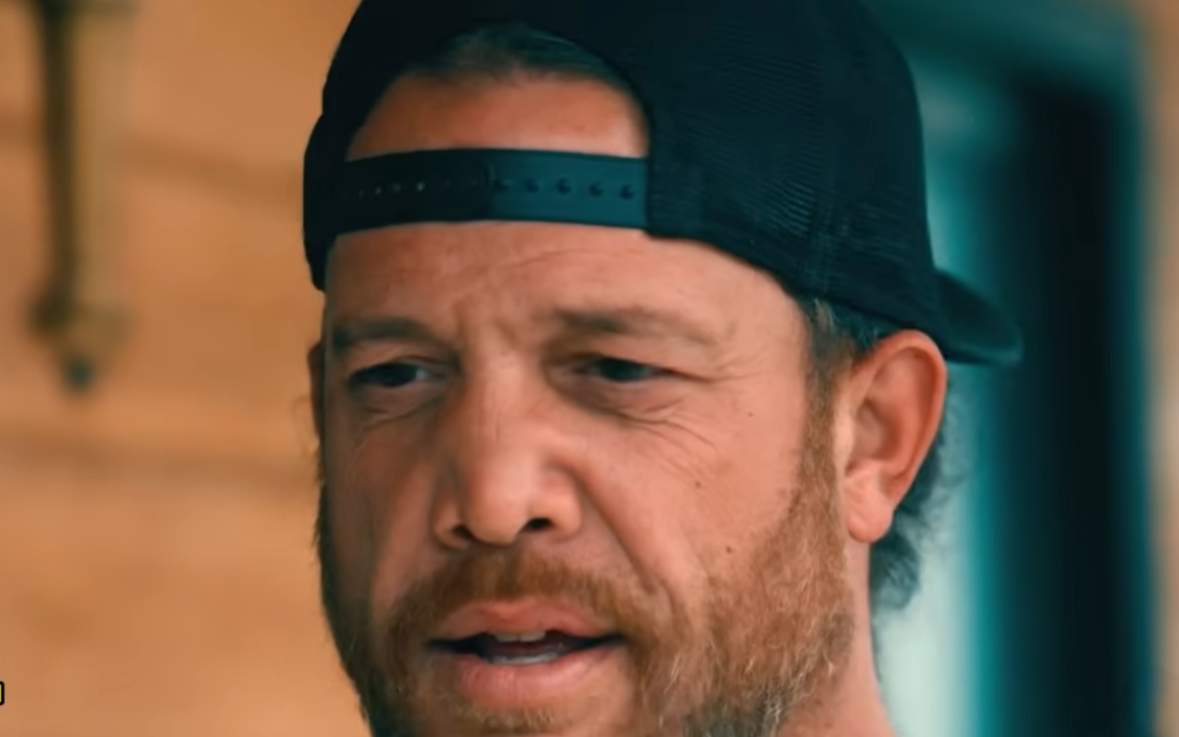
Although modest compared to his rivals, the result marked a critical stabilization of his mining career after a period of extreme uncertainty. His position in the Klondike now remains precarious, with future operations dependent on land access, permits, and potential partnerships.
Kevin Beets steps out of his father’s shadow
Kevin Beets also delivered a notable storyline, continuing his development as an independent mine boss at Scrier Creek. Targeting 2,000 ounces for the season, he faced crew shortages and operational instability after key team members departed mid-season.

Despite these setbacks, Kevin closed the season with 1,591 ounces of gold worth approximately $6.3 million .
While below target, the output demonstrated resilience and growth, reinforcing his gradual emergence as a standalone operator within the Beets mining legacy.
A season defined by scale, risk, and pressure
Season 16 was ultimately defined by three key forces: industrial-scale expansion, rising operational costs, and intense production competition.
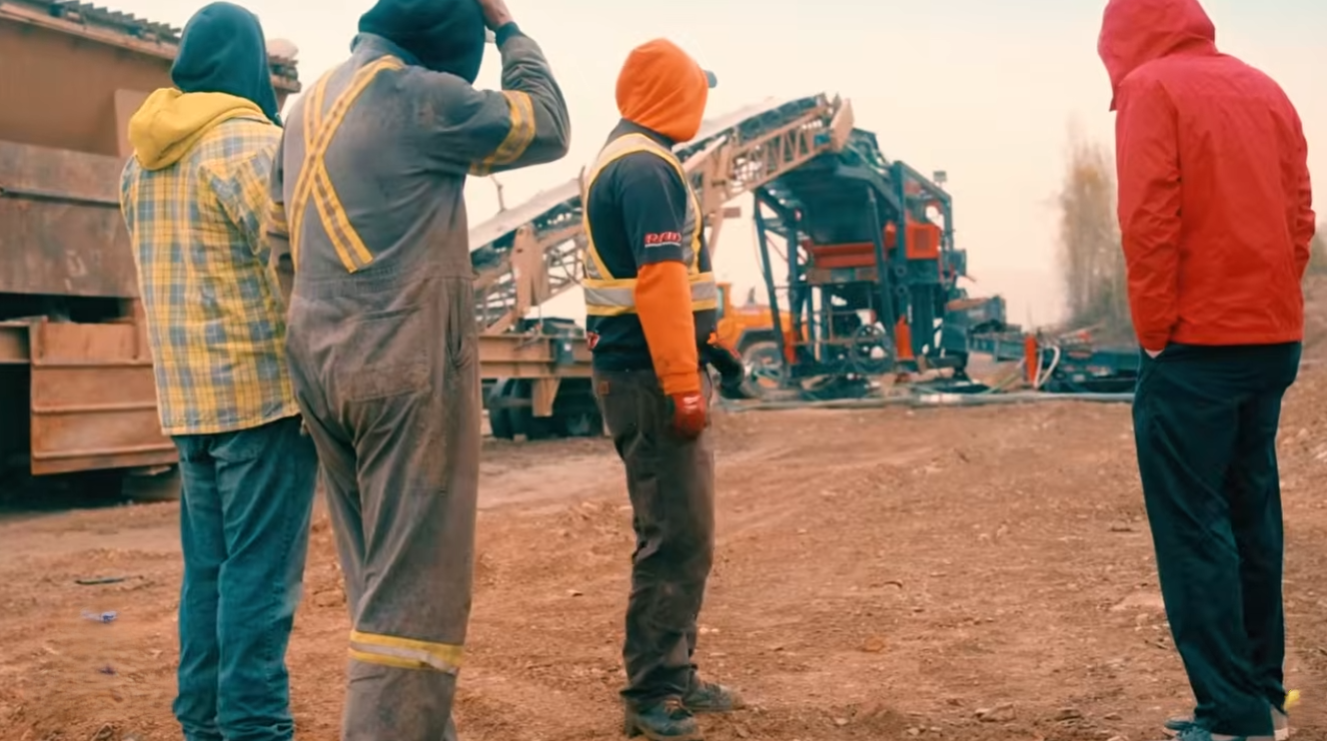
The shift toward multi-wash plant operations marked a new era in Yukon mining, where success increasingly depended on logistics, machine coordination, and capital management rather than single-site extraction alone.
At the same time, soaring gold prices amplified both profits and risks, turning every operational decision into a high-stakes calculation.
Final outlook: uncertainty heading into Season 17
As the dust settles, questions now turn toward the future.
Can Parker Schnabel reclaim the top position after falling short of victory despite record output? Will Tony Beets maintain dominance into another season of high-pressure mining? And perhaps most uncertain of all—can Rick Ness secure the regulatory stability needed to remain active in the Klondike at all?
Season 16 did not just deliver results. It redefined the scale of modern gold mining on television—where success is measured not only in ounces, but in survival against financial, environmental, and regulatory pressure.
And as Season 17 approaches, one fact is clear: the race for gold has never been more unforgiving.
