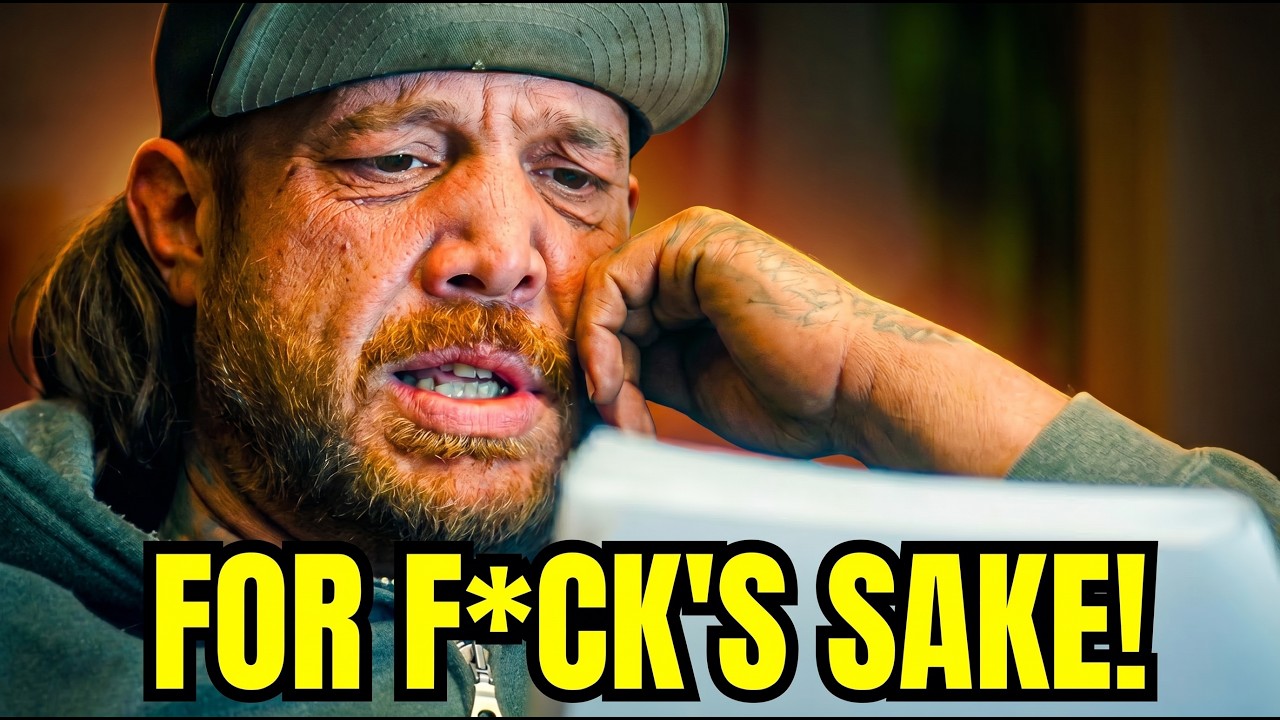
Regulatory battle threatens Duncan Creek operations
A major regulatory setback in the Yukon has placed serious uncertainty over Rick Ness’s future in Gold Rush, with new documents revealing that his Duncan Creek project is facing prolonged delays in securing a critical water license.
According to recently circulated Yukon Water Board filings, Ness’s operating company—Rally Mining ULC, with Rick listed as director—is now entangled in a formal review process that could significantly delay or even disrupt mining activity at the site .
In the Yukon gold mining industry, the importance of water access cannot be overstated. Without a valid water license, wash plants cannot operate, meaning pay dirt cannot be processed and gold production effectively comes to a halt.
“No water, no gold” reality hits hard
The situation facing Duncan Creek has escalated after intervention from the First Nation of Nacho Nyak Dunn (FNND), which submitted formal concerns regarding environmental impact and land use. Their intervention triggered a requirement for a full public hearing, shifting the application from routine approval into a much longer and more complex regulatory pathway .
This development has transformed what was already a procedural requirement into a significant operational obstacle. The Yukon Water Board has confirmed that the case will now proceed through structured hearings, technical reviews, and public testimony before any final decision is made.
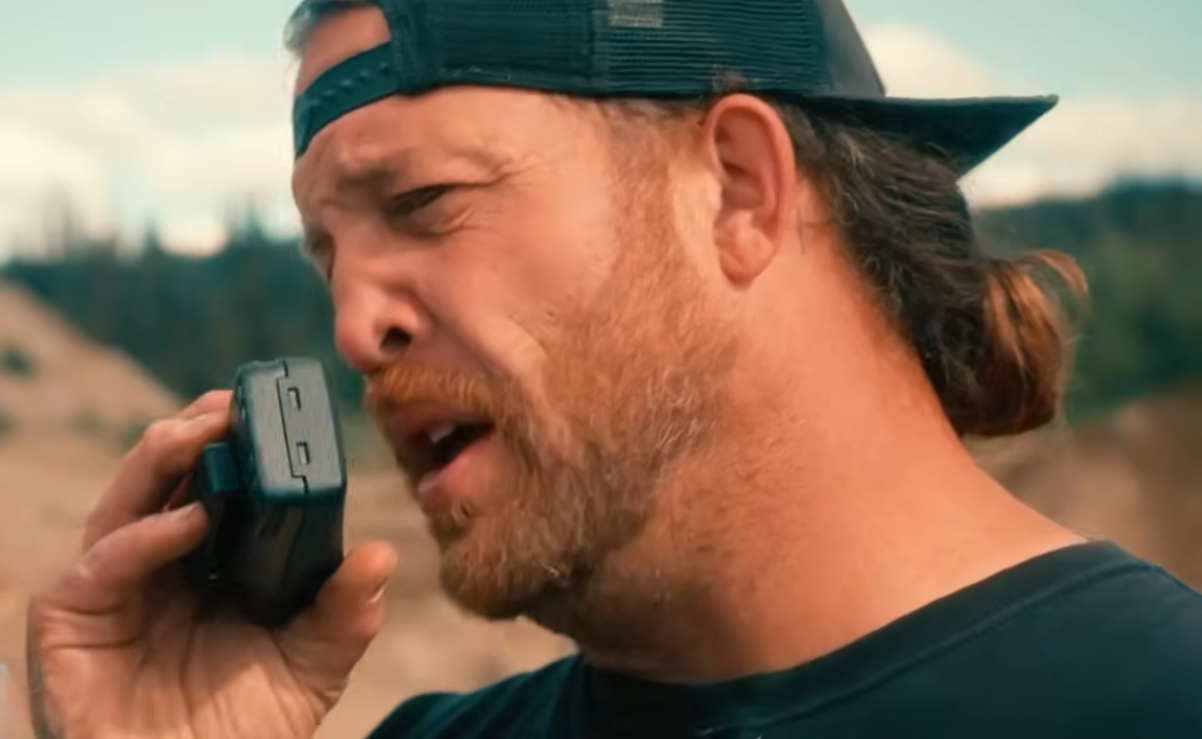
Hearing schedule pushes decision deep into the season
The timeline outlined in the documents suggests a drawn-out process that will stretch across the core of the Yukon mining season.
Key dates include:
- Technical pre-hearing conference: mid-June 2026
- Administrative pre-hearing: August 18
- Main public hearing: August 26–28
For mining operations in the region, this timing is critical. The Yukon season is short, typically running from spring thaw to autumn freeze-up, meaning delays of even a few weeks can have substantial financial consequences .
By late August, much of the most productive mining window may already be closing, leaving little opportunity for meaningful gold recovery even if approval is eventually granted.
Operational uncertainty for Season 17
The uncertainty has sparked speculation about how much of Duncan Creek will actually appear in Season 17 of Gold Rush.
If the licensing process remains unresolved through peak production months, Rick Ness could be forced into a reduced operational role or even temporary inactivity at the site. That would present a major challenge not only for his mining output but also for the show’s production narrative.
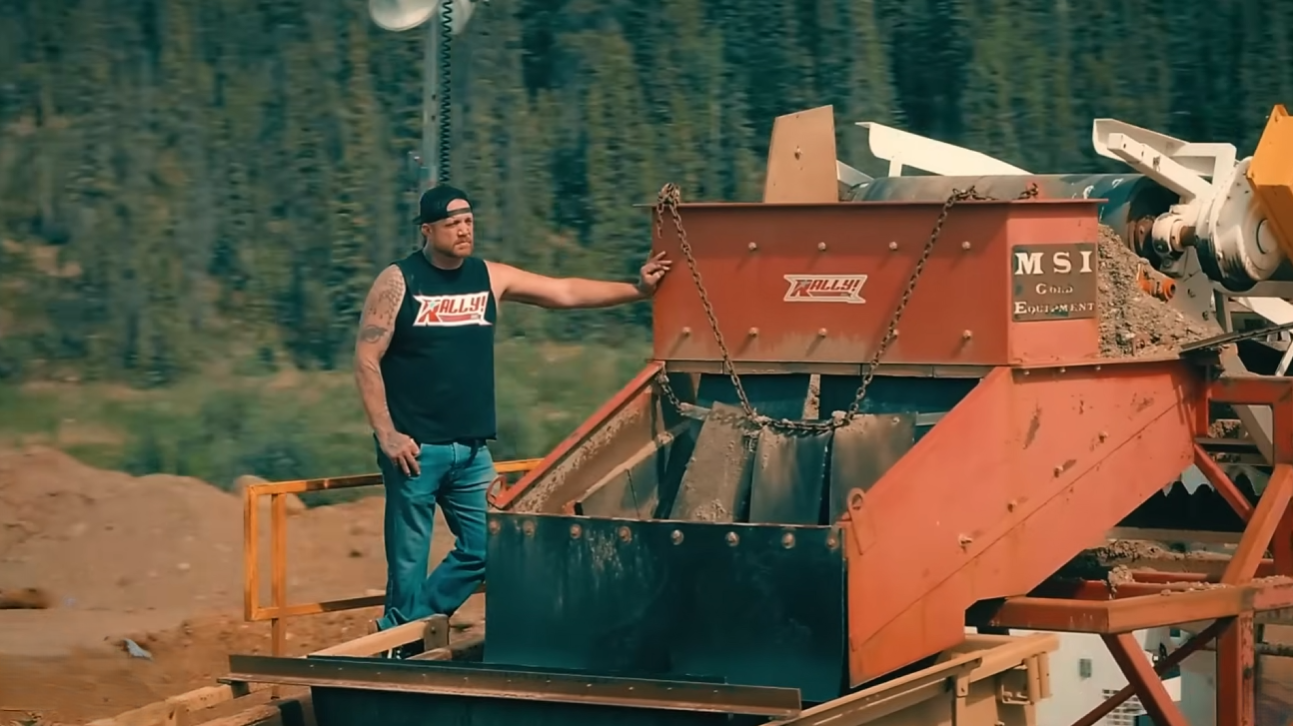
Producers typically rely on consistent mining activity for footage, and prolonged regulatory delays could shift focus away from Duncan Creek entirely.
Alternative options and strategic pressure
Despite the setback, the documents suggest Rick may not be without options.
His previously acquired Lightning Creek claim—purchased during Season 16—could now become a critical backup operation. While initially viewed as underperforming, the property may provide immediate operational continuity if Duncan Creek remains tied up in regulatory proceedings .
This dual-asset strategy could allow Ness to redirect crews and equipment while waiting for regulatory clarity. However, developing multiple sites simultaneously introduces its own financial and logistical pressures.
Mining analysts within the narrative of the show have long noted that diversification is often essential in Yukon operations, where permitting delays, weather, and ground conditions can shift rapidly.
A miner caught between ground and government
The situation highlights a familiar tension within modern Yukon mining: the growing complexity of environmental regulation versus the high-risk, time-sensitive nature of placer mining.
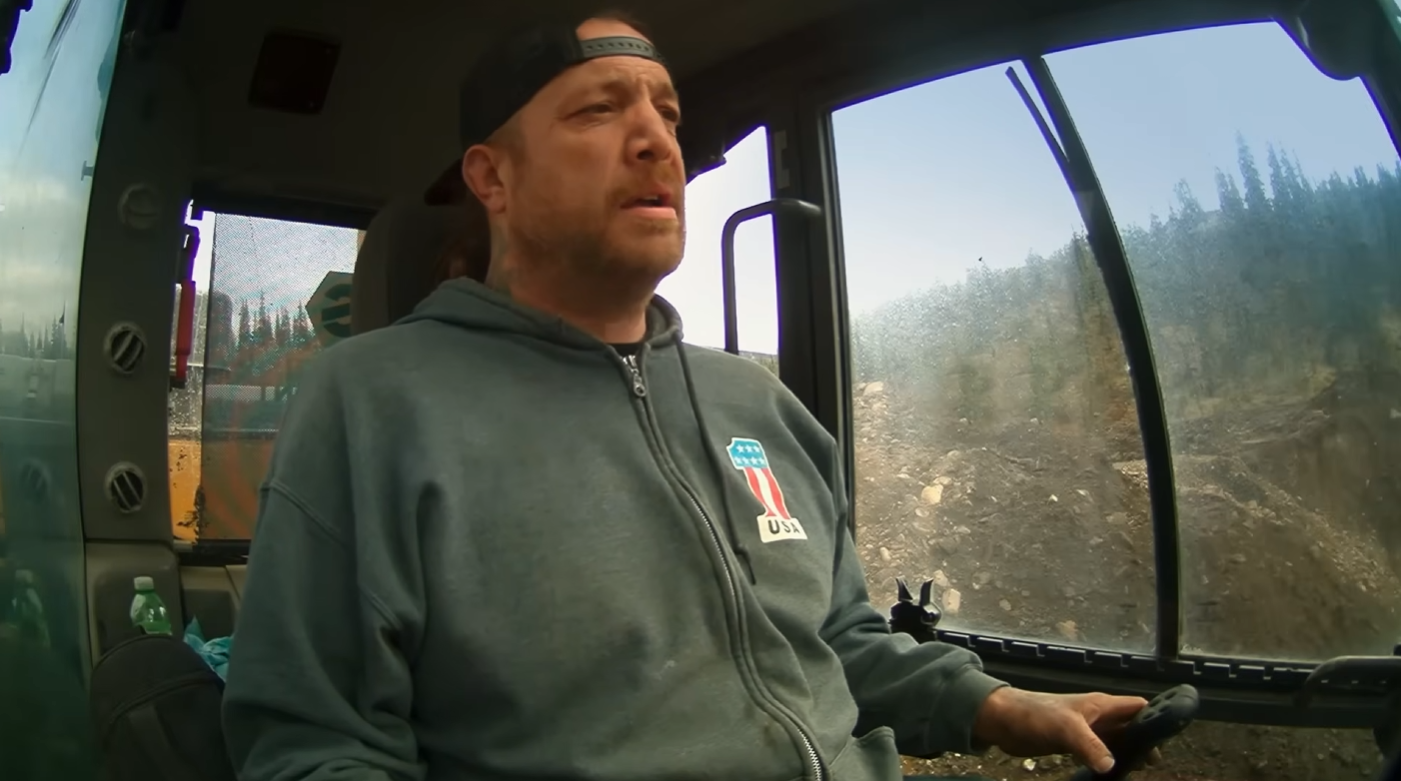
For Rick Ness, who has previously navigated financial setbacks and operational instability, this represents one of his most significant administrative challenges to date.
Unlike mechanical breakdowns or production failures, regulatory delays cannot be solved with manpower or equipment. Instead, they require time, documentation, and procedural compliance—factors largely outside a miner’s direct control.
What happens next for Rick Ness?
As the Yukon Water Board hearings approach, all attention now turns to whether Duncan Creek will secure approval in time to salvage a meaningful 2026 season.
Even in the best-case scenario, the compressed timeline leaves little room for error. Any additional delays could effectively erase the operational viability of the site for the year.
For now, Rick Ness remains in a holding pattern—balancing regulatory uncertainty, seasonal constraints, and strategic decisions about where to deploy his resources next.
What was expected to be another aggressive push for gold in Season 17 has instead become a waiting game shaped by paperwork, hearings, and regulatory scrutiny.
And in the high-stakes world of Yukon mining, waiting is often the most expensive risk of all.
