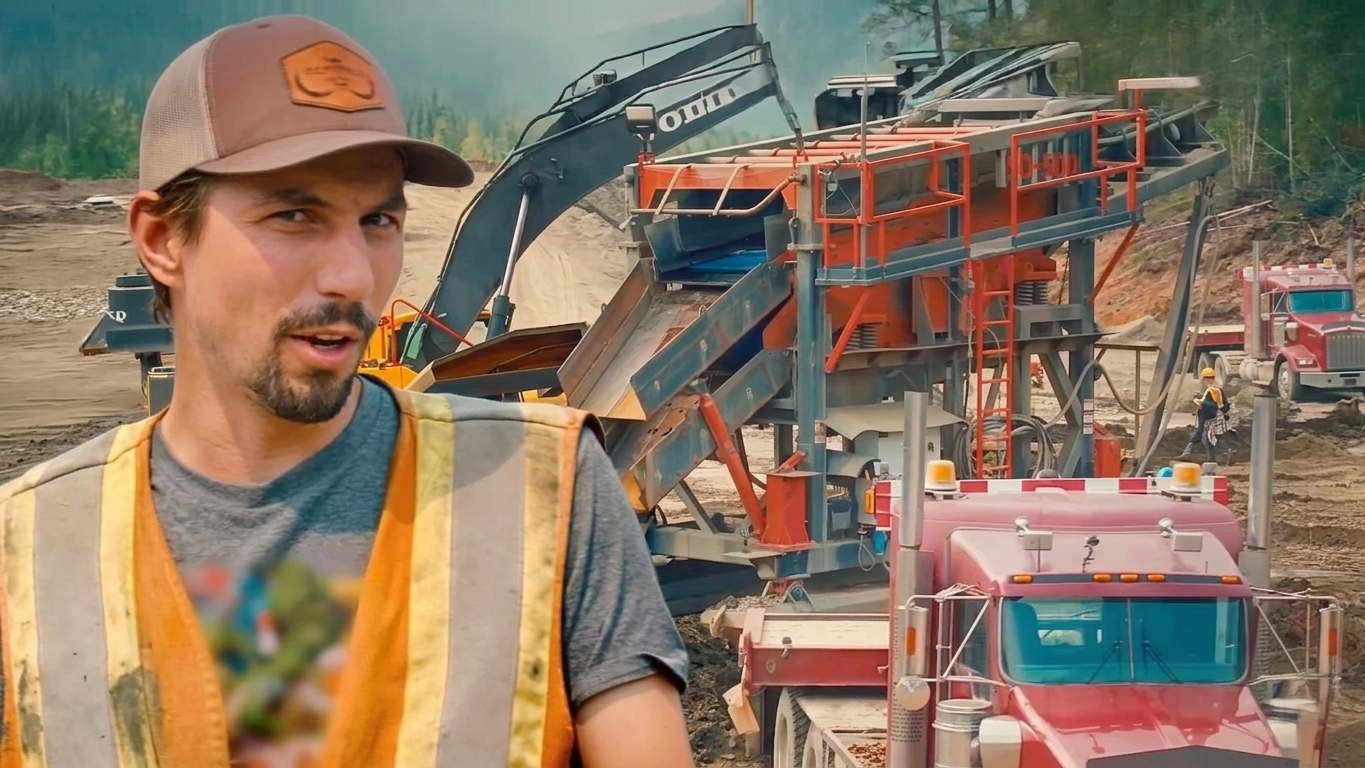
Parker Schnabel’s push for a record-breaking season takes a dangerous turn as wildfires close in on his Yukon claims, threatening not only production targets but the safety of everyone on site. In the latest developments from Gold Rush, what should have been a crucial stretch of late-season mining instead becomes a battle against time, smoke and a fast-changing natural threat.
The scale of the danger is difficult to ignore. According to the latest account from the field, dozens of wildfires have broken out across the Yukon after recent lightning strikes, with flames spreading across more than 250,000 acres. Under strong winds, those fires can travel rapidly, creating serious uncertainty for crews working in remote terrain. For Parker’s team, the situation becomes especially alarming because one fire is reported to be just two miles from his Dominion Creek operation, while another is even closer to Sulfur Creek.
That timing could hardly be worse. Parker is said to be pursuing what could become a $35 million season, a target that already demands relentless output and careful coordination. His crews are under pressure to make the most of every remaining day, and Sulfur Creek in particular carries extra urgency because its water licence is due to run out in just two weeks. That deadline means there is little room for disruption. The team must strip ground, sluice material and move equipment before time runs out.

Instead of a clean push to the finish, the operation is suddenly clouded by smoke and uncertainty. Parker and the film crew find themselves close enough to one wildfire to see the line of flames and feel the heat, prompting immediate concern from the production safety team. The danger is not only what the crew can see, but what changing wind conditions might do next. In wildfire zones, visibility can change quickly and safe routes can disappear with little warning.
Even so, the pressure to keep moving remains intense. Parker continues toward Sulfur Creek to check on the crew, knowing the operation cannot afford to lose momentum. When he arrives, the mood is cautious rather than calm. The fire may not have crossed the creek, but the smoke is heavy, the surrounding area is unstable and everyone understands how quickly conditions can turn. The crew’s priority becomes clear: finish sluicing, shut down cleanly and get out before the risk grows worse.
At the centre of this effort is Mitch and the team at Sulfur, who have spent the season racing against the water deadline. Their site has produced strong gold, making it one of the brighter parts of the campaign, but success on the ground means little if the crew cannot safely recover the plant and transport it to its next location. The final clean-up at Sulfur is therefore more than a routine end-of-run procedure. It marks the closing of one important chapter under the threat of fire.
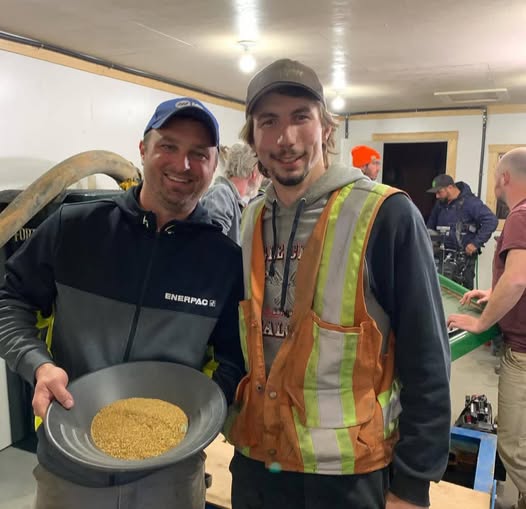
From there, the challenge shifts from mining to logistics. Roxanne, the wash plant, must be moved 25 miles to Ken and Stewart’s in a two-load transport. First the shaker deck is hauled out, then the oversized sluice runs are loaded for a second trip, with Brennan leading in the pilot car. In ordinary circumstances, this would already be a delicate operation. Under wildfire pressure, every mile carries added tension.
The most difficult obstacle comes at a narrow bridge with a width restriction of just 21 feet. The sluice runs, however, measure 27 feet wide. The only way across is to raise the outside edges high enough to clear the structure, leaving almost no room for error. By the crew’s own calculation, there is only around half an inch of clearance. That margin turns a straightforward crossing into one of the most nerve-racking moments of the move.
As the truck inches forward, the danger is obvious. If the load snags or stalls mid-bridge, there would be no easy fix. The team can only guide the driver carefully and hope the measurements were right. In the end, the load squeezes through, clearing the bridge by the smallest possible margin. It is the kind of scene that captures what late-season mining on Gold Rush often looks like at its most intense: not just digging for ounces, but solving high-pressure problems in real time with the season hanging in the balance.
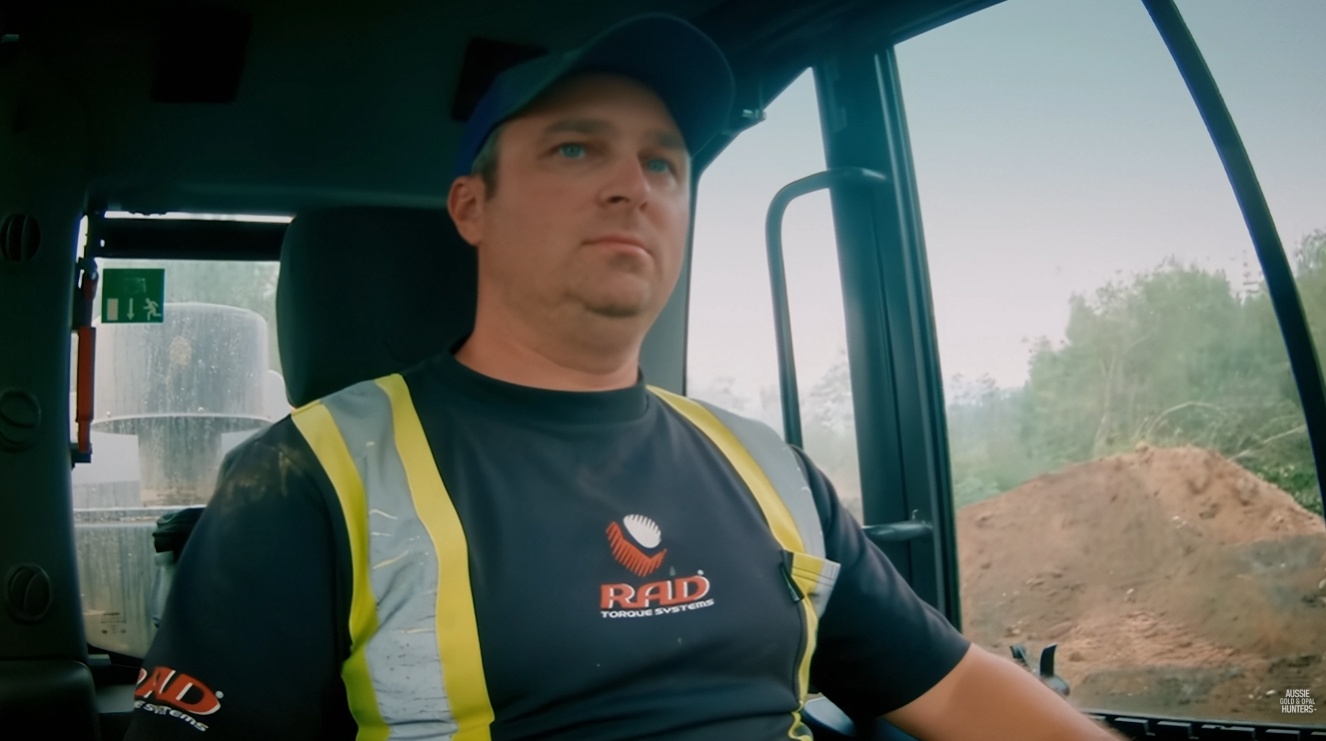
When Parker returns and sees the plant running again in the new cut, the relief is obvious. The move has worked, the wash plant is back in action and the crew has bought itself a little more momentum in an increasingly unforgiving season. Parker’s praise for Mitch and the team reflects more than appreciation for a smooth relocation. It is recognition that they kept the operation alive in conditions that could easily have forced a shutdown.
What makes the situation especially compelling is how quickly the story shifts from ambition to survival. At the start, the focus is on Parker’s record chase and the enormous value of his season. But as the fires advance, those numbers begin to matter less than the basics: safe access, clear roads, working equipment and a way out if conditions worsen. The possibility that a claim could literally burn while the team is away underlines how exposed remote mining can be when nature turns hostile.
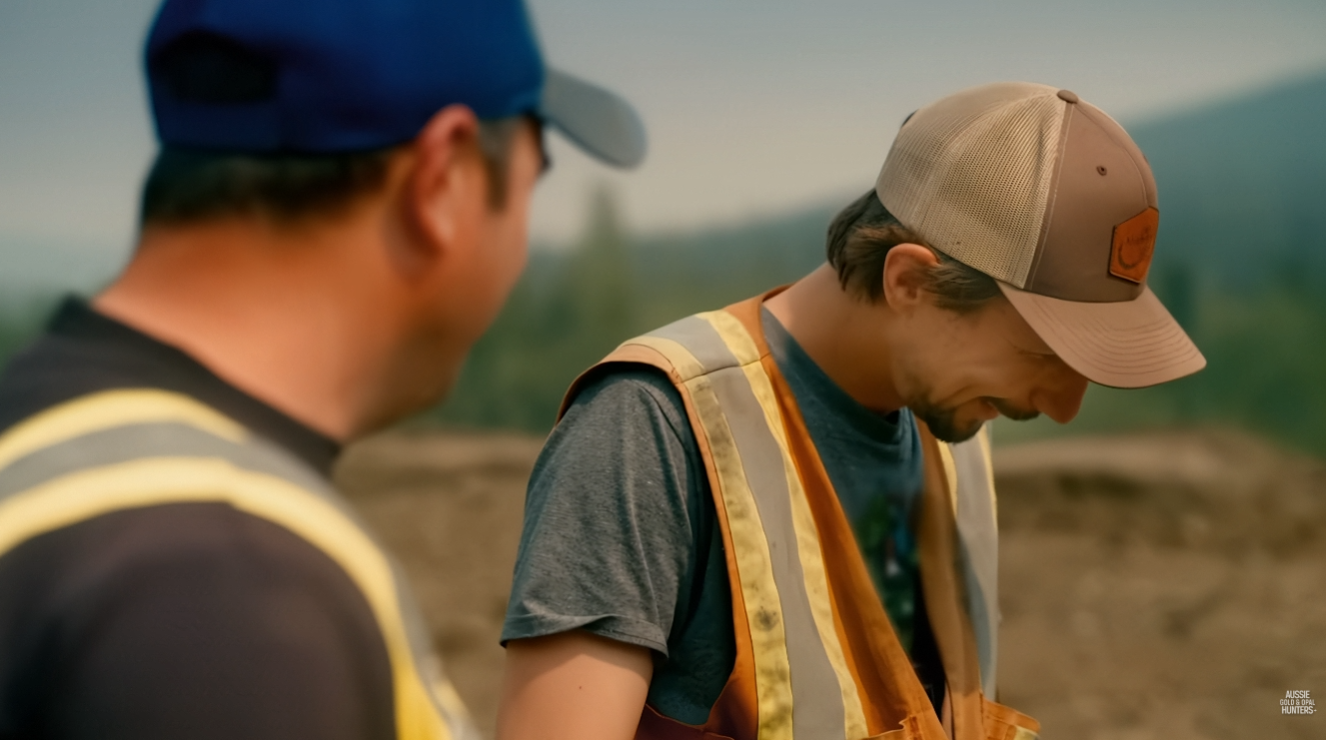
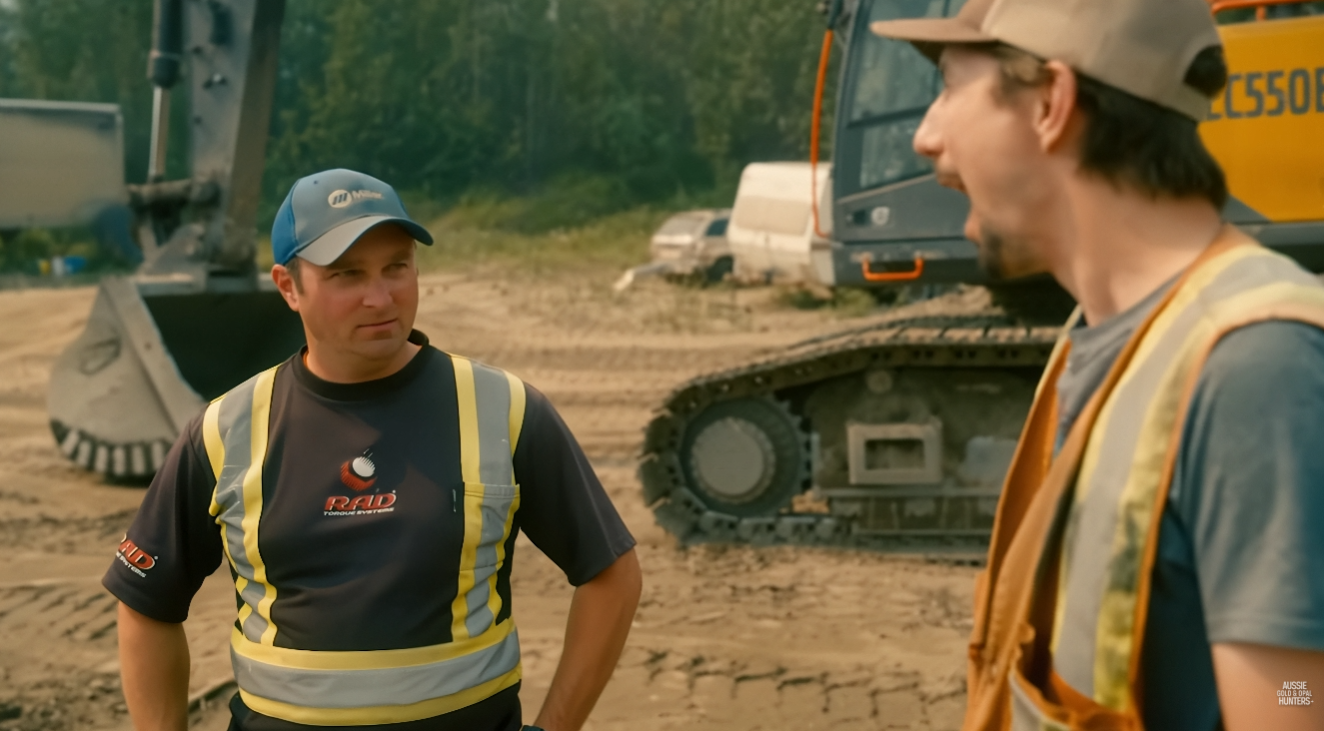
In the end, the wildfire threat adds a new layer to Parker Schnabel’s campaign. It is no longer only about gold totals or strong cuts. It is also about whether the operation can stay one step ahead of forces completely outside human control. For Parker and his crew, that may prove to be one of the defining tests of the season.
On Gold Rush, equipment failures and difficult ground are expected. A wall of fire on the horizon is something else entirely. And with the Yukon still burning, Parker’s road to a record season suddenly looks far more uncertain than the gold count alone might suggest.
