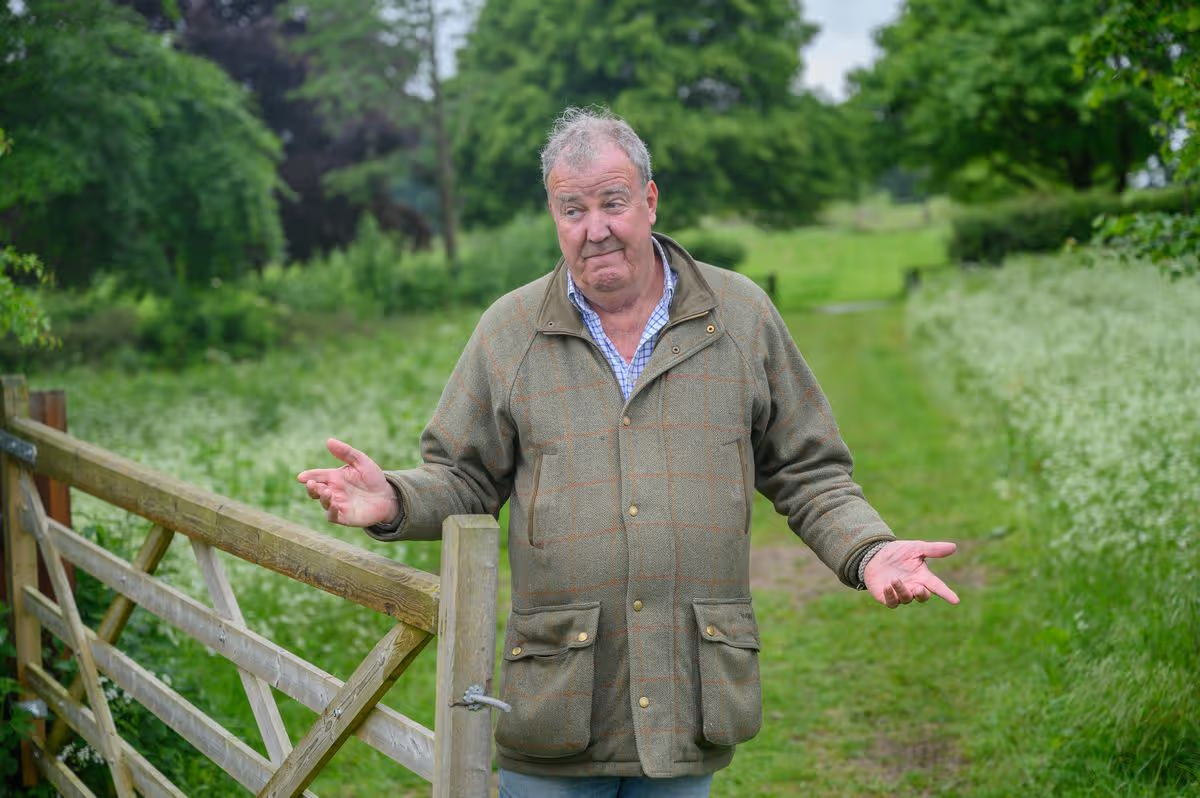
Jeremy Clarkson, famed for his outspoken views on everything from supercars to politics, never intended to become a farmer. But his journey from an accidental farm owner to an advocate for British agriculture has captured the hearts of millions. The transition was neither planned nor sought after, but it has brought to light the quiet crisis facing the UK farming community. And through it, Clarkson has become the voice of a profession at risk of disappearing.
A Farm Bought by Accident
It all started in 2008, during the global financial crash. Clarkson, at the peak of his Top Gear fame, purchased a sprawling 1,000-acre farm in the Cotswolds near Chipping Norton. To many, it seemed like a bizarre investment. Clarkson, a man whose expertise lay in fast cars and loud engines, knew nothing about farming. But as land rarely becomes available in Britain, especially during times of financial uncertainty, Clarkson saw an opportunity. He wasn’t buying the farm to cultivate crops or raise livestock—he was investing in a piece of land that would appreciate over time. Additionally, the UK’s inheritance tax laws on farmland presented a practical reason to make the purchase.
The farm, which Clarkson named Diddly Squat, sat idle for several years. Howard Pauling, a local farmer, managed it for Clarkson, while the latter indulged in his passion for cars and television. However, in 2019, when Pauling retired, Clarkson made a pivotal decision: he would try farming himself. Equipped with little more than a Lamborghini tractor, Clarkson, alongside local farmer Caleb Cooper, embarked on the journey of trying to make the farm work. It was not a decision borne of passion for agriculture but rather an instinctive need to take control of something he owned.
The Struggles of British Farming
Clarkson’s farming venture, like many others across the country, quickly turned into a tale of disaster. The first year saw a profit of just £144—barely enough to cover a dinner for two. But the numbers told a much more significant story. British farming, once sustained by subsidies from the European Union, was now struggling to survive without that financial cushion. With the UK’s exit from the EU, subsidies disappeared, leaving many farmers, including Clarkson, to face a harsh reality.
For Clarkson, the situation was dire. He faced a £66,000 subsidy loss compared to previous years and found that costs for seeds, fertilizer, and sprays had tripled due to inflation and the ongoing war in Ukraine. Despite the financial challenges, Clarkson persisted, documenting every failure and setback for Amazon’s Clarkson’s Farm.
The show, initially intended as a comedic look at Clarkson’s farming attempts, quickly became a platform for advocating for British farming. The series, which aired in 2021, was an unexpected success. It resonated with viewers, not because Clarkson was an expert, but because the show exposed the harsh reality of farming life in the UK. The comedy wrapped around the genuine struggles, making the information accessible and engaging to a broader audience. Viewers learned about the challenges of rising costs, unpredictable weather, and the loss of government support—all issues that had been affecting farmers for years, largely under the radar.
Turning Challenges into Opportunities
Clarkson’s farming story would not be complete without his foray into business. As he struggled to sell potatoes, he realized that his farm could become a tourist attraction. What began as a makeshift farm shop to sell excess potatoes grew into a thriving business. Within a year, the farm shop’s assets increased from £44,000 to £1.34 million. Visitors, drawn by the success of the show, flocked to Diddly Squat in large numbers. The once-sleepy farm had turned into a hotspot for tourists, and Clarkson’s modest potato shed had become a symbol of resilience.
But the success came with complications. The West Oxfordshire District Council, concerned about the influx of visitors and the impact on the area, rejected planning applications to expand facilities. These refusals, however, became part of the narrative on Clarkson’s Farm, as every planning battle became another chapter in the story of British farming’s decline. Clarkson’s battles with bureaucracy became a symbol of the systemic issues facing farmers across the UK, and with each setback, more people became aware of the plight of the agricultural community.
Hawkstone: A Surprise Success
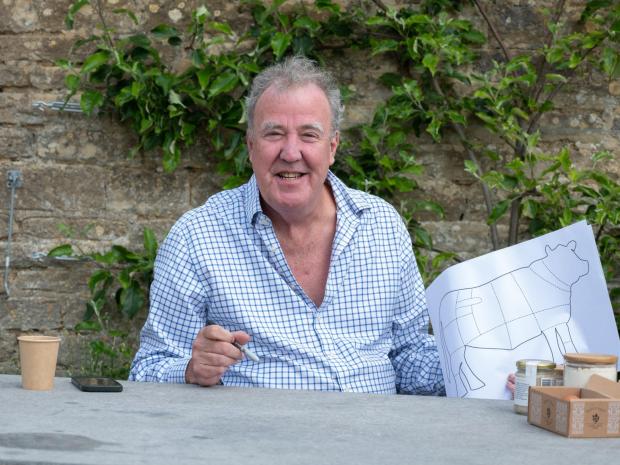
Amid the chaos, Clarkson also launched Hawkstone, a beer brewed from barley grown on the farm. The timing seemed disastrous—launched in the midst of the global pandemic when pubs were closed. However, the beer’s backstory and Clarkson’s personal involvement turned out to be a winning formula. By 2025, Hawkstone had posted sales of £21.3 million, nearly tripling the previous year. It is now stocked in major UK supermarkets and over 500 independent pubs. The brewery also employs dozens of local workers, providing jobs in an area where employment opportunities have been dwindling.
Clarkson’s success with Hawkstone is a testament to the power of persistence and the ability to turn adversity into opportunity. What began as a farm with no clear purpose became a thriving business and a voice for British agriculture.
A Bigger Picture
Beyond the immediate success of Clarkson’s Farm and Hawkstone, the series has sparked a nationwide conversation about the state of British farming. It highlighted how the inheritance tax system was hurting farmers, especially those with large landholdings that appeared wealthy on paper but were, in fact, struggling financially. The program made the complex and often invisible world of farming more relatable to the general public.
Clarkson’s unintentional advocacy for the farming community has made him one of the most significant voices in the discussion about agriculture in the UK. His story is not just about one man’s attempt to farm; it’s a reflection of the challenges that many farmers face today.
As Clarkson himself puts it, “The fight for British farming is far from finished.” And with Clarkson’s Farm continuing to shine a light on the difficulties faced by those in the industry, it seems that the story of Diddly Squat Farm is just the beginning of a much larger conversation.
