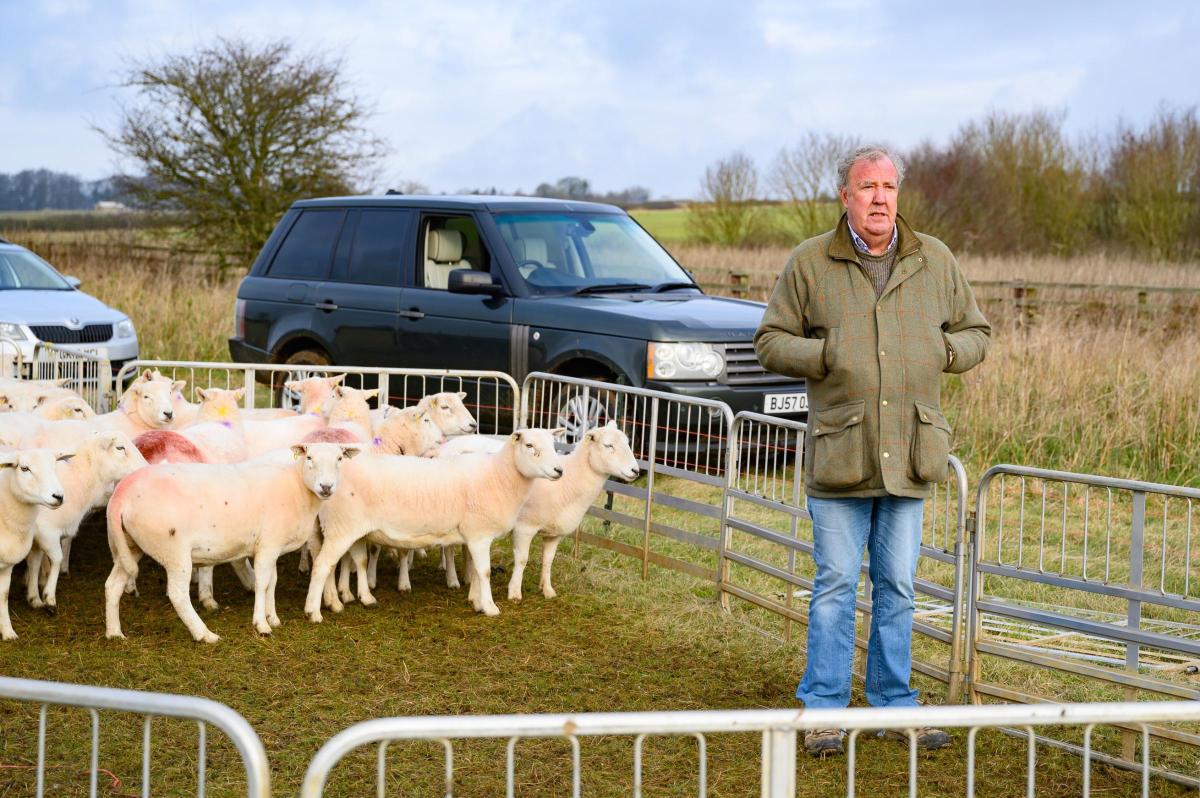
Jeremy Clarkson returns with Clarkson’s Farm season five on Amazon, opening the series with his trademark dark humour: “I’m back and not dead. It was f***ing close though.” He’s referring to a blocked artery in 2024 that required an urgent heart procedure, yet the remark could just as well describe his career. Clarkson has repeatedly bounced back from scandal—controversial remarks, diplomatic incidents, and public spats that would have derailed most media careers—raising the question of whether the public is being charmed by an avuncular farming persona while the provocateur behind it fades into the background.
Clarkson’s history at the BBC was punctuated by moments that threatened to end his career. From unguarded political jibes and a controversial Top Gear special in India to a 2015 physical altercation with producer Oisin Tymon, Clarkson seemed increasingly at odds with evolving social norms. His move to Amazon offered a chance for reinvention. First with The Grand Tour, and now with Clarkson’s Farm, he has transformed past missteps into a platform for personal storytelling. In many ways, the series mirrors the PR brilliance of Ryan Reynolds and Rob McElhenney, who turned Wrexham into both a football success and a television project. For Clarkson, the farm is more than land; it is a narrative playground, blending personal ambition, entertainment, and advocacy.
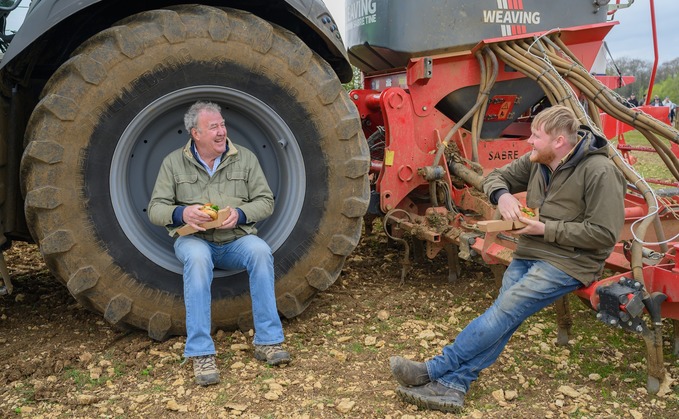
The fifth season sees Clarkson at his most ambitious yet. He navigates the challenges of running Diddly Squat Farm while leading farmers in protest against policies they see as threatening to British agriculture. The series interweaves real issues with staged camaraderie, highlighting tensions with farm manager Kaleb, domestic squabbles with partner Lisa, and the occasional impulsive purchase of tractors or livestock. It is simultaneously authentic and performative: the struggles of everyday farming are amplified for television, yet Clarkson’s engagement with the community shows a deep, if theatrical, understanding of their plight. His pub, The Farmer’s Dog, has become a phenomenon in its own right, creating local traffic chaos while cementing his broader influence.
Clarkson’s approach balances genuine advocacy with spectacle. His commentary on government policies resonates with viewers, positioning him as a plausible populist figure who channels anger into collective action. Yet the irony is palpable: Amazon, a company often criticised for undermining small businesses, broadcasts these protests and profitably packages rural struggle for global audiences. This tension is central to the Clarkson brand—crotchety, authentic, and commercially astute. Clarkson’s Farm is not a straightforward documentary of British agriculture; it is a carefully constructed narrative where each setback and triumph serves both storytelling and brand-building.
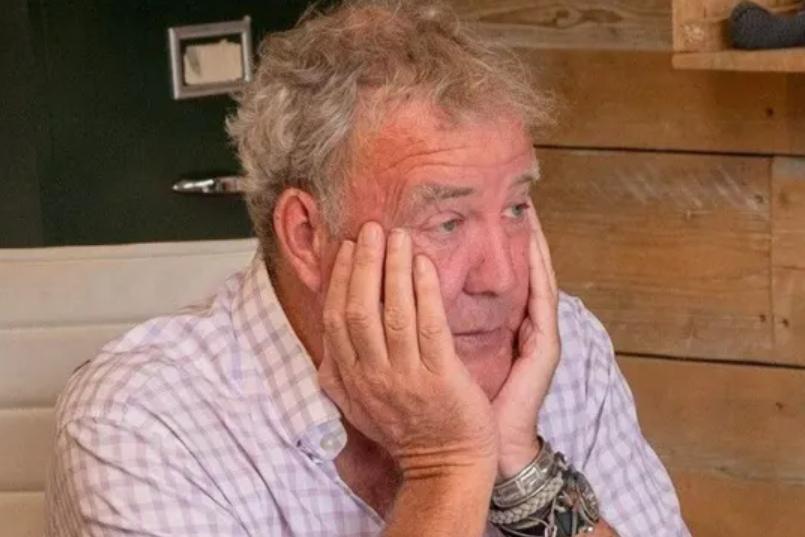
The fifth season demonstrates Clarkson’s enduring appeal and media savvy. It showcases a man who has survived repeated controversies, leveraged them into a profitable new venture, and now uses his platform to amplify the voice of a community under pressure. Fans see a relatable, impish host, but the underlying machinery of entertainment and profit remains visible. The question persists: is Clarkson genuinely championing farmers, or is he converting their challenges into another layer of spectacle for Amazon Prime? Regardless, his comeback is undeniable. Season five of Clarkson’s Farm promises heart-stopping moments, cheeky humour, and a masterclass in turning controversy into cultural currency.
Clarkson’s Farm season five premieres on Prime Video on 3 June.
